Illinois Special Youth Hunt Windows
For many aspiring young hunters and their families, the journey into Illinois's outdoors can feel a little daunting. Figuring out where and when it's even legal for a youth to hunt, let alone finding a safe and productive experience, often stops families before they even start. This guide aims to demystify Illinois's special youth hunt windows, providing you with all the essential information to plan a memorable and educational hunting trip for the next generation.
Understanding Illinois's Youth Hunting Opportunities
Bringing a young person into the hunting tradition is one of the most rewarding experiences a parent, guardian, or mentor can have. Illinois understands this, and that's why special youth hunt windows are specifically designed to foster a love for the outdoors in a controlled, supportive environment. These seasons aren't just about harvesting an animal; they're about teaching responsibility, patience, and ethical hunting practices.
Why Youth Seasons Matter
Special youth seasons are a fantastic way to introduce kids to hunting without the intense pressure or crowded conditions often found during regular seasons. Imagine trying to teach a new driver in rush hour traffic – that's what it can feel like throwing a beginner into opening day of firearm deer season. Youth seasons, however, often have fewer participants, giving young hunters more space and a calmer atmosphere to learn. This reduced pressure allows mentors to focus on instruction, safety, and the overall experience rather than just the kill. It’s also a critical time to instill a deep respect for wildlife and the land, laying a foundation for future conservation efforts. These dedicated windows ensure that young hunters get a genuine opportunity, often on prime dates, to connect with nature and build confidence in their skills. The goal is to create positive, lasting memories that encourage them to continue hunting as they grow older.
General Eligibility and Requirements
Illinois takes the safety and education of its young hunters very seriously. To participate in these special youth hunt windows, there are specific age requirements and mandatory safety measures. Generally, youth hunters must be under the age of 18 at the time of the hunt. A key prerequisite for most hunting activities in Illinois, including youth seasons, is completing a certified hunter education course. This course covers firearm safety, wildlife identification, hunting ethics, and regulations. It’s a foundational step that every young hunter needs to take, ensuring they understand their responsibilities in the field. You can find comprehensive details on the requirements for Illinois Hunter Education Requirements through the IDNR website.
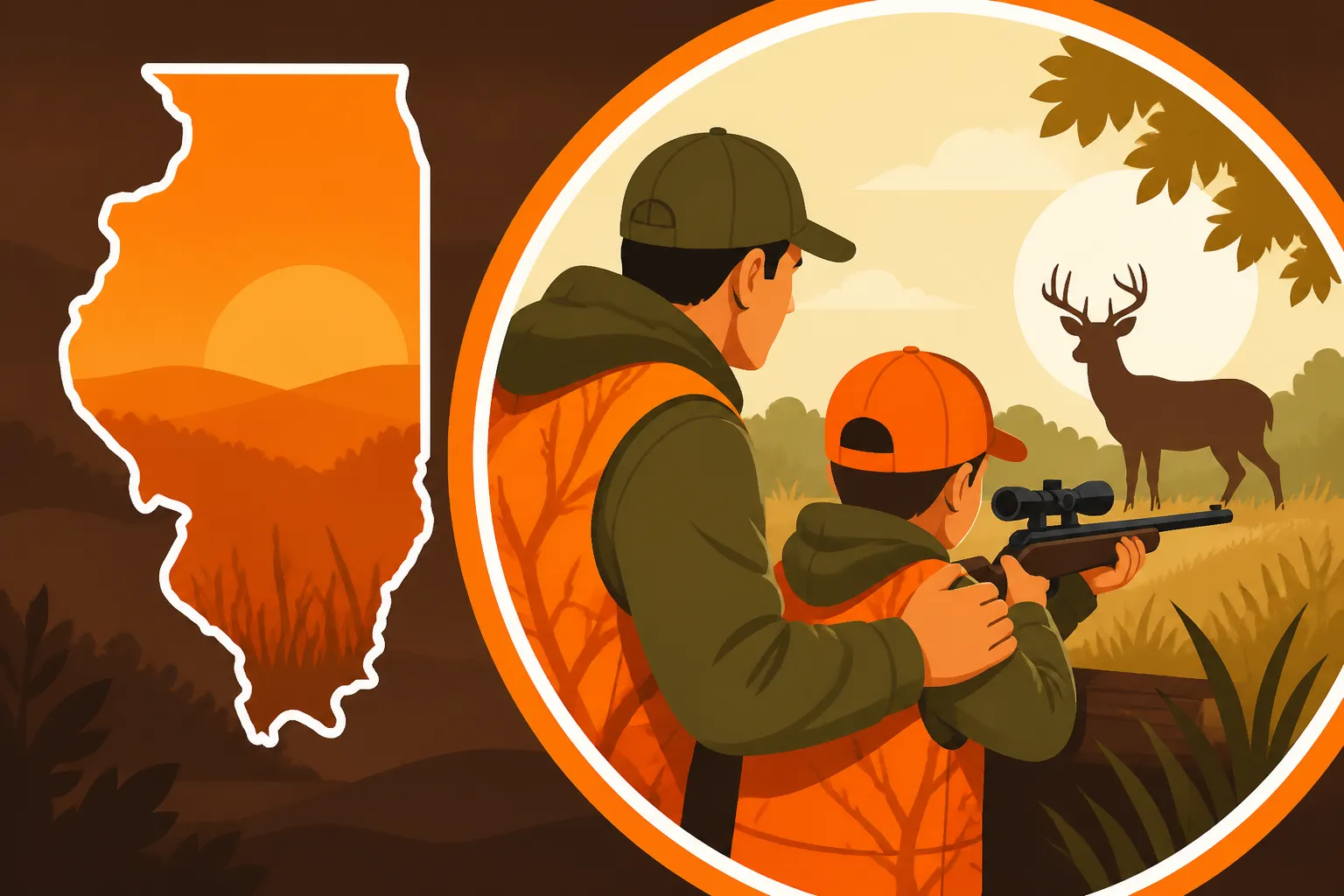
Furthermore, direct adult supervision is almost always required. This isn't just about having an adult present; it's about having a licensed, non-hunting adult (typically 18 years or older) who has a valid Firearm Owner's Identification (FOID) card and current hunting license, actively supervising the youth hunter. They are responsible for ensuring the youth adheres to all safety rules and regulations. This mentor figure plays a crucial role, often sitting right beside the youth, guiding them through every step of the hunt.
Key Special Youth Hunt Windows in Illinois
Illinois offers several distinct youth hunting opportunities throughout the year, designed for different game species. These special seasons provide unique chances for young hunters to pursue deer and turkey, often with less competition than during regular seasons. Planning ahead is key, as dates, specific regulations, and permit application windows vary for each.
Youth Deer Seasons
The Illinois Youth Deer Season is perhaps the most well-known and anticipated special hunt window. It typically takes place over a weekend in early to mid-October, strategically timed before the main firearm deer seasons to give young hunters a dedicated opportunity. During this special season, eligible youth hunters (under 18 years of age) can harvest one deer of either sex, provided they have a valid youth deer permit. The weapon restrictions are generally more lenient, allowing shotguns, muzzleloaders, and straight-walled cartridge rifles, which are also legal during the regular Legal Weapons During Illinois Firearm Season.
This early season timing is particularly advantageous because deer activity can still be high, and the weather is often more agreeable than in late fall or early winter, making for a more comfortable experience for young hunters. It’s an excellent chance for new hunters to gain experience tracking, stand hunting, and processing their first deer. Many families use this weekend as a dedicated educational outing, focusing on teaching proper shot placement, blood trailing, and field dressing. Remember, an adult who possesses a valid Illinois hunting license and a FOID card must accompany the youth, though the adult cannot hunt during this specific youth deer season. For more detailed insights on strategies, you can look into Hunting the Illinois Youth Deer Weekend.
Youth Spring Turkey Weekend
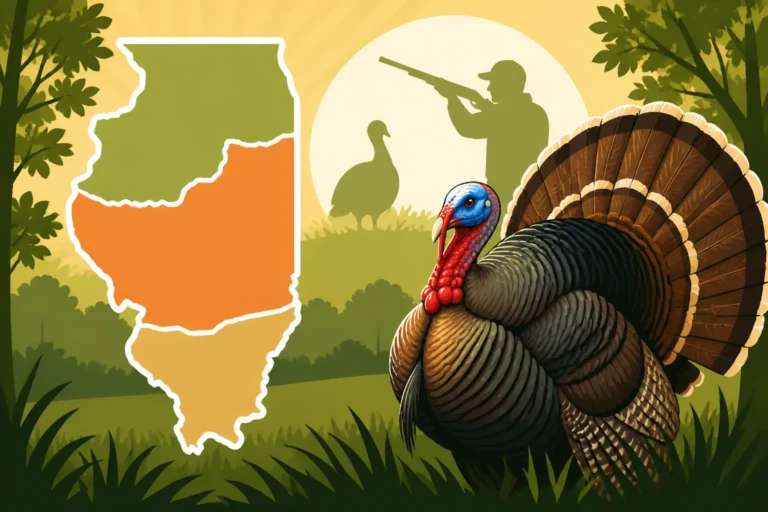
Just as with deer, Illinois provides a special opportunity for young turkey hunters with the Youth Spring Turkey Weekend. This season usually precedes the regular spring turkey periods in both the South and North Zones, offering an exclusive chance at a gobbler. Typically, it's a two or three-day weekend hunt, usually in late March or early April in the South Zone, and mid-April in the North Zone. Youth hunters (under 18 years of age) with a valid permit can harvest one bearded turkey during this window.
Hunting turkeys can be challenging, requiring patience, stealth, and good calling skills. The youth season allows mentors to focus entirely on guiding their young hunter without the pressure of their own tag. It's a fantastic environment for teaching crucial turkey hunting techniques like setting up against a tree, identifying gobblers, and using calls. The earlier dates can sometimes mean less foliage, making it easier to spot birds, and the weather can be milder. Securing a permit for the Illinois Youth Turkey Weekend Dates is essential and typically done via an over-the-counter purchase or a draw, depending on the zone and specific regulations for that year. Always check the most current Illinois Department of Natural Resources (IDNR) regulations for specific dates and application periods.
Other Youth-Specific Hunting Opportunities
While deer and turkey get the most attention for youth-specific seasons, Illinois occasionally offers or promotes other mentored youth hunting opportunities, especially for species like pheasants or waterfowl. These might not always be standalone "youth seasons" with dedicated dates but often fall under broader Illinois Mentored Youth Hunting Rules that allow younger, unlicensed individuals to hunt under strict adult supervision.
For instance, some public lands, like state fish and wildlife areas, might host special pheasant hunting days for youth. These events often involve stocked birds and are designed to provide a high-success, low-pressure environment. Waterfowl hunting can also be accessible to youth through mentored programs or in designated blind drawings where youth are prioritized. It's always a good idea to monitor the IDNR website or local conservation area announcements for these potential opportunities. Organizations like GoHunt are excellent resources for staying current on permit application deadlines and season dates across various states, including Illinois, helping you track these special windows when they arise. These events are priceless for introducing diverse hunting experiences and broadening a young hunter's skills beyond big game.
Navigating Permits, Regulations, and Planning
Successfully participating in Illinois's special youth hunt windows requires a clear understanding of the permit process, strict adherence to adult supervision rules, and careful planning. Don't let the paperwork deter you – it's all designed to ensure a safe and positive experience.
Securing Youth Permits
Obtaining the correct permits is the first critical step for any youth hunt. For youth deer and turkey seasons, permits are typically purchased over-the-counter or via a lottery application, depending on the specific season and location. These permits are usually species-specific and zone-specific. For example, a youth deer permit is distinct from a general firearm deer permit. You'll need to purchase a base hunting license first, which is a requirement for both the youth and the supervising adult. Information on Illinois Resident License Options or non-resident options is readily available through the IDNR.
The application periods for these permits are often well in advance of the hunt itself, so it’s crucial to stay informed. Websites like GoHunt provide excellent tools and calendars that track these important deadlines, ensuring you don't miss out. Some counties or specific public land sites might have limited youth permits, so applying early is often recommended. When applying, ensure all information, especially the youth's date of birth and hunter education number, is accurate to avoid any processing issues. Always keep a copy of the permit and license accessible during the hunt.
| Season | Typical Dates | Legal Weapons | Adult Supervision | Permit Type | Notes |
|---|---|---|---|---|---|
| Youth Deer Season | Mid-October (weekend) | Shotgun, Muzzleloader, Straight-Wall Rifle | Required | Either-sex | Before regular firearm season |
| Youth Spring Turkey | Late March – Mid-April | Shotgun, Archery | Required | Bearded Turkey Only | Before regular spring periods |
| Mentored Youth Hunting | Varies by species/location | Varies (e.g., Shotgun for Pheasant) | Required | No permit needed for youth, mentor must have one | No age limits for youth when mentored, no license needed for youth |
Adult Supervision Rules
The role of the supervising adult in an Illinois youth hunt cannot be overstated. State regulations are very clear: an adult at least 18 years of age, who holds a valid Illinois hunting license and a current FOID card, must accompany the youth hunter. This adult must be close enough to take immediate control of the hunting device (firearm or bow) and to provide direct, audible instructions. This isn't a passive role; the adult is actively coaching and monitoring the youth's actions at all times.
For firearm hunts, this means the adult needs to be within arm's reach. For archery hunts, they generally need to be close enough to ensure safety and provide instruction. The supervising adult cannot hunt at the same time during youth-specific seasons for the species the youth is pursuing. For instance, during the youth deer season, the adult cannot carry a deer permit and hunt alongside the youth. Their sole focus must be on the young hunter's experience and safety. These rules are in place to prevent accidents, ensure ethical hunting, and maximize the educational value of the experience. It's also vital that the supervising adult understands and enforces Illinois Blaze Orange Requirements during firearm seasons.
Planning Your Youth Hunt
Careful planning is the backbone of a successful and enjoyable youth hunt. Start by scouting potential hunting locations well in advance. This could involve using online maps, talking to local conservation officers, or physically walking public lands to identify deer trails, turkey roosts, and good cover. Websites and apps like GoHunt can be incredibly helpful for analyzing aerial photos, identifying property boundaries, and locating potential hotspots. Consider whether you'll be hunting public land or if you've secured permission for private land access. For tips on finding public land, refer to our guide on Scouting Illinois Public Land Before Season.
Equipment needs to be appropriate for the young hunter’s size and strength. A smaller, lighter shotgun or a low-recoil rifle is often best. Ensure the firearm fits them properly and they can handle it safely. Practice shooting at a range before the hunt to build confidence and proficiency. Don't forget essentials like warm clothing, rain gear, snacks, water, a first-aid kit, and a small pack. Most importantly, set realistic expectations. The goal isn't necessarily to harvest an animal on the first trip, but to foster an appreciation for the outdoors and the hunting experience itself. Focus on teaching woodsmanship, patience, and enjoying the solitude of nature.
Maximizing Success and Enjoyment for Young Hunters
The ultimate aim of any youth hunt is to create a positive, memorable experience that encourages a lifelong passion for the outdoors. Success isn't always measured in antlers or pounds of meat; it's often in the lessons learned and the bonds strengthened.
Choosing the Right Location
Selecting the right hunting spot can make a huge difference in a young hunter's experience. For youth deer hunts, consider areas with good deer numbers and relatively easy access. Overly rugged terrain or extremely thick cover might be too challenging for a beginner. Look for pinch points, field edges, or creek bottoms where deer naturally travel. If hunting public land, identify areas that might see less pressure, perhaps by walking a little further from parking areas. For turkey, areas with open timber and good roosting trees, especially near water sources, can be productive. Check out our guides on Hunting the Illinois River Valley or Hunting Central Illinois Farmland Deer for ideas on diverse Illinois landscapes.
Using a ground blind can be an excellent option for youth hunters. They provide warmth, comfort, and concealment, allowing the young hunter to move a bit without being detected. This can be especially helpful for restless kids. Our post on Using a Ground Blind on Illinois Public Land offers some great tips. If using a treestand, safety is paramount, and it should only be used if the youth is comfortable and properly secured with a full-body harness. For those with access to private land, food plots or known travel corridors can offer higher odds of success. Some state fish and wildlife areas manage specific youth hunts, which are often well-organized and have good success rates.
Emphasizing the Experience Over the Harvest
It’s easy for adults to get caught up in the harvest, but for a young hunter, the journey itself is far more important. Prioritize teaching them about the ecosystem, identifying different animal tracks, and listening to the sounds of the forest. Talk about why conservation is important and how hunting contributes to wildlife management. Teach them how to read the landscape and understand animal behavior. If you’re hunting during the rut in early November, explain what a scrape line is and why bucks use them.
Bring a camera to capture moments, even if no game is taken. Celebrate small victories, like successfully identifying a track or sitting still for an extended period. Pack fun snacks and be prepared for breaks. If the young hunter gets bored or cold, it’s okay to pack up early. The goal is to make them want to come back. A positive first experience, even without a harvest, can set the stage for a lifetime of ethical hunting and outdoor enjoyment. The most important thing is the quality time spent together and the shared connection with nature.
Disclaimer
The information provided in this guide is for general informational purposes only and does not constitute legal advice. Hunting regulations in Illinois are subject to change, and it is the responsibility of every hunter to consult the most current Illinois Department of Natural Resources (IDNR) regulations and local ordinances before engaging in any hunting activities. Always prioritize safety and ethical hunting practices.