Illinois Suburban Archery-Only Zones
It can feel incredibly frustrating to live in Illinois's bustling suburban areas, surrounded by green spaces, knowing deer are nearby, yet feeling completely shut off from hunting opportunities. The truth is, while the dense populations and safety concerns make traditional hunting methods impossible, the state offers unique "archery-only zones" specifically designed to address these challenges. This guide will meticulously explain what these zones are, how they operate, and, most importantly, how you can navigate the rules and find success in these often-overlooked hunting grounds.
Understanding Illinois's Suburban Archery-Only Zones
When we talk about hunting in Illinois, most people immediately think of vast cornfields, timbered river bottoms, or the sprawling Shawnee National Forest down south. But what about the areas closer to our towns and cities? The places where subdivisions back up to forest preserves, where large parks are nestled between developed areas, and where deer populations can still thrive, often to the point of becoming a nuisance. This is precisely where Illinois's suburban archery-only zones come into play, offering a critical solution to a growing wildlife management challenge.
Why Archery Zones Are Necessary Near Developed Areas
Deer, being adaptable creatures, have learned to live surprisingly well alongside humans. In many suburban areas across Illinois, you'll find healthy, and sometimes overpopulated, deer herds enjoying lush landscaping, abundant food sources, and reduced predator pressure. This can lead to a host of problems: increased deer-vehicle collisions, significant damage to residential gardens and agricultural crops on the urban fringe, and even concerns about the spread of diseases like Chronic Wasting Disease (CWD) within dense populations. Traditional firearm hunting, with its greater range and noise, simply isn't feasible or safe in these environments. Imagine the public outcry if shotguns were blasting near schools or shopping centers.
Enter the archery-only zone. These zones are established in partnership with local municipalities, park districts, forest preserves, and sometimes even large private landowners, providing a controlled and significantly quieter method for population management. Archery equipment, with its limited range and silent operation, allows for precise, ethical harvesting of deer in areas where other methods are too risky. It's a pragmatic solution that balances public safety with the ecological need to manage deer populations, all while providing a unique hunting opportunity that many don't even realize exists.
Distinguishing These Zones from General Archery Season
It's crucial to understand that hunting in an Illinois suburban archery-only zone is distinctly different from participating in the statewide archery season. While both use bows and crossbows, the suburban zones often come with their own set of hyper-specific rules, dates, and permit requirements that supersede general statewide regulations. You can't just apply your regular Illinois Resident Archery Deer Permit Cost to these special zones. Think of them as highly localized, managed hunts.
These zones are typically managed through special site permits or a lottery system, and access is strictly controlled. The focus is usually on antlerless deer harvest to control population growth, though some may allow for antlered deer harvest under specific conditions. The Illinois Department of Natural Resources (IDNR) works closely with local land managers, like the Forest Preserve Districts of Cook, DuPage, or Lake Counties, to tailor regulations that fit the unique needs and sensitivities of each specific area. This means that what's allowed in one suburban zone might be different in another, underscoring the need for meticulous research before you even consider heading out.
Navigating the Specific Rules and Regulations
Once you understand why these zones exist, the next hurdle is understanding how to legally and ethically hunt them. The rules for Illinois suburban archery-only zones can feel like a labyrinth compared to standard deer hunting regulations. They demand attention to detail and a commitment to following guidelines that often differ from what most hunters are used to.
Permit Requirements and Application Processes
Unlike the general archery season where you can purchase permits over-the-counter or online for specific counties, suburban archery-only zones often require specialized permits. These are frequently site-specific, meaning they are valid only for a particular forest preserve, park, or managed property.
The application process usually involves:
- Lottery or Drawing: Many popular suburban zones, especially those in highly sought-after forest preserves, allocate permits through a lottery system. This means you'll need to apply during a specific window, often months in advance, and hope your name is drawn. Websites like GoHunt can be excellent resources for tracking these application periods and odds.
- Special Qualification Hunts: Some programs might require hunters to pass a proficiency test with their archery equipment or demonstrate a certain level of experience. This is to ensure maximum safety and ethical harvesting in sensitive areas.
- Limited Availability: The number of permits issued is almost always extremely limited to control hunter density and minimize public impact. Don't expect to walk up and buy a permit the day before the season starts. Researching Illinois Site Permit Application Process can give you a general idea, but always check the specific site's rules.
It's crucial to check the specific land manager's website (e.g., individual county forest preserve districts) or the IDNR website for detailed information on how and when to apply for these unique permits. Misunderstanding these requirements could lead to a wasted trip or, worse, legal trouble.
Weapon Specifics and Safety Protocols
As the name implies, these are strictly "archery-only" zones. This means:
- Bows and Crossbows: Both traditional bows and Crossbow Rules During Illinois Archery Season are typically allowed, but always confirm the specific site's regulations. There might be minimum draw weight or maximum arrow length requirements, though these are less common for general suburban hunts.
- No Firearms: Under no circumstances are firearms permitted for deer hunting in these zones. This includes shotguns, muzzleloaders, and straight-wall cartridge rifles, which are otherwise legal for deer in Illinois's Illinois Deer Season Structure Explained.
- Blaze Orange: While blaze orange is often required during firearm seasons, many archery-only zones, particularly those with less public traffic, might not mandate it, or they might have specific rules for times when other activities (like hiking) are popular. However, wearing blaze orange or blaze pink is always a smart choice for safety, even if not required. Always verify the specific rules for your chosen zone regarding How Much Blaze Orange Illinois Requires.
- Ethical Shots: Given the proximity to residential areas and the scrutiny from non-hunting public, taking only ethical, high-probability shots is paramount. Broadhead selection for quick, clean kills is vital, and practicing at various ranges is a must.
Safety isn't just about weapon discharge; it's also about public perception. Being visibly discreet, respectful, and responsible is part of the "rules" of hunting in these sensitive areas.
Harvest Reporting and Carcass Movement
Harvest reporting in Illinois is mandatory for all deer. While the general process of Illinois Deer Reporting Requirements via phone or online is standard, some suburban zones might have additional site-specific check-in requirements or data collection. For instance, in areas grappling with CWD, there may be mandatory testing requirements.
Carcass movement can also be restricted, especially if you are hunting in one of Illinois's Chronic Wasting Disease Zone counties. If you harvest a deer in a CWD-affected suburban zone, you might be prohibited from transporting certain parts of the carcass out of that county or zone. This is a critical point to verify before you head out, as improper carcass handling could inadvertently spread the disease. Always have a plan for processing your deer in a compliant manner.
Key Areas and How to Access Them
Finding and gaining access to Illinois's suburban archery-only zones requires proactive research and persistence. These aren't typically "walk-up-and-hunt" areas; they are managed, often limited-access opportunities designed to meet specific local conservation goals.
Where to Look for Opportunities
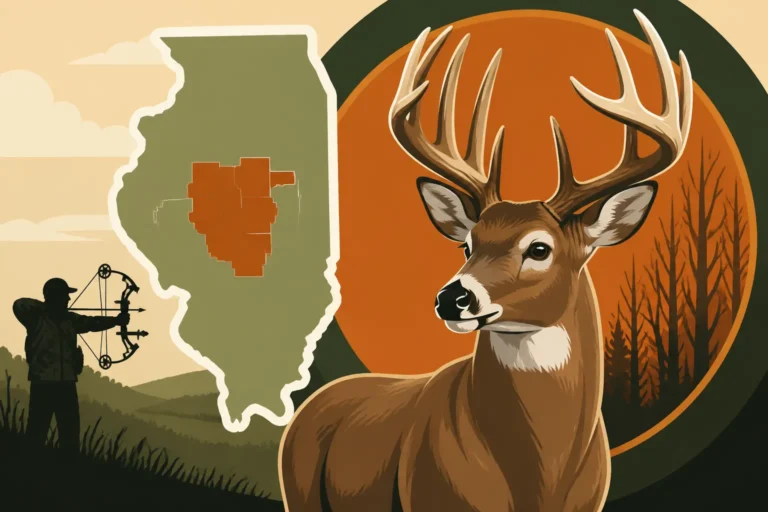
Suburban archery-only zones are most prevalent in the more populated northern and central parts of Illinois, especially around major metropolitan areas where human and deer populations frequently clash. Counties with large forest preserve districts are often prime candidates for these managed hunts.
Consider looking into opportunities in:
- Cook County Forest Preserves: The largest forest preserve district in the nation, Cook County has several properties that run managed deer hunts.
- DuPage County Forest Preserves: Known for robust conservation efforts, DuPage County often implements archery programs.
- Lake County Forest Preserves: Similar to DuPage, Lake County manages its deer population through controlled hunts.
- Will County Forest Preserves: Another area with significant suburban development and a need for deer management.
- Municipal Parks and Green Spaces: Smaller cities and towns might have their own programs in large park areas or greenbelts.
- Large Private Land Holdings: Sometimes, large landowners (e.g., universities, corporations with extensive undeveloped land, private conservation groups) will partner with the IDNR or local agencies to host managed hunts.
The best way to find these opportunities is not through a single statewide list but by actively researching the websites of individual county forest preserve districts, park systems, and the IDNR's "controlled hunts" or "site-specific regulations" sections. GoHunt is also a valuable tool here, as it often aggregates information on special hunts and application deadlines across different areas.
Gaining Access and Permission
Once you've identified a potential zone, gaining access is the next step. For public lands like forest preserves, this typically means successfully navigating the permit lottery system. These hunts are often highly coveted, so applying multiple times over several years might be necessary.
For private land opportunities within suburban zones, obtaining permission from the landowner is absolutely critical. Even if a property falls within a designated archery-only zone, you cannot hunt it without explicit, documented permission. This often involves:
- Direct Contact: Reaching out to landowners, building rapport, and explaining your intent.
- Joining a Program: Some private properties participate in organized deer management programs where hunters are selected and assigned specific areas.
- Understanding Illinois Trespass and Permission Law: It's vital to know your rights and responsibilities, especially when dealing with landowners who may be hesitant or unfamiliar with hunting. Always get permission in writing if possible.
Access to these areas often means becoming part of a smaller, dedicated group of hunters. Respecting the land, the rules, and the non-hunting public is paramount to maintaining these valuable opportunities.
Practical Tips for Hunting in Suburban Archery-Only Zones
Hunting in a suburban archery-only zone isn't just about drawing a tag; it's about a completely different approach to hunting. These environments present unique challenges and require a heightened sense of awareness and respect for both the deer and the human residents sharing the landscape.
Scouting and Understanding the Urban Deer
Deer in suburban areas behave differently than their rural counterparts. They are often more accustomed to human presence, traffic, and domestic sounds, but also incredibly wary of direct human interaction, especially after being pressured.
- Pre-Season Reconnaissance: Deep Scouting Illinois Public Land Before Season is even more critical here. Look for subtle travel corridors, bedding areas tucked into dense thickets or small woodlots, and feeding patterns influenced by manicured landscaping, small food plots, or even bird feeders.
- Utilize Technology: Aerial maps and satellite imagery (many available through services like GoHunt) are invaluable for identifying overlooked pockets of cover, pinch points, and entry/exit routes that minimize disturbance. Learning to read these maps for potential bedding and feeding areas is key, much like Reading Aerial Photos for Southern Illinois Deer.
- Observe During Off-Hours: Drive or walk the perimeters during early morning or late evening (where permitted) to observe deer movement patterns without disturbing the area you intend to hunt.
- Understanding Pressure: While these areas may not see typical rural hunting pressure, they do experience constant human activity from hikers, dog walkers, and general park users. Factor this into your stand placement and hunting times.
Stealth, Ethics, and Public Perception
In these sensitive areas, you are an ambassador for all hunters. Your actions directly impact how the non-hunting public perceives our sport.
- Minimize Your Footprint: Park legally and discreetly. Walk quietly and avoid making excessive noise. Try to enter and exit your stand before dawn and after dusk to avoid being seen by other park users.
- Scent Control: Deer in suburban areas are hyper-vigilant. Meticulous scent control is crucial to avoid alerting deer or leaving behind lingering human odors that could tip them off.
- Stand Placement: Opt for setups that are less visible from public trails or roads. Both Hanging a Stand on a Southern Illinois Ridge principles and effective Using a Ground Blind on Illinois Public Land strategies can be adapted, but remember to always check site-specific rules regarding stand types, placement, and whether stands need to be removed daily. Many public suburban zones have strict rules about leaving equipment overnight.
- Ethical Shots Only: This cannot be stressed enough. A wounded deer seen limping through a backyard by a non-hunter can cause significant negative backlash against hunting. Practice extensively, know your effective range, and only take clear, ethical shots.
- Deer Recovery: Have a solid plan for recovery. What happens if your deer crosses a property line where you don't have permission? Understanding Retrieving Game From Private Land in Illinois is absolutely critical, as this is a common issue in suburban hunts. Always respect property boundaries and be prepared to contact the landowner for permission to retrieve.
| Feature | Statewide Archery Season (General) | Suburban Archery-Only Zone (Specific) |
|---|---|---|
| Purpose | General deer harvest, recreation | Targeted population management |
| Permit Type | County-specific, OTC/online | Site-specific, lottery/drawing |
| Availability | Broad (most counties) | Limited (specific managed properties) |
| Weapon Allowed | Bows, Crossbows | Strictly Bows, Crossbows (no firearms) |
| Season Dates | Set statewide (Oct-Jan) | Often shorter, site-specific |
| Access | Public/Private land (with permission) | Controlled public land, specific private |
| Blaze Orange Requirement | Often optional for archery | Varies; check site rules |
| Public Interaction | Generally lower | High potential, requires discretion |
| CWD Testing | Mandatory in CWD counties | May have enhanced mandatory testing |
Remember, suburban archery-only zones offer a truly unique and challenging hunting experience. They demand a high level of skill, responsibility, and respect for both the wildlife and the community. By understanding the rules, diligently scouting, and practicing impeccable ethics, you can successfully participate in these important conservation efforts.
Disclaimer
Always consult the official Illinois Department of Natural Resources (IDNR) regulations and specific site rules for any public or private land you plan to hunt. Hunting laws and regulations can change, and it is the hunter's responsibility to stay informed and compliant.