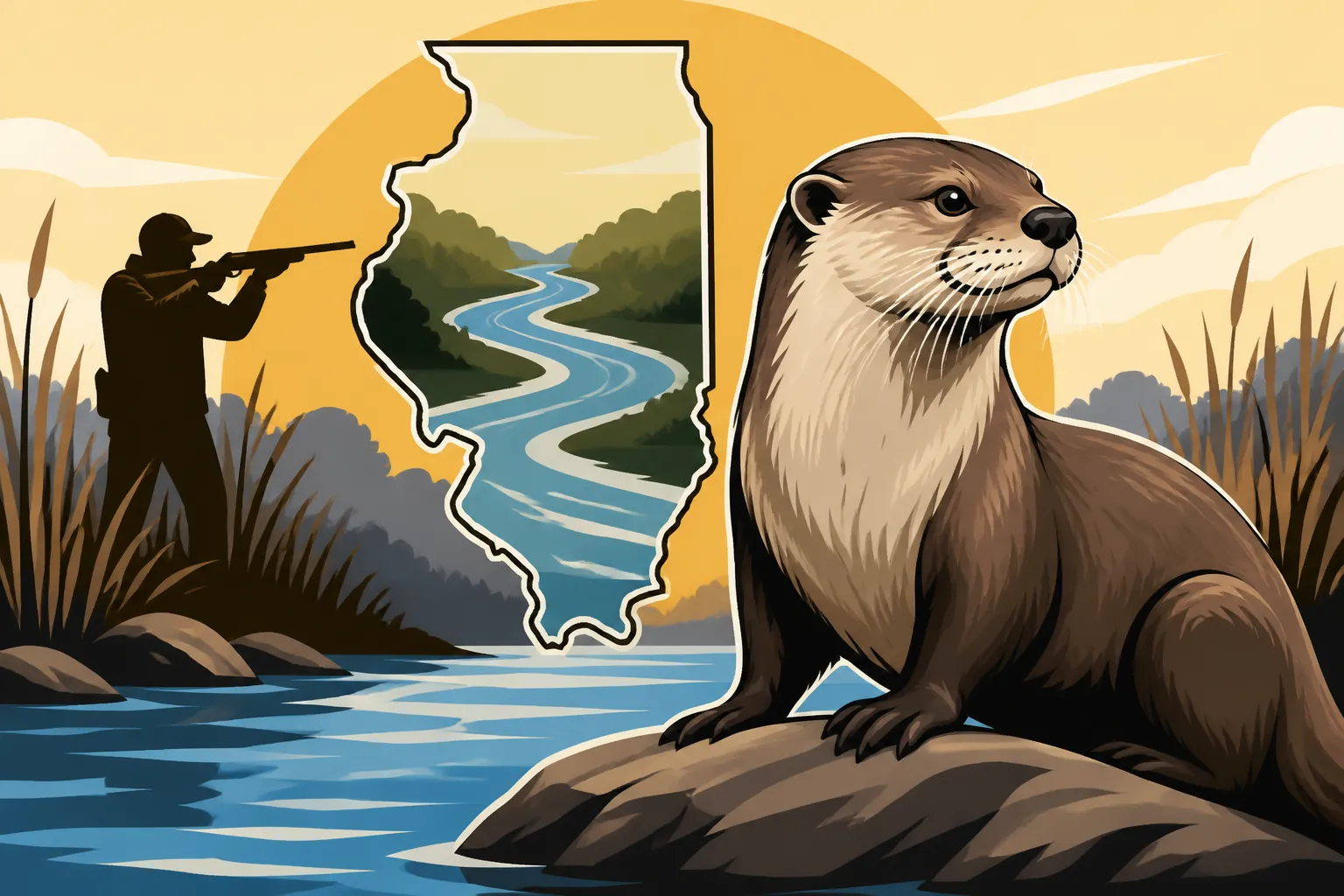
Illinois River Otter Recovery
It's disheartening to witness wildlife populations dwindle, especially when it feels like a species you once knew is slipping away. For many years, the river otter in Illinois seemed to be on that path, a fleeting glimpse in our waterways that became rarer and rarer. But sometimes, with dedicated conservation efforts, a real comeback story emerges, and that's exactly what happened with Illinois's playful, elusive river otters. This guide will take you through the incredible journey of their decline, the hard work that brought them back, and what their resurgence means for the health of our state's aquatic ecosystems.
The Vanishing Act: River Otter Decline in Illinois
For generations, the American river otter was a common sight in the rivers, streams, and wetlands of Illinois. These charismatic semi-aquatic mammals played a vital role in the ecosystem, and their presence was a sign of healthy waterways. However, by the mid-20th century, their numbers had plummeted to alarming lows, leaving many to wonder if they would ever return. It was a tough time for much of our wildlife, as rapid industrialization and changing land use took a heavy toll.
Historical Pressures and Habitat Loss
The primary culprits behind the river otter's decline were habitat destruction and degradation. As Illinois's population grew and agricultural practices intensified, wetlands were drained, rivers were channelized, and natural floodplains were converted. This meant less diverse habitat for otters to thrive in, reducing their food sources and safe denning sites. The very places they called home were altered beyond recognition.
Think about a small creek that once meandered through a patchwork of woods and marshes, offering plenty of cover, fish, and crayfish. Now imagine that creek straightened, dredged, and bordered by monoculture fields right up to the bank. The complex network of roots and logs that offered shelter is gone, the water quality might be compromised by runoff, and the diverse prey base is diminished. This scenario played out across countless miles of Illinois waterways, fragmenting otter populations and making it nearly impossible for them to recover naturally.
Unregulated Trapping and Water Pollution
While habitat loss was a major factor, historical trapping pressures also contributed significantly to the otter's initial decline. Before modern regulations, trapping for their valuable fur was largely unregulated, leading to overharvesting in many areas. While trapping itself isn't inherently bad when managed sustainably, uncontrolled exploitation can decimate populations quickly.
Adding to these woes was the increasing pollution of our waterways. Industrial waste, agricultural runoff, and untreated sewage from growing towns flowed into rivers and streams, poisoning the very environment otters depend on. Otters are sensitive to water quality, and declines in fish and amphibian populations due to pollution directly impacted their ability to find food and reproduce successfully. It was a multi-pronged assault on a species that simply couldn't withstand the pressure.
A Comeback Story: Reintroduction and Recovery Efforts
Thankfully, the story doesn't end with decline. In the late 1980s and early 1990s, the Illinois Department of Natural Resources (IDNR), recognizing the dire situation, launched an ambitious reintroduction program. This effort was a testament to what dedicated conservation can achieve when people come together for a common goal. It wasn't just about bringing back a single species; it was about restoring ecological balance to our rivers.
The Reintroduction Program's Strategy
The IDNR's reintroduction program focused on releasing otters into suitable habitats, primarily in the central and southern parts of the state where populations were either extinct or critically low. Otters were sourced from healthy populations in states like Louisiana, where they were abundant. The strategy involved careful site selection, ensuring that the chosen release areas had good water quality, ample food sources, and plenty of cover.
It wasn't a matter of just dropping them off and hoping for the best. Biologists monitored the released otters, tracking their movements and assessing their survival rates. This meticulous approach helped refine the reintroduction process and ensured the best chances of success. It really highlighted the importance of scientific planning in conservation, rather than just good intentions.
Monitoring and Management Through the Years
Once the reintroduction efforts concluded, the focus shifted to monitoring the newly established and growing populations. The IDNR implemented various methods to track the otters' spread and health, including visual surveys, track and scat analysis, and even telemetry studies on individual animals. These efforts helped determine the success of the program and guided ongoing management decisions.
For example, understanding "Illinois River Otter Trapping Trends" becomes vital as populations rebound. While otters are often celebrated, sustainable management sometimes involves regulated trapping seasons to prevent overpopulation in certain areas, much like how deer populations are managed. This isn't about eradicating them again, but about maintaining healthy numbers and preventing conflict with human interests, such as aquaculture operations. GoHunt and similar tools can sometimes help visualize areas with dense waterway networks, indicating potential habitats where populations might grow strong.
Why Otters Matter: Ecological Role and Indicators of Health
The recovery of the river otter is more than just a feel-good story; it represents a significant victory for environmental health in Illinois. Otters are considered an "umbrella species," meaning that protecting their habitat often benefits many other species that share the same environment. Their presence is a strong indicator that our waterways are getting cleaner and more vibrant.
Apex Predators in Aquatic Ecosystems
River otters sit near the top of the food chain in aquatic environments. They primarily feed on fish, but also consume crayfish, frogs, snakes, and even small birds and mammals. By preying on a variety of species, they help regulate populations and maintain balance within their ecosystem. Without such predators, certain prey species could become overabundant, leading to unhealthy competition for resources.
Imagine a small lake or pond teeming with common carp. An otter population can help keep those carp numbers in check, allowing other native fish species to thrive. Their hunting activities also help remove weak or diseased individuals from the prey population, contributing to the overall health of fish stocks. It's a natural form of pest control that benefits the entire aquatic community.
Indicators of Water Quality and Habitat Integrity
One of the most valuable roles otters play is as bioindicators. Because they depend on clean water and a diverse array of prey, their thriving presence is a direct reflection of a healthy aquatic environment. If otters are doing well, it suggests that the water quality is good, there's ample food, and the riparian habitat (the land along the riverbanks) is stable and provides necessary cover.
Conversely, a decline in otter populations could signal underlying environmental problems, such as pollution or habitat degradation, even before those issues become obvious to humans. They are, in essence, our furry little sentinels of the rivers. Their recovery suggests that efforts to clean up our rivers and restore wetlands, like those along the Illinois River Valley, have had a positive impact not just on otters, but on countless other species, including many "Illinois Waterfowl on the Mississippi Flyway."
River Otter Biology and Behavior: Understanding the Species
To truly appreciate the river otter's comeback, it helps to understand a bit about these fascinating creatures themselves. They are wonderfully adapted to their semi-aquatic lifestyle, possessing unique traits that allow them to thrive in Illinois's diverse waterways.
Adaptations for an Aquatic Life
River otters are built for the water. They have sleek, streamlined bodies, short powerful legs, and fully webbed feet, making them incredibly agile swimmers. Their dense, oily fur provides excellent insulation, keeping them warm even in icy waters. They can close their nostrils and ears underwater and hold their breath for several minutes, allowing them to hunt effectively beneath the surface.
Their long, muscular tails are not just for show; they act as rudders and propellers, providing balance and propulsion while swimming. On land, they move with an undulating gait, often sliding on their bellies through snow or mud, which saves energy and seems to be a source of great joy for them! These slides are a tell-tale sign of their presence, often seen along muddy banks leading into the water.
Social Structure and Denning Habits
While often seen alone, river otters are surprisingly social animals. They live in family groups consisting of a female and her pups, and sometimes an adult male. These groups communicate through a variety of chirps, whistles, and growls, and are often seen playing together, tumbling in the water or chasing each other along the banks. Their playful nature is one of their most endearing qualities.
For denning, otters are opportunists. They rarely dig their own dens from scratch, preferring to use abandoned burrows of other animals like beavers, muskrats, or even old log piles and rock crevices. These dens, often called "holts," usually have multiple entrances, some underwater, providing safety from predators and shelter from the elements. A good understanding of where otters might den can also inform discussions about "Illinois River Bottom Funnels" for other wildlife, as healthy habitat for one species often benefits many.
Coexisting with Otters: Management and Public Interaction
With the success of the river otter recovery, it's natural for their paths to cross with humans more frequently. Understanding how to coexist with these animals and the ongoing management efforts is crucial to ensure their continued success in Illinois.
Managing a Recovered Population
The IDNR continues to monitor the health and distribution of the otter population. As populations expanded and stabilized, a regulated trapping season was eventually re-established in Illinois, carefully managed to ensure sustainability. This might seem counterintuitive for a recovered species, but it's a tool used in wildlife management to maintain healthy population levels and provide opportunities for sustainable resource use, while preventing localized overpopulation issues.
| Otter Sign | Description | Best Place to Find It |
|---|---|---|
| Tracks | Five-toed, clawed, often webbed. Hind feet larger than front. | Soft mud along riverbanks, sandbars, snow |
| Slides | Smooth, worn paths on banks, often leading into water. | Steep, muddy banks; snow-covered hills near water |
| Scat (Spraints) | Dark, tar-like, often containing fish scales, bones, and crayfish parts. | Prominent rocks, logs, or stumps near water; sometimes dens |
| Food Remains | Fish carcasses, crayfish shells, frog legs. | Near feeding areas, on logs or rocks by the water's edge |
| Holts (Dens) | Entrances to burrows in banks, under roots, or in rock piles. | Undisturbed banks, dense riparian vegetation |
This table helps hunters, hikers, and wildlife enthusiasts identify signs of otter activity. Resources like GoHunt, with its detailed maps and aerial imagery, can be invaluable for identifying prime river corridors and potential habitat where these signs might be found, even if you're primarily using it to scout for other game.
Addressing Potential Conflicts
As otters return to more areas, occasional conflicts can arise, particularly with aquaculture operations where fish farms might lose stock to hungry otters. The IDNR works with landowners and fish farmers to implement deterrents and management strategies to minimize these issues. It’s a balance between protecting a thriving wildlife population and respecting private property and livelihoods.
For the general public, observing otters from a respectful distance is key. These are wild animals, and while they can be curious, disturbing them, especially during denning season, is detrimental to their well-being. Keeping dogs on leashes near waterways where otters are present is also a good practice to prevent conflicts.
Observing Illinois River Otters: Where and How to Spot Them
One of the greatest joys of a successful recovery story is the chance to witness it firsthand. Spotting a wild river otter in Illinois is a truly magical experience, and while they can be elusive, knowing where and how to look can increase your chances.
Prime Viewing Locations in Illinois
River otters can now be found in nearly every major watershed across Illinois, a remarkable testament to their recovery. However, some areas offer better viewing opportunities due to higher concentrations of otters and more accessible public lands. The larger river systems, particularly the Illinois River and its tributaries, as well as the Mississippi River backwaters, are excellent places to start.
Many of Illinois's Illinois State Fish and Wildlife Areas and National Wildlife Refuges, especially those with extensive wetland habitats, are prime locations. Areas like Emiquon Preserve, Chautauqua National Wildlife Refuge, and Rice Lake State Fish and Wildlife Area are known for their rich aquatic diversity, making them ideal otter habitat. Even smaller rivers and large creeks with good riparian cover can hold otters. Using mapping tools to identify complex river systems and associated wetlands can be a great way to start your search.
Tips for Successful Otter Spotting
Patience is perhaps the most important tool in your otter-spotting kit. They are often most active during dawn and dusk, though they can be seen at any time of day. Look for calm stretches of water, especially those with fallen trees, logjams, or dense bank vegetation that provide cover and denning opportunities. Otters often surface quietly, so keep a keen eye on the water for ripples or dark shapes.
Listen for their distinct chirps and whistles, especially if you think a group might be nearby. Look for signs of their presence, like the slides discussed earlier, or scat on prominent rocks. Bringing a good pair of binoculars will greatly enhance your viewing experience, allowing you to observe their playful antics without disturbing them. Remember, observing nature is about being a quiet, respectful visitor in their home. The chance to see these thriving animals is a direct result of diligent work and illustrates how valuable "Illinois River Otter Recovery" has been for our state.
Disclaimer
This article is for general informational purposes only and does not constitute professional advice. Laws, prices and regulations vary by location and change over time. Consult a qualified professional for guidance on your specific situation.