Illinois Deer Record Book
There's nothing quite like the dream of harvesting a truly magnificent whitetail, one that doesn't just fill your freezer but might also etch your name into the annals of hunting history. For many of us who hunt the rich landscapes of Illinois, the idea of a "record book buck" is a powerful motivator, a whisper of what's possible in a state known for producing some giants. But navigating the various record-keeping systems can feel a bit like reading ancient scrolls, leaving you wondering where to even begin. This guide is here to demystify the Illinois deer record book, helping you understand the different categories, the scoring process, and what it truly takes to get your buck recognized.
Understanding the Illinois Deer Record Books
When hunters talk about "the record book," they're often referring to a few different prestigious organizations, each with its own set of rules and criteria. It’s not just one big book; rather, it’s a collection of categories that recognize outstanding animals based on specific hunting methods and horn characteristics. Understanding these distinctions is the first step in knowing where your exceptional harvest might fit.
Boone and Crockett Club
The Boone and Crockett Club is arguably the most recognized and revered record-keeping body for North American big game. Founded by Theodore Roosevelt in 1887, it’s dedicated to fair chase hunting and the conservation of wildlife. For deer, a Boone and Crockett entry signifies an animal of truly exceptional antler size, reflecting a combination of genetics, age, and habitat quality. Their scoring system is intricate, measuring various dimensions of the antlers, including beam length, circumference, and tine length.
To even be considered for the Boone and Crockett record book, a deer must meet a high minimum score, which can be a significant challenge for any hunter. The scores are "net," meaning deductions are made for any asymmetry between the two sides of the antlers, penalizing imperfections and rewarding symmetry. This is why you'll often hear hunters discuss "gross" versus "net" scores, with the net score being the official entry. Entering an animal into B&C is a rigorous process, requiring a certified measurer and a 60-day drying period for the antlers to stabilize before official measurement. It's a testament to the animal's life and the hunter's skill, a true benchmark for trophy hunting.
Pope and Young Club
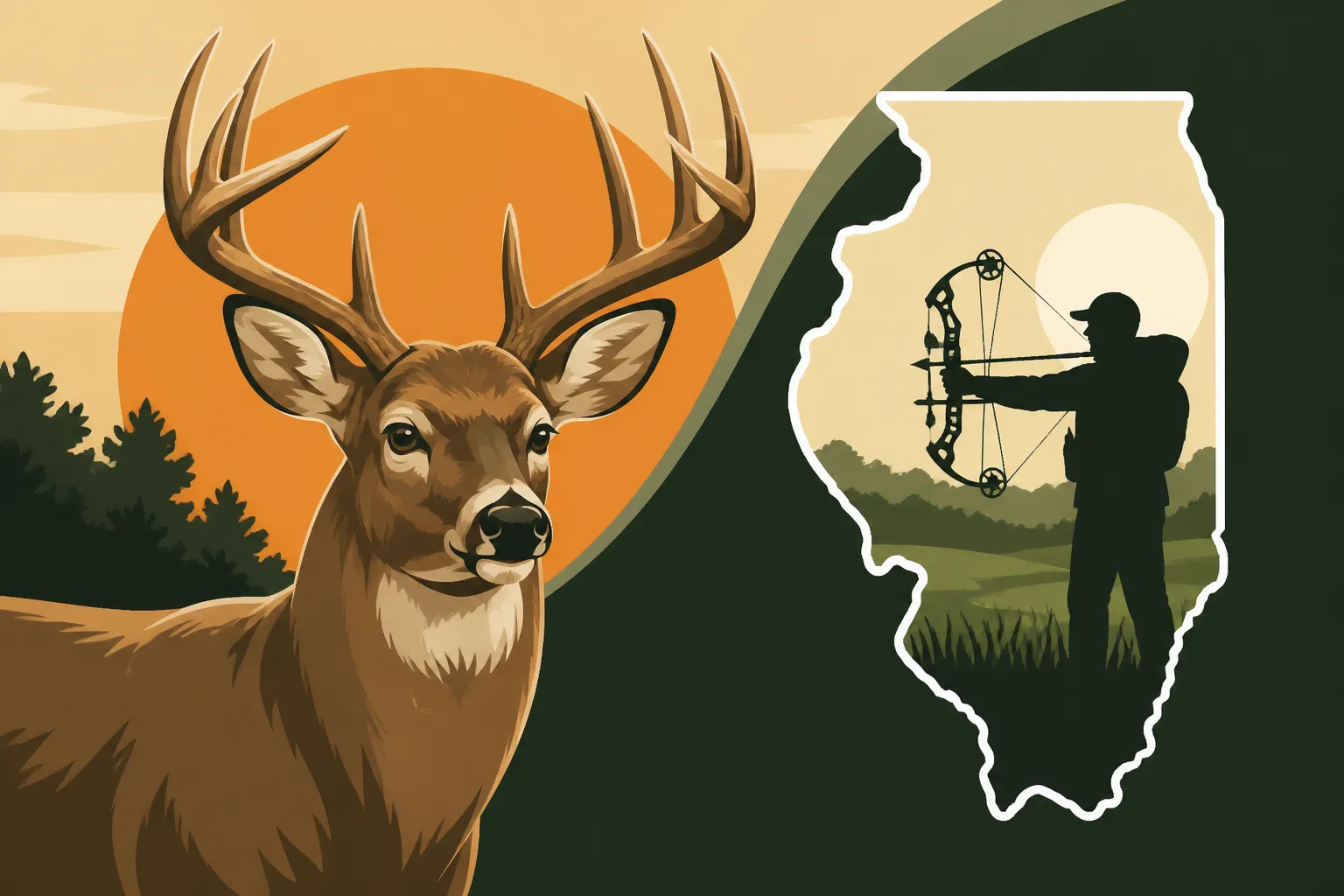
If your passion lies with archery hunting, then the Pope and Young Club is likely the "record book" you aspire to. This organization is specifically dedicated to promoting bowhunting and maintaining records for animals taken with archery equipment under strict fair chase principles. Essentially, Pope and Young is the archery equivalent of Boone and Crockett, applying a very similar scoring system to measure antler size. The main difference lies in the minimum score requirements, which are generally a bit lower for Pope and Young entries compared to Boone and Crockett, acknowledging the added challenge of harvesting a trophy animal with a bow.
The scoring methodology for Pope and Young involves the same detailed measurements of beam length, circumference, and tine length, with deductions for asymmetry, just like Boone and Crockett. This ensures a consistent and fair comparison across all entries. For the dedicated bowhunter, getting a buck into the Pope and Young record book is a monumental achievement, representing countless hours in the woods, honing archery skills, and understanding deer movement. It speaks to the ethical pursuit of game with a bow and arrow, a challenging and deeply rewarding endeavor.
Illinois Big Buck Recognition Program
Beyond the national record books, Illinois has its own system for recognizing impressive whitetails harvested within the state: the Illinois Big Buck Recognition Program. This program is designed to celebrate the quality deer that Illinois consistently produces, often featuring animals that might not quite meet the stringent national minimums but are still exceptional trophies for the state. It's a fantastic way to acknowledge the hard work of Illinois hunters and the health of our deer herd, without the intense competition of the national clubs.
The Illinois Big Buck Recognition Program typically has slightly more accessible minimum score requirements than Boone and Crockett or Pope and Young, making it a more attainable goal for many hunters. It provides a platform for hunters to have their remarkable deer recognized at a state level, fostering pride in Illinois's hunting heritage. The program helps showcase the diversity of big bucks harvested across the state, from the farmlands of central Illinois to the rugged hills of the south. It’s a great way for hunters to celebrate their success and contribute to the ongoing data that demonstrates Illinois's reputation as a premier destination for whitetail deer.
The Scoring Process: What You Need to Know
Scoring a deer can seem intimidating with all the talk of deductions and half-inches, but at its heart, it's a systematic way to measure the size and symmetry of a buck's antlers. While you don't need to be a certified scorer yourself to appreciate the nuances, understanding the basics will give you a much deeper appreciation for what goes into a record book entry. It also helps you identify a potential trophy in the field or understand why a buck you thought was huge might not score as high as expected.
Understanding the Basics of Scoring
At the core of antler scoring for most recognized record books, you'll encounter two main types of scores: gross and net. The gross score is the sum of all individual measurements without any deductions for asymmetry. It's the "raw" score, reflecting the total amount of bone on the buck's head. The net score, on the other hand, is what truly matters for entry into Boone and Crockett or Pope and Young. This is the gross score minus any deductions for non-symmetrical points, length discrepancies between corresponding tines, and differences in circumference measurements. It rewards balance and uniformity, which is why a perfectly symmetrical buck might score higher than a non-symmetrical buck with even more total antler mass.
Beyond gross and net, you'll also hear about typical and non-typical categories. A typical rack is one where the antlers grow in a generally symmetrical, conventional pattern, with tines originating from the main beam in a standard fashion. Any abnormal points (such as drop tines, kickers, or points originating from other tines) are penalized or relegated to the non-typical category. Non-typical antlers are those with significant abnormal points, and these abnormal points are actually added to the score, rather than deducted. The scoring system is designed to reward the unique character of non-typical racks while still acknowledging the classic beauty of typical racks. It's a complex dance of measurements, but each aspect – main beam length, spread, length of all normal tines (G1, G2, etc.), and circumferences (H1, H2, etc.) – contributes to the final number.
Getting Your Buck Scored
So, you've harvested a buck that you believe might qualify. What's next? The first crucial step after a successful hunt is proper care of the trophy. You'll need to cape out the deer carefully to preserve the skull plate, which is where the antlers are attached. Once you have the skull plate, the antlers must undergo a mandatory 60-day drying period. This allows the antlers to stabilize and lose any moisture content, ensuring that the measurement is accurate and final. Attempting to score antlers before this drying period can lead to discrepancies and potential disqualification later on.
After the drying period, you’ll need to find a certified measurer. These individuals have undergone training and are officially recognized by organizations like the Boone and Crockett Club or Pope and Young Club to accurately score antlers according to their precise rules. You can usually find a list of certified measurers on the respective organization's websites, or sometimes through your state wildlife agency like the Illinois Department of Natural Resources (IDNR). Don't just take your buck to any taxidermist to be "rough scored" if you're serious about a record book entry. A certified measurer will take their time, meticulously measure every aspect, and fill out the detailed scoring sheet, ensuring everything is done by the book. They’ll usually charge a small fee for their services, but it’s well worth it for the peace of mind and accuracy.
How Illinois Stacks Up: A Look at the Records
Illinois has long been recognized as a powerhouse for producing trophy whitetails, and the record books certainly reflect this. Our combination of fertile agricultural lands, dense timber pockets, and good deer management practices has created an environment where bucks can reach their full potential. It's why hunters travel from all over to experience Illinois's Two Firearm Deer Seasons or the extensive Bowhunting Illinois's Long Archery Season.
Illinois Boone and Crockett Whitetails
Illinois holds a truly impressive number of entries in the Boone and Crockett record book, cementing its reputation as a top-tier whitetail state. Hunters frequently harvest bucks that exceed the minimum scores, both typical and non-typical. While big deer can turn up anywhere, certain regions of the state are particularly famous for their trophy potential. West-central Illinois, for example, especially counties like Pike and Adams, are legendary. These areas consistently produce giants, often due to a perfect storm of nutrient-rich soils, mature timber, and managed hunting pressure. If you've ever wondered Why Pike County Produces So Many Trophy Bucks, it's because of these factors, combined with passionate landowners and hunters who understand the importance of herd health and age structure.
The sheer volume of trophy bucks harvested in Illinois each year is a testament to the state's incredible whitetail population and the dedication of its hunters. We see entries not just from the traditional big buck meccas but from unexpected corners too, showcasing that opportunity can exist almost anywhere there's good cover and food. Studying the Illinois Deer Harvest Records reveals a consistent trend of quality, year after year. It's this sustained success that keeps hunters coming back, hoping to encounter one of these elusive giants. It's not just about luck; it's about understanding deer behavior, knowing your hunting grounds, and putting in the time.
Your Chances of Getting into the Book
Let's be realistic: getting a buck into a national record book like Boone and Crockett or Pope and Young is an exceptional achievement, not an everyday occurrence. These are truly rare animals, often older, genetically gifted, and living in prime habitat. However, that doesn't mean it's an impossible dream. Your chances are significantly increased by hunting areas known for producing larger deer, understanding deer behavior during key times like Hunting the Rut in Early November, and putting in diligent scouting efforts. Using tools like GoHunt can help you analyze habitat, identify potential bedding and feeding areas, and understand pressure points on public land, increasing your odds of encountering an older-age-class buck.
While you might not harvest a record book buck every season (or even in your lifetime), focusing on habitat, herd management, and ethical hunting practices can certainly improve your odds. Spending time in the field, whether it's Scouting Illinois Public Land Before Season or simply observing deer throughout the year, gives you invaluable insights. Remember, the goal of hunting isn't solely about the score; it's about the experience, the challenge, and the connection to nature. But if you put in the work and luck smiles on you, an Illinois giant might just make it into the books.
Beyond the Score: The Real Value of Your Hunt
While the allure of an Illinois deer record book entry is undeniable, it’s important to remember that the true measure of a hunt often goes far beyond a number on a score sheet. For most hunters, the joy and satisfaction come from the process, the experience, and the memories forged, regardless of whether the antlers meet specific minimums.
Celebrating the Experience
Think about it: the crunch of frosted leaves underfoot at dawn, the crisp autumn air filling your lungs, the sudden appearance of a majestic buck in your sights. These are the moments we cherish, the stories we tell around the campfire or share with family. Whether that buck grosses 170 inches or 120, the adrenaline, the challenge, and the sheer satisfaction of a successful hunt remain. Getting a deer, especially one that truly tests your skills, is a celebration in itself. It's about respecting the animal, understanding its habitat, and applying your woodcraft.
The camaraderie shared in Illinois Deer Camp Traditions with friends and family, the quiet solitude of a morning sit, the satisfaction of filling your freezer with healthy venison — these are the core values of hunting. A record book entry is a fantastic bonus, a cherry on top of an already rich and fulfilling experience. It recognizes an exceptional animal, yes, but it doesn't diminish the value of any buck you've worked hard for and harvested ethically. Every deer taken is an accomplishment, a connection to the wild, and a memory worth savoring.
Preserving Your Trophy
Regardless of whether your buck makes a record book, you'll likely want to preserve the memory of an animal you worked hard to harvest. The antlers themselves are a beautiful memento, a unique sculpture of bone that tells a story. Many hunters choose to get a traditional shoulder mount, which vividly brings the animal back to life and can be a stunning piece of art in your home or cabin. This is often the pinnacle of taxidermy, capturing the buck’s essence and power.
For those who prefer a more minimalist approach, a European mount is another popular option. This involves cleaning the skull and leaving only the bleached bone and antlers, which can be elegantly displayed. It's a clean, classic look that highlights the antlers without the full taxidermy mount. Whatever you choose, proper care of the head and antlers immediately after harvest is essential to ensure they can be preserved beautifully. This might include careful caping and ensuring the skull plate is kept clean and dry, especially if you harvested it in cold weather and need to take it to a taxidermist later. Always consult with your chosen taxidermist for specific instructions on how to best prepare your trophy for their work, as their guidance can ensure your prized antlers are preserved perfectly for years to come.
| Record Book/Program | Target Hunter | Weapon Type | Minimum Score (Typical) | Minimum Score (Non-Typical) | Key Characteristic |
|---|---|---|---|---|---|
| Boone and Crockett Club | All Hunters | Any Legal Weapon | High | Very High | National, net score, fair chase |
| Pope and Young Club | Archery Hunters | Archery Only | Moderate | High | National, net score, fair chase |
| Illinois Big Buck Recognition Program | Illinois Hunters | Any Legal Weapon | Lower | Moderate | State-specific, often gross score |
Disclaimer
This article is for general informational purposes only and does not constitute professional advice. Laws, prices and regulations vary by location and change over time. Consult a qualified professional for guidance on your specific situation.