Which Illinois Counties Have the Most Hogs
It’s a frustrating reality for many landowners and hunters across Illinois: the destructive presence of feral hogs. These invasive animals wreak havoc on crops, natural habitats, and even spread disease, making them a serious nuisance. If you're wondering where these elusive creatures are most concentrated in the Prairie State, this comprehensive guide will help pinpoint the counties facing the biggest challenges and offer insights into why they thrive there.
Understanding the Feral Hog Problem in Illinois
Feral hogs aren't just a pest; they're an environmental and agricultural nightmare. They reproduce at an alarming rate, are incredibly intelligent, and can be extremely difficult to control once established. For anyone who spends time outdoors, encountering the damage they leave behind is a stark reminder of their destructive power.
Why Feral Hogs are a Concern
Farmers often bear the brunt of feral hog activity, seeing their fields of corn, soybeans, and other crops rooted up and destroyed overnight. Imagine waking up to find an entire section of your hard work decimated, leading to significant financial losses. But it’s not just agricultural damage. These hogs also tear up forest floors, contaminate water sources, and outcompete native wildlife for food, disrupting fragile ecosystems. Their constant rooting and wallowing turn productive land into a muddy, barren wasteland, impacting everything from small game populations to the delicate balance of plant life. They're also known carriers of diseases that can affect livestock and even humans, adding another layer of concern for rural communities. The sheer scope of their destruction is enough to make any landowner or conservationist sigh in exasperation.
Beyond the immediate damage, the long-term ecological impact is staggering. When hogs churn up the soil, they often spread invasive plant species by carrying seeds on their coats or in their digestive tracts, further degrading native habitats. They also prey on ground-nesting birds, fawns, and other vulnerable young animals, putting additional pressure on already struggling populations. The continuous cycle of destruction makes it incredibly difficult for areas to recover naturally, often requiring extensive and costly restoration efforts. Hunters who venture into these affected zones can attest to the stark difference in the landscape, feeling the profound frustration of seeing once pristine areas transformed by these destructive animals.
How Hogs Became Established in Illinois
The story of how feral hogs came to be a problem in Illinois is a complex one, largely rooted in human actions. For decades, some individuals imported European wild boars or domestic swine for hunting preserves or to breed with domestic pigs, often leading to escapes. These escapees, often already carrying wild genes, quickly adapted to the Illinois landscape. Their incredible reproductive capacity—a sow can have two litters a year, with 4-10 piglets per litter—means that even a small founding population can explode in numbers within a few short years.
Adding to this internal spread, Illinois has also seen hogs migrate from neighboring states, particularly Missouri and Kentucky, where populations are well-established. Rivers like the Mississippi and Ohio serve as natural corridors, with hogs swimming across or traversing frozen waterways to expand their range. Once they establish a small foothold in an area with adequate food and cover, they can rapidly colonize new territories. The lack of natural predators large enough to control their numbers, combined with their intelligence and adaptability, has allowed them to thrive, turning what might have been isolated incidents into a persistent, widespread issue. It's a classic example of unintended consequences, where a seemingly minor action or two leads to a major ecological headache down the line.
Pinpointing Illinois's Feral Hog Hotbeds
While feral hogs can pop up almost anywhere, their concentrations are far from random. Certain regions and counties offer the perfect storm of habitat, isolation, and historic presence for these destructive animals to truly flourish. Understanding these strongholds is key for anyone looking to help mitigate the problem or simply avoid the areas hardest hit by their damage.
The Southern Illinois Stronghold
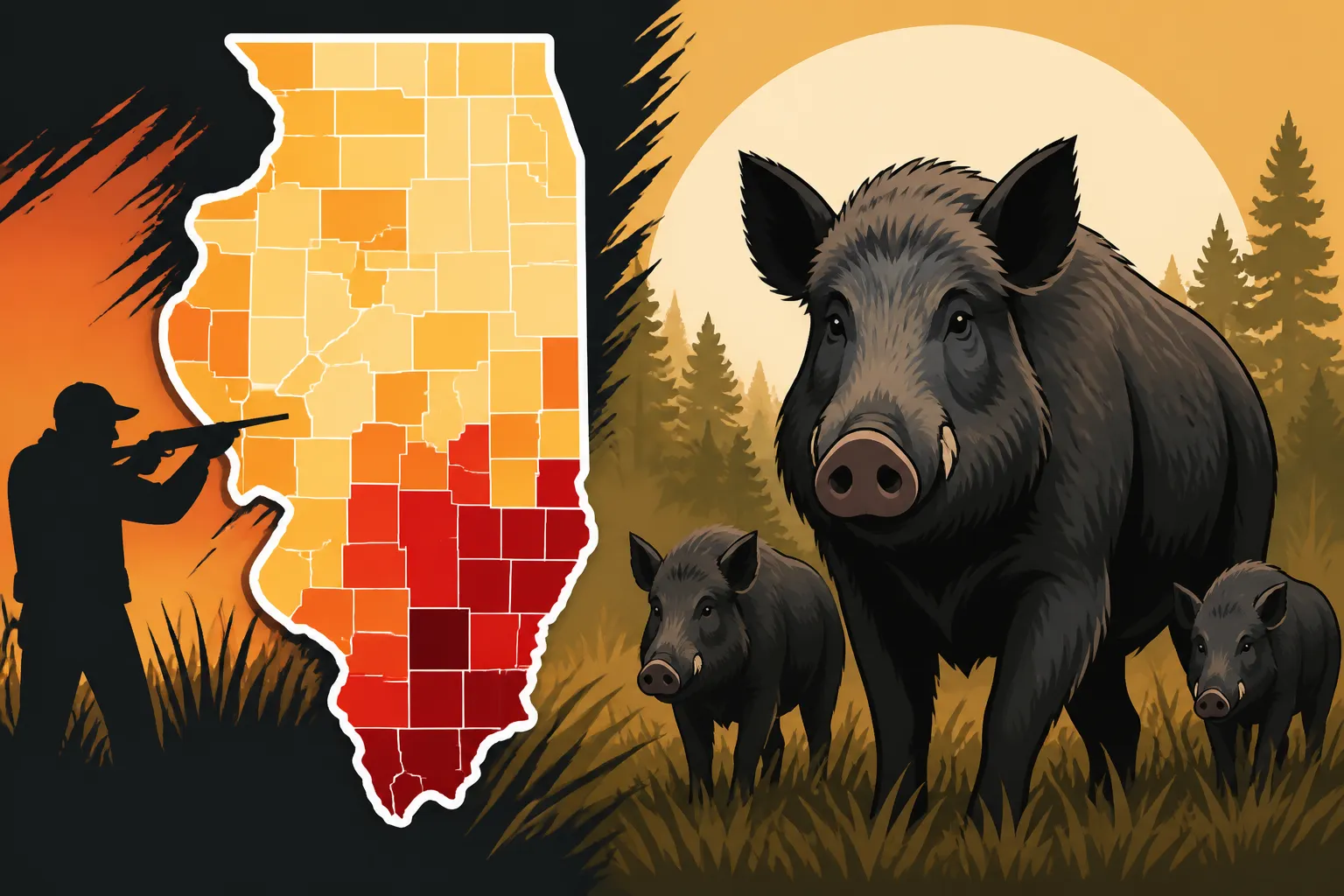
When you talk about feral hogs in Illinois, the conversation almost always shifts south. Southern Illinois is unequivocally the stronghold for these animals, with several counties consistently reporting the highest activity. Counties like Alexander, Union, Jackson, Williamson, Saline, Hardin, Pope, and Gallatin are often cited as the primary battlegrounds. Why here? The landscape itself provides the perfect conditions. This region is characterized by extensive, rugged timberland, dense river bottoms, and the sprawling Shawnee National Forest Hunting area, offering countless acres of thick cover, abundant water sources, and isolated pockets where hogs can breed and expand largely undisturbed.
The Mississippi and Ohio River bottoms are particularly notorious. These areas provide incredible amounts of forage, from acorns in the bottomland hardwoods to roots and tubers in the swampy sections. The dense canebrakes and thick undergrowth along these river systems offer impenetrable bedding areas, making it incredibly difficult for hunters or trappers to access them. Furthermore, the interspersed agricultural fields provide a readily available buffet of high-energy food, drawing hogs out of the timber under the cover of darkness. This combination of dense cover, reliable water, ample food, and relatively low human disturbance in their core bedding areas creates an ideal environment for feral hog populations to thrive, leading to the Feral Swine Sightings in Southern Illinois being far more frequent and established than anywhere else in the state.
Other Documented Concentrations and Sporadic Sightings
While southern Illinois is the undisputed epicenter, it would be a mistake to assume hogs are only there. Over the years, there have been documented sightings and even localized populations in other parts of the state. These typically occur in areas with similar habitat features: dense timber, river systems, and close proximity to agricultural lands. For instance, areas along the Illinois River valley, particularly in its southern reaches, have occasionally reported hog activity. These populations are often more transient and less established, but they underscore the adaptability of these animals.
Sometimes, isolated hogs or small sounders can appear seemingly out of nowhere, often due to accidental releases, escapes, or individual animals venturing far from established populations. These sporadic sightings are harder to predict and track. Tools like GoHunt with their detailed mapping and public land layers can be invaluable for hunters and landowners trying to understand reported sightings and scout potential new areas. While not a consistent problem across central and northern Illinois, vigilance is always necessary, and reports of new sightings are taken seriously by wildlife agencies to prevent new strongholds from forming. It highlights the importance of understanding not just where the hogs are, but also where they could be if conditions allow.
Factors Influencing Hog Distribution
The movement and concentration of feral hogs are not random acts of nature. They are heavily influenced by specific environmental factors that provide ideal living conditions, as well as by the direct and indirect actions of humans, including management efforts and land use. Understanding these influences can help predict where hogs might appear next or why they've chosen a particular area to call home.
Habitat Preferences and Food Sources
Feral hogs are incredibly opportunistic and adaptable, but they certainly have their preferred hangouts. Their ideal habitat is a mix of dense cover and diverse food sources, often found near water. Think deep, tangled timber, vast tracts of swamps, brushy river bottoms, and extensive sloughs. These areas offer security from both predators and human disturbance, providing excellent bedding cover where a sounder can escape the heat of summer or the biting winds of winter. They also prefer areas with consistent access to water for drinking and wallowing, which is essential for cooling down and caking mud on their bodies to deter parasites.
When it comes to food, feral hogs are the ultimate omnivores. Their diet is incredibly varied, including acorns, roots, tubers, mushrooms, berries, insects, snakes, eggs, and even small mammals. This is where agricultural lands come into play significantly. Fields of corn, soybeans, and peanuts are irresistible food magnets, providing a high-calorie, easily accessible meal. Hogs will often bed deep within dense cover during the day and venture out into crop fields at night to feed. This pattern of utilizing both dense natural cover and adjacent cultivated fields is a key reason why certain counties, particularly those with a mosaic of forest and agriculture, become hog hotbeds. Knowing their dietary preferences can guide hunters to the best places to look for signs, whether it's rooted-up soil in a timber block or damaged rows in a standing crop.
Human Influence and Management Efforts
Human activity, both intentional and unintentional, plays a massive role in shaping feral hog distribution. Historically, the intentional release of wild boars for hunting purposes, or simply the escape of domestic swine, were primary contributors to their initial establishment and spread. Once established, the lack of widespread, coordinated management across all land types allowed their populations to grow unchecked for too long. For example, some landowners might tolerate a small hog population for hunting, inadvertently contributing to the problem on a larger scale. This often leads to Illinois's Year-Round Hog Rule on Private Land because aggressive eradication is deemed necessary.
Today, management efforts are primarily focused on control and eradication, especially by the Illinois Department of Natural Resources (IDNR) and USDA Wildlife Services. This often involves trapping operations, aerial gunning in certain areas, and encouraging landowners to participate in control programs. However, the sheer size of the problem and the limited resources mean that these efforts are often reactive rather than truly preventative across the entire state. The private land aspect is particularly challenging; while hunters can play a crucial role, Getting Private Land Permission in Illinois can be tough, and consistent pressure across all properties is difficult to achieve. The patchwork of land ownership means that even if one landowner is aggressively managing hogs, their neighbor might not be, allowing populations to persist and re-establish themselves. This highlights why a concerted, community-wide effort is so vital for effective long-term control.
Hunting Strategies for Hog-Infested Counties
Taking on feral hogs in Illinois requires a specific approach. They're intelligent, often nocturnal, and incredibly wary, especially in areas with hunting pressure. But for hunters willing to put in the work, these animals offer a unique challenge and an opportunity to contribute to wildlife management. Just remember, the goal here isn't just a trophy; it's population control.
Scouting and Locating Hogs
You can't hunt what you can't find, and with feral hogs, that's often half the battle. Successful hog hunting starts long before you ever step foot in the woods with a weapon. Scouting for sign is paramount. Look for evidence of their destructive feeding habits: rooted-up soil that looks like a tiller went through it, often called "hog rooting." This can be found in timber, fields, and even lawns. Wallows—muddy depressions where hogs roll to cool down and deter parasites—are also dead giveaways, usually near water sources like creeks or ponds. You might also find rubs on trees or posts where they scratch themselves, and of course, tracks and scat.
Trail cameras are your best friends for understanding hog movement patterns. Set them up near wallows, rooting areas, travel corridors, or pinch points where hogs funnel through. Pay close attention to time stamps, as hogs in pressured areas are predominantly nocturnal. Using detailed aerial maps, like those available through GoHunt, can help you identify these natural funnels, thick bedding areas, and potential food sources from above, giving you a serious edge in your scouting efforts. Identifying these key locations during the off-season or even just before your hunt will dramatically increase your chances of an encounter, helping you plan your entry and exit routes without alerting these smart animals.
Effective Hunting Methods
Once you've located some hog activity, choosing the right hunting method depends on the terrain, time of day, and specific regulations. One of the most common and effective approaches in Illinois is spot-and-stalk, particularly in timbered areas where you can slowly creep through the woods, using the wind to your advantage. Hogs have an incredible sense of smell and hearing, so staying downwind and moving quietly is crucial. This method works well during daylight hours if you can find them moving between bedding and feeding areas, or sometimes in the early morning or late evening.
Another popular method, especially for those who've identified consistent feeding patterns, is stand hunting. Setting up in a treestand or ground blind overlooking a known travel corridor, a fresh rooting area, or a field edge can be very productive. This is particularly effective if you’re trying to catch them at dawn or dusk when they might be moving in or out of cover. For those targeting hogs on private land, especially in the thickest cover, night hunting with thermal optics has become incredibly popular and effective. The state allows Night Hunting Hogs With Lights on Private Land and thermal scopes, which can be a game-changer for spotting these mostly nocturnal animals in the dark. Utilizing these tools allows hunters to see hogs even in dense brush, greatly improving success rates in challenging environments.
Legalities and Regulations for Hunting Feral Hogs
Illinois has a very specific stance on feral hogs, and it’s important for hunters to be aware of the rules. Feral swine are considered an invasive, non-native species, which means they are not protected game animals. This status allows for year-round hunting with no bag limit, making them a prime target for continuous removal efforts. This can be a boon for hunters looking for an extended season or just to contribute to conservation.
However, there are still crucial regulations to follow. First and foremost, you must have a valid Illinois hunting license (or be exempt, such as a landowner hunting on their own property). While you don't need a specific hog permit, this base license is non-negotiable. Remember, feral hogs are often found in areas frequented by deer and other game, so understanding Illinois Hunting Licenses and What They Cost is always the starting point. Additionally, if you are hunting on private land, you absolutely must have landowner permission, preferably in writing, to avoid any trespass issues. On public lands, always check specific site regulations, as some sites may have additional restrictions or may not permit hog hunting. Lastly, when using certain equipment like thermal imaging or night vision, ensure you are in full compliance with all state and local laws, as these technologies can have specific rules attached to their use, particularly concerning public land or proximity to roadways. Always verify the latest regulations before you head out, as rules can occasionally change.
The Future of Feral Hogs in Illinois
The ongoing battle against feral hogs in Illinois is a testament to the resilience of these animals and the persistent efforts of wildlife managers and concerned citizens. There's no quick fix, but a combination of sustained effort and hunter participation offers the best hope for minimizing their destructive impact across the state.
Ongoing Monitoring and Control
The Illinois Department of Natural Resources (IDNR) and partners like USDA Wildlife Services continue to actively monitor and implement control measures for feral hogs. This involves tracking reported sightings, investigating areas of confirmed activity, and deploying targeted trapping and removal operations. The strategy often involves "Judas animals"—hogs fitted with GPS collars that lead trackers to their sounders for removal—and extensive trapping using large corral traps that can capture multiple hogs at once. These efforts are often focused on complete sounder removal, as leaving even a few hogs behind can quickly lead to population resurgence. However, the sheer size of some of the state's natural areas, particularly within the Shawnee National Forest Hunting, makes comprehensive eradication a monumental task.
Landowner participation is absolutely critical to the success of these control efforts. When a landowner reports sightings, allows trapping on their property, or actively hunts hogs, they become a vital part of the solution. Education and outreach programs aim to inform the public about the dangers of feral hogs and encourage reporting. It’s a continuous, often uphill battle, requiring sustained funding, interagency cooperation, and the vigilance of everyone who cherishes Illinois’s natural resources and agricultural lands.
The Hunter's Role in Management
Hunters are undeniably one of the most effective tools in the fight against feral hogs. With Hunting Illinois's Year-Round Feral Hogs allowed without bag limits, responsible hunters have a unique opportunity to contribute significantly to population control. Every hog removed is one less animal causing damage and reproducing at an alarming rate. This isn't just about sport; it's about ecological stewardship. For instance, understanding Illinois Feral Hog Regulations can empower hunters to actively engage in control efforts, turning a challenging problem into a community-supported solution.
However, it's not just about pulling the trigger. Hunters also play a crucial role in providing valuable information to wildlife agencies. Reporting sightings, especially in new areas or where populations appear to be growing, can help biologists direct their resources more effectively. Ethical hunting practices, humane dispatch, and proper carcass disposal are also important considerations. Hunters should treat feral hogs not just as an unlimited target, but as a serious threat that requires their disciplined effort. By doing so, they become partners in conservation, helping to protect Illinois's diverse ecosystems and agricultural economy from the persistent threat of these invasive animals.
Illinois Feral Hog Concentrations by Region
| Region | Primary Counties (Highest Activity) | Geographic Features Contributing to High Numbers | Common Damage Observed | Hunter Access Considerations |
|---|---|---|---|---|
| Southern Hills & River Bottoms | Alexander, Union, Jackson, Williamson, Saline, Pope, Hardin, Gallatin | Shawnee National Forest, Mississippi & Ohio River Bottoms, Dense Timber, Swamps, Canegrass | Extensive Crop Damage, Forest Floor Rooting, Soil Erosion, Water Contamination | Public land access (Shawnee NF, State F&W Areas), Private Land Permission Critical |
| Central River Valleys | (Sporadic, localized concentrations) along Illinois River | River floodplains, smaller timber blocks, adjacent agriculture | Localized Crop Damage, Pasture Degradation | Primarily Private Land, Limited Public Access |
| Northern Illinois | (Rare, transient sightings) | Isolated woodlots, suburban green spaces | Garden/Landscape Damage, Road Hazards | Extremely Limited, Often Requires Specific Permits or Landowner Approval |
Disclaimer
This article is for general informational purposes only and does not constitute professional advice. Laws, prices and regulations vary by location and change over time. Consult a qualified professional for guidance on your specific situation.