Illinois Mallard and Wood Duck Numbers
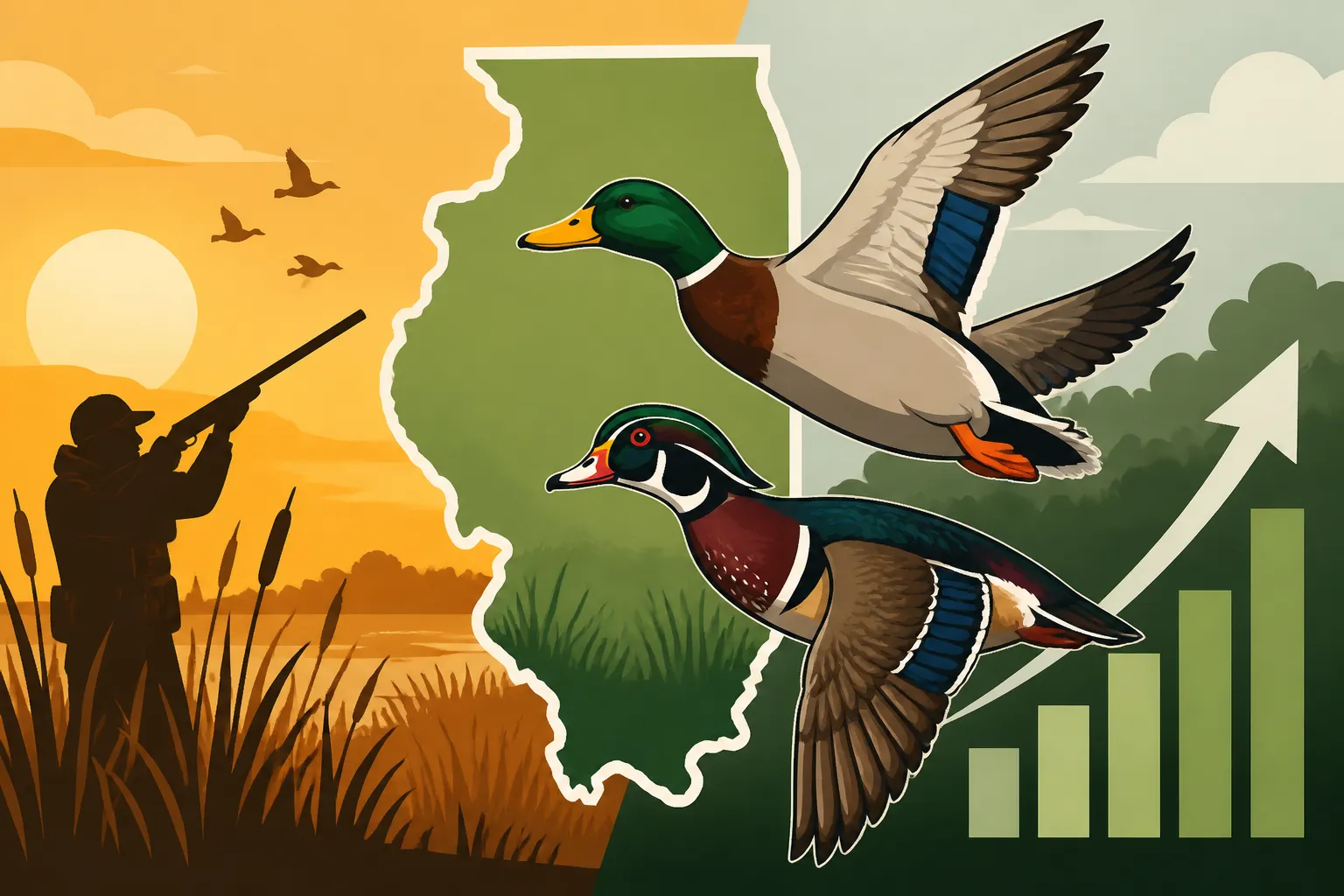
As hunters and conservationists, we're always trying to get a clearer picture of the health of our waterfowl populations here in Illinois. Understanding the specific numbers for popular species like mallards and wood ducks can feel like trying to hit a fast-flying teal in a crosswind – a real challenge. This guide is dedicated to breaking down what we know about the presence and trends of mallard and wood duck populations across our state, helping you better appreciate and plan for your next hunt.
The Big Picture: Illinois as a Waterfowl Hub
Illinois holds a special place on the Mississippi Flyway, a superhighway for migratory birds heading south for the winter. This geographical advantage means we get to witness incredible numbers of ducks and geese pass through, and many choose to spend a good portion of their season right here in our river bottoms, sloughs, and flooded timber. But it's not just about the migrating birds; Illinois also supports a healthy population of resident ducks, especially our beloved wood ducks, that breed and live here year-round.
Our state's diverse habitats, from the vast stretches of the Illinois River Valley to the backwaters of the Mississippi, provide critical staging and wintering grounds. When you look at the landscape from above, it's easy to see why. Miles of river, countless small lakes, agricultural fields that offer abundant food sources, and pockets of flooded timber all combine to create an irresistible haven for ducks. This rich environment, however, also presents its own set of challenges, from habitat loss to fluctuating water levels, all of which influence the number of birds we see. Understanding these dynamics is key to appreciating the efforts made by various agencies and private landowners to maintain these vital habitats.
Key Factors Influencing Waterfowl Numbers
Several factors are constantly at play, shaping the waterfowl populations we observe in Illinois. These aren't just abstract ecological concepts; they directly impact how many birds you'll see winging their way over your blind. It's a complex dance between nature and human intervention.
Firstly, nesting success in the northern breeding grounds is paramount. While we provide critical wintering habitat, the bulk of our migratory birds originate from the prairie pothole region of the Dakotas and Canadian provinces. Abundant rainfall and good nesting cover in those areas translate to higher brood production and, subsequently, more birds heading our way in the fall. A dry spring up north often means fewer ducks by the time migration rolls around.
Secondly, habitat quality here in Illinois during migration and winter is crucial. This includes everything from the availability of clean water to the abundance of food sources. Wetlands managed for waterfowl, flooded agricultural fields, and natural river bottomlands all contribute. Illinois Waterfowl Migration Timing is heavily influenced by how quickly these resources become available and how long they remain accessible. When food is plentiful and water levels are stable, birds tend to stay longer and disperse across more areas, which can affect the local concentrations hunters might expect. Finally, hunting pressure, both locally and throughout the flyway, plays a role, though regulated seasons and bag limits are designed to ensure sustainable harvest rates.
The Role of Surveys and Data Collection
How do we even begin to count birds that can fly hundreds of miles in a day? It's a monumental task, but dedicated biologists and volunteers undertake annual surveys to get a snapshot of population trends. These surveys typically involve aerial counts, ground surveys, and banding programs. The data collected provides invaluable insights into population estimates, distribution patterns, and overall health.
While specific, real-time numbers can fluctuate wildly and aren't something I can provide, the long-term trends derived from these surveys guide conservation efforts and inform season setting. Hunters often consult data points and historical averages when making decisions about where and when to hunt, sometimes even utilizing platforms like GoHunt to cross-reference their scouting observations with broader regional trends. These tools help paint a more complete picture of what to expect in a given season, moving beyond anecdotal observations to a more data-driven approach.
Diving Deep into Mallard Numbers in Illinois
Ah, the mallard. The quintessential duck, instantly recognizable with the iridescent green head of the drakes and the familiar quack that echoes through flooded timber. For many Illinois hunters, a successful waterfowl season is measured by the number of mallards in the bag. They are arguably the most iconic and pursued duck species in our state, and for good reason. Their numbers, while variable, generally represent a significant portion of our annual waterfowl migration and wintering populations.
Mallards are incredibly adaptable, thriving in a wide range of habitats, from large rivers and marshes to small farm ponds and flooded fields. This adaptability is one reason they remain so prevalent. When the corn and soybean fields are harvested, they become a magnet for mallards looking to feed, especially in central Illinois. Hunting Central Illinois Farmland Deer might reveal good duck spots too, as deer and ducks often utilize adjacent food and cover.
Migration Patterns and Wintering Hotspots
Mallard migration through Illinois is a spectacle to behold, typically kicking off in earnest with the first significant cold fronts of fall. The bulk of the birds arrive from the prairie pothole region, pushing south as ice forms further north. Mallards and Geese on the Illinois River are a common sight, as this waterway serves as a critical corridor and wintering ground. The vast expanse of the river, with its many backwaters, impoundments, and adjacent agricultural fields, offers a smorgasbord of resources.
Key wintering hotspots include major river systems like the Illinois and Mississippi, as well as managed wetlands and state fish and wildlife areas. These areas offer consistent food, open water, and relative sanctuary from hunting pressure, drawing in and holding large numbers of birds. Hunters scouting these regions look for signs of heavy use, like abundant droppings, disturbed mud in shallow feeding areas, and well-worn flight paths.
Mallard Harvest Trends and Hunter Success
Illinois consistently ranks as one of the top states in the Mississippi Flyway for mallard harvest. This speaks volumes about the sheer number of birds that pass through and winter here. While harvest numbers fluctuate year to year based on population dynamics, weather patterns, and hunter effort, the mallard remains the backbone of our duck hunting tradition.
Success rates for mallard hunters can vary greatly depending on factors such as location, scouting effort, and weather conditions. A sharp cold snap can bring in a new wave of birds, while a prolonged mild spell might keep them dispersed further north. Illinois Duck Harvest Numbers provide a detailed look at the historical data, offering insights into trends over time. Hunters often share stories of banner years and tougher seasons, emphasizing that even with strong populations, hunting success is never guaranteed. It requires skill, patience, and a bit of luck.
The Wood Duck Story in Illinois
While mallards might dominate the conversation for many, the wood duck holds a special place in the hearts of Illinois hunters and nature lovers alike. With their striking plumage, especially the drakes, and their unique preference for timbered wetlands, wood ducks are a truly beautiful and exciting species to pursue. Unlike many other duck species that primarily breed further north, Illinois is a significant breeding ground for wood ducks, making them a more 'local' bird for many of us.
You'll find wood ducks in forested wetlands, bottomland hardwoods, and along wooded creeks and rivers. They nest in tree cavities, sometimes old woodpecker holes or natural hollows, making them quite distinct from ground-nesting mallards. This preference for timbered areas means that a hunter might encounter them in different environments than where they'd typically find mallards. Wood Ducks in Illinois River Bottoms are a testament to how crucial those habitats are for these birds.
Population Health and Breeding Habits
The wood duck population in Illinois has seen a remarkable comeback over the past century, a true conservation success story. Habitat restoration efforts, particularly the preservation and creation of wooded wetlands and the installation of artificial nesting boxes, have played a huge role. Today, wood ducks are a common sight across the state, and their numbers are generally healthy and stable.
They begin their breeding activities quite early in the spring, with hens laying clutches of eggs in tree cavities. Once the ducklings hatch, they famously leap from the nest cavity, sometimes dozens of feet high, to the water or ground below, following their mother. This early breeding means that by late summer, many wood ducks are already fledged and can be found foraging in local wetlands, even before the main migration begins.
Hunting Wood Ducks: Timing and Tactics
Hunting wood ducks in Illinois often involves different tactics than those used for mallards. Because they favor flooded timber, creeks, and smaller backwaters, a more intimate approach is often required. Early season hunting can be particularly productive for wood ducks, as local populations are present before the full migratory push. Hunting Illinois River Bottom Funnels or targeting smaller, wooded creeks and sloughs can be incredibly effective.
Wood ducks are quick, agile flyers, often weaving through timber with astonishing speed. They are also notoriously quiet when approaching a setup, sometimes appearing seemingly out of nowhere. A good wood duck hunt often involves identifying a preferred feeding or roosting area, setting up quietly, and being ready for fast-paced action. Unlike the large decoy spreads used for mallards in open water, a few well-placed wood duck decoys in timbered cover can be very effective.
Comparing Mallards and Wood Ducks in Illinois
While both are prized waterfowl species in Illinois, mallards and wood ducks offer distinct experiences for hunters and present different challenges and rewards. Understanding these differences can help you tailor your hunting strategies and appreciate the unique roles each species plays in our ecosystem.
Here's a quick comparison of some key characteristics:
| Feature | Mallard | Wood Duck |
|---|---|---|
| Habitat | Diverse: large rivers, marshes, fields, small ponds | Timbered wetlands, flooded timber, wooded creeks, backwaters |
| Nesting | Primarily ground nests | Tree cavities, nest boxes |
| Migration | Strong migratory patterns, major flyway user | Significant resident population, shorter migrations |
| Diet | Grains (corn, soybeans), seeds, aquatic vegetation | Seeds (acorns), insects, aquatic plants |
| Flight Speed | Strong, direct, can be fast in open air | Very agile, darting, quick maneuvers through timber |
| Vocalization | Classic "quack" (hen), soft "rab-rab" (drake) | Whistle (drake), "wook-wook" (hen) |
| Size | Medium-large | Medium |
What the Numbers Mean for Hunters and Conservation
Ultimately, understanding the numbers, even in general terms, for Illinois mallards and wood ducks isn't just about satisfying curiosity; it's about informed hunting and responsible conservation. Healthy populations mean sustainable hunting opportunities for future generations. When we see stable or increasing trends in these species, it's a testament to effective habitat management and conservation efforts both locally and across the flyway.
For hunters, these population insights guide our decisions. A strong flight of mallards might encourage a hunt in the wide-open expanse of the Illinois River, while healthy wood duck numbers might send us deep into the flooded timber or along a winding creek. Knowing the general timing of migration, the preferred habitats, and the current health of these populations empowers us to be more effective and ethical hunters. Illinois Deer Season Overlap With Small Game means that sometimes, a keen eye for waterfowl can even accompany a deer hunt, especially during late fall.
Conservation is an ongoing effort. Every hunter who purchases an Illinois Federal Duck Stamp Requirement contributes directly to wetland acquisition and restoration, benefiting not only ducks but countless other wildlife species. The data collected on these birds helps inform state agencies like the IDNR on how to best manage public lands and implement regulations that ensure these magnificent birds continue to thrive in our beloved Illinois. Remember to check resources like the IDNR website or even scouting apps like GoHunt for specific regulations or public land opportunities before you head out.
Disclaimer
This article is for general informational purposes only and does not constitute professional advice. Laws, prices and regulations vary by location and change over time. Consult a qualified professional for guidance on your specific situation.