Setting Decoys on a Farm Pond
Effective decoy spread patterns on Illinois farm ponds help hunters attract dabbling ducks like mallards and wood ducks.
Close the distance.
Archery, muzzleloader, and firearm techniques — calling, stand placement, still-hunting, spot-and-stalk, and the weapon rules that change at the state line.
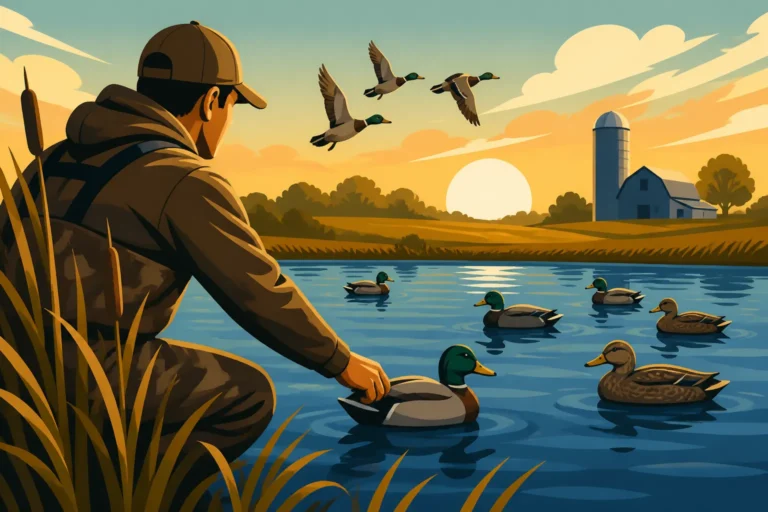
Effective decoy spread patterns on Illinois farm ponds help hunters attract dabbling ducks like mallards and wood ducks.
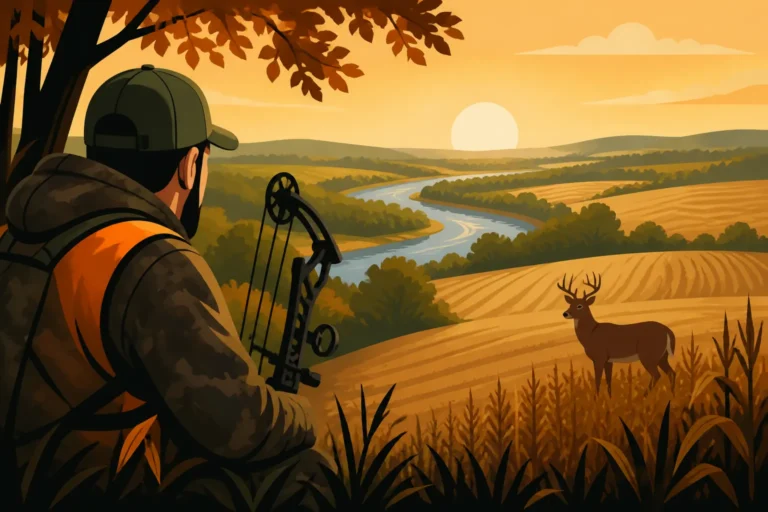
Rock River Valley deer hunting strategies explain how changing crop harvests shift whitetail deer movement across northern Illinois.
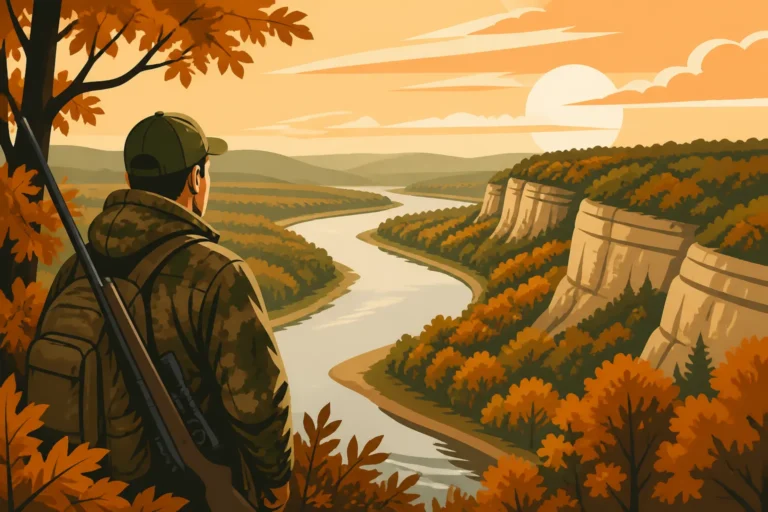
Illinois River bluff country offers challenging hunting terrain with steep inclines, deep ravines, and trophy white-tailed deer.
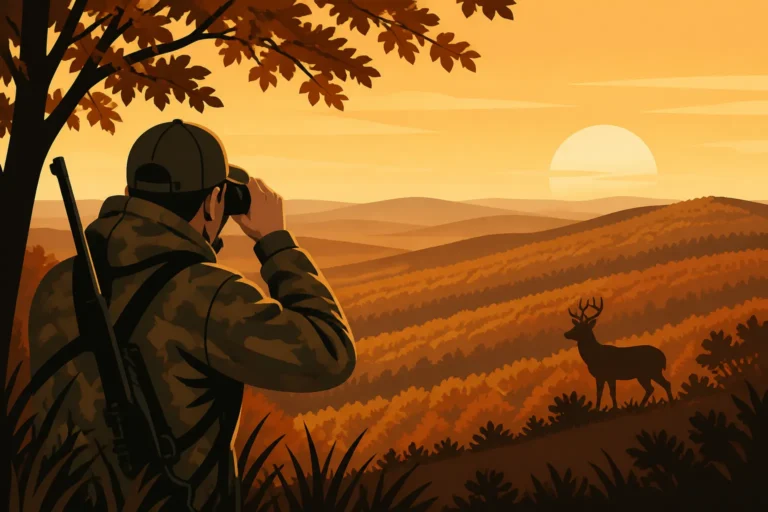
Shawnee Hills ridgelines in Southern Illinois shape deer movement, providing natural travel corridors and saddles for hunters.
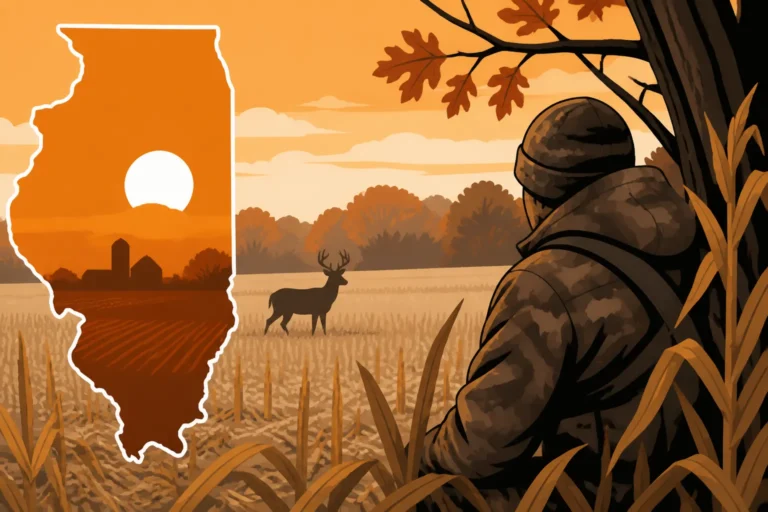
Late-season Illinois field edge hunting strategies help hunters connect with wary deer by understanding winter food sources and weather impacts.
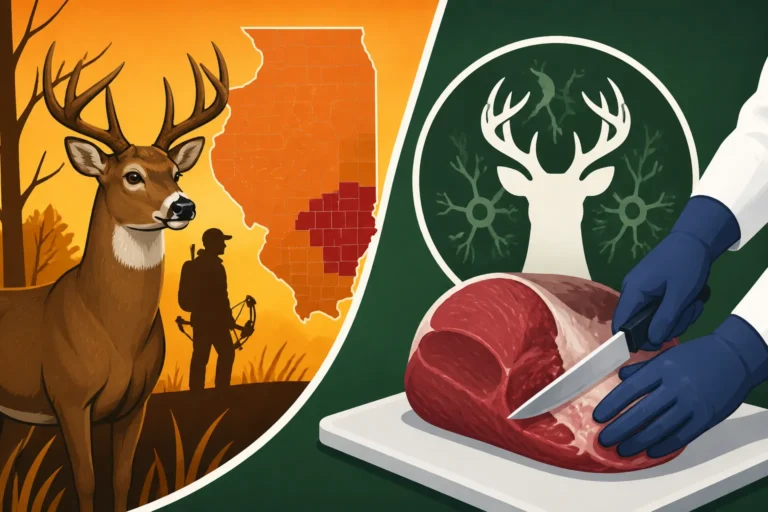
Safe handling steps, Boone County history, and mandatory testing rules for deer harvested in Illinois Chronic Wasting Disease counties.

Illinois deer harvest registration requires reporting by 10 p.m. to meet Illinois Department of Natural Resources mandates.
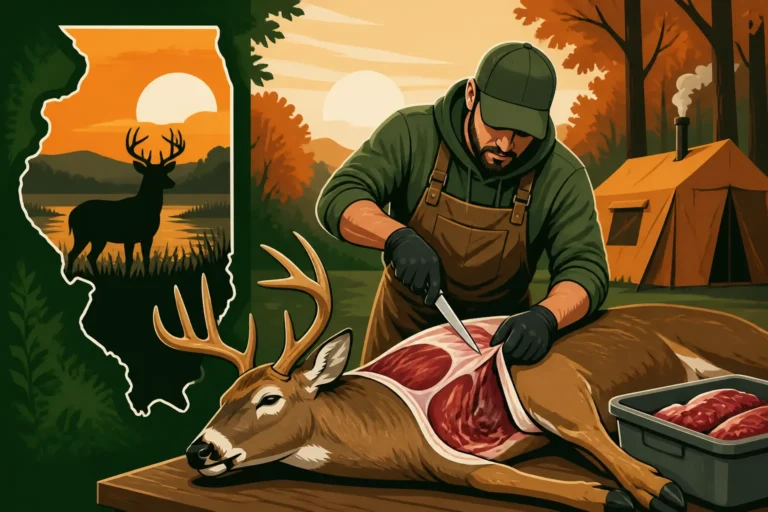
Field processing and butchering a deer at camp requires sharp knives, clean workspace preparation, heavy duty trash bags, and a gambrel.
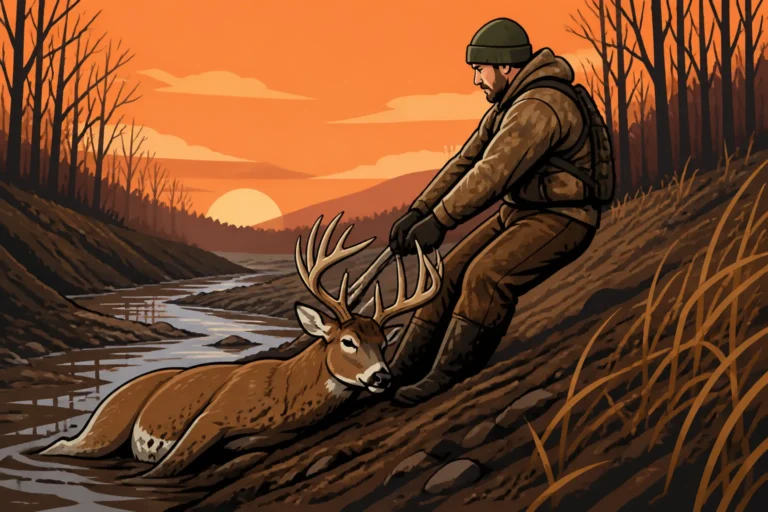
Illinois whitetail recovery strategies explain how to safely extract harvested deer from difficult river bottom terrain.
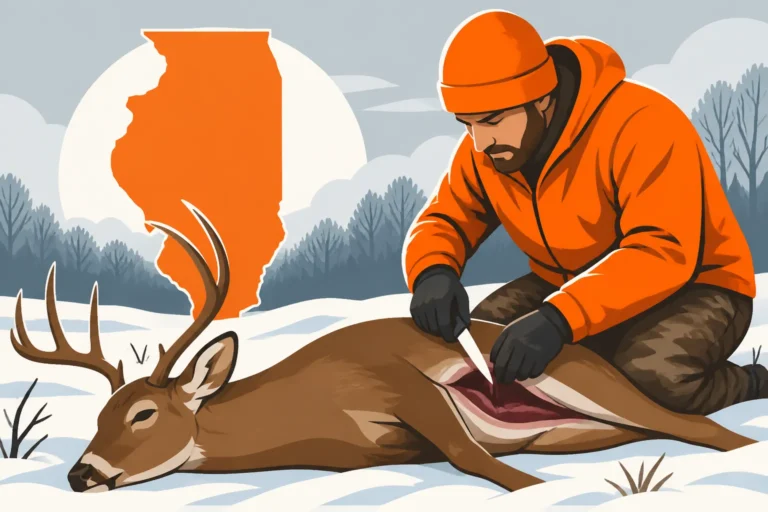
Field dressing a deer in freezing temperatures requires managing numb fingers while safely preserving venison meat quality.