Hunting Deer After a Cold Front
Illinois deer post-cold front behavior changes explain how hunters find animals near soybean fields, corn fields, and thermal cover.
Close the distance.
Archery, muzzleloader, and firearm techniques — calling, stand placement, still-hunting, spot-and-stalk, and the weapon rules that change at the state line.
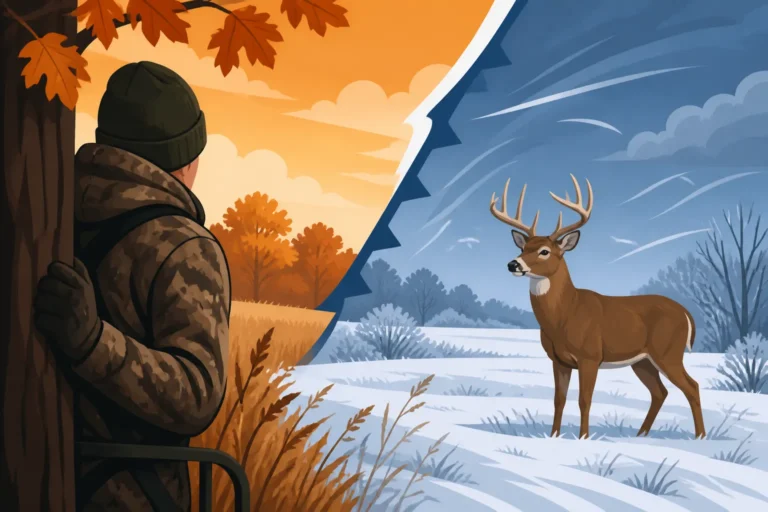
Illinois deer post-cold front behavior changes explain how hunters find animals near soybean fields, corn fields, and thermal cover.
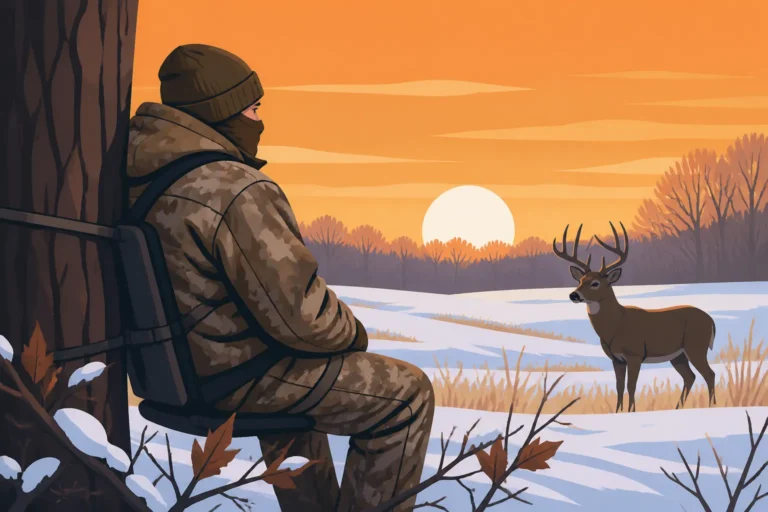
Cold weather deer hunting strategies in Illinois explain how base layers maintain core temperature and dexterity during late archery season.
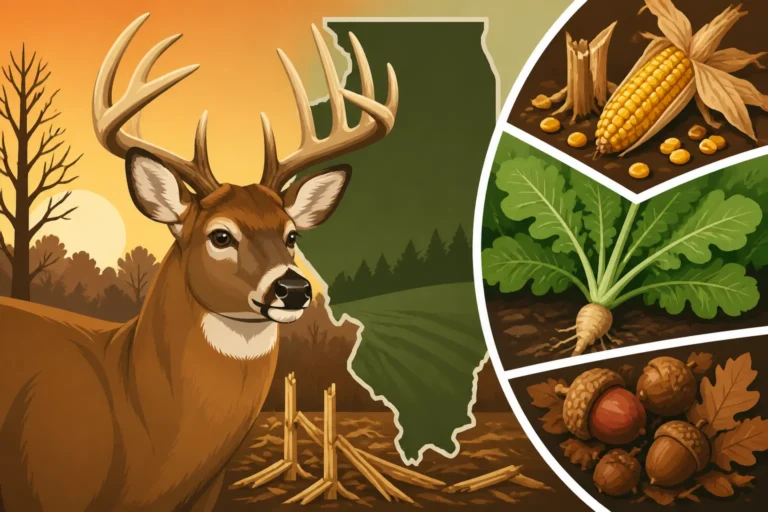
Late-season Illinois whitetails prioritize calorie-dense food sources during December and January to recover body weight and survive bitter cold.
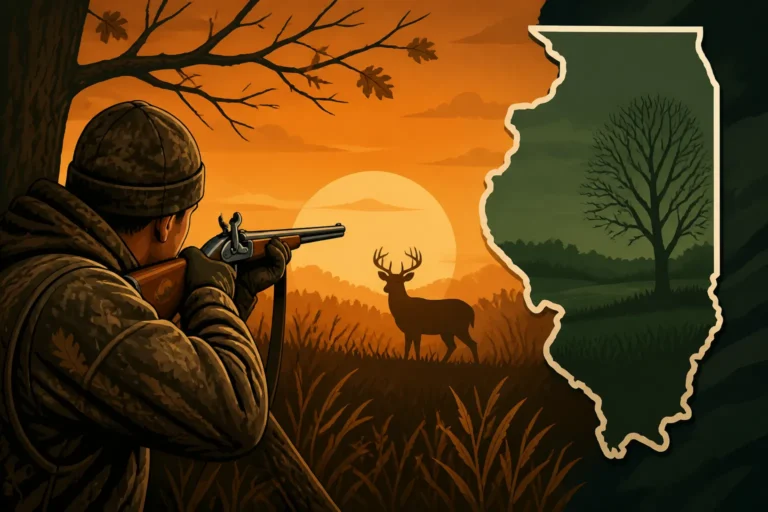
Late-season Illinois deer hunting strategies help muzzleloader hunters navigate cold weather, high pressure, and food scarcity.
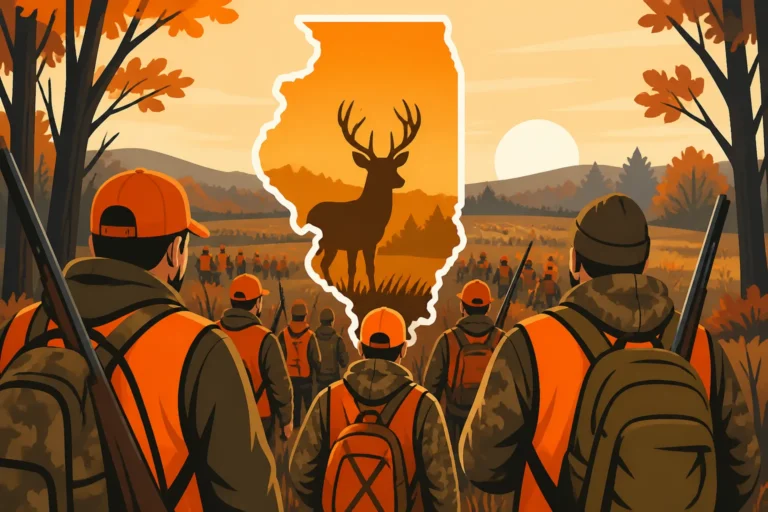
Opening weekend crowds on Illinois public land require practical strategies to find overlooked deer habitat and succeed.
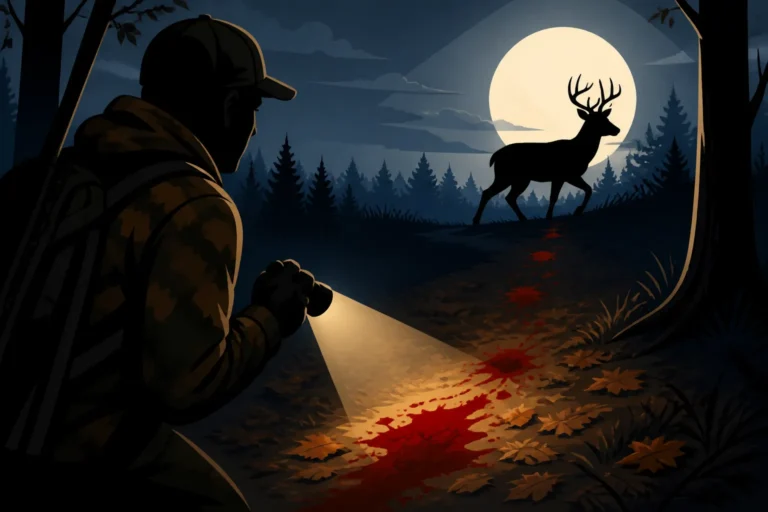
Blood trailing a deer after dark in Illinois requires marking shot sites, waiting up to eight hours for gut hits, and using proper flashlights.
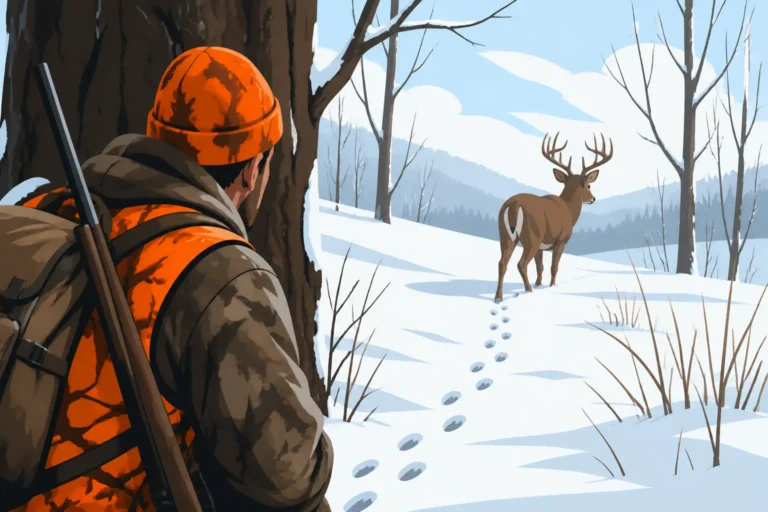
Tracking wounded deer in fresh Illinois snow requires specific waiting times based on shot placement and weather conditions.
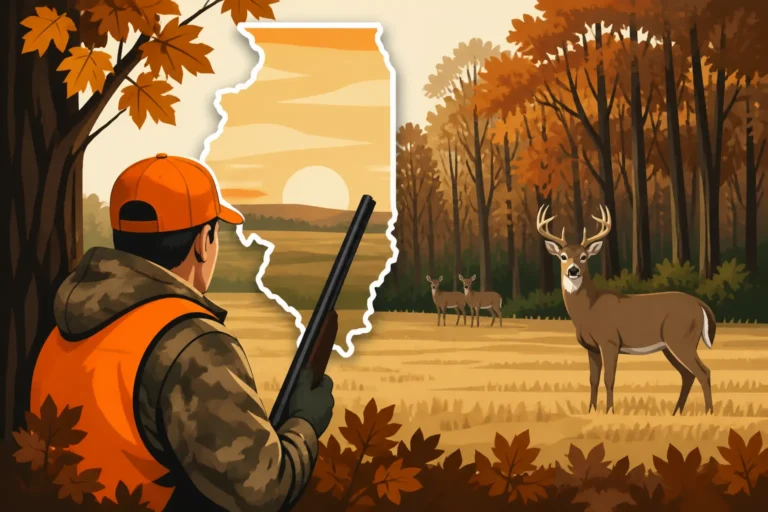
Illinois deer hunting drives around woodlots explain poster and driver roles to help hunters position themselves for success.
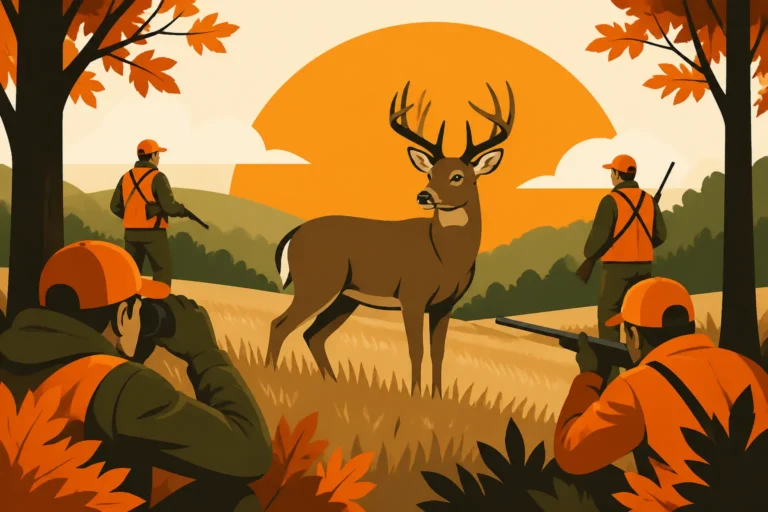
Small group deer drives in Illinois using three or four hunters require strategic planning, precise positioning, and careful terrain scouting.
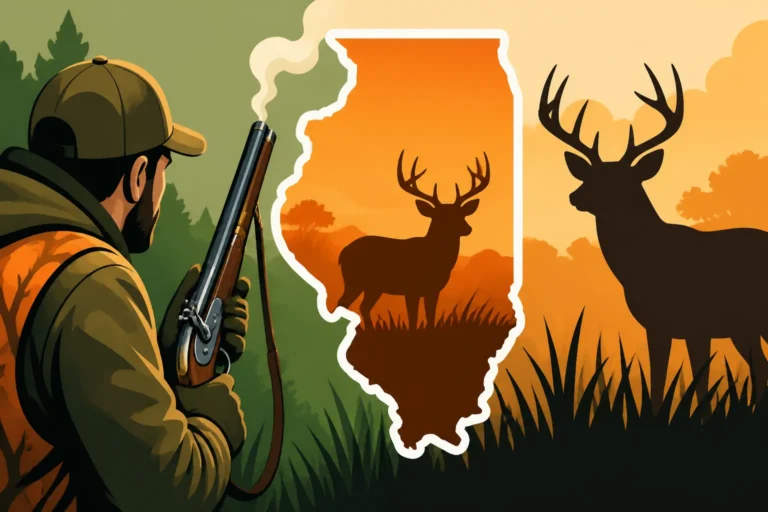
Muzzleloader permits during Illinois second firearm season require following specific weapon rules, county restrictions, and blaze orange requirements.