Why the Second Firearm Season Runs So Short
Illinois second firearm deer season lasts three days because the IDNR uses it to manage post rut harvests and protect wildlife.
Close the distance.
Archery, muzzleloader, and firearm techniques — calling, stand placement, still-hunting, spot-and-stalk, and the weapon rules that change at the state line.
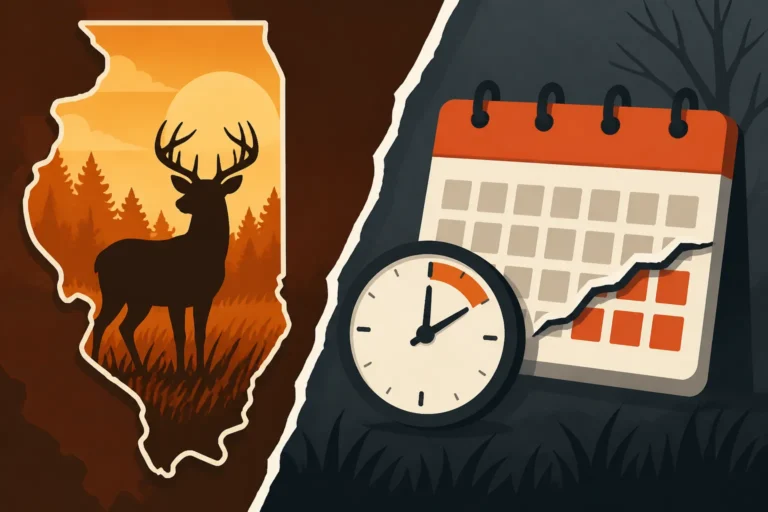
Illinois second firearm deer season lasts three days because the IDNR uses it to manage post rut harvests and protect wildlife.
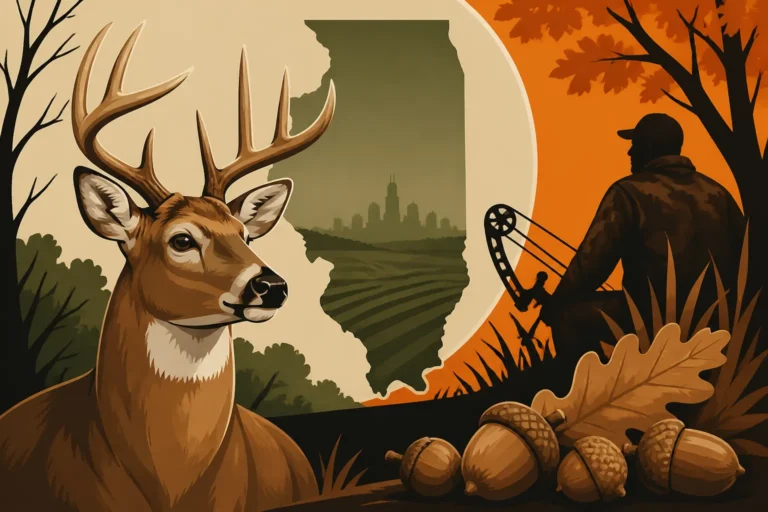
Poor acorn crops change Illinois deer behavior, forcing hunters to adapt strategies and locate alternative food sources.
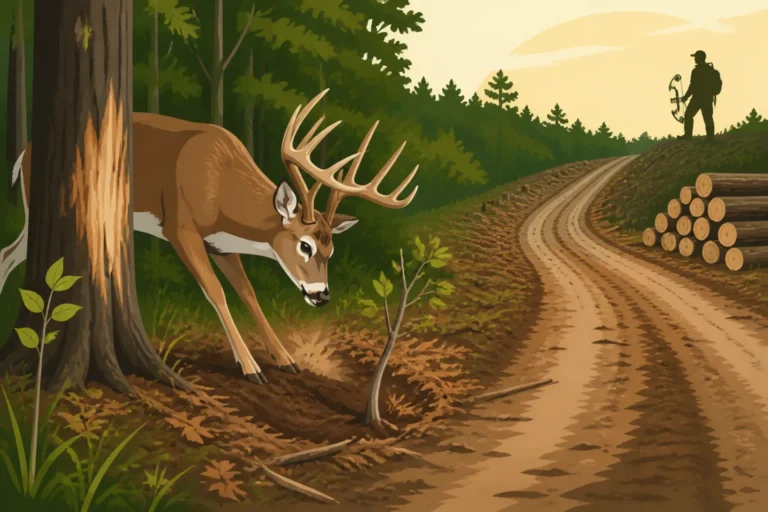
Logging road scrape lines reveal active whitetail communication hubs, natural travel corridors, and critical transition zones for hunters.
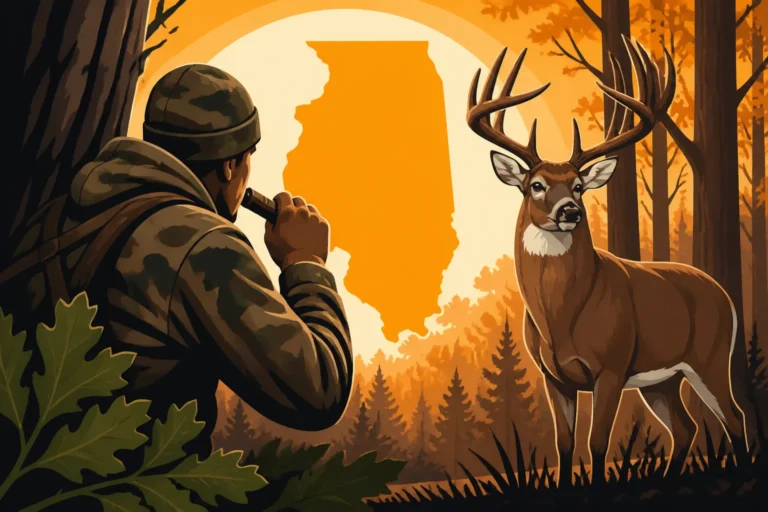
Grunt calls in mature Illinois timber have a limited range of fifty to seventy five yards because dense trees absorb sound waves.
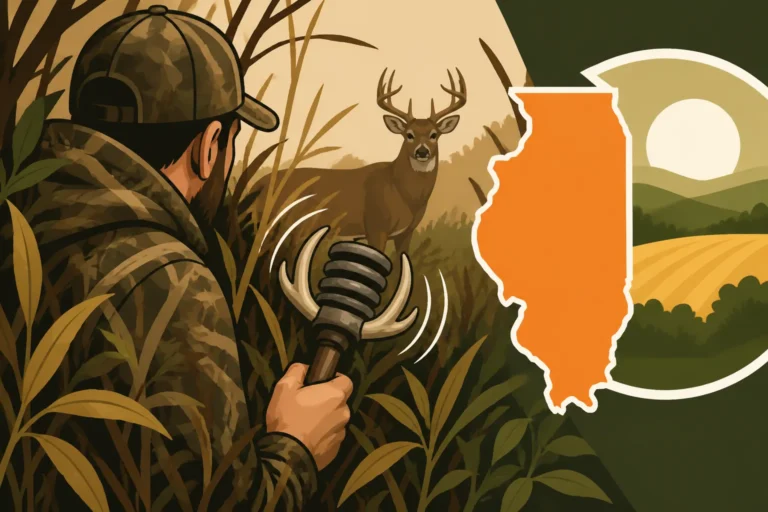
Antler rattling volume adjustments and soft techniques help Illinois hunters draw whitetails through dense timber cover.
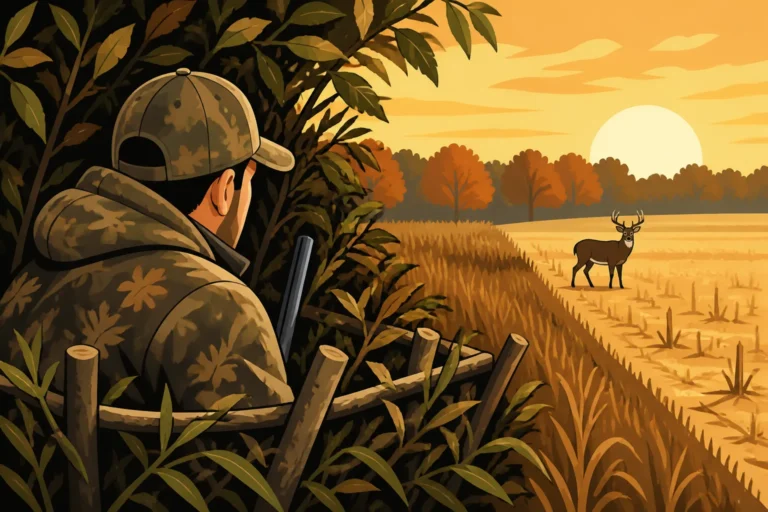
Ground blind concealment techniques help Illinois hunters hide from deer, turkeys, and waterfowl along timber lines.
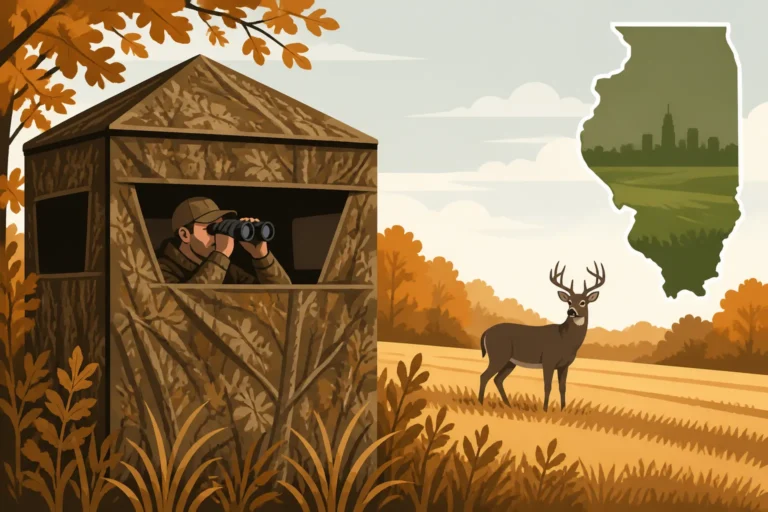
Ground blinds on Illinois public land help hunters pursue deer and turkeys while following strict Illinois Department of Natural Resources regulations.
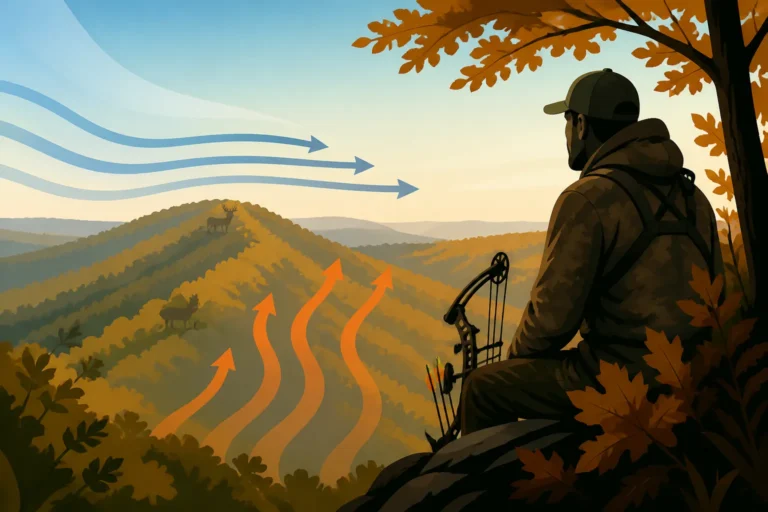
Southern Illinois ridge thermals and wind patterns dictate deer movement, helping hunters choose better stand locations.
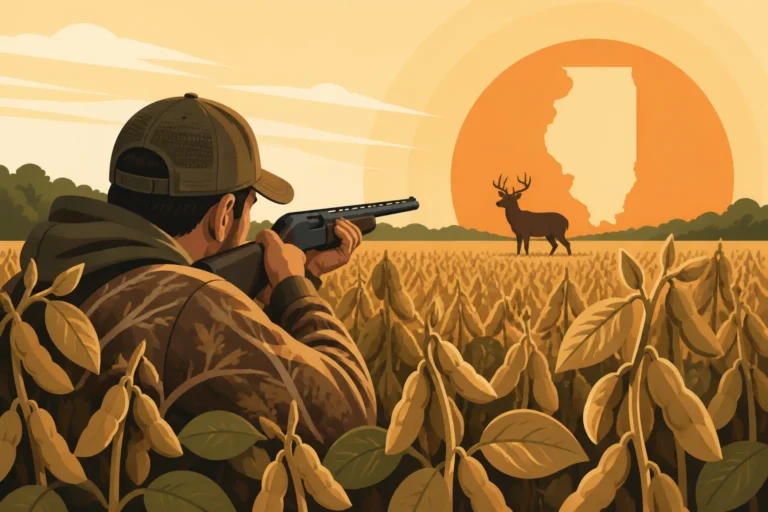
Hunting deer in standing Illinois soybean fields explains their seasonal patterns, daily movement, and effective scouting strategies.
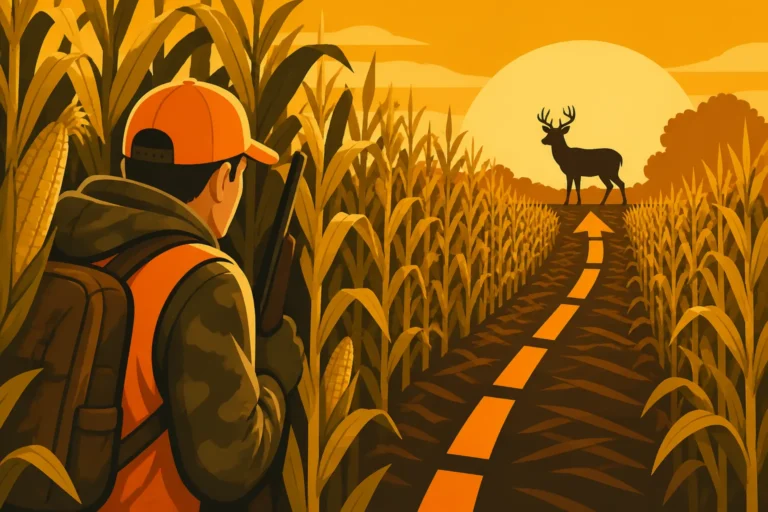
Illinois deer hunting strategies explain how to navigate standing corn and minimize human disturbance during late season.