Knox County Public Hunting Access
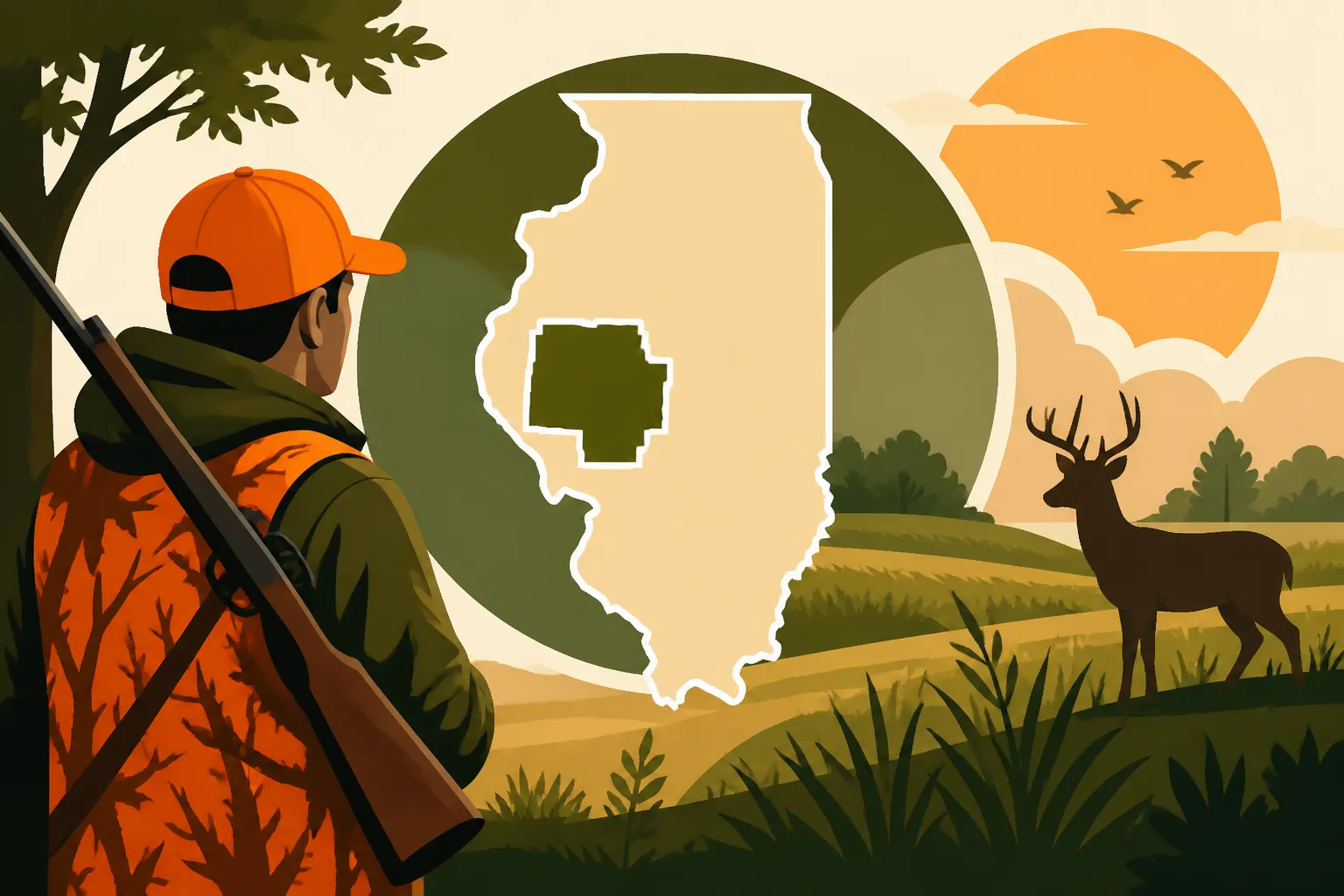
Finding quality public hunting access in areas dominated by agriculture, like much of west-central Illinois, can feel like searching for a needle in a haystack. Many hunters in Knox County often feel frustrated by limited access, wondering if there are any meaningful opportunities beyond knocking on private landowners' doors. This guide is here to shed some light on the public hunting lands available in Knox County and nearby, offering practical advice to help you maximize your time afield.
Understanding Public Land Opportunities in Knox County
Knox County, Illinois, sits squarely in the heart of the state's prime agricultural belt. While it might not boast the vast, sprawling national forests found downstate, it still offers valuable public hunting opportunities if you know where to look and how to approach them. It’s a different kind of challenge, one that rewards careful scouting and a keen eye for overlooked pockets.
The Landscape of Public Access in West-Central Illinois
When you look at a map of Knox County, you’ll immediately notice the dominance of corn and soybean fields, with timber often relegated to creek bottoms, drainage ditches, and smaller isolated woodlots. This landscape shapes the public hunting experience significantly. Unlike the contiguous forests in southern Illinois, public lands here are often smaller, more fragmented, and sometimes surrounded by private agricultural ground. This means that access points, parking, and navigating property lines become even more critical aspects of your hunt planning. The deer, turkey, and small game populations in these areas are often robust, benefiting from the rich food sources of nearby farms, but accessing them requires a strategic approach. It's about finding those hidden gems and understanding how game animals utilize these pockets of cover in an otherwise open landscape.
Key Public Hunting Areas to Consider
While Knox County isn't overflowing with massive tracts of public ground, there are a few notable areas worth exploring, particularly the State Fish and Wildlife Areas (SFWA) that are specifically managed for wildlife and public recreation.
- Snakeden Hollow State Fish and Wildlife Area: Located just north of Victoria, Snakeden Hollow is perhaps the most significant public hunting ground directly within Knox County. This unique area, a former strip mine, features a complex landscape of water impoundments, reclaimed grasslands, and scattered timber. It's a fantastic spot for diverse hunting opportunities. Deer hunting can be excellent, particularly in the timbered draws and brushy areas around the lakes. Turkey also utilize the timber. Waterfowl hunting is a major draw here, with numerous ponds and lakes attracting ducks and geese during migration. Small game hunters can find rabbits and pheasants in the dense cover. Remember that hunting here often requires site-specific permits and adherence to unique rules, so always check the IDNR site regulations before heading out.
- Spoon River State Forest: While technically located in Fulton County, Spoon River State Forest is relatively close to the southern border of Knox County and offers another important public hunting resource. This forest provides a more traditional timber hunting experience, with rolling hills and hardwood ridges. It's a great option for deer and turkey hunting, and its larger, more contiguous blocks of timber can offer a different hunting experience than the more fragmented lands directly within Knox County. Access points and hunting zones should be carefully studied, and like Snakeden Hollow, always confirm current regulations for Illinois State Fish and Wildlife Areas.
These areas, while not as vast as some southern Illinois options, represent dedicated efforts by the state to provide recreational hunting opportunities. They demand a different scouting strategy, often focusing on how game moves between these public parcels and the surrounding private farmland.
Navigating Regulations and Access Points
Hunting public land in Illinois, especially in regions with a mix of habitat types like Knox County, means diving into a layer cake of regulations. It's not just about statewide rules; each specific site often has its own set of guidelines, which can be a real headache if you're not prepared.
Site-Specific Rules and Permit Requirements
This is where many hunters get tripped up. You might have your statewide hunting license and permits squared away, but arrive at Snakeden Hollow or Spoon River State Forest only to find out you need a site-specific permit or that certain weapons are prohibited during particular seasons. These rules are put in place for a good reason – to manage hunting pressure, ensure safety, and protect specific wildlife populations within that unique area.
For example, Snakeden Hollow, with its emphasis on waterfowl and its reclaimed mine land features, might have very different rules regarding open hunting days, mandatory check-in/check-out procedures, or even restrictions on certain types of blinds or decoys compared to a purely timber-focused area. Some sites require you to apply for permits in advance through a lottery system, while others might operate on a daily sign-in basis. Missing these details can quickly ruin a planned hunt or even lead to a violation. The Illinois Department of Natural Resources (IDNR) website is your absolute best friend here. Always navigate to the specific page for the public land you intend to hunt and review the current regulations and permit requirements before you even pack your truck. It's often updated annually, so don't rely on last year's information. Understanding How Illinois Fish and Wildlife Areas Are Managed will give you better insight into why these rules exist.
Utilizing Mapping Tools for Effective Scouting
In an area like Knox County, where public land can be fragmented and often bordered by private property, relying solely on old paper maps or memory isn't going to cut it. This is where modern mapping applications become an indispensable tool. Knowing precisely where public land ends and private land begins is crucial, not just for ethical hunting but for staying legal.
Tools like onX Hunt and GoHunt offer detailed satellite imagery overlaid with property ownership information, public land boundaries, and even features like topography, access roads, and water sources. Before you even set foot in the woods, you can use these apps to:
- Identify Public Boundaries: Zoom in to clearly see the color-coded public and private parcels. This is invaluable for avoiding accidental trespass.
- Locate Access Points: Find legal parking areas, walk-in access points, and old logging roads that might lead you deeper into less-pressured areas.
- Scout from Afar: Look for key habitat features like bottlenecks, creek crossings, clearings, dense cover, and changes in elevation that might attract game. You can mark potential stand locations or travel corridors without disturbing the area.
- Understand Topography: Utilize contour lines to predict how deer might move through a landscape, especially in areas with subtle elevation changes common in west-central Illinois.
- Plan Entry and Exit Routes: Map out the quietest ways to get to your hunting spot and retrieve game, minimizing disturbance to the area.
These apps become your digital scouting partner, allowing you to cover vast amounts of ground from your living room, saving you precious time and boot leather. They're especially helpful when looking for those smaller, overlooked public parcels that might be tucked away from main roads. Understanding Scouting Illinois Public Land Before Season becomes much easier with these tools in hand.
Strategies for Successful Public Land Hunting in Knox County
Hunting public land in Knox County, with its unique blend of agricultural fields and pockets of timber, demands a tailored approach. It's not just about finding the land, but understanding how to hunt it effectively, managing pressure, and adapting your tactics to the specific species you're pursuing.
Scouting and Pressure Management
Public land, by its very nature, sees more hunting pressure than private tracts. In an area like Knox County, where public parcels can be limited in size, this pressure can be concentrated, especially near easy access points. Your success hinges on being more diligent and strategic than the next hunter.
- Pre-Season Deep Dive: Don't wait until opening day. Start your scouting months in advance, long before the season. Use mapping apps like
onX Huntto identify potential travel corridors, bedding areas, and food sources within or bordering the public land. Look for natural funnels where deer might move between woodlots or across small open areas. Creek bottoms are often overlooked highways for deer and turkeys. During the spring and summer, walk these areas to find old rubs, scrapes, turkey feathers, and tracks. Pay attention to how the habitat changes – where the timber is thickest, where there's dense undergrowth for bedding, and where transition lines exist. Remember, just because it's public doesn't mean you can't be thorough in your initial assessment. - Find Unpressured Pockets: Most hunters will stick close to parking lots and main trails. To find success, you often need to go deeper or find alternative access. This might mean walking an extra half-mile, using a less obvious entry point, or even bushwhacking through dense cover. Look for those overlooked corners, those points that are a little harder to reach. Deer and turkeys are highly sensitive to human presence and will quickly learn to avoid areas with consistent foot traffic. Sometimes, a small, isolated woodlot that requires a longer walk can hold mature animals simply because most hunters overlook it for easier-to-reach areas. Consider how the wind and thermals will affect these deeper spots and plan your approach accordingly. Finding Ground Others Walk Past is often the key to public land success.
- Leverage Topography and Cover: Even subtle elevation changes or dense brush can create natural barriers and sanctuaries for game. In relatively flat farm country, a steep creek bank or a thick cedar stand can act as a significant travel or bedding area. Utilize these features to your advantage, planning your approach and stand locations to intercept animals moving through these less-pressured areas. Look for natural pinch points where deer are forced to move through a specific spot, such as where two woodlots come close together or where a fencerow leads to a creek bottom.
Species-Specific Tactics for Knox County's Public Ground
The diverse habitats of Knox County's public lands offer opportunities for a range of game species. Tailoring your tactics to the animal and the terrain is essential.
- White-tailed Deer: Deer hunting on Knox County public land revolves around understanding their patterns between cover and agriculture. During early archery season, focus on field edges and interior timber pockets close to food sources like standing soybeans or corn, which provide both sustenance and security. As the season progresses into late October and November, pay close attention to creek bottoms and finger ridges. These areas become crucial travel corridors during the rut. Hunting the Rut in Early November means bucks are on the move, often following terrain features. Consider using a ground blind or a portable treestand. Remember to review Treestand Rules on Illinois Public Land for specific site regulations. In the late season, when agricultural fields are harvested, deer will concentrate on remaining food sources within the timber or any standing cover left behind.
- Wild Turkey: Turkey hunting on public land in Knox County can be a fantastic challenge. Focus your scouting on identifying roosting areas along larger timbered creek bottoms or in mature stands of oaks and hickories. Listen for gobblers at first light and try to set up between the roost and potential feeding areas in open timber or field edges. Roost Hunting Illinois Gobblers requires stealth and early mornings. Using locator calls (owl hoots, crow calls) before dawn can help pinpoint birds without pressuring them too early. If they pitch down and move off, don't be afraid to try some Run-and-Gun Turkey Tactics on Public Land, adapting your calling as you go. Fall turkey hunting offers different opportunities, often centered around breaking up flocks and calling birds back in. Knox County is typically within a zone that allows for Illinois's Over-the-Counter Fall Turkey Season, making it more accessible.
- Waterfowl: Snakeden Hollow SFWA is a prime spot for waterfowl in Knox County. The numerous lakes and ponds attract migrating ducks and geese. Scout ahead to observe flight patterns and identify preferred resting and feeding areas. If hunting during the regular seasons, understanding decoy spreads and calling techniques for both ducks and geese will be critical. Layout blinds can be very effective in fields adjacent to water, or you might find opportunities to set up shore blinds around the smaller impoundments. Pay close attention to current water levels and migratory reports for the Illinois Waterfowl Zones and Seasons.
- Small Game: For squirrel and rabbit hunters, Knox County’s public lands offer classic opportunities. Look for mature timber stands, especially those with oak and hickory trees, for squirrels. Squirrel Hunting Illinois Hickory Groves can be very productive in the early season. For rabbits, focus on thick brush, fencerows, and the edges of timber blocks with good escape cover. Rabbit Hunting Thick Illinois Brush is best pursued with a good pair of briar pants and a determined attitude. These types of hunting can be great ways to enjoy the outdoors when deer and turkey seasons are closed or to introduce new hunters to the sport.
By combining meticulous pre-season scouting, smart pressure management, and species-specific strategies, hunters can find rewarding experiences on the public lands of Knox County. It takes a little more effort, but the satisfaction of success on pressured ground is often unmatched.
Here's a quick overview of some potential public hunting opportunities in and around Knox County:
| Public Hunting Area | Primary Species | Key Features | Specific Regulations/Considerations |
|---|---|---|---|
| Snakeden Hollow SFWA | Deer, Turkey, Waterfowl, Small Game | Reclaimed strip mine with lakes, timber, grasslands | Site-specific permits often required; check-in/out; unique waterfowl rules |
| Spoon River State Forest (Fulton Co.) | Deer, Turkey, Small Game | Rolling hardwood timber, creek bottoms | Managed as state forest; check site regulations for specific rules |
Disclaimer
This article is for general informational purposes only and does not constitute professional advice. Laws, prices and regulations vary by location and change over time. Consult a qualified professional for guidance on your specific situation.