Jim Edgar Panther Creek Fish and Wildlife Area
Finding good public hunting ground in Illinois can sometimes feel like trying to hit a moving target – especially when you're looking for an area that offers diverse opportunities beyond just deer. Many hunters get frustrated with overcrowded spots or places that just don't offer the variety they crave. That's why Jim Edgar Panther Creek Fish and Wildlife Area (JEPC FWA) is such a gem, and this guide is going to walk you through everything you need to know to make the most of your hunting trips there.
An Overview of Jim Edgar Panther Creek Fish and Wildlife Area
When you're looking for a substantial piece of public ground in Illinois, Jim Edgar Panther Creek Fish and Wildlife Area often rises to the top of the list. It's one of the state's true treasures for outdoor enthusiasts, offering a fantastic array of habitats and opportunities for hunters, anglers, and nature lovers alike. It's not just a little patch of woods; this place is extensive, giving you plenty of room to roam and find your own slice of Illinois wilderness.
Location and Landscape
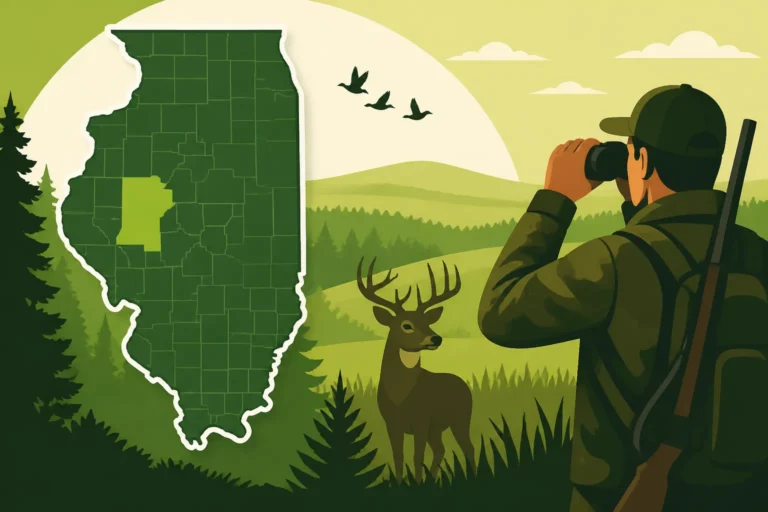
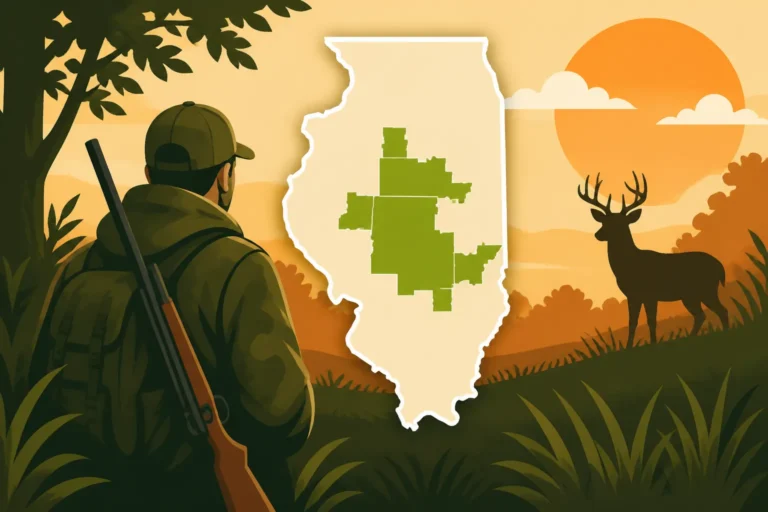
Situated right in the heart of central Illinois, not too far from the state capital of Springfield, JEPC FWA covers a massive expanse of land. We're talking about an area so large that it truly allows for diverse hunting experiences. Unlike some smaller tracts where you feel like you're tripping over other hunters, JEPC offers enough space that with a little effort, you can often find solitude. The landscape here is a beautiful tapestry of what Illinois has to offer. You'll find expansive timber stands, particularly along the creek bottoms and rolling hills, which are prime for deer and turkey. But then it opens up into vast fields of native prairie grasses and carefully managed Conservation Reserve Program (CRP) lands, creating incredible cover for upland birds and bedding areas for deer.
Adding to this mix are numerous small lakes and ponds scattered throughout the property, which provide excellent waterfowl habitat and, of course, fishing opportunities. This variety in terrain means that no matter what species you're pursuing, you'll likely find suitable habitat to explore. It's this patchwork of environments – from dense woods to open grasslands and tranquil waters – that makes JEPC FWA such a dynamic and rewarding place to hunt. You can literally transition from still-hunting a timbered ridge to pheasant hunting a CRP field within a few hundred yards.
Management and Purpose
Jim Edgar Panther Creek Fish and Wildlife Area isn't just a randomly designated piece of public land; it's actively managed with a clear purpose: to conserve and enhance wildlife populations while providing public access for various recreational activities, with hunting and fishing being prominent among them. The Illinois Department of Natural Resources (IDNR) oversees this area, implementing management practices designed to optimize habitat for game species. This means you'll see evidence of active management, such as prescribed burns that rejuvenate grasslands and control invasive species, strategically placed food plots that provide crucial nutrition for deer and turkey, and careful timber management that creates diverse forest structures.
The "Fish and Wildlife Area" designation is key here, signifying its primary role as a haven for wildlife. For hunters, this translates into well-maintained grounds that are specifically tailored to support healthy populations of deer, turkey, pheasants, and waterfowl. These efforts aren't just for show; they directly contribute to better hunting opportunities by ensuring robust game numbers and quality habitat. Understanding that the land is actively managed for wildlife helps you appreciate the efforts behind it and encourages you to hunt responsibly within its framework.
Deer Hunting Opportunities at Jim Edgar Panther Creek
For many Illinois hunters, deer hunting is the main draw, and Jim Edgar Panther Creek FWA certainly doesn't disappoint. Its expansive and varied habitat provides a robust challenge and rewarding experiences for both archery and firearm enthusiasts. The mix of cover, food, and water creates an ideal environment for whitetails.
Permit Requirements and Season Structure
Hunting deer at JEPC FWA, like many larger public sites in Illinois, often comes with specific permit requirements beyond your general statewide license and habitat stamp. For most deer seasons, you'll likely need to secure a site-specific permit through a lottery or draw system administered by the IDNR. These permits are typically limited, so applying early and understanding the application periods is crucial. Don't just assume your regular Illinois Resident Deer Permit Options will get you access; always double-check the site-specific regulations for JEPC before you head out.
Archery hunting is generally allowed within the statewide season dates, but even then, there might be specific rules about areas open or closed, or even special archery-only zones within the FWA. For firearm and muzzleloader seasons, the rules become even more specific. There might be designated quota hunts, meaning only a certain number of hunters are allowed in during specific periods. These quota hunts often require you to enter a separate draw, and if successful, you'll be assigned a specific hunting period. Always consult the most current Illinois hunting digest and the JEPC FWA specific regulations page online. Knowing the Illinois Deer Season Structure Explained and the Illinois Muzzleloader-Only Season Dates is your first step, but then dive into the area-specific details to avoid any surprises.
Tactics for Different Habitat Types
The beauty of deer hunting at Jim Edgar Panther Creek lies in its diverse habitat, which demands a flexible approach to tactics. You can't hunt it all the same way, and that's what makes it so exciting and challenging.
In the timbered sections, especially along the creek bottoms and the more rolling terrain, deer will often follow natural funnels and pinch points. Look for old logging roads, subtle saddles on ridges, or where two fingers of timber converge. These are classic spots for setting up a treestand or ground blind. During the early season, focus on areas with abundant mast crops like acorns, where deer will congregate to feed. As the season progresses, especially during the rut, bucks will cruise these timbered areas looking for does. Consider Rattling and Grunting in Illinois in these timbered spots, as the sound will carry well through the trees.
The expansive grasslands, CRP fields, and old agricultural fields offer a completely different challenge. Deer often bed down in the thick cover of these areas, especially during daylight hours, and move out to feed at dawn and dusk. Hunting the edges of these fields, particularly where they meet timber or a water source, can be incredibly productive. You'll want to focus on Hunting a Funnel Between Two Woodlots that might connect different bedding and feeding areas. During the late season, when standing crops are scarce, deer will often hit any remaining green browse or food plots within the FWA. Using a ground blind brushed into a field edge can be very effective here, as it minimizes your profile against the open landscape. Understanding how deer utilize these diverse cover types, from thick prairie to mature timber, is the key to consistent success at JEPC. If you're coming from a farm country background, many of the principles of Hunting Central Illinois Farmland Deer will still apply, just on a larger, more wild scale.
| Species | Best Habitat at JEPC FWA | Recommended Tactics | Prime Season Focus |
|---|---|---|---|
| White-Tailed Deer | Timber, creek bottoms, field edges, thick CRP | Stand hunting funnels, still-hunting timber, field edge blinds | Archery (rut), Firearm, Late Season Archery |
| Wild Turkey | Timbered ridges, field edges | Roost hunting, calling, run-and-gun (spring) | Spring Turkey (April-May), Fall Shotgun |
| Ring-Necked Pheasant | Extensive CRP, tall grass prairie, brushy fencerows | Dog hunting, walk-ups, strategic pushes | Fall Pheasant (Nov-Jan) |
| Small Game | Brushy draws, fencerows, timber fringes | Walk-ups, dog hunting, still-hunting | Fall/Winter (Squirrels, Rabbits) |
| Waterfowl | Lakes, ponds, flooded timber (if available) | Decoy sets, blind hunting | Fall/Winter (Ducks, Geese) |
| Coyotes | Any open or transition zone, field edges | Calling, ambush hunting at dawn/dusk | Year-round (best in winter) |
Turkey Hunting and Upland Game at JEPC FWA
Beyond deer, Jim Edgar Panther Creek offers fantastic opportunities for spring and fall turkey hunters, and its expansive grasslands are a haven for upland game, particularly pheasants. This diversity is what truly makes JEPC a multi-species hunter's dream.
Spring and Fall Turkey Strategies
If you're a turkey hunter, JEPC FWA presents a classic Illinois challenge and reward. The mix of mature timber for roosting and open fields for strutting creates ideal turkey habitat. For spring turkey hunting, the key is often finding where the birds are roosting and setting up before first light. Listen for gobblers sounding off from the treetops, especially along the timbered ridges and creek drainages. Once you've located them, a patient setup with realistic calls can often bring a tom within range. You might find success with a classic hen call, but don't be afraid to try some aggressive gobbler yelps if the birds seem hung up. Some of the most exciting hunts involve following a hot gobbler, using Run-and-Gun Turkey Tactics on Public Land, especially as the morning progresses and birds come off the roost and scatter. It can be a humbling experience, but the rewards are immense. Remember to consult the Spring Turkey Hunting in Illinois regulations for season dates and permit requirements, as these can be site-specific at JEPC.
Fall turkey hunting at JEPC is a different game altogether. Instead of focusing on gobblers looking for hens, you're targeting flocks that are often more dispersed. A popular and effective strategy is to locate a flock, intentionally bust it up, and then set up and call birds back together using a series of yelps and kee-kees. This works particularly well in the more timbered sections of the FWA. Since Illinois often has Hunting Illinois's Over-the-Counter Fall Turkey Season permits that are less competitive than spring, JEPC can be a great place to try this unique and challenging hunt without as much pressure.
Pheasant and Small Game Prospects
Jim Edgar Panther Creek FWA is truly a shining star for pheasant hunting in Illinois. The area's extensive management for grassland habitats, particularly the native prairie and dense CRP fields, provides incredible cover for ringnecks. This isn't just a handful of birds; the habitat is conducive to holding a healthy population of pheasants, and the IDNR often conducts supplemental stockings to further enhance opportunities. For hunters with a good pointing dog, the experience of watching a dog work these vast fields is unparalleled. Without a dog, strategic walk-ups and coordinated pushes through thick cover can still yield birds. Focus on the transitions between different types of cover, such as where a tall grass field meets a brushy fencerow or a timber edge. It's often where pheasants will flush. If you're really looking to maximize your chances, understanding Pheasant Hunting Illinois Grassland tactics is paramount.
Beyond pheasants, JEPC offers solid small game hunting opportunities. Squirrels are abundant in the hardwood timber, particularly along the creek bottoms where oaks and hickories thrive. Look for cuttings and listen for their chatter, especially during the early season. Squirrel Hunting Illinois Bottomland Hardwoods can be a productive and enjoyable way to spend a morning. Rabbits can be found in the brushy fencerows, thickets, and younger regrowth areas, offering fast-paced action, especially if you have a beagle or two. The diverse habitats ensure that small game hunters have plenty of ground to cover and a good chance at success.
Waterfowl and Other Hunting at JEPC FWA
While deer, turkey, and pheasants might be the most talked-about game at Jim Edgar Panther Creek, the area also holds potential for waterfowl and provides opportunities for predator control. Its scattered water bodies and surrounding cover make it an appealing spot for hunters looking for diverse experiences.
Lake and Pond Waterfowl Hunting
The many lakes and smaller ponds interspersed throughout Jim Edgar Panther Creek FWA offer promising, albeit sometimes challenging, waterfowl hunting opportunities. These water bodies serve as crucial resting and feeding areas for migrating ducks and geese. While it's not the massive river hunting you'd find along the Illinois River, the potential for good local shoots is definitely there. You'll need to research specific site regulations regarding blind construction or placement, as many public sites have rules about temporary versus permanent blinds. Setting out a spread of decoys on one of these smaller lakes or ponds, especially those with good surrounding cover, can often bring in mallards, wood ducks, and even some geese, particularly on colder days when larger bodies of water begin to freeze up. Understanding the nuances of Waterfowl Hunting the Illinois River Valley can offer transferable strategies, especially in terms of decoy placement and reading flight patterns, even if the scale is different. Scouting for active birds and understanding their flight paths to and from feeding areas is absolutely critical for success on these smaller impoundments.
Predator and Furbearer Hunting/Trapping
Jim Edgar Panther Creek FWA, like much of Illinois, supports a healthy population of coyotes and other furbearers. For hunters interested in predator control, JEPC can offer exciting opportunities. Coyotes can be found throughout the diverse habitat, from the timbered edges to the open grasslands. Calling is often the most effective method, especially during the winter months when their fur is prime and they are more active in seeking food sources. Setting up along a field edge or a timberline, where you have good visibility and can call into open areas, can be very productive. Learning Coyote Calling in Illinois Farm Country techniques will serve you well here, as many of those principles apply to the mixed-habitat landscape of JEPC.
Beyond coyotes, other furbearers like fox, raccoons, and opossums are present. Trapping regulations vary significantly by site and statewide, so it's paramount to check the current IDNR hunting and trapping digest specifically for JEPC FWA before setting any traps. While less common, the presence of these animals contributes to the overall ecosystem and provides additional recreational opportunities for those interested in responsible furbearer management.
Navigating and Preparing for Your Hunt
Hunting at a large public land site like Jim Edgar Panther Creek FWA requires a bit more planning and preparation than a small, familiar private tract. Being prepared will not only increase your chances of success but also ensure a safer and more enjoyable experience.
Essential Tools for Public Land
When you're venturing onto public land the size of JEPC FWA, good navigational tools are your best friend. Gone are the days of relying solely on paper maps, though a physical map is always a good backup. Modern hunters heavily utilize GPS apps, and platforms like onX Hunt have revolutionized how we approach public land. With onX Hunt, you can instantly see property boundaries (public vs. private), identify land ownership, pinpoint your exact location, and mark waypoints for everything from potential stand sites to fresh sign or access points. This is indispensable for staying legal and maximizing your time. You can spend hours at home using these tools to identify access points, scout potential hotspots, and plan your entry and exit routes, which is a key part of Scouting Illinois Public Land Before Season.
Beyond GPS, a good pair of binoculars or a spotting scope can be invaluable for glassing the vast prairie and CRP fields for deer or pheasants. Understanding the topography and identifying subtle changes in elevation or cover can be crucial. Don't forget the basics: a well-stocked first-aid kit, plenty of water, extra layers of clothing, and a reliable headlamp or flashlight, as even a short walk after dark can become disorienting in unfamiliar terrain. A quality game cart can also be a lifesaver for getting big game out of the deeper reaches of the FWA.
Respecting Regulations and Other Users
Hunting on public land is a privilege, and respecting the rules and your fellow outdoor enthusiasts is non-negotiable. Jim Edgar Panther Creek FWA has specific site regulations that often complement, and sometimes supersede, statewide rules. Always download and review the JEPC FWA specific rules from the IDNR website before each season you plan to hunt. These rules might cover things like permitted weapons, hunting hours, blind construction, vehicle access, and even mandatory check stations or reporting requirements. Ignorance of the rules is never an excuse, and violations can result in fines and loss of hunting privileges.
Furthermore, remember you're sharing the outdoors. During peak seasons, you will encounter other hunters, hikers, birdwatchers, and anglers. Practice good hunter etiquette:
- Be courteous: A simple nod or polite greeting goes a long way.
- Give space: If you see someone else already set up, find another spot. There's plenty of room at JEPC.
- Clean up: Pack out everything you pack in. Leave no trace.
- Blaze orange: Pay close attention to Illinois Blaze Orange Requirements, especially during firearm seasons, to ensure safety for yourself and others.
- Consider others' experience: Avoid excessively loud calling or unnecessary disturbance near other hunters.
By adhering to regulations and showing respect for the land and other users, you contribute to a positive experience for everyone and help ensure these valuable public hunting opportunities remain available for generations to come.
Disclaimer
This article is for general informational purposes only and does not constitute professional advice. Laws, prices and regulations vary by location and change over time. Consult a qualified professional for guidance on your specific situation.