Best Illinois Ground for Public Land Turkey
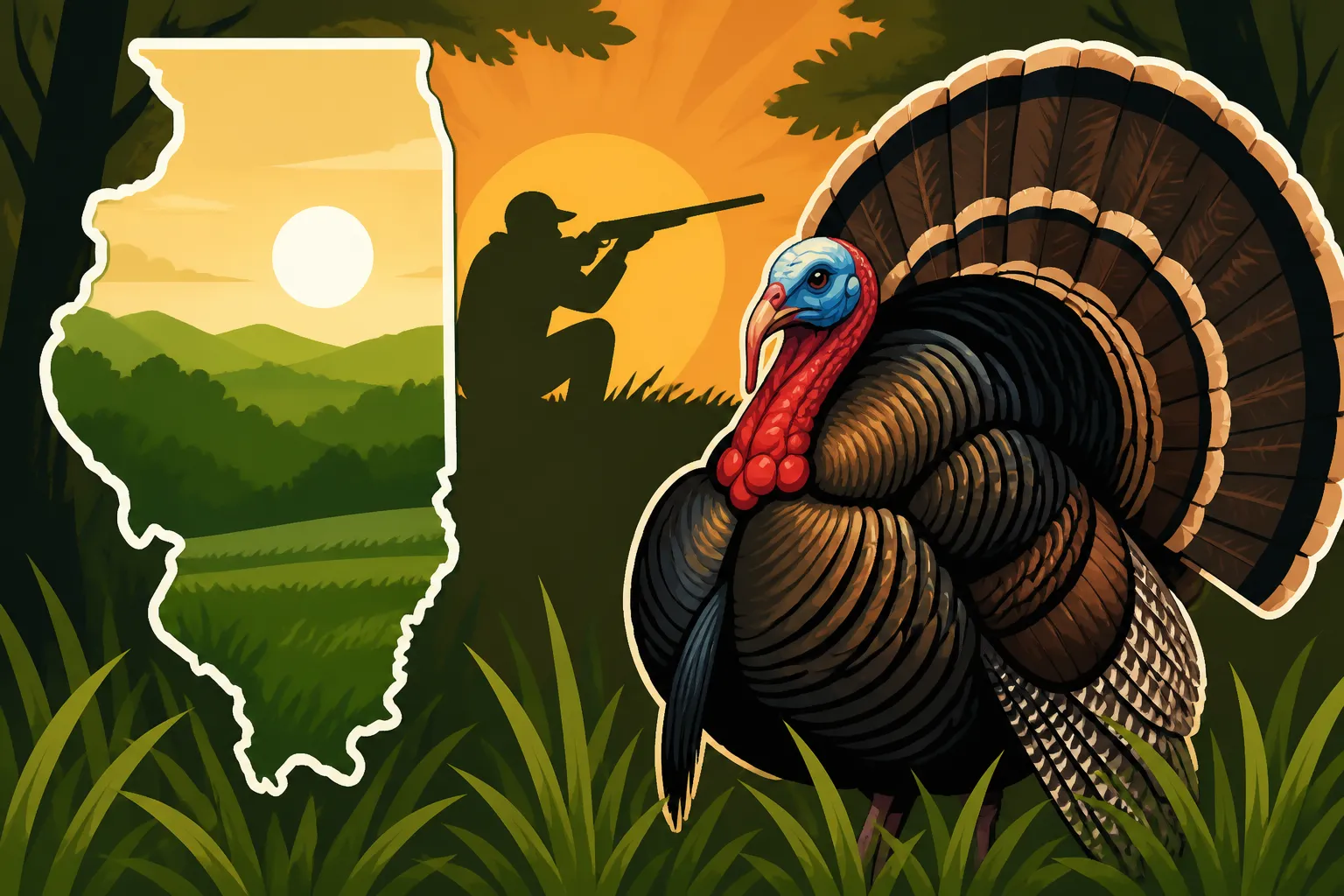
Finding good public land to chase gobblers in Illinois can feel like searching for a needle in a haystack, especially when so much of our state is private farmland. Many hunters get discouraged by crowds or simply don't know where to start looking beyond the obvious spots. This guide is here to cut through that frustration, offering a realistic look at where to find public land turkeys and practical strategies to put you on birds, even in heavily-used areas.
Understanding Illinois Public Land for Turkey
Let's be honest, Illinois isn't known for its vast expanses of uninterrupted public land like some western states. But that doesn't mean the opportunities aren't there. It just means you have to be smarter, more strategic, and often willing to work a little harder to find those elusive gobblers. The key is understanding the unique challenges and characteristics of our public hunting grounds.
The Challenge of Pressure and Habitat Fragmentation
One of the biggest hurdles facing public land turkey hunters in Illinois is the sheer amount of hunting pressure. Spring turkey season is a beloved tradition, and for good reason! This often means popular public access areas, especially those easily reachable, can see a lot of boots on the ground. When birds are called to constantly, they become "educated" in a hurry, making them much tougher to lure into range. It's a real struggle when you know birds are there, but they just won't commit.
Beyond pressure, Illinois's landscape is heavily fragmented. Large swaths of timber are often broken up by agricultural fields, roads, and residential areas. This habitat fragmentation means turkeys might have smaller, more isolated patches of woods to call home. These isolated pockets can be magnets for hunters because they're easy to identify on a map, which only compounds the pressure problem. Finding consistent success often means looking beyond these obvious, easy-to-access woodlots and pushing deeper, or finding those overlooked slivers of cover that others ignore.
Key Public Land Characteristics for Gobblers
Despite the challenges, Illinois does hold some fantastic turkey habitat on public lands. What exactly makes a piece of public ground a potential gobbler haven? It often comes down to a few critical factors:
- Mature Timber: Turkeys need big, old trees for roosting. Look for areas with a good mix of oak and hickory, as these also provide crucial mast crops like acorns and nuts that sustain birds through the fall and winter. These food sources are essential for keeping birds in the area year-round.
- Diverse Understory: A healthy understory of shrubs, briars, and young trees provides critical nesting cover for hens and escape routes from predators. Areas that have undergone selective timber stand improvement, leaving a patchwork of different age classes, can be golden.
- Water Sources: Creek bottoms, river drainages, and even small ponds are vital. Turkeys need water daily, and these areas also provide insects and lush vegetation, especially in drier periods. River bottom corridors are natural travel routes for turkeys, connecting different patches of habitat.
- Open Areas: While they love the woods, turkeys also need open areas for strutting, dusting, and bugging. Field edges, logging roads, clearings, and even sparse timber patches can serve this purpose. These are the places where a tom is most likely to show off for a hen or come to a call.
- Topography: This is especially true in Southern Illinois. Ridge tops and steep hollows create natural funnels and thermal currents that turkeys use to their advantage. Learning to read the land, understanding how turkeys use these features for travel, feeding, and roosting, is key. When you're scouting, pay close attention to the lay of the land; sometimes the steepest, nastiest terrain holds unpressured birds. More on that later, but a good starting point is Scouting Illinois Public Land Before Season.
Top Regions and Specific Areas for Public Land Turkey
Illinois, while mostly flat, has several distinct regions that offer excellent public land turkey hunting, each with its own character and challenges. Knowing these regions and what to expect can help you narrow down your search and maximize your chances of success.
Southern Illinois: The Shawnee Hills and Beyond
When most hunters think of public land hunting in Illinois, their minds immediately drift south, and for good reason. Southern Illinois, particularly the vast Shawnee National Forest Hunting, offers the largest continuous tracts of public land in the state. Covering over 280,000 acres across the bottom counties, it's a completely different landscape than the rest of Illinois.
Here, you'll find rugged, hilly terrain, mature hardwoods, deep hollows, and extensive river bottomlands. This diverse habitat is ideal for turkeys, providing abundant roosting, feeding, and nesting cover. The sheer size of Shawnee means that while some areas can still get pressure, there are always places to get away from the crowds if you're willing to hike. You can often find areas where turkeys haven't heard a single call all season simply by walking an extra half-mile. Look for areas with significant elevation changes, deep timbered draws, and access points that require a longer walk in. Fish and Wildlife Areas like Kinkaid Lake, Giant City State Park (with specific hunting areas), and the less-trafficked portions of Shawnee are worth exploring. Keep an eye out for timber cuts or areas with diverse forest management, as these often create excellent pockets of feed and cover.
West-Central Illinois River Breaks and Bluffs
Moving north, the areas along the major river systems – the Illinois River and the Mississippi River – offer another fantastic, though often more fragmented, set of public land opportunities. These "river breaks" are characterized by steep bluffs, deep ravines, and extensive timbered corridors that wind their way through otherwise agricultural landscapes.
The Hunting the Illinois River Valley offers a mix of state parks, fish and wildlife areas, and conservation areas that can hold robust turkey populations. These areas often feature excellent bottomland timber that runs right up to steep, timbered bluffs. Turkeys utilize both the river bottoms for feeding and strutting and the bluffs for roosting and travel. Examples include Spoon River State Forest, Jim Edgar Panther Creek State Fish and Wildlife Area, and portions of the Mississippi River State Fish and Wildlife Area. The challenge here is that these pieces of public land are often smaller and more isolated than in Southern Illinois, meaning they can experience heavier pressure, especially on opening weekends. However, if you can find a piece of public ground that connects multiple timber blocks or a substantial creek drainage, you might just find your birds. Using aerial maps, like those found on onX Hunt, can be incredibly helpful here to identify these connecting corridors and unpressured pockets.
North and Central Illinois Pockets of Opportunity
Don't despair if you're hunting in the more agricultural northern or central parts of Illinois! While large tracts of public timber are scarce, pockets of excellent turkey hunting still exist. You just have to change your mindset from vast forests to smaller, often overlooked parcels.
These areas will typically consist of smaller state parks, state recreation areas, and conservation areas, sometimes bordering larger private land timber blocks. These turkeys are often accustomed to living in closer proximity to people and farms, making them potentially warier but also offering unique challenges. Focus on areas with substantial creek bottoms, steep-sided ditches with dense cover, or woodlots that are difficult for others to access. These smaller areas might not hold as many birds as the southern regions, but the birds that are there can be just as callable. Look for habitat edges where timber meets fields, as turkeys will often roost in the trees and feed in the fields. Identifying key travel corridors, like those described in Turkey Tactics for Farmland Field Edges, becomes even more critical in these fragmented landscapes. Tools like GoHunt's mapping capabilities can help you zero in on those small, overlooked parcels of public land nestled against private timber, offering you a hidden gem.
| Region | Typical Terrain | Turkey Density (Public Land) | Pressure Level | Key Habitat Features |
|---|---|---|---|---|
| Southern Illinois | Hilly, rugged, mature hardwoods, river bottoms | High | Moderate (can be low if you walk) | Large timber blocks, diverse elevation, mast crops |
| West-Central Illinois | River bluffs, rolling timber, agricultural mix | Medium-High | Moderate-High | Timbered river corridors, field edges, steep ravines |
| North/Central Illinois | Smaller woodlots, creek bottoms, flat farmland | Medium | High | Isolated timber, dense creek cover, edge habitat |
Strategies for Success on Public Land Turkey
Now that you know where to look, let's talk about how to be successful once you're out there. Public land turkeys are often "educated" birds, meaning they've heard it all and seen it all. You'll need to employ smart tactics to outwit them.
Thorough Scouting and Map Reconnaissance
This cannot be stressed enough: scouting is your number one asset on public land, especially for turkeys. You simply cannot show up on opening day and expect consistent success without having done your homework. Pre-season scouting allows you to:
- Locate Roost Trees: Turkeys will often use the same roosting areas year after year. Look for tall, mature trees, especially along ridge lines, near water, or over deep hollows, with droppings and feathers underneath. Knowing where a bird is likely to spend the night is half the battle.
- Identify Strutting Zones: These are often open areas near timber where a gobbler can display for hens. Field edges, logging roads, and even sparse timber patches can be key strutting areas. Look for tracks, wing drags, and droppings.
- Pinpoint Travel Corridors: How do turkeys move from roost to feeding areas to strutting zones? Identify natural funnels, creek beds, ridge lines, and subtle terrain features that force birds into predictable pathways. This is where Reading Aerial Photos for Southern Illinois Deer can translate directly to turkey scouting, helping you see the landscape from a bird's eye view.
Utilize mapping apps like onX Hunt or GoHunt extensively. These tools are invaluable for identifying public/private boundaries (so you don't accidentally trespass!), analyzing topography, finding potential roosting sites, and marking historical turkey activity. I'll spend hours pouring over these maps, identifying every little creek, saddle, and timber edge that looks promising before I even set foot on the ground. It helps me focus my efforts and avoid wasting time in unproductive areas.
Adapting to Pressure and Using "Run-and-Gun" Tactics
Public land turkeys hear a lot of calling. They hear slate calls, box calls, mouth calls, loud calls, soft calls – you name it. This means they can become very wary of anything that sounds unnatural or too aggressive. One of the most effective ways to combat this pressure is to be mobile.
The "run-and-gun" approach is tailor-made for public land. Instead of setting up and waiting for hours, you cover ground, stop frequently to call (often with softer, more realistic sounds), listen intently, and move on if you don't get a response. This allows you to cover more territory, locate birds that might be gobbling minimally, and get into position quickly. When you do hear a bird, don't rush in. Evaluate the situation, use the terrain to your advantage for concealment, and try to get as close as possible without spooking him before setting up to call. The goal is to make him believe a hen is coming to him, not the other way around. This involves a lot of stealth and patience, much like the advice in Run-and-Gun Turkey Tactics on Public Land. Sometimes, the best call is no call at all once you've located a bird and are setting up.
Decoy Use and Calling Strategies
Decoys can be a powerful tool, but they need to be used wisely, especially on pressured public land. A full strut tom decoy might work wonders on unpressured birds on private land, but on public land, it can actually scare off wary gobblers who've seen it all before.
For pressured birds, consider minimalist decoy setups: a single hen, or a jake and a hen. Place them in an open area where they can be seen, but always position yourself so the gobbler must approach the decoys from your shooting lane. Be mindful of Decoy Placement for Pressured Illinois Birds as placing them too close to your setup, or in thick cover, can hinder their effectiveness. If you're really concerned about educated birds, sometimes no decoy at all is the best option, relying solely on your calling and woodsmanship.
As for calling, think realism and subtlety. Forget the loud, aggressive calling you see on TV. Start soft and listen. Mimic realistic hen sounds – clucks, purrs, and soft yelps. If a gobbler is hammering, you might be able to get a little more aggressive, but always let the bird dictate the conversation. Sometimes, the softest calls are what seals the deal. Remember, you're trying to sound like a lone hen looking for love, not a turkey calling convention. For morning setups, learning to effectively Calling an Illinois Gobbler Off the Roost is critical to getting that initial response.
Important Regulations and Considerations
Hunting public land in Illinois, especially for turkeys, comes with its own set of rules and ethical considerations. Being informed and responsible will not only keep you legal but also ensure a positive experience for everyone.
Understanding Permit Requirements and Season Dates
Illinois manages its spring turkey season with a lottery system, often dividing the state into various zones and periods. This means you can't just buy a permit and hunt anywhere; you'll need to apply for specific permits for specific counties and timeframes. Understanding the Illinois Spring Turkey Zones and Periods is absolutely essential before you even start planning your hunt. Permits are often limited, especially for desirable counties and early periods, so planning ahead is crucial. Non-residents, in particular, face challenges due to limited permit availability and higher costs, so checking the IDNR website well in advance for application deadlines and permit quotas is a must.
Beyond the general state regulations, many individual public hunting sites have their own specific rules. This could include mandatory check-in/check-out procedures, special permit drawings for certain areas, restrictions on hunting methods, or designated hunting boundaries. Always check the specific site regulations for any public land you plan to hunt. A quick phone call to the site office or a thorough review of the IDNR website for that specific area can save you a lot of headaches, or even a ticket.
| Aspect | Details |
|---|---|
| Permit Type | Spring Turkey Permit (specific zone/county and hunting period) |
| Application | Lottery system, typically through the IDNR website. Check for application deadlines well in advance. |
| Availability | Limited, especially for popular zones and early periods. Non-resident permits are often very competitive. |
| Season Structure | Divided into multiple periods within various zones (e.g., Hunting the First South Zone Turkey Period). |
| Bag Limit | Generally one tom or bearded hen per permit, with a maximum limit across all periods/permits. Consult regulations. |
| Legal Weapons | Shotguns (10 gauge to 20 gauge, with certain shot sizes), or archery equipment. Refer to current regulations. |
| Reporting | Mandatory harvest reporting via phone or online within a specific timeframe (e.g., by 10 PM on harvest day). |
Respecting Other Users and Ethical Hunting
Public lands are shared resources, and showing respect to other hunters, hikers, birdwatchers, and other users is paramount. Parking appropriately, keeping noise to a minimum, and giving other hunters ample space are basic courtesies that go a long way. If you stumble upon another hunter's setup, quietly back out and find another area. We're all out there for a good experience, and a little common courtesy makes a big difference.
Ethical hunting practices are non-negotiable. This includes:
- Positive Identification: Always be 100% sure of your target and what's beyond it. Ensure it's a legal bird (tom or bearded hen) before taking a shot.
- Responsible Shots: Take ethical shots within your comfortable range to ensure a clean kill and minimize suffering.
- Recovery Efforts: If you shoot a bird, make every effort to recover it. Track it thoroughly, even if it means searching for hours.
- Packing Out What You Pack In: Leave no trace. Take all your trash, shell casings, and anything else you brought with you.
Public land turkey hunting in Illinois can be incredibly rewarding, but it demands diligence, patience, and respect for both the game and your fellow outdoor enthusiasts. Combine smart scouting, adaptive tactics, and a solid understanding of the regulations, and you'll greatly increase your chances of calling in that Illinois gobbler. Remember to always have your Illinois Hunting Licenses and What They Cost and all required permits in your possession.
Disclaimer
This article is for general informational purposes only and does not constitute professional advice. Laws, prices and regulations vary by location and change over time. Consult a qualified professional for guidance on your specific situation.