Dog-Drive Hog Guide Services
Feral hogs are a real headache for landowners and farmers across Illinois, tearing up fields, destroying habitat, and outcompeting native wildlife. If you've ever dealt with the destruction these intelligent, prolific creatures can inflict, you know just how challenging it is to manage their populations. This guide dives deep into dog-drive hog guide services in Illinois, explaining how this dynamic hunting method works, what to expect from a professional guide, and why it might be the most effective way to tackle the wild hog problem.
The Persistent Problem of Feral Hogs in Illinois
Wild hogs, often called feral swine, are an invasive species causing widespread ecological and agricultural damage across the country, and Illinois is no exception. They might not be as widespread as in some southern states, but their presence is a growing concern, especially in the southern half of the state. These aren't your typical farm pigs; they're tough, cunning, and reproduce at an astonishing rate, making them incredibly difficult to eradicate once they establish a foothold.
Where Illinois Hogs Are Found
While you might not think of Illinois as prime hog country, these animals have made their way into many counties, primarily concentrated in the southern and western regions. They thrive in areas with dense cover, access to water, and abundant food sources, which describes much of Illinois's mixed agricultural and forested landscapes. Feral Hogs Across Illinois talks more about their spread. River bottoms, dense timber blocks, and remote agricultural fields provide ideal hideouts for them, allowing their numbers to swell largely unnoticed until their destructive impact becomes undeniable. Farmers wake up to perfectly tilled fields overnight, and hunters find miles of rooted-up forest floor where deer and turkey once fed.
The Damage Wild Hogs Inflict
The issues caused by feral hogs go far beyond just being a nuisance. Their relentless rooting behavior destroys crops, pastures, and natural plant communities. They consume native wildlife's food sources, prey on fawns, turkey poults, and ground-nesting birds, and can transmit diseases to livestock and even humans. The economic toll on agriculture alone is staggering. Imagine planting an entire season's corn crop, only for a sounder of hogs to decimate acres of it in a single night. This isn't a rare occurrence; it's a constant threat that has farmers desperate for solutions. Crop Damage Hogs Cause in Illinois details some of the severe impacts. This is why the state has declared them an unprotected species, allowing year-round hunting with few restrictions to encourage their removal.
What is Dog-Drive Hog Hunting?
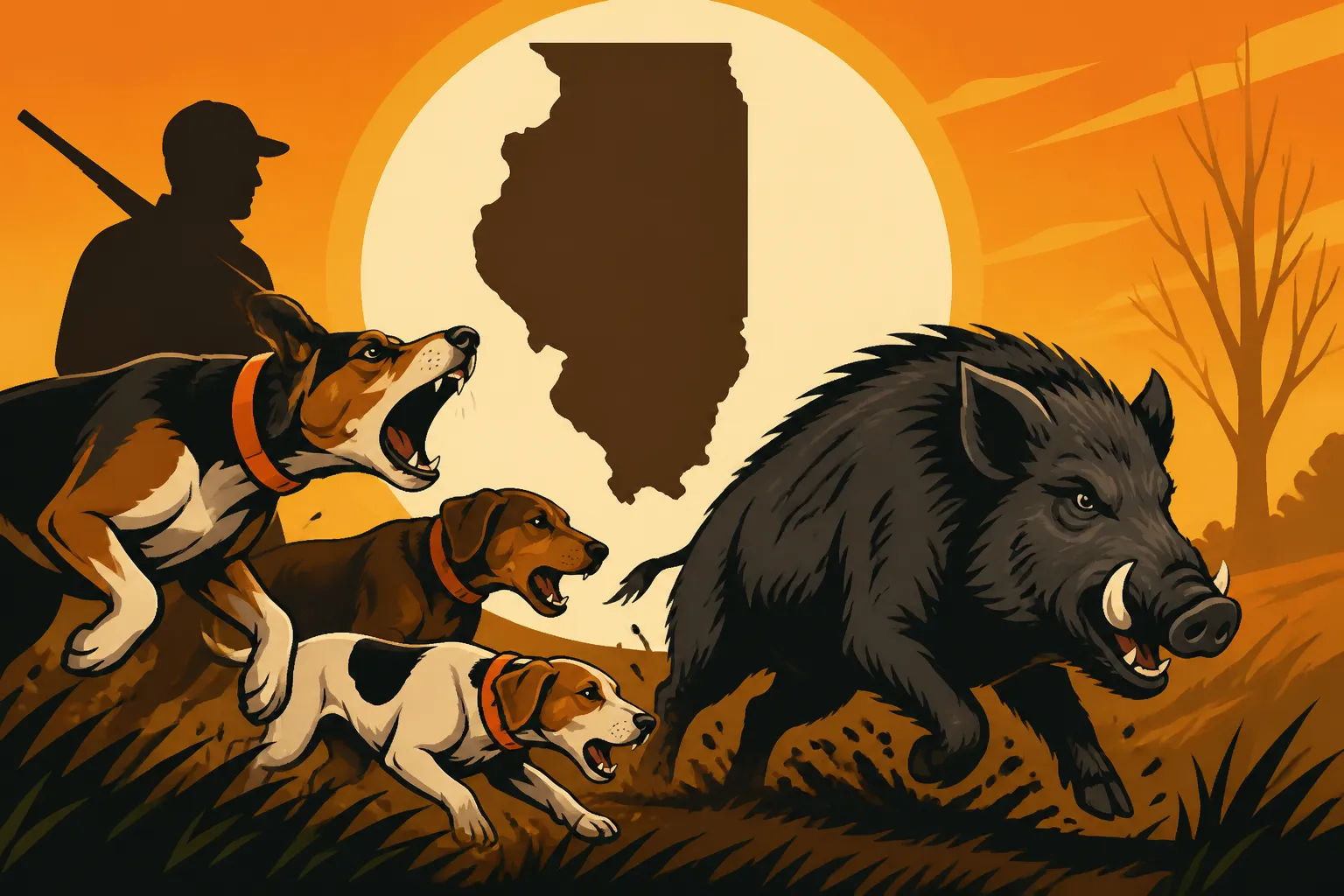
Dog-drive hog hunting is a traditional and highly effective method of pursuing feral hogs, particularly in dense cover where still-hunting or stalking is nearly impossible. It’s a dynamic, high-energy approach that uses specially trained dogs to locate, bay, and sometimes catch wild pigs, bringing them to bay for hunters.
The Role of Catch Dogs and Bay Dogs
In a typical dog-drive operation, you'll encounter two main types of dogs, each with a crucial role:
- Bay Dogs: These dogs are the scouts. They are typically cur breeds, hounds, or mixes, known for their incredible noses, stamina, and vocalizations. Their job is to track a hog's scent, locate a sounder, and then "bay" the hog. Baying means cornering the hog and barking incessantly to keep it in place, allowing the hunters to approach. They keep a safe distance, circling and barking, harassing the hog without engaging physically, minimizing risk to both dog and hog. The constant noise guides hunters to the action.
- Catch Dogs: Once bay dogs have a hog cornered, catch dogs, often pit bulls, American bulldogs, or other powerful breeds, may be released. These dogs are specifically trained to engage the hog, typically by grabbing an ear or the jowl, pinning it down for the hunter to move in and dispatch it quickly and humanely with a knife or pistol. This part of the hunt is fast-paced and requires absolute precision and control from the guide and the dogs. It’s not for the faint of heart, but when done correctly, it’s remarkably efficient.
How a Dog Drive Works in the Field
A dog-drive hog hunt often involves a team of hunters and dogs covering a specific block of woods or thick cover. The hunters typically position themselves on stand locations along known escape routes or edges of the cover, while the dogs are released to push through the brush. The bay dogs will pick up a scent, track it, and then begin to bay the hogs. The guides, often following the dog's GPS collars and listening to their barks, direct the hunters to intercept the moving hogs or close in on a bayed animal. It's a symphony of barks, grunts, and the rustling of leaves as the dogs and hogs interact. This method is particularly effective in areas where hogs have learned to evade human hunters, as the dogs' relentless pursuit often pushes them into unfamiliar territory or forces them to stand their ground. Trapping Illinois Feral Hogs is another method often used in conjunction with hunting.
Why Choose a Guided Dog-Drive Hog Hunt?
While the idea of hunting with dogs might sound exhilarating, coordinating a successful dog-drive hog hunt is incredibly complex and requires significant expertise, specialized equipment, and well-trained animals. This is where professional dog-drive hog guide services become invaluable, especially for hunters unfamiliar with the technique or the local terrain.
Access to Private Land and Expert Knowledge
One of the biggest hurdles for any hunter, especially when dealing with evasive species like wild hogs, is gaining access to prime hunting ground. Reputable hog guides often have extensive networks and lease agreements with private landowners who are desperate to mitigate hog damage. This means you're hunting properties that are actively experiencing hog problems and where the animals aren't as pressured by public land hunters. The guides also possess invaluable local knowledge, understanding the hogs' patterns, preferred bedding areas, and travel corridors specific to the terrain. They know where to release the dogs, where to place standers, and how to read the dogs' behavior to predict the hogs' movements. This local insight dramatically increases your chances of a successful hunt compared to trying to figure it out on your own.
Specialized Dogs and Equipment
Attempting a dog-drive hunt without the proper canine companions is like trying to duck hunt without decoys – it's an uphill battle. Professional guides invest heavily in training and maintaining their packs of bay and catch dogs. These aren't just pets; they're finely tuned athletes with years of experience navigating thick brush, tracking scent, and safely engaging dangerous animals. Beyond the dogs, guides bring all the necessary equipment: GPS collars for the dogs, radios for communication among hunters, and often specialized vehicles to navigate rough terrain. They also carry essential safety gear for both dogs and humans, including cut vests for the catch dogs, medical supplies, and protective equipment for dispatching hogs. This eliminates the need for you to acquire this expensive and specialized gear, letting you focus on the thrill of the hunt. Many hunters use platforms like GoHunt to research different guide services and their offerings, looking at the type of dogs and equipment they use, among other things.
Safety and Ethical Considerations Handled
Hunting wild hogs, especially when engaged by dogs, can be a dangerous endeavor. Hogs are powerful animals with sharp tusks capable of inflicting serious injury on dogs and humans alike. Professional guides prioritize safety. They know how to handle the dogs, read hog behavior, and ensure hunters are in safe positions. They also understand the nuances of a quick, humane dispatch, which is paramount in dog-drive hunting. A guide ensures that the hunt is conducted ethically, with respect for the animals and adherence to local regulations. Illinois Feral Hog Regulations outlines the broad rules, but guides ensure specific site rules are followed. They're experienced in making split-second decisions that protect everyone involved and ensure a responsible harvest.
Finding and Vetting a Dog-Drive Hog Guide
Choosing the right guide service is paramount to a successful and enjoyable dog-drive hog hunt. It’s not just about finding someone with dogs; it's about finding a professional who prioritizes safety, ethical hunting, and client satisfaction.
Researching Potential Outfitters
Start your search by looking for outfitters specifically advertising dog-drive hog hunts in Illinois, particularly in the southern and western regions where hogs are most prevalent. Websites like BookYourHunt are excellent resources for finding and comparing different guide services. You can often filter by species, location, and even hunting method, which will quickly narrow down options to those specializing in dog-drive hog hunts. Pay close attention to descriptions that detail their dog breeds, years of experience, and the specific areas they hunt. Don’t just look at the flashiest websites; dig deeper into testimonials and reviews. Look for guides who have a clear philosophy on humane dispatch and responsible hunting practices.
Consider these aspects during your initial research:
- Location: Are they operating in counties known for high hog populations?
- Experience: How long have they been offering dog-drive hunts?
- Dog Breeds: Do they use established bay and catch dog breeds known for hog hunting?
- References: Do they offer client references or have a strong review presence on reputable hunting forums or booking sites?
- Transparency: Are they upfront about pricing, what’s included, and any additional fees?
Questions to Ask Before Booking
Once you have a shortlist of potential guides, it's time to pick up the phone. A good guide will welcome your questions and provide clear, honest answers. Here’s a table of essential questions to ask:
| Category | Questions to Ask |
|---|---|
| Experience | How many years have you been guiding dog-drive hog hunts in Illinois? |
| What areas or counties do you primarily hunt? | |
| Dogs | How many dogs are in your pack, and what breeds are they? |
| What is your training philosophy for your dogs? | |
| What measures do you take to ensure the dogs' safety during a hunt? | |
| Hunt Details | What is the typical group size for a dog-drive hunt? |
| What is the average duration of a hunt (e.g., half-day, full-day)? | |
| What is your typical success rate for hog harvests using this method? | |
| What kind of terrain will we be hunting? | |
| What happens if a hog is wounded? (Tracking and recovery plan) | |
| Logistics | What gear should I bring? (Footwear, clothing, weapon choice) |
| Are meals, lodging, or game processing included or available as add-ons? | |
| What is the deposit and cancellation policy? | |
| What licenses or permits do I need to acquire beforehand? Illinois Hog Hunting Permit Requirements | |
| Safety | What are your safety protocols, especially when dogs are engaged with a hog? |
| What is the weapon choice you recommend for dispatch? |
Pay attention not just to the answers, but how the guide answers. Are they confident, knowledgeable, and patient? Do they sound genuinely passionate about the sport and ethical hunting? A professional guide will take the time to ensure you feel prepared and comfortable. Some outfitters, especially those working with clients from out of state, might even assist with securing necessary licenses, though you're ultimately responsible for having them.
What to Expect on a Dog-Drive Hog Hunt
A dog-drive hog hunt is an experience unlike many other forms of hunting. It's intense, physically demanding, and incredibly rewarding when successful. Knowing what to expect can help you prepare mentally and physically for the adventure.
The Dynamics of the Hunt
The morning of your hunt will likely start early, with the guide briefing the group on the day's plan, safety protocols, and the specific roles each hunter will play. You might be assigned to a "stand" location, often a strategic point along a ridge, a field edge, or a road where hogs are expected to cross when pushed by dogs. Other hunters might join the guide and dog handlers, following the action and moving with the dogs.
Once the dogs are released, the woods will come alive with their barks. You'll hear the excited yips of bay dogs as they pick up a track, followed by the deeper, more insistent barks as they close in and bay a hog. This auditory experience is a significant part of the thrill. Communication via radio is key as guides direct hunters to intercept moving hogs or converge on a bayed animal. When a hog is bayed, you’ll likely need to move quickly and quietly through thick cover to get to the location. The goal is a clean, ethical shot or dispatch as soon as the guide gives the green light. The action can be fast and furious, demanding quick reflexes and sound judgment.
Physical Demands and Gear
This is not a sit-in-a-blind-all-day type of hunt. Dog-drive hog hunting can be very strenuous. You’ll be walking, often at a brisk pace, through dense undergrowth, over uneven terrain, and potentially up and down hills. Stamina is crucial. If you're assigned to a stand, you might be still for long periods, but if you're following the dogs, be prepared for a workout.
Here's a breakdown of recommended gear:
- Footwear: Sturdy, waterproof boots with good ankle support are non-negotiable. You'll be traversing muddy, rocky, and brushy terrain.
- Clothing: Durable, briar-resistant pants and jackets are highly recommended. Think tough canvas or synthetic materials. Dress in layers to adapt to changing temperatures and your activity level. Blaze orange is often required in Illinois for firearm hunting, so ensure you have adequate visibility.
- Weapon: While many hunters use firearms, the close-quarters nature of dog-drive hunting often means a handgun (such as a .357 Magnum, .44 Magnum, or 10mm Auto) or a large fixed-blade knife are preferred for dispatching a bayed hog. Shotguns with slugs or straight-wall cartridge rifles are also common if hogs are being pushed past standers. Discuss weapon choices with your guide beforehand, as they will have specific recommendations based on their methods and safety protocols.
- Other Essentials: Water, snacks, a small first-aid kit, insect repellent, and gloves are always good to have. A GPS device or a phone with a reliable mapping app can be useful for personal navigation, though you'll be with a guide.
Remember, the guide will advise on specific gear, and it's always best to follow their recommendations. This is a very different experience than, say, Bowhunting Illinois's Long Archery Season or Hunting Central Illinois Farmland Deer, where stealth is key.
Dispatching and Processing Hogs
Once a hog is successfully bayed, the guide will move in with a catch dog if necessary, and instruct the hunter on the safest and most humane method of dispatch. This often involves a quick, close-range shot with a pistol or a swift knife dispatch to the heart. The emphasis is always on a clean, ethical kill.
After the harvest, the guide will typically assist with field dressing the hog. Hogs can be heavy, especially large boars, so teamwork is essential. Many guides also offer basic skinning and quartering services, or can direct you to local processors. If you plan to take the meat home, be prepared with coolers and ice. Proper handling of the carcass is critical, especially in warmer weather, to ensure the meat is good for consumption. Remember that Why Illinois Treats Hogs as Unprotected makes them fair game, but good practices still apply.
Safety and Ethics in Dog-Drive Hog Hunting
While exhilarating, dog-drive hog hunting comes with inherent risks, both for hunters and the dogs. A professional guide is indispensable for managing these risks and ensuring the hunt is conducted ethically and safely.
Minimizing Risks for Hunters and Dogs
Hogs are tough animals, and they will defend themselves, especially a cornered boar or a sow with piglets. Hunters need to be acutely aware of their surroundings, keep their firearms pointed in safe directions, and only take shots when a clear backstop is identified and the dogs are out of the line of fire. The guide will constantly monitor the situation, ensuring hunters are positioned safely and the dogs are working effectively without unnecessary exposure to danger. They will also carry supplies for dog first aid, including suture kits and protective gear for the dogs, like cut vests, to prevent injuries from tusks. It's a testament to a guide's experience when they can orchestrate such a dynamic hunt while keeping everyone safe.
Here are some key safety considerations:
- Awareness: Always know where the dogs, other hunters, and the hog are.
- Weapon Safety: Keep your weapon on safe until ready to shoot. Only discharge when you have a clear shot and are absolutely certain of your target and what lies beyond.
- Following Instructions: The guide's word is law. They are the experts in the field and their instructions are for everyone's safety.
- Protective Gear: Wear durable clothing that can withstand briars and offer some protection.
- Hydration: Stay hydrated, especially during warmer months, as the physical exertion can be intense.
Responsible Hunting Practices
Ethical hunting goes beyond simply following the law; it involves respecting the animal, the land, and the tradition of hunting. In dog-drive hog hunting, this means ensuring a humane dispatch and making every effort to recover any wounded animals. A good guide will emphasize these principles throughout the hunt.
- Humane Dispatch: The goal is a quick, clean kill. Guides are skilled at assessing the situation and advising on the most effective method, whether it's a precise shot or a swift knife dispatch.
- Carcass Utilization: While hogs are an invasive species, many hunters still choose to harvest the meat. Discuss with your guide how to best process and utilize the animal, honoring the life taken.
- Land Stewardship: Guides often work closely with landowners who are suffering from hog damage. Being a responsible hunter means respecting the private land you are on, leaving no trace, and helping to alleviate the problem, not exacerbate it. This includes understanding the year-round, no-limit rules for hogs in Illinois, which is designed to help control their population, as discussed in Illinois's Year-Round Hog Rule on Private Land.
- Dog Welfare: A reputable guide places the welfare of their dogs at the forefront, treating them as partners and athletes, not mere tools. They will ensure their dogs are well-cared for, trained, and protected.
Dog-drive hog hunting is an exciting and effective way to contribute to feral hog control in Illinois. By choosing a professional guide, you tap into their expertise, specialized resources, and commitment to a safe and ethical hunting experience.
Disclaimer
This article is for general informational purposes only and does not constitute professional advice. Laws, prices and regulations vary by location and change over time. Consult a qualified professional for guidance on your specific situation.