Waiting Lists for Established Illinois Clubs
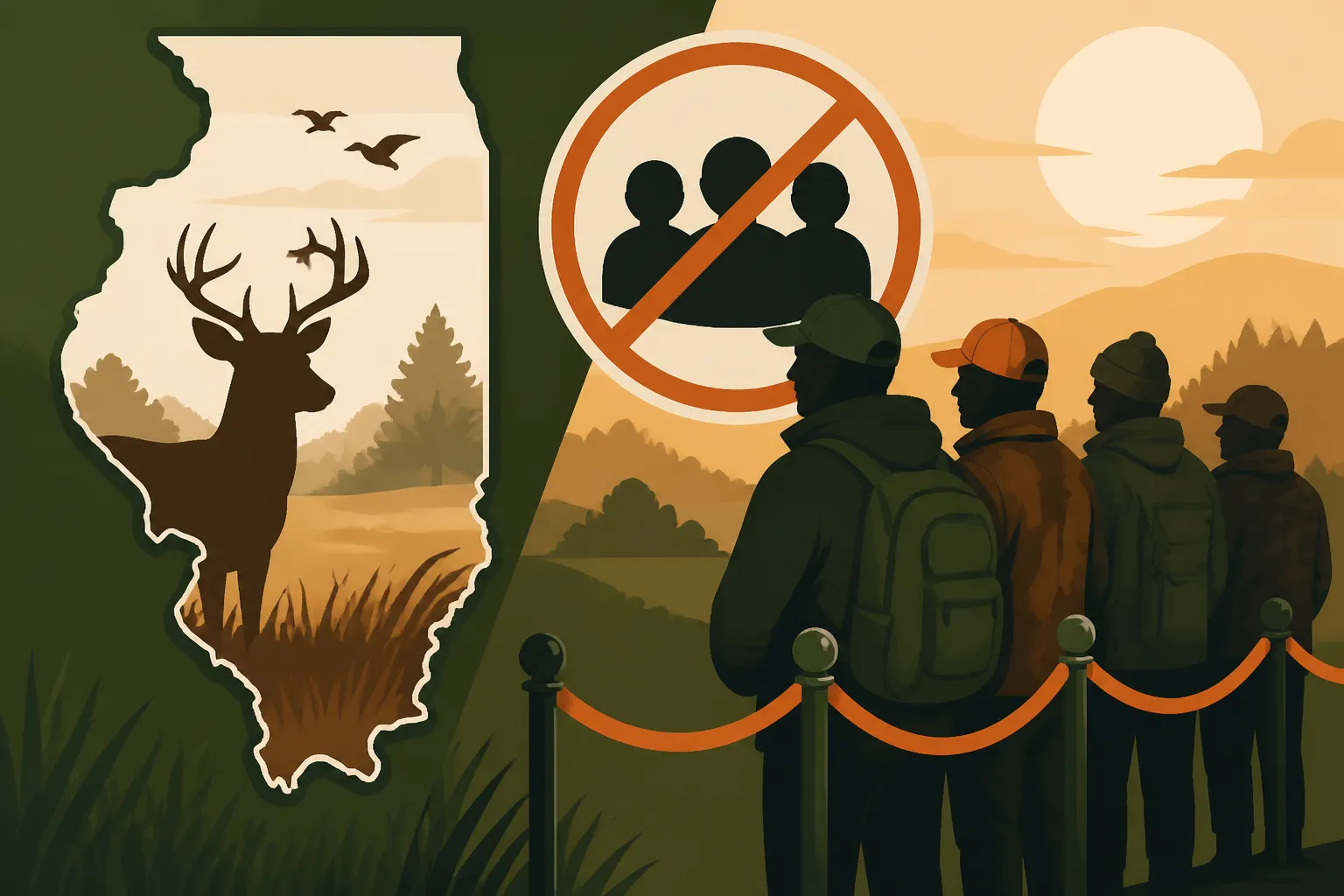
It can be incredibly frustrating to dream of joining a well-run hunting club in Illinois, only to discover that the most desirable ones have waiting lists stretching for years, if not decades. You envision sharing campfire stories, managing a prime piece of ground, and building lasting friendships, but the reality of limited access often feels like hitting a brick wall. This guide will walk you through why these established clubs are so sought after, how their waiting lists function, and practical strategies you can employ to potentially shorten your wait or find fulfilling alternatives in the meantime.
The Allure of Established Illinois Hunting Clubs
There's a reason why some hunting clubs have a line out the door, so to speak. They offer an experience that's hard to replicate on public land or with informal hunting groups. It’s not just about access to prime hunting spots; it’s about a complete lifestyle built around the pursuit of game and camaraderie.
What Makes Them So Desirable?
For many hunters, joining an established club represents the pinnacle of their hunting journey. These aren't just collections of individuals; they are communities with shared values and often decades of history. Typically, you'll find these clubs situated on significant acreage of private land, sometimes hundreds or even thousands of acres, offering incredible wildlife habitat that's carefully managed. This usually means better quality deer, healthier turkey populations, and abundant small game.
Beyond the land itself, members often benefit from shared resources and amenities. Imagine a comfortable lodge for overnight stays, a dedicated locker for game processing, or even equipment like tractors for food plot maintenance. The collective effort of many hands also makes habitat improvement projects, like planting Green Fields Planted for Deer or managing timber, much more feasible and impactful than what an individual hunter could achieve alone. There's also the invaluable knowledge exchange that happens within a club; seasoned hunters can mentor newer members, sharing tactics for Hunting the Rut in Early November or advice on Deer Drives With Three or Four Hunters. This sense of community and shared passion is a huge draw, cultivating friendships that can last a lifetime.
The Reality of Limited Openings
Unfortunately, the very desirability that makes these clubs so attractive also contributes to their exclusivity. Established clubs often have a very low turnover rate. When members join, they tend to stay for the long haul, sometimes passing their memberships down through generations. This creates a bottleneck, where new spots only open up sporadically, if at all. The demand far outstrips the supply, leading to those legendary waiting lists. You might hear stories of someone waiting five, ten, or even fifteen years for an opportunity. This scarcity can be frustrating, especially for younger hunters eager to dive into a dedicated hunting environment, or nonresidents who appreciate the quality of Why West-Central Illinois Grows Trophy Bucks. It's a testament to the value these clubs provide, but also a significant hurdle for those looking to join.
Understanding the Waiting List Phenomenon
When you encounter an established Illinois hunting club with a waiting list, it's not simply a queue. There's usually a structured process behind it, and understanding that process can help you manage your expectations and potentially strategize your entry.
How Waiting Lists Typically Work
Every club handles its waiting list a bit differently, but there are common threads. Most will require you to submit an application, which often includes details about your hunting experience, your values, and perhaps even references. Some might ask for a non-refundable application fee, signaling your serious intent. Once your application is accepted, you'll be placed on the list. Communication from the club might be infrequent, sometimes only once a year to confirm your continued interest or to update you on your position. It's rare for clubs to provide exact timeframes, as the movement on the list depends entirely on existing members leaving. Some clubs prioritize referrals from current members, so knowing someone on the inside can be a distinct advantage. Others might operate on a strict first-come, first-served basis, while still others might consider factors like age, geographical proximity, or specific skills you bring to the club.
It's a waiting game, often punctuated by hopeful but sparse updates. It’s a period where patience is truly a virtue, and maintaining a positive outlook, even without immediate gratification, is key.
Factors Influencing Wait Times
Several elements can dictate just how long you'll be waiting for that coveted call. The most obvious is club size and turnover rate. A smaller club with very loyal, long-term members will naturally have a slower-moving list than a larger club that might see a few members cycle out every year. The age demographic of current members can also play a role; if many members are older, there might be a higher likelihood of openings over time due to retirement from hunting or health considerations.
Regional demand is another big one. Clubs in highly desirable areas, such as the trophy buck havens of west-central Illinois, will almost certainly have longer and more competitive lists than clubs in less renowned hunting regions. Why Pike County Produces So Many Trophy Bucks directly contributes to this demand. Club policies on membership transfer (e.g., allowing family members to inherit spots) can also affect how many external openings occur. Finally, financial considerations can sometimes lead to turnover; if dues increase significantly, or a member faces unexpected life changes, they might decide to leave, freeing up a spot. It's a complex dance of various factors, making accurate predictions almost impossible.
Strategies for Navigating and Shortening Your Wait
While waiting lists can feel like an insurmountable barrier, there are definite steps you can take to make the most of your time, and perhaps even accelerate your entry into a club. It's about being proactive and strategic.
Proactive Steps to Get Noticed
Don't just sit back and wait for the phone to ring. Networking is paramount. If you know current members, lean on those relationships. Ask them to put in a good word for you, or invite you as a guest on a hunt to meet other members. Often, an internal recommendation carries significant weight. Attending local hunting expos, conservation events, or even taking Illinois Hunter Education Requirements courses can put you in contact with other passionate hunters, some of whom might be members of the clubs you're eyeing.
Beyond networking, consider what value you can bring to a club. Are you skilled in food plot management? Do you have experience with trail cameras and data analysis, or perhaps construction and maintenance skills? Highlighting these abilities in your application or during casual conversations can make you stand out. Demonstrate your commitment to ethical hunting, conservation, and community. Many clubs are looking for good stewards of the land and compatible personalities, not just another hunter. Being genuinely interested in habitat work or participating in local Illinois Wildlife Disease Monitoring efforts can show you're more than just looking for a place to hang a stand.
Exploring Alternatives While You Wait
Waiting doesn't mean you have to stop hunting. There are plenty of fantastic hunting opportunities in Illinois to keep you engaged and hone your skills. Public lands offer incredible diversity, from the vast expanses of Shawnee National Forest Hunting in southern Illinois to smaller Illinois State Fish and Wildlife Areas across the state. While they come with their own challenges, such as Hunting Pressure on Illinois Public Land, they provide invaluable experience.
Another excellent option is to explore hunting leases or day-rate opportunities. Services like BookYourHunt or GoHunt can be invaluable resources here, connecting you with landowners or outfitters who offer access to private ground for a fee. This allows you to experience well-managed properties without the long-term commitment or waiting list of a club. You might find a great short-term lease for Hunting Central Illinois Farmland Deer or a weekend spot for Pheasant Hunting Illinois Grassland. Even joining a smaller, less established syndicate or forming your own group for a short-term lease can bridge the gap. Consider exploring options for Illinois Hunting Lease Costs to understand the financial commitment. This strategy allows you to gain experience, build relationships, and stay sharp while you wait for that dream club spot to open up.
What to Expect Once a Spot Opens Up
When that long-awaited call finally comes, it’s exciting, but it’s also the beginning of a new phase of vetting and commitment. Don't assume the spot is yours immediately.
The Interview and Vetting Process
Even after years on a waiting list, most clubs will put potential new members through a rigorous interview and vetting process. This is their chance to ensure you’re a good fit for their community and that your values align with theirs. Expect questions about your hunting ethics, your experience, your commitment to safety, and your willingness to participate in club activities. They might ask for references, and they will likely conduct informal background checks through mutual acquaintances. It’s not uncommon for clubs to invite you to a dinner or a work party so current members can meet you in a relaxed setting and assess your personality. This isn't about being the best shot; it’s about being a compatible club member who will contribute positively to the group dynamic. Be prepared to articulate why you want to join their specific club and what you can bring to the table.
Financial and Time Commitments
Joining a hunting club is a significant commitment, both financially and in terms of your time. You’ll need to understand How Much an Illinois Hunting Club Membership Costs and ensure it fits within your budget. Dues can vary wildly, from modest annual fees to substantial investments, often covering land leases, habitat work, lodge maintenance, and insurance. Beyond the monetary aspect, clubs typically expect members to contribute their time and effort. This often involves mandatory work parties for tasks like maintaining food plots, repairing blinds, cleaning up after the season, or assisting with conservation projects. You might be expected to help with Habitat Work on Illinois Fish and Wildlife Areas if the club leases public ground, or improve access roads on private land.
It’s not just about showing up for the hunt; it's about being an active, contributing member of the community. Understanding these expectations upfront, and being genuinely willing to meet them, is crucial for a successful and long-lasting membership.
Here’s a quick overview comparing established clubs to other hunting avenues:
| Feature | Established Hunting Club | Public Land Hunting | Private Land Lease/Day Hunt |
|---|---|---|---|
| Land Quality/Access | Prime, managed, exclusive private land | Variable, often high pressure, open to all | Private, quality depends on landowner/lease |
| Cost | High initial/annual dues, often with waiting list | Low (license/stamps), high time investment in scouting | Moderate to high, annual or per-day fee |
| Community/Camaraderie | High, strong bonds, shared experiences | Low, mostly solo or small personal groups | Low, usually individual or small private group |
| Amenities/Resources | Lodge, processing, equipment, shared knowledge | Limited, self-reliance is key | Varies by lease, usually minimal beyond land access |
| Turnover/Availability | Very low turnover, long waiting lists | Always available (within season/rules) | Varies, more frequent openings than clubs |
| Habitat Management | Active, coordinated efforts by members | Managed by state agencies, less individual input | Varies by landowner, often minimal or farming-focused |
| Effort Required | Active participation in work parties, meetings | High effort in scouting, planning, self-sufficiency | Less than public, but still requires self-sufficiency |
Disclaimer
This article is for general informational purposes only and does not constitute professional advice. Laws, prices and regulations vary by location and change over time. Consult a qualified professional for guidance on your specific situation.