Illinois Muzzleloader-Only Season Tactics
Hunting deer during Illinois's muzzleloader-only season can be a real challenge. You're typically dealing with colder temperatures, possibly snow, and deer that have already been pressured by archery and the initial firearm seasons. Many hunters struggle to adapt their tactics from rifle hunting to the unique demands of a black powder rifle in late-season conditions, often leaving them feeling frustrated and coming home empty-handed. This comprehensive guide will equip you with the specific strategies, gear considerations, and late-season tactics you need to increase your chances of success during the Illinois muzzleloader season.
Understanding the Illinois Muzzleloader-Only Season
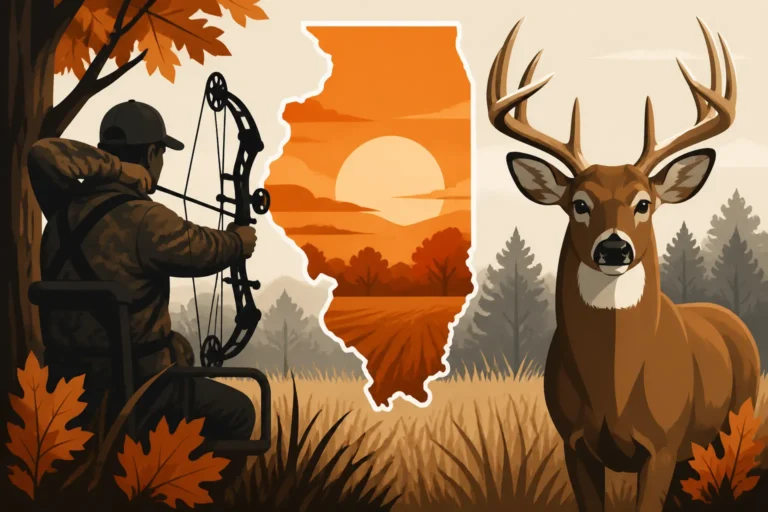
The Illinois muzzleloader-only season is a unique opportunity that often falls after the peak of the rut and after the regular firearm seasons, presenting its own set of challenges and rewards. It's a time when many deer have already been pushed around, food sources are scarcer, and the weather can be downright brutal. But for those willing to brave the elements and adapt their approach, it can be a incredibly rewarding hunt.
Season Dates and Regulations
Generally, the Illinois muzzleloader-only season takes place in December, often overlapping slightly with the second firearm season. This timing is critical because it means deer have experienced significant hunting pressure already. The dates can shift slightly year to year, so always check the most current Illinois Department of Natural Resources (IDNR) hunting digests. Knowing the exact Illinois Muzzleloader-Only Season Dates is the first step in planning your hunt. During this period, only muzzleloading rifles are permitted for deer hunting, and you must possess a valid Muzzleloader Deer Permit.
It’s important to remember that during the muzzleloader-only season, hunters are required to wear blaze orange or blaze pink. This isn't just a suggestion; it's a critical safety regulation. Visibility is key, especially when you might be sharing public land or hunting areas with other hunters. Ensure your outer garment, whether it's a vest, jacket, or hat, is solid blaze orange or pink and visible from all sides. Failing to comply isn't just a ticket waiting to happen; it's a serious safety risk. The IDNR sets specific rules for Illinois Muzzleloader-Only Season Tactics to ensure both hunter safety and fair chase principles.
Legal Muzzleloader Equipment
When it comes to legal muzzleloader equipment in Illinois, there are specific guidelines you must follow. Your muzzleloader must be .45 caliber or larger, and it must load from the muzzle. This means no breech-loading "muzzleloader-style" rifles that use modern centerfire primer cartridges. We're talking traditional black powder or approved black powder substitutes. You can use either a percussion cap or 209 primer ignition system, but the projectile must be a single, non-jacketed bullet. Saboted bullets are generally allowed as long as they meet the single-projectile and non-jacketed criteria. Always double-check the current regulations for specific projectile requirements, as these can sometimes be updated.
Optics are typically permitted, so don't feel like you're stuck with open sights if you're more comfortable with a scope. However, electronic imaging devices (like night vision or thermal scopes) are generally prohibited for deer hunting, even during the muzzleloader season. It’s wise to understand the full scope of Legal Weapons During Illinois Firearm Season to ensure you're compliant, as many rules carry over or have similar interpretations. It's not just about what shoots, but how it shoots and what you're using to aim. For instance, using smokeless powder is typically not allowed in Illinois muzzleloaders, even if your rifle is rated for it. Stick to traditional black powder or approved substitutes like Pyrodex or Triple Seven.
Scouting and Pre-Season Preparation
Even though the muzzleloader season is late in the year, pre-season scouting is absolutely essential. The deer have been through a lot by this point, and their patterns will have shifted significantly since early fall. Relying on old rubs and scrapes from October won't cut it. You need to find current activity based on late-season conditions.
Locating Late-Season Food Sources
By December, most of the prime early-season food sources like acorns and lush alfalfa fields are either depleted or less appealing. Deer will be heavily focused on reliable, high-energy food sources that can sustain them through the cold. This often means agricultural fields that still have residual crops, like standing corn or unharvested soybeans. If these aren't available, they'll turn to browse, fallen mast from late-dropping oaks, or food plots specifically planted for late-season attraction, such as brassicas or winter rye. These can be absolute magnets.
Spend your scouting time covering ground, looking for tracks, droppings, and browse lines around these potential food hot spots. Pay close attention to areas where deer can feed relatively undisturbed. A patch of standing corn bordering a thicket, for example, offers both food and immediate cover. Use online mapping tools like GoHunt to identify agricultural fields, timber blocks, and potential travel routes. This visual scouting from home can save you a lot of legwork in the field. Understanding Late-Season Food Sources for Illinois Whitetails is paramount to pinpointing where deer will be congregating when the temperatures drop and snow often blankets the landscape.
Identifying Bedding Areas and Travel Corridors
With colder weather, deer prioritize warmth and security in their bedding choices. They'll often shift from open, airy bedding in early fall to dense cover that offers protection from wind and retains heat. Think thick conifer stands, dense briar patches, steep south-facing slopes that catch more sun, or deep creek bottoms with heavy brush. These areas provide sanctuary from the elements and from hunters. Identifying these bedding locations is just as important as finding food, as it tells you where deer will be resting and conserving energy.
Once you've identified potential food sources and bedding areas, the next step is to connect the dots: finding the travel corridors between them. These won't necessarily be the well-worn trails of early fall. Deer often become more cautious and will use the path of least resistance while staying under cover. Look for subtle trails through thickets, along fencerows, or in drainages that offer concealment. Pinch points, funnels, and natural barriers like creeks or ditches can concentrate deer movement, making them prime ambush sites. Again, GoHunt can be invaluable here for analyzing topography and vegetation density to predict these travel routes before you even step foot in the woods. Pay attention to how deer approach these areas, often staging just inside the timber before entering an open field, especially in the afternoon. Scouting Illinois Public Land Before Season is not just a suggestion; it's a critical component of successful late-season muzzleloader hunting.
Hunting Strategies for the Muzzleloader Season
The muzzleloader-only season demands a shift in tactics from earlier firearm seasons. Deer are warier, conditions are tougher, and your single-shot muzzleloader requires precision and patience. These strategies are designed to help you capitalize on the late-season patterns of Illinois deer.
Stand Hunting Over Key Food and Cover
Stand hunting remains a highly effective strategy, especially when placed strategically over those crucial late-season food sources or the travel corridors leading to them. Since deer movement often shifts to late afternoon or early morning feeding in colder weather, placing your stand or blind in a position that intercepts deer as they leave bedding to feed, or vice versa, is critical. Consider the wind direction meticulously; deer rely heavily on their nose, and a swirling wind can ruin a hunt quickly. Ground blinds can be particularly effective during the muzzleloader season, offering concealment and much-needed protection from the elements.
When choosing a stand location, think about a spot that provides a clear shot at various distances within your comfort zone for your muzzleloader. Unlike a modern rifle, your range will be more limited, so you want to ensure any shot opportunity is ethical and clean. Consider a stand that gives you an advantageous view of both the food source and the adjacent cover. Deer often "stage" just inside the timber line before entering an open field. Placing a stand to catch them in this staging area can be incredibly productive. For public land hunters, learning how to effectively use a Using a Ground Blind on Illinois Public Land can significantly expand your hunting options and comfort.
Still-Hunting in Transition Zones
Still-hunting is another excellent tactic for the muzzleloader season, particularly when applied in the dense transition zones between bedding and feeding areas. This involves moving slowly and deliberately through the woods, taking a few steps, then pausing for several minutes to scan for deer. It’s about being a silent predator, using the terrain and cover to your advantage. Look for thermal hubs in river bottoms, or the distinct transition lines where different habitat types meet, such as where a thick cedar stand meets open hardwoods. This requires immense patience and a keen eye, as deer will often be bedded down tight in thick cover.
During the muzzleloader season, when leaves are off the trees and visibility can be high in open timber, focusing your still-hunting efforts in thicker areas or along ridge lines that offer more concealment can be beneficial. In Southern Illinois, Still-Hunting Southern Illinois Ridges can be a highly productive tactic, as deer will often use these elevation changes to travel and bed, taking advantage of thermals. Move into the wind, taking advantage of any natural sounds like a stiff breeze to mask your footsteps. A light snowfall can also be your best friend, silencing your steps and revealing fresh tracks.
Adapting to Cold Weather and Snow
Illinois winters can be unforgiving, and the muzzleloader season often coincides with some of the coldest weather. Adapting to these conditions is not just about comfort, but about safety and success. Extremely cold temperatures force deer to conserve energy, making them more predictable in their movements between food and bedding. They might move later in the morning and earlier in the afternoon to maximize feeding time. When the snow really piles up, deer will often follow paths of least resistance, such as old logging roads, creek beds, or fencelines, making these high-traffic areas.
Layering your clothing is crucial to staying warm and alert. Think moisture-wicking base layers, insulating mid-layers, and a waterproof/windproof outer shell. Hand and foot warmers are a must for long sits. Beyond personal comfort, severe cold affects your equipment. Ensure your muzzleloader is properly maintained and your powder and primers are protected from moisture. Cold fingers make reloading difficult and can affect trigger control. Planning for a Cold-Weather Sitting Strategy in Illinois means anticipating these challenges and preparing for them so you can stay on stand longer and capitalize on opportunities. Remember, a deer that needs to eat will eventually move, and the colder it is, the more urgent that need becomes. Hunting Into the December Muzzleloader Close often means facing the harshest conditions, but also the most predictable deer movement for those prepared.
| Factor | Early Season (Archery/First Firearm) | Muzzleloader-Only Season (Late December) |
|---|---|---|
| Deer Pressure | Moderate to High | Very High, deer are wary |
| Primary Focus | Rut activity, early mast, agricultural | Survival, specific late-season food sources |
| Weather | Mild to Cold, potential rain | Often Bitter Cold, Snow, Ice |
| Deer Movement | Often sporadic, rut-driven, mid-day lags | Focused on food/bedding, short windows |
| Hunting Style | Stand, still-hunt, calls, rattling | Stand, still-hunt, extreme patience, stealth |
| Clothing | Layers, less emphasis on extreme warmth | Heavy, insulated, waterproof, scent control |
| Scouting Focus | Rubs, scrapes, early food sources | Current tracks, late food, heavy cover |
| Shot Range | Generally longer with modern rifles | More confined due to muzzleloader limitations |
Gear Essentials for Muzzleloader Hunting
Having the right gear is critical for a successful and safe muzzleloader hunt, especially given the late-season conditions. Your equipment needs to perform reliably in cold, damp, and potentially snowy environments, and it needs to support the specific demands of a muzzleloader.
Muzzleloader Types and Optics Considerations
Modern inline muzzleloaders are the most popular choice for their accuracy and ease of use. Brands like CVA, Traditions, and Thompson/Center offer reliable options. The choice often comes down to personal preference and budget. Some hunters prefer traditional percussion or flintlock systems for the challenge, but for sheer hunting effectiveness, an inline with a 209 primer is hard to beat. When selecting your muzzleloader, consider its weight, balance, and how it handles in cold weather with gloves on. Practice loading and firing your specific model extensively before the season to ensure proficiency, especially with cold fingers.
For optics, a good quality scope with decent light-gathering capabilities is a huge asset. Late-season hunts often involve low-light conditions at dawn and dusk, and a clear, bright image can make all the difference in target acquisition and precise shot placement. Variable power scopes (e.g., 3-9×40) are versatile, allowing for wider fields of view in dense cover and more magnification for longer shots across open fields. Ensure your scope is securely mounted and sighted in accurately. Many hunters use an app like GoHunt to track their shot data and ballistic information for their specific muzzleloader and projectile combination, helping them make more informed decisions in the field.
Cold Weather Apparel and Accessories
Staying warm and dry is paramount during the Illinois muzzleloader season. Begin with a high-quality base layer made from merino wool or synthetic materials that wick moisture away from your skin. Avoid cotton, as it retains moisture and chills you quickly. Over your base layer, add insulating layers like fleece or down vests and jackets. Your outer layer should be waterproof, windproof, and quiet. Many hunters opt for insulated coveralls or bibs to provide maximum warmth and reduce cold spots.
Don't forget the extremities. A warm hat that covers your ears is essential, as a significant amount of body heat is lost through the head. Insulated, waterproof gloves or mittens are critical for maintaining dexterity and warmth. Consider fingerless gloves with a fold-over mitten flap for when you need to handle your muzzleloader more precisely. Insulated, waterproof boots are non-negotiable, and chemical hand/foot warmers can provide hours of additional comfort. A comfortable, insulated seat cushion can also make long waits in a stand much more bearable.
Shot Placement and Tracking in Challenging Conditions
Successfully hunting with a muzzleloader in late-season conditions often comes down to making a single, precise shot and being prepared for a challenging recovery. The cold, potential snow, and wariness of the deer all contribute to a heightened need for accuracy and careful tracking.
Making the Shot Count
With a muzzleloader, you typically get one shot, so make it count. Unlike repeating firearms, a quick follow-up shot is rarely an option. Focus on ethical shot placement—the heart and lung area behind the shoulder is the universal target. Ensure you have a stable rest, whether from your stand's rail, a shooting stick, or a tree trunk. Take a deep breath, exhale slowly, and squeeze the trigger. Avoid "flinching" due to the anticipation of recoil and smoke; practice is key to overcoming this. The smoke itself can obscure your view, making it difficult to see the deer's reaction, so pay extra attention to the animal's posture and sound after the shot.
Before heading into the field, spend significant time at the range, practicing shots from various positions you might encounter while hunting. Understand your muzzleloader's effective range and stick within it. If you're using a relatively new straight-wall cartridge rifle during the second firearm season and want to ensure you're compliant with caliber, checking into Choosing Between Slugs and Straight-Wall Rifles can provide valuable insights on the nuances of legal equipment in Illinois. It's not just about hitting the target, but hitting it consistently and ethically under pressure.
Blood Trailing After Dark in Illinois
Even with a perfect shot, deer can sometimes run a considerable distance, especially if they are adrenaline-pumped. In late-season, colder temperatures, waiting before beginning a blood trail is crucial, allowing the deer to expire and stiffen up. If you've made a good shot, wait at least 30 minutes, or even an hour, before taking up the trail. If you suspect a less-than-ideal hit, such as a gut shot, waiting 4-6 hours, or even overnight if conditions allow, can significantly improve your chances of recovery. In extreme cold, deer can bleed less externally, making the trail tougher to follow.
Snow on the ground can be both a blessing and a curse. While it can make blood easier to spot, it can also obscure subtle signs if it's actively falling. Focus on finding not just blood, but also broken twigs, disturbed leaves, and tracks. A high-quality, bright headlamp or flashlight is indispensable for tracking, especially if you find yourself following a trail as darkness sets in. It’s important to understand the regulations around Blood Trailing After Dark in Illinois, as some areas or specific situations might have restrictions. If the trail runs cold, mark your last known spot, back out, and return with fresh eyes or additional help in the morning. Even if it's freezing, a well-placed deer will typically be recoverable, but it takes patience and meticulous effort.
Disclaimer
Please remember that hunting regulations, season dates, and legal requirements can change. Always consult the official Illinois Department of Natural Resources (IDNR) website or their latest hunting digest for the most current and accurate information before planning any hunt. This guide is for informational purposes only and should not be considered a substitute for official regulations.