Hunting a Late North Zone Turkey Period
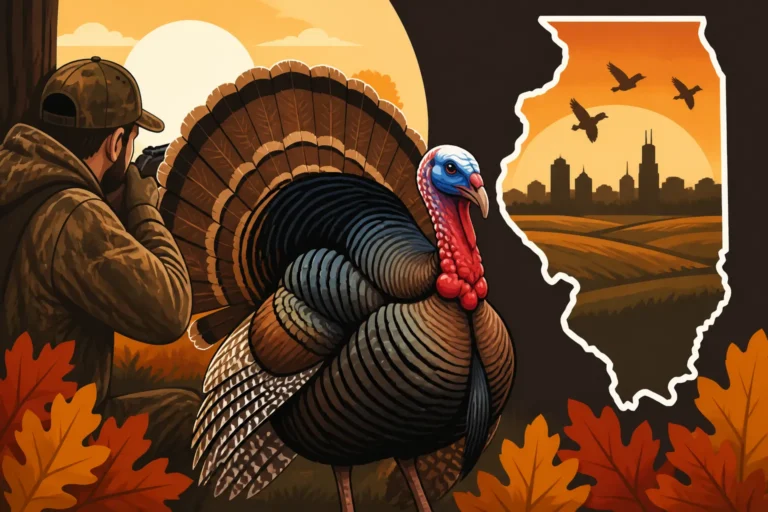
By the time the late North Zone turkey period rolls around in Illinois, those loud-mouthed gobblers seem to vanish, leaving many hunters frustrated. The woods are fully green, hens are on nests, and the once-eager Toms are now wise to every trick. This comprehensive guide will arm you with the nuanced strategies and deep insights you need to adapt your approach and punch that tag during the challenging final weeks of the Illinois spring turkey season.
Understanding Late-Season North Zone Turkey Behavior
Hunting the later periods of the North Zone spring turkey season means encountering a completely different bird than you would on opening day. The landscape has transformed, and so have the gobblers' priorities and patterns. What worked in April often falls flat in May, leading to many silent mornings and empty vests for those who don't adjust. It’s crucial to understand these shifts to even stand a chance.
Post-Breeding Season Dynamics
As May progresses, the intense breeding activity that characterized the earlier Illinois North Zone Turkey Periods starts to wind down. Most hens are now incubating clutches of eggs, which means fewer receptive hens for gobblers to chase. This fundamental change alters the entire dynamic of the woods. Gobblers, no longer constantly focused on breeding, become less vocal and more solitary, or they may group up with other "lonely" Toms. They might still gobble on the roost, but they are far less likely to commit to calls from a distance, having been "henned up" or called in by other hunters multiple times already.
This shift means you can't rely on aggressive calling tactics that might have pulled a hot gobbler across three ridges in April. Instead, think about where a gobbler would naturally go once his primary breeding duties are winding down. He's still a turkey, and he still needs to eat and strut, but his motivation has changed. He's probably looking for a place to relax, feed, and perhaps still find a late-nesting hen, but with much less urgency. Your approach needs to reflect this decreased urgency and increased caution.
Flocking Patterns and Roosting Changes
Early in the season, gobblers might roost in predictable locations, often near food sources or open fields where they can fly down and display. By the late season, with hens on nests, many gobblers become more transient. They might be roosting alone or in small bachelor groups of two or three. Their roost sites might also shift to areas with denser foliage for better concealment, as the trees are fully leafed out. This makes it harder to pinpoint their exact location the night before, or even to hear them gobble from afar.
The once-reliable morning fly-down routine becomes less predictable. Instead of flying down and gobbling incessantly, a late-season gobbler might fly down silently, gather any nearby hens, and quickly move off to feed or loaf, leaving no trace for a hunter hoping to "run and gun." Understanding these new Roost Hunting Illinois Gobblers patterns is key to getting close enough for a shot. You'll need to use all your scouting skills, potentially even moving into areas you previously overlooked because they didn't seem "turkey-y" enough in April.
Food Source Shifts in Late Spring
Just like their behavior, the preferred food sources for turkeys also change dramatically from early spring to late spring in the North Zone. Early in the season, turkeys might key in on waste grain in cut corn or soybean fields, or newly emerging greenery. As May deepens, the landscape is lush. New insects, tender greens, and early berries or wild fruits become abundant. Turkeys will often abandon agricultural fields for the deeper woods or creek bottoms where these natural food sources are plentiful.
Focus your scouting efforts on these newly available food sources. Look for areas with lush green undergrowth, patches of wild strawberries, or areas where insects are abundant, such as near creek beds or in mature timber. Turkeys will spend more time scratching through the leaf litter looking for grubs, worms, and beetles. This also means they might be less visible in open areas, favoring the thicker cover that now provides both food and security. Understanding these shifts is paramount for Turkey Tactics for Farmland Field Edges where birds might still be, but are now concentrating on different elements of the landscape.
Adapting Your Tactics for May Gobblers
The key to success in the late North Zone is understanding that the rules have changed. Throw out your early-season playbook and embrace new strategies. This often means slowing down, being more subtle, and thinking like a truly seasoned turkey. What once worked with a hot gobbler on opening weekend will often send a May Tom running for the hills.
Embracing Patience and Persistence
One of the biggest mistakes late-season hunters make is trying to force the issue. Gobblers that were once eager to come to a sharp series of yelps are now wary and often "call-shy." This is the time to dial back the aggression and ramp up your patience. Instead of constantly calling, try long periods of silence interspersed with very soft, infrequent calling. A single cluck or soft purr every 15-20 minutes might be all it takes to pique a gobbler's interest without alarming him. He's heard it all before, so subtlety is your friend.
You might set up in a promising area and wait for an hour or more, rather than moving every 30 minutes. The birds are less vocal, and they're also moving more deliberately, often alone or in small, quiet groups. They might be working their way through a creek bottom or along a ridge, silently feeding. If you're constantly on the move, you might walk right past a bird that would have eventually investigated your subtle calls had you only stayed put. Your persistence in staying quiet and still in a good spot will often pay off more than covering miles of ground.
When to Go Run-and-Gun
While patience is paramount, there are still situations where a modified Run-and-Gun Turkey Tactics on Public Land approach can be effective, especially on larger tracts of public land. The difference in late season is how you run and gun. Instead of blindly covering ground and hammering out loud calls, late-season run-and-gun means moving strategically and quietly, listening intently, and only calling when you have a good reason. For instance, if you hear a distant gobble, use natural terrain features and dense cover to get as close as possible without being seen.
Once you're within what you estimate to be 100-150 yards, set up quickly and make one or two soft calls. If he responds, stay put and wait. He might be coming silently. If he doesn't respond quickly, try a different call tone or volume, but avoid overdoing it. Sometimes, a silent approach to a known feeding or strutting area, followed by a very soft series of calls, is the most effective way to intercept a non-committal gobbler. This is about being stealthy and calculated, not loud and aggressive.
Leveraging Full Foliage for Concealment
The fully leafed-out trees and thick undergrowth of late May are a double-edged sword. While they make it harder to see and hear turkeys, they also provide incredible opportunities for concealment. Use the thick cover to your advantage when positioning yourself. Instead of relying solely on a ground blind, sometimes a well-chosen natural setup can be just as effective, if not more so, as it breaks up your outline perfectly. This becomes critical when you're moving between locations; hugging dense brush and timber edges can keep you hidden from wary eyes.
When setting up, always ensure you have a solid backdrop to break up your silhouette, whether it's a thick tree trunk, a brush pile, or a dense thicket. The turkeys can see incredibly well, and any unnatural outline will give you away. The added foliage also allows you to make more aggressive moves to get into position, as long as you're careful and slow. You can often get much closer to a gobbler in late season under the cover of dense leaves than you could in the barren woods of early spring.
Advanced Scouting for Pressured Birds
Scouting never stops, even during the season. For the late North Zone turkey hunt, your scouting needs to be more refined and focused on what has changed since the opener. Forget about finding fresh tracks in open fields; you'll be looking for more subtle signs in denser cover. Utilizing tools like the GoHunt app or other mapping software can give you a significant advantage in identifying potential new hot spots.
Pinpointing New Roost Locations
As mentioned, gobblers may abandon their early-season roosts. To find new ones, you'll need to put in some legwork. Spend late afternoons or early mornings listening from different vantage points. Instead of just listening for gobblers, listen for the sound of birds flying up to or down from roost, or the soft "tree yelps" and clucks that might give away their presence. Focus on mature timber with tall trees near water sources or along creek bottoms, which offer good cover and easy access to food and water.
Look for physical evidence too. Droppings, shed feathers, and disturbed ground beneath large roost trees can indicate recent activity. Pay attention to areas where you see or hear hens flying up; gobblers will often be nearby. Remember that these birds are pressured, so their roosts might be in less accessible or thicker areas. A good mapping tool like GoHunt can help you identify remote timber blocks that might offer undisturbed roosting opportunities.
Identifying Subtle Travel Corridors
With the woods fully green, identifying travel corridors becomes more challenging. Deer trails and obvious logging roads are still good starting points, but turkeys might be using less obvious paths. Look for subtle scrapes in the leaves, disturbed earth where they've been feeding, or even unique track patterns. Focus on natural funnels created by terrain features like ridges, creek bends, or changes in vegetation density. These are places where turkeys are likely to pass through as they move between roosting, feeding, and strutting areas.
Creek bottoms and ravines are often excellent late-season travel routes, offering concealment and consistent food and water. Turkeys will often walk these features, especially if they parallel a known food source or strutting zone. Understanding Hunting Illinois River Bottom Funnels provides insights that can be adapted to any creek or ravine system. Scouting these areas thoroughly for fresh sign will give you an edge.
Locating Overlooked Food and Water Sources
By May, turkeys are less reliant on agricultural fields and more on natural forage. Your scouting should prioritize finding these overlooked food and water sources. This includes patches of wild berries (mulberries, blackberries, wild strawberries), areas with abundant insects (especially after a rain), and places with fresh, tender green shoots. Water sources like small springs, seeps, and puddles in low-lying areas can also be magnets for turkeys, especially during dry spells.
Walk these areas slowly, looking for fresh scratch marks, droppings, and feeding activity. Don't be afraid to venture into dense thickets or areas that might seem too "brushy" – late-season turkeys often prefer the security and food found within these covers. A thorough Scouting Illinois Public Land Before Season approach can extend into the season, focusing on these changing patterns rather than just initial setup locations.
Mastering Subtle Calling Strategies
Aggressive calling typically spooks late-season North Zone gobblers. They've heard it all, and they've likely been shot at or pressured. Your call repertoire needs to shift dramatically, favoring realism, softness, and strategic timing over volume and flashiness. The goal is to entice curiosity, not challenge dominance.
Less is Often More: Soft Yelps and Clucks
When hunting these pressured birds, the mantra "less is more" truly applies. Instead of loud yelps and cutts, focus on soft tree yelps, clucks, and purrs. A soft series of five yelps every 15-20 minutes can be incredibly effective. Imagine you're a shy hen, just making enough noise to let a gobbler know you're around, but not broadcasting your exact location. This soft approach doesn't alarm the gobbler, but instead, piques his curiosity. He might silently work his way towards the sound, trying to locate the source without committing.
Vary your cadence and tone slightly, but keep the overall volume low. Sometimes a single series of soft clucks and purrs, followed by a long silence, is all it takes to make a gobbler think there's a real hen nearby. This approach works particularly well when a gobbler is already "henned up" with a real hen but is curious about other potential mates. He might peel off his hens to investigate your subtle offering.
Understanding the Nuances of Hen Vocalizations
To be truly effective with subtle calling, you need to understand the true nuances of hen vocalizations beyond just basic yelps. Learn to make soft clucks, purrs, and lost calls. A contented cluck and purr sequence can sound incredibly realistic and non-threatening. Practice different tones on your call, trying to mimic the soft, natural sounds of a hen going about her day. Box calls, slate calls, and even mouth calls can all be used for these softer sounds; it's about control and realism.
Consider experimenting with different types of calls. A crystal slate can offer different tones than a glass slate, and a soft diaphragm call allows for hands-free subtle calling. The key is to match the mood of the woods. If the birds are quiet, you should be too, with your calling. If you do hear a distant gobble, respond with cautious realism, not an excited fanfare.
Strategic Use of Locator Calls
Locator calls, like owl hoots, crow calls, or coyote howls, can still be valuable in the late season, but their use should be strategic. Early in the season, you might use them aggressively to get a bird to gobble. In late season, use them more sparingly and often from a distance, just to get a general idea of a gobbler's location without pressuring him further. Avoid calling directly from your setup spot immediately after a locator call, as this can alert a wary gobbler to your exact position.
A common mistake is to overuse locator calls or to make them too close to a known roost. Instead, try moving to a new area and making a single soft owl hoot or crow call. If a gobbler responds, note his location and then silently move in a wide arc to get into a favorable setup position without making any more noise. The goal is to confirm his presence, not to engage him with aggressive vocalizations. Remember, When Illinois Gobblers Go Quiet in May, any sound out of place can be a red flag for them.
Decoy and Blind Setups for Wary Toms
Decoy strategies need to be reevaluated for the late North Zone. Aggressive, multi-decoy setups that might have drawn in an eager early-season gobbler can now be perceived as a threat or simply ignored. Blinds, both pop-up and natural, become even more critical for concealing movement from these hyper-aware birds.
Minimalist Decoy Approaches
Forget the full strutting gobbler decoy. In late May, this often looks like a challenge that a lone, wary gobbler wants no part of, especially if he's been pressured. Instead, opt for a single hen decoy, or perhaps a jake decoy with a single hen. The goal is to present a subtle, non-threatening image. A single feeding or breeding hen decoy can suggest a peaceful, safe environment. A jake decoy can still appeal to a sub-dominant gobbler looking to assert himself, but without the aggressive posture of a full strut.
Position your decoy naturally, perhaps 15-20 yards from your setup, slightly quartering away. This gives a gobbler an inviting, non-confrontational target and also presents a good shot angle if he comes in. If you're hunting public land or areas with high pressure, consider foregoing decoys altogether. Sometimes, the best decoy is no decoy, relying instead on stealth and calling alone. Remember, Decoy Placement for Pressured Illinois Birds is more about subtlety than spectacle at this point in the season.
Maximizing the Advantage of Ground Blinds
The thick foliage of late season makes ground blinds incredibly effective, whether they are manufactured pop-ups or natural brush blinds. Pop-up blinds offer complete concealment of movement, which is a huge advantage when dealing with wary gobblers who might approach silently from unexpected angles. They also offer protection from changing weather. Set up your blind well in advance if possible, allowing birds to get accustomed to its presence. Brush it in thoroughly with natural vegetation to break up its outline.
If a pop-up blind isn't feasible, creating a natural blind is essential. Find a large tree, a blowdown, or a thick brush pile and enhance it with cut branches and foliage to create a shooting lane and hide your outline. Always ensure you have a solid background, not just cover in front, as turkeys have excellent eyesight and can pick up on silhouettes easily. Being able to fidget, check your phone (discreetly!), or simply stretch without being seen is invaluable when you're committing to long sits.
Harnessing Natural Cover for Ambush Points
Beyond formal blinds, understanding how to use natural cover as an ambush point is a crucial late-season skill. This involves more than just sitting against a tree. Look for natural depressions in the terrain, dense thickets along field edges, or areas where fallen timber creates a natural barrier. These spots allow you to melt into the landscape and observe without being detected. They're especially useful for run-and-gun situations where setting up a full blind isn't practical.
When scouting, mentally note these natural ambush points. Where would a turkey travel? Where would he feel safe? How can I use the existing vegetation to hide myself and my movements? Learning to read the terrain and vegetation and seamlessly integrate yourself into it can be far more effective than trying to hide behind insufficient cover. It's about being part of the environment, not just in it.
Navigating Hunting Pressure and Weather Changes
The late North Zone season often coincides with fluctuating weather patterns and the cumulative effect of weeks of hunting pressure. Both of these factors require significant adaptation and strategic thinking to succeed.
Coping with Fluctuating Spring Weather
Late May in Illinois can bring anything from scorching sun to sudden thunderstorms and cool snaps. These weather changes directly impact turkey behavior. A sudden drop in temperature or a cold, rainy day can make gobblers less active and less vocal. Conversely, a warm, sunny day after a cool spell can sometimes get them fired up again. Hunters need to be prepared for all conditions. Pack layers, rain gear, and plenty of water.
Adjust your hunting times based on the weather. If it's cold and rainy, turkeys might feed later in the morning or stick to sheltered areas. On a hot day, they might be more active around water sources or seek shade during the midday hours. Don't be afraid to take a break during a heavy downpour and return when the weather breaks; turkeys will often resume activity shortly after. Paying attention to forecasts and using that information to predict turkey movement is a skill that improves your chances significantly.
Finding Unpressured Pockets of Timber
On public land, hunting pressure is a significant factor in the late season. Many accessible areas have been pounded since opening day. Your mission is to find those overlooked, unpressured pockets of timber that wary gobblers have retreated to. This often means walking farther, hiking into rougher terrain, or finding areas that are difficult to access. Use mapping tools like GoHunt to identify remote ridges, deep ravines, or timber blocks surrounded by thick brush or swamps that most hunters bypass.
These remote areas might not hold a high density of birds, but the birds that are there are likely less wary. Be prepared for a long, silent approach, and be ready to spend the day in these isolated spots. Often, the farther you are from a road or parking lot, the better your chances of encountering an unpressured bird. Look for areas with diverse habitat, offering roosting, feeding, and water close together, minimizing the need for birds to travel far and expose themselves.
Outsmarting Educated Gobblers
By late May, many gobblers have heard every call, seen every decoy, and perhaps even had close calls with hunters. These "educated gobblers" require a master's touch. They are less likely to gobble on the roost, may fly down silently, and will often circle calls, trying to get a visual on the source without exposing themselves. Your goal is to anticipate their cautious movements.
This means setting up where a gobbler expects to see a hen, but also having a clear shooting lane for when he tries to circle and approach from an unexpected angle. Always assume a gobbler is circling you. Set up with good visibility in multiple directions if possible, or have a hunting partner covering your blind spots. Patience is crucial, as an educated gobbler might take 30 minutes to an hour to show himself after a subtle call. Sometimes, a silent setup in a known strutting zone, letting the gobbler come to you on his own terms, is the most effective way to punch a tag on these wise old Toms.
Late Season Turkey Hunting Comparison
Here's a quick look at how late-season turkey hunting in Illinois's North Zone differs from the early season:
| Feature | Early Season (April) | Late Season (May) |
|---|---|---|
| Gobbler Behavior | Highly vocal, aggressive, seeking hens | Less vocal, wary, often solitary or in bachelor groups, hens on nests |
| Calling Strategy | Aggressive yelps, cutts, loud volume | Subtle clucks, purrs, soft yelps, low volume |
| Decoy Use | Full strut gobbler, multiple hens | Single hen, jake/hen combo, or no decoys; non-threatening |
| Foliage | Sparse, easy to see and hear | Full, dense, provides concealment but limits visibility |
| Food Sources | Waste grain, early greens | Insects, tender shoots, berries, natural forage |
| Hunting Pressure | High on opening weekend, tapers quickly | Consistent, birds are "educated" |
| Hunter Approach | Run-and-gun, aggressive setups | Patience, long sits, silent approaches, stealthy run-and-gun |
| Weather | Often cold, sometimes wet | Variable, warm, potential for thunderstorms |
Disclaimer
Hunting involves inherent risks, and conditions can change rapidly. Always consult the Illinois Department of Natural Resources (IDNR) for the most current regulations, season dates, and specific public land rules before heading afield. Safety should always be your top priority.