Trapping Illinois Furbearers
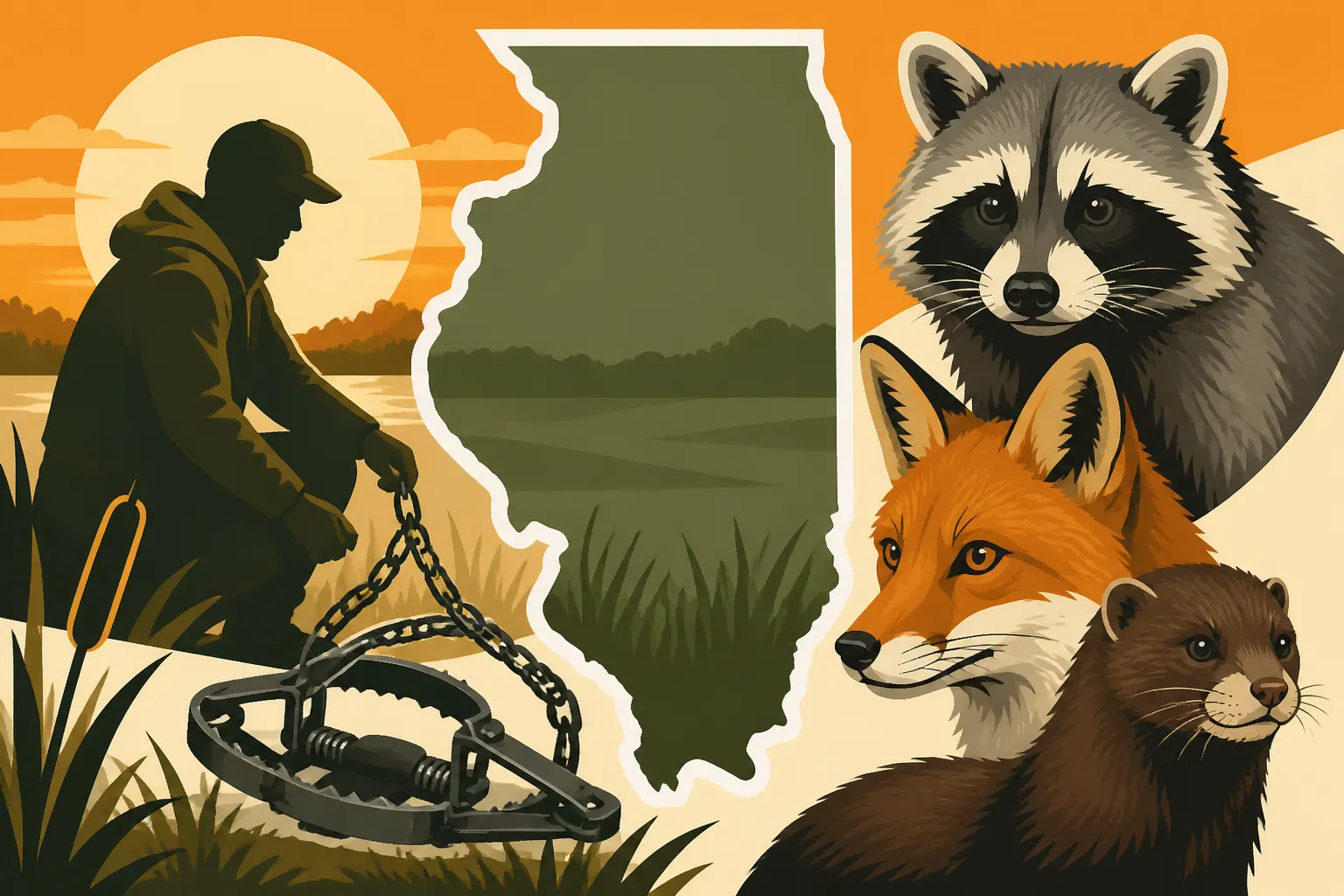
Trapping in Illinois, for many, is a deeply rooted tradition, a tangible connection to the land and its wildlife that stretches back generations. Yet, for all its timeless appeal, getting started or even staying proficient in modern trapping can feel incredibly daunting. You're not just trying to outsmart a cunning furbearer; you're also navigating a dense thicket of ever-changing regulations, trying to source the right equipment, and learning to read the subtle language of the wild. This guide aims to clear that path, offering a comprehensive look at what it takes to ethically and effectively trap Illinois furbearers, providing the practical insights you need to confidently set your first line or refine your existing skills.
Understanding Illinois Trapping Regulations and Licenses
Before you even think about setting a trap, the absolute first step for any aspiring or seasoned trapper in Illinois is to grasp the legal framework. It’s easy to get frustrated by the bureaucracy, but these rules are in place to ensure ethical practices, sustainable wildlife populations, and public safety. Trying to cut corners here is a surefire way to run into trouble with the law and give trapping a bad name.
Securing Your Illinois Trapping License
To legally trap furbearers in Illinois, you must possess a valid Illinois trapping license. This isn't just a suggestion; it's a mandatory requirement for anyone over the age of 16. If you're under 16, you can actually trap without a license if you're accompanied by a licensed trapper who is at least 18 years old, or if you're trapping on land where you reside. However, getting your own license early is a great way to take ownership of the activity. You can purchase these licenses conveniently online through the Illinois Department of Natural Resources (IDNR) website or from various authorized vendors across the state, like bait shops, sporting goods stores, and county clerk offices.
There are specific licenses for residents and non-residents, and the fees differ significantly. As an Illinois resident, you’ll typically find the license more affordable, reflecting the state's interest in supporting its local outdoorsmen and women. Non-residents, on the other hand, face higher fees, which is common across many states as a way to manage resource access and generate revenue for wildlife conservation from those outside the state. It’s a bit of a hurdle, but one that ensures you’re contributing to the very wildlife management efforts that make trapping possible. Ensure you also meet the specific hunter education requirements, especially for younger trappers or those born after a certain date, as this often overlaps with general outdoor skill certifications. For a deeper dive into these requirements, you can check out the details on specific licenses like the Illinois Resident License Options.
It might feel like a lot of hoops to jump through, especially if you're just starting out and eager to get on the land. But trust me, taking the time to properly acquire your license and understand all its implications is crucial. Not only does it keep you on the right side of the law, but it also signifies your commitment to responsible trapping, which is a core tenet of our community. Carry proof of your license, either physical or digital, whenever you're out on your trapline.
Season Dates and Bag Limits by Species
Once you have your license, the next critical piece of the puzzle is knowing when you can legally trap specific animals and if there are any limits on how many you can take. Illinois has a complex and often region-specific calendar for furbearer seasons, which can honestly be a little frustrating to keep track of, especially when you consider north and south zone variations. Most furbearer seasons, such as for muskrat, mink, raccoon, opossum, skunk, and fox, generally open in early to mid-November and run through January or mid-February, depending on the species and zone.
However, certain species have unique regulations. For instance, coyotes and striped skunks are often considered "unprotected" on private land where damage is occurring, meaning landowners might have more flexibility in managing them year-round, but trappers still need to adhere to specific season dates if harvesting for fur. Beaver trapping also has its own set of rules, often running a bit longer than other furbearers. Then there’s the bobcat, a species that was once rare but has made a remarkable comeback in Illinois. Harvesting a bobcat is now possible through a highly competitive lottery system in specific open counties. If you're lucky enough to draw a bobcat permit, be aware that there are strict tag reporting and carcass inspection requirements. It's an extra layer of complexity, but a testament to how far these animals have come. Always, always consult the current Illinois Furbearer Regulations digest from the IDNR before each season, as dates and rules can change. You can find up-to-date information on specific species like Illinois Raccoon Season Dates in these official guides.
The challenge of staying current with these regulations is real. You don't want to invest all that time and effort into scouting and setting traps only to find out you're out of season or that a specific county has different rules. Imagine the disappointment and potential legal headaches! That's why cross-referencing with the IDNR's official guides, perhaps even using a mapping application like GoHunt to understand specific county boundaries, is so important.
Trap Type and Set Restrictions
Illinois law dictates not only what you can trap and when, but also how. These regulations are designed to promote humane trapping practices, ensure public safety, and minimize non-target catches. Generally, legal trap types include foothold traps, body-gripping traps (like Conibears), and snares. However, each comes with specific restrictions. For instance, there are maximum jaw spread limits for foothold traps used on land, often around 6.5 inches, to prevent the capture of larger, non-target animals like dogs. Body-gripping traps also have size limits and are often restricted in how close they can be placed to public roads or pathways.
Snares are legal, but they must be equipped with a breakaway device or a "stop" to prevent them from closing too tightly, ensuring a humane catch and allowing for the release of non-target animals if caught. Furthermore, traps must be clearly tagged with your name and address or IDNR identification number. A critical rule across the board is that all traps must be checked at least once every 24 hours. This is not just a legal requirement but an ethical imperative to minimize suffering for any trapped animal and to maximize the quality of the fur. Placing traps within 10 feet of a dwelling house or farm building is generally prohibited without explicit permission, and you certainly can't set traps on or within 100 yards of a public highway or road without similar authorization.
These detailed regulations might seem excessive when you're just trying to enjoy the outdoors, but they are crucial for maintaining public acceptance of trapping and ensuring responsible practices. Understanding the nuances of where and how you can place a trap is just as important as knowing the animal you're targeting. Imagine the frustration of having a perfect set, only to realize it's technically illegal due to proximity to a path or incorrect snare design. This is why thorough knowledge of these specifics is non-negotiable.
Identifying Illinois Furbearers and Their Habits
To be a successful trapper, you need to think like the animals you're pursuing. This means having a deep understanding of their biology, habitat preferences, diet, and daily routines. Illinois is home to a diverse array of furbearers, each presenting its own unique challenge and reward to the trapper.
Coyote and Fox: The Wily Canids
Coyotes are incredibly adaptable and ubiquitous across Illinois, thriving in everything from sprawling farm country to timber edges and even venturing into suburban fringes. Their population has grown significantly, and they are now one of the most common predators in the state. Red foxes, while perhaps less common than coyotes in some areas, prefer mixed habitats, often favoring the edges of fields and woodlands. Gray foxes, on the other hand, are more strongly associated with dense timber and brushy areas, often displaying more arboreal tendencies than their red counterparts, even climbing trees when pursued.
These canids are opportunistic hunters, with their diets varying based on availability. Coyotes will readily consume rodents, rabbits, deer fawns, insects, fruits, and even domestic animals if the opportunity arises. Foxes share a similar diet but tend to focus more on smaller prey like mice, voles, and rabbits. They are constantly on the move, often using established travel corridors, fencerows, creek bottoms, and old logging roads. Trappers learn to look for their distinct tracks, scat, and sometimes even territorial markings. Their intelligence and keen senses make them a significant challenge, but also a rewarding pursuit. Their natural curiosity can, however, be used to a trapper's advantage when employing scent lures or sight attractors. For more on these cunning predators, you might find insights in Coyote Calling in Illinois Farm Country, which delves into their behavior. The Illinois Coyote Range and Density also offers valuable context for understanding where these animals thrive.
Trapping coyotes and foxes is a mental game, requiring patience and meticulous attention to detail. These animals have an uncanny ability to detect anything out of place or unnatural in their environment. A successful set for a coyote often involves recreating a natural-looking disturbance, like a dirt hole, mimicking a cached meal or a burrow, combined with subtle, effective lures. For foxes, a similar approach works, perhaps with a slightly smaller trap and a more furbearer-specific lure. The reward for outsmarting these incredibly intelligent animals is immense, not just in terms of fur, but in the deep satisfaction of connecting with nature on a primal level.
Beaver and Muskrat: Masters of the Water
Illinois's waterways, from major rivers to small creeks, drainage ditches, and farm ponds, are home to industrious beavers and the smaller, but equally active, muskrats. Beavers are known engineers, building dams that alter landscapes and creating lodges for shelter. Their presence is easily identified by freshly cut saplings, debarked branches, muddy slides into the water, and their tell-tale flat tail prints in the mud. Muskrats, while not dam builders, create extensive tunnel systems in bank dens or construct "push-ups" and "houses" from aquatic vegetation in shallow water. They leave distinct narrow trails, or "runs," through submerged vegetation and often pile up chewed vegetation near their feeding areas.
Beavers primarily feed on the bark and cambium of deciduous trees, especially aspen, willow, and cottonwood, but also consume aquatic plants. Muskrats, on the other hand, are largely vegetarian, preferring cattails, sedges, and other aquatic greenery. Both are highly aquatic, and their activities are directly tied to water levels and currents. Understanding these habits is crucial for effective water trapping. Trappers target active channels, dam breaches, feed beds, and bank dens. The movement of water, whether a sluggish current or a faster flow, dictates the type and placement of water sets.
The challenges of water trapping often involve working in colder conditions and securing traps effectively in submerged environments. However, water also provides advantages, such as masking human scent and allowing for trap types that are highly efficient. A skilled water trapper can harvest many animals in a concentrated area once an active colony or run is located. If you're interested in pursuing these aquatic architects, you'll want to review specific techniques in Trapping Illinois Muskrat and Beaver.
Raccoon and Opossum: Opportunistic Scavengers
Raccoons are arguably the most widespread and abundant furbearer in Illinois, found in virtually every habitat type—from dense forests and river bottoms to suburban backyards and urban parks. Their nocturnal habits, masked faces, and dexterous "hands" make them iconic. Opossums, North America's only marsupial, are also incredibly common and adaptable, though perhaps less prized for their fur than raccoons. Both are opportunistic omnivores, eating almost anything: fruits, nuts, insects, crayfish, frogs, eggs, carrion, and agricultural crops like corn.
Their preferred habitats often include areas near water, dense timber, and agricultural fields where food and cover are plentiful. You'll find raccoons denning in hollow trees, rock crevices, abandoned buildings, and drain tiles. Opossums are less particular, utilizing old dens, brush piles, and fallen logs. Their tracks are distinctive: raccoon tracks resemble miniature human hands, while opossum tracks show widely splayed toes. Both animals are generally less wary of human scent or minor disturbances than coyotes or foxes, making them excellent target species for beginner trappers to gain experience.
Trapping raccoons and opossums can be incredibly productive, often providing a consistent catch. Dog-proof traps, which are designed to capture a raccoon's paw when it reaches for bait, are highly effective and significantly reduce non-target catches. Cubby sets or pocket sets baited with sweet foods, corn, or fish can also be very successful near water's edge or along travel routes. While the fur value of opossums might be lower, they provide valuable opportunities to hone your trapping skills, from set construction to pelt preparation.
Essential Trapping Techniques and Equipment
Effective trapping isn't just about knowing where the animals are; it's about employing the right tools and techniques to make clean, humane, and legal catches. This requires a solid understanding of different trap types, attractants, and, most importantly, how to read the landscape.
Choosing the Right Traps for the Job
Selecting the appropriate trap is paramount. For land-based furbearers like coyotes and foxes, foothold traps are the primary tool. These come in various styles, such as coil spring and long spring, and are designed to humanely hold an animal by the foot until the trapper arrives. Dog-proof (DP) traps are another popular and highly effective choice, especially for raccoons. These traps have an enclosed design that prevents non-target animals from easily getting caught, as the animal must reach into the trap to grab the bait. For water sets targeting muskrats, mink, and beaver, body-gripping traps, often called Conibears, are widely used. These traps are designed for a quick, humane dispatch by constricting the animal's body. However, safety with Conibears is paramount due to their powerful springs.
Snares are also legal in Illinois for certain species, particularly coyotes and beaver. These cable devices are highly effective when placed correctly in animal travelways but require specific legal features like break-away stops to ensure humane and ethical use, preventing the snare from over-tightening. Each trap type has its advantages and disadvantages, and a good trapper understands which trap is best suited for the target species, the environment, and the specific set they intend to make. For instance, a small coil-spring foothold might be perfect for fox in a dirt hole set, while a larger Conibear is ideal for beaver in a channel set.
The sheer variety of traps can feel overwhelming at first. You might wonder if you need to buy every type. My advice is to start with a few versatile options and master them. For example, some sturdy coil-spring footholds and a few dog-proof traps will cover a lot of ground for raccoons, coyotes, and foxes. Gradually expand your arsenal as you gain experience and understand your specific trapping goals. Remember, the goal is not just to catch an animal, but to do so humanely and efficiently.
Lures, Baits, and Attractants That Work
Even the best-placed trap is useless if an animal doesn't investigate it. This is where lures, baits, and attractants come into play. Baits are typically food items – think fish, meat scraps, corn, or even sweet foods like marshmallows for raccoons. The fresher and more appealing the bait, the better. Lures, on the other hand, are concentrated scents designed to mimic natural odors, such as glands from furbearers (curiosity lures), food scents, or even territorial markings. Attractants can be visual, like a bit of fluffy wool tied above a set, to draw an animal's eye.
The key is matching the attractant to the target species and the set. For a dirt hole set targeting coyotes or foxes, a combination of a natural bait (like a piece of deer meat or beaver castor) placed deep in the hole, combined with a gland lure or a curiosity lure applied near the trap, can be highly effective. Raccoons respond well to sweet-smelling baits and fish-based lures in dog-proof or pocket sets. For muskrats, a slice of apple or carrot can be an irresistible natural bait when placed near their runs or push-ups. Some trappers even make their own lures, a process that adds another layer of skill and satisfaction to the craft.
It's vital to remember scent control when handling lures and baits, especially for wary animals like foxes and coyotes. Human scent can be a major deterrent. Wearing clean gloves, dedicated trapping clothes, and even using natural elements like mud or leaves to mask your presence can significantly increase your success rates. Experimentation is also key. What works brilliantly one season might be less effective the next, or in a different location. Understanding what makes an animal tick in terms of their natural desires for food, curiosity, or territorial defense is at the heart of effective luring.
Reading Sign and Scouting for Success
Before you even think about putting a trap in the ground, you need to scout, and scout thoroughly. This is where the magic of trapping truly begins, and where a powerful mapping tool can become your best friend. Scouting involves reading the subtle clues animals leave behind: tracks in the mud or snow, scat, rub marks on trees, dens, feeding areas, and distinct travel paths. For aquatic animals, look for slides, cuttings, lodges, and runs. The more time you spend observing and interpreting these signs, the better you’ll become at identifying prime trap locations.
Imagine walking a creek bottom and noticing a consistent series of raccoon tracks leading to a hollow log. That’s not just a sign; that’s an invitation to set a trap. Or picture spotting a worn-down trail along a field edge, with coyote tracks fresh in the morning dew – a perfect spot for a snare or a dirt hole set. Modern tools, like the GoHunt app, offer invaluable support here. With satellite imagery, topographic maps, and public/private land ownership overlays, you can virtually scout vast areas from your couch, identifying pinch points, water sources, and potential travel corridors. Then, you can verify these spots on the ground, connecting the digital map with the real-world terrain. For more general advice on preseason preparation, check out Scouting Illinois Public Land Before Season.
Pre-season scouting, even without traps, is critical. You want to identify consistent animal movement patterns before the season even opens. This allows you to plan your trapline efficiently, minimizing disturbances and maximizing your chances of success. It’s about being a detective, piecing together the story of an animal's life in a particular area. A well-scouted trapline means less wasted time, more ethical catches, and ultimately, a more enjoyable and productive experience.
Setting Up a Productive Trapline in Illinois
Once you've done your homework on regulations, species, and scouting, it's time to put steel to dirt (or water). Setting up a trapline is an art form, blending science, intuition, and sheer hard work. Each set is a conversation with the landscape and the furbearer you hope to catch.
Strategic Set Locations: Land vs. Water
The effectiveness of any trap hinges on its location. For land furbearers like coyotes and foxes, you'll primarily be using "land sets." The dirt hole set is a classic: a small hole dug at an angle, mimicking a cached meal or a burrow, with bait and lure placed inside, and the trap expertly bedded in front. Scent post sets, where a trap is placed near an elevated object (like a tuft of grass or a stump) on which a furbearer might urinate, are also highly effective, playing on territorial instincts. Key locations for these sets are natural funnels, field edges, fence lines, creek crossings, and areas with consistent animal sign.
For water furbearers like beaver, muskrat, and mink, "water sets" are the way to go. Beaver trappers often use body-gripping traps or snares in active channels, at dam breaks, on their slides, or near their feed beds. Muskrat trappers will place smaller body-gripping traps or footholds in active runs, near bank dens, or at "push-ups" (mounds of vegetation they build). Mink, which often hunt along stream banks, can be caught in cubbies or runways near water's edge. The beauty of water sets is that the water helps to mask human scent and provides a natural environment for these aquatic animals. Knowing where to place these sets involves understanding the subtle flows, depths, and structures of Illinois's diverse waterways.
Then there are versatile sets, like pocket sets or cubby sets, which can work for raccoons and opossums in either land or water environments. A pocket set involves digging a pocket into a bank or ditch, baiting it, and placing a trap at the entrance. Cubby sets use natural or constructed shelters to funnel an animal into a trap, often baited with something irresistible. The art is in making the set look as natural and inviting as possible, leading the animal directly to the trap without arousing suspicion.
Concealment, Weather, and Avoiding Contamination
A perfectly placed trap will fail if it's detected by a wary furbearer. Concealment is absolutely crucial, especially for coyotes and foxes, which possess incredibly keen senses. For land sets, this means expertly blending the trap into its surroundings. Dirt from the trap bed must be carefully sifted over the trap and surrounding area, making it invisible to the eye. Natural debris like leaves, grass, or small twigs can be used to further camouflage the set. For water sets, concealment is often less about visual blending and more about ensuring the trap is submerged and anchored securely, allowing the water itself to hide its presence.
Weather conditions are another significant factor that trappers must constantly contend with in Illinois. Rain can wash away scent, freeze traps, or even flood out sets. Freezing temperatures require trappers to take preventative measures, such as using an anti-freeze agent (like salt or calcium chloride) in dirt sets or utilizing waxed dirt to prevent traps from freezing solid. Snow can either make sets more effective by providing a clean slate to hide human sign or render them useless if it buries traps too deeply. Experienced trappers learn to adapt their sets and techniques to prevailing weather patterns, constantly checking forecasts and making adjustments.
Finally, avoiding contamination is paramount. Human scent, petroleum odors, or even the smell of tobacco can alert wary animals and cause them to shy away from a set. Many trappers wear clean gloves, dedicate specific tools to their trapline, and avoid smoking or using strong-smelling products while setting traps. Some even go as far as to boil their traps in natural solutions to remove any foreign odors. This attention to detail can be the difference between an empty trap and a successful catch.
Daily Checks, Animal Handling, and Dispatch
The legal and ethical requirement to check all traps at least once every 24 hours cannot be overstated. This is fundamental to humane trapping and is strictly enforced by the IDNR. Planning your trapline route to be manageable for daily checks is therefore essential. Don't set more traps than you can check efficiently and safely each day, especially if you have a full-time job or other commitments. Neglecting a trap line leads to unnecessary suffering for animals and gives trapping a poor public image.
When you approach a set, do so cautiously, observing from a distance if possible. If you've caught an animal, the next steps involve safe and humane handling. For live-caught animals, particularly raccoons or opossums, a catch pole can be an invaluable tool for control and safety. If the animal is to be dispatched, it must be done quickly and humanely. A well-placed shot from a small-caliber firearm or a swift blow to the head with a dispatch stick are common methods. The goal is always to minimize stress and suffering.
For non-target animals, Illinois regulations permit their release if they are unharmed and are not considered a public nuisance. This is another reason to select appropriate trap types and locations carefully. After dispatch, the animal should be handled respectfully, processed quickly to preserve fur quality, and any excess dirt or debris removed from the set before resetting. This entire process, from approach to dispatch and resetting, must be executed with efficiency and a deep respect for the animal and the environment.
Ethical Trapping and Conservation Practices
Trapping, when done responsibly, is a powerful tool for wildlife management and a direct contribution to conservation. It's not just about harvesting fur; it's about understanding ecological balance and ensuring the health of furbearer populations for future generations.
Responsible Harvest and Population Management
Trappers play a crucial role in maintaining healthy wildlife populations. In Illinois, furbearers like raccoons, coyotes, and beavers can sometimes reach population densities where they become overabundant. This can lead to increased conflicts with humans, such as crop damage, predation on livestock, or damage to property (like beaver dams flooding agricultural fields). Through regulated harvest, trappers help keep these populations in check, reducing negative impacts and promoting overall ecosystem health. This isn't about eradication; it's about balance.
The IDNR sets seasons and limits based on scientific data, ensuring that harvest levels are sustainable. A responsible trapper adheres strictly to these guidelines, understanding that their actions contribute to the long-term viability of the species. It's a privilege to participate in this form of wildlife management, and with that privilege comes the responsibility to act as a steward of the land and its creatures. Trapping provides a direct, hands-on connection to these principles, often more so than other forms of outdoor recreation.
Think of it as actively participating in the health of the ecosystem. When done correctly, your efforts help prevent diseases from spreading through overpopulated animals, reduce pressure on other prey species, and contribute to the overall resilience of Illinois's diverse wildlife community. It's a tangible way to make a difference beyond simply observing nature.
Minimizing Non-Target Catches
One of the greatest ethical responsibilities of a trapper is to minimize the capture of non-target animals. This includes domestic pets, protected species, or even furbearers you're not specifically after. There are several strategies to achieve this. Firstly, selecting appropriate trap types for your target species is key. For instance, using dog-proof traps for raccoons significantly reduces the chance of catching a domestic cat or dog. Secondly, careful set placement is crucial. Avoid setting traps near public trails, residential areas, or in places where pets are known to roam. Trappers often place their sets well off trails, in dense cover, or in aquatic environments where non-target risks are lower.
Furthermore, knowing the tracks and signs of all animals in your area, not just your target species, can help you avoid areas frequented by non-targets. If you see dog tracks regularly, that's probably not the best spot for a coyote set. Utilizing visual deterrents or specific bait choices can also help. While non-target catches can occasionally happen even with the most careful trapper, the ethical imperative is to take every reasonable step to prevent them. If a non-target animal is caught and unharmed, it should be released promptly and safely.
The ability to identify and release non-target species responsibly is a mark of a truly ethical trapper. For instance, knowing the difference between a mink and an Illinois River Otter Recovery, which is a protected species, is crucial. If you accidentally catch a protected animal, you must release it immediately and unharmed. This commitment to minimizing incidental catches underscores the trapper's dedication to wildlife conservation beyond just the species they pursue.
Contributing to Wildlife Data and Research
Trappers are often referred to as the "eyes and ears" of the woods. Due to their extensive time spent in the field, they are uniquely positioned to observe wildlife populations and contribute valuable data to conservation efforts. In Illinois, trappers are required to report their harvest, providing essential information to the IDNR. This data helps wildlife biologists understand population trends, monitor harvest rates, and make informed management decisions for furbearers across the state. Without accurate reporting, the IDNR would have a much harder time managing these species effectively.
Beyond mandatory harvest reports, some trappers voluntarily participate in IDNR surveys or provide biological samples. This might include submitting carcasses for disease testing, providing specific measurements, or noting observations about breeding activity or habitat conditions. For example, knowing Illinois Bobcat Sighting Reports by Year can help researchers understand population distribution. This collaboration between trappers and wildlife agencies is a cornerstone of modern wildlife management, turning individual trapping efforts into collective scientific knowledge. It's a powerful way to ensure the long-term health and sustainability of furbearer populations.
By participating in these data collection efforts, trappers move beyond simply harvesting animals to actively becoming citizen scientists. This deepens the appreciation for the resource and ensures that trapping remains a well-managed and respected activity. Whether it's reporting a sick animal as part of Illinois Wildlife Disease Monitoring or meticulously recording your catches, your contributions are vital to the future of Illinois wildlife.
Safety, Land Access, and Post-Harvest
Trapping, like any outdoor pursuit, comes with its own set of safety considerations and responsibilities. Beyond the act of setting a trap, knowing how to safely navigate the landscape, legally access land, and properly handle your catch are all crucial aspects of being a complete and ethical trapper.
Personal Safety and Equipment
Spending extended periods outdoors, especially during the colder months when furbearer seasons are active, demands attention to personal safety. Layered clothing is essential to prevent hypothermia, as you'll often be stationary and exposed to the elements. Sturdy, waterproof boots are non-negotiable for navigating wet and muddy terrain. Always carry a first-aid kit, a sharp knife, a headlamp or flashlight, and a fire starter – even for short trips, things can go wrong unexpectedly. Working with traps, especially powerful body-gripping traps, requires extreme caution. Trap setters or "compressors" are vital tools to safely set Conibears, preventing accidental injury to your hands or fingers.
It's also a smart practice to let someone know your trapline route and when you expect to return, particularly if you're trapping in remote areas or by yourself. Cell service can be spotty in many wild parts of Illinois, so don't rely solely on your phone for communication or navigation. A reliable GPS device or a mapping app like GoHunt with offline map capabilities can be a literal lifesaver, helping you stay oriented and find your way back to your vehicle.
Beyond physical gear, having a safety-first mindset is paramount. Being aware of your surroundings, potential hazards like slick banks or hidden holes, and the presence of other people (hunters, hikers, dog walkers) will keep you and others safe. Remember that while trapping can be a solitary pursuit, your actions still impact those around you.
Navigating Private Land and Public Access
In Illinois, the vast majority of land is privately owned, making land access a primary concern for trappers. It is absolutely imperative to obtain explicit permission from the landowner before setting foot on private property. Verbal permission is a start, but written permission is always best and often required by law for trapping. Trespassing can lead to serious legal consequences and gives all trappers a bad name. Taking the time to build relationships with landowners, offering to help with other tasks, or sharing some of your harvest can go a long way in securing and maintaining access.
For public lands, the rules can vary significantly from site to site. While there is a good amount of Public Hunting Land in Illinois, many Fish and Wildlife Areas, State Parks, and National Forests have specific trapping regulations, designated trapping zones, or even lottery systems for access. Some areas might prohibit certain trap types or have stricter distance requirements from trails. This is another area where mapping applications like GoHunt become invaluable. Their property line overlays and public land boundaries can help you quickly identify land ownership and avoid accidental trespass. You can also research specific sites through the IDNR website to understand their unique trapping rules. Understanding the nuances of Hunting Pressure on Illinois Public Land can also inform your choice of trapping locations, helping you find less-pressured areas.
Never assume you have permission. Always check. Even if you've trapped a parcel for years, a new landowner or a change in management might mean the rules have changed. Respecting property boundaries, whether marked by a fence or simply a line on a map, is a fundamental ethical principle of trapping.
Handling and Processing Your Catch
The work doesn't end when you've made a catch. Proper post-harvest handling is crucial for maximizing the value of the fur and for personal use of the animal. Immediately after humane dispatch, the animal should be handled carefully to avoid damaging the fur. If possible, bleeding the animal promptly can improve fur quality. For many furbearers, especially during cold weather, immediate skinning is ideal, but if you can't skin right away, keeping the carcass cool (not frozen, if possible) will help preserve the hide.
Skinning is a skill that takes practice. Each species has specific skinning patterns to maximize the pelt. For most furbearers, you'll skin "cased," meaning the pelt is pulled off like a sock, leaving the fur side in. For beaver, it's typically "open" skinned, like spreading it flat. After skinning, the pelt needs to be "fleshed," a process of removing all fat and meat from the hide. This is painstaking work, but vital for preventing spoilage and ensuring the fur dries properly.
Finally, the pelt is stretched on a board or wire stretcher, fur side in (or out, depending on the species and market preference), and allowed to dry in a cool, well-ventilated area away from direct sunlight or heat. This drying process can take several days to weeks. While many trappers sell their furs to fur buyers or at auctions, some choose to tan the hides themselves for personal use, or even utilize the meat, such as from raccoons. Understanding these post-harvest steps ensures that your efforts in the field translate into a usable, high-quality product, completing the cycle of responsible trapping.
| Furbearer | Typical Season (Approx. Nov – Jan) | Primary Habitat | Common Trap Types | Best Set Locations |
|---|---|---|---|---|
| Coyote | Nov. 5 – Feb. 15 | Open fields, timber edges, rural areas | Foothold, Snare | Travel lanes, field edges, scent posts, dirt holes |
| Red Fox | Nov. 5 – Feb. 15 | Mixed habitats, farmland edges | Foothold, Snare | Field edges, brush lines, dirt holes, scent posts |
| Gray Fox | Nov. 5 – Feb. 15 | Dense timber, brushy cover | Foothold, Snare | Timbered travel lanes, cubby sets, tree sets |
| Raccoon | Nov. 5 – Jan. 25 | Near water, timber, agricultural fields | Dog-Proof, Conibear, Foothold | Water edges, culverts, den entrances, pocket sets |
| Muskrat | Nov. 5 – Feb. 15 (North/South zones) | Ponds, marshes, ditches, streams | Conibear, Body-grip | Runs, push-ups, bank dens, channel sets |
| Beaver | Nov. 5 – Feb. 15 (North/South zones) | Rivers, creeks, ponds, lakes | Conibear, Snare | Channels, dams, feed beds, slides, dive sets |
| Opossum | Nov. 5 – Jan. 25 | Diverse, often near human habitation | Dog-Proof, Foothold | Brush piles, culverts, anywhere raccoons are found |
| Mink | Nov. 5 – Feb. 15 | Stream banks, marshes, wetlands | Conibear, Foothold | Stream banks, culverts, undercuts, cubby sets |
Note: Season dates are approximate and subject to change by the Illinois Department of Natural Resources (IDNR). Always consult the most current official Furbearer Hunting and Trapping Regulations for precise dates, zone boundaries, and specific county restrictions before engaging in any trapping activities.
Disclaimer
The information provided in this guide is for informational purposes only and is not a substitute for official Illinois Department of Natural Resources (IDNR) regulations. Hunting and trapping laws, seasons, and permit requirements can change frequently. Always consult the most current IDNR Furbearer Hunting and Trapping Regulations prior to engaging in any trapping activities. Adherence to all local, state, and federal laws is the sole responsibility of the individual trapper.