Hunting the Late-Season December Lull
That chill in the air when December rolls around hits different, doesn't it? After the frenzy of the rut and the two firearm seasons, many hunters feel like the woods go silent, the deer disappear, and their chances of tagging a whitetail before the year ends plummet. It's frustrating to face those barren, cold woods, but I'm here to tell you that the late season, often dubbed the "December lull," can be incredibly productive if you understand how deer adapt to the cold, snow, and persistent pressure. This comprehensive guide will equip you with the knowledge and tactics to punch a late-season tag in Illinois.
Understanding the Late-Season Deer Mindset
Deer in December are not the same deer you were chasing in October or November. Their priorities have shifted dramatically, driven by biological needs and the constant presence of hunters. If you can get into their heads, you'll be one step closer to putting venison in the freezer.
Post-Rut Recovery and Energy Conservation
By the time December hits, bucks have been through the wringer. They've spent weeks chasing does, fighting rivals, and often eating very little. They've burned through massive amounts of energy, losing significant body weight in the process. Think about running a marathon every day for a month – that's essentially what a rutting buck goes through. Their antlers might still be on their heads, but their focus has shifted from breeding to basic survival. They are physically exhausted and need to recover.
This physical depletion means deer, both bucks and does, prioritize food and shelter above almost everything else. They're trying to pack on calories to regain lost weight and build up fat reserves to survive the harshest winter months. A deer that might have walked an extra quarter-mile for a scrape line in November won't do it now; they're looking for the path of least resistance to the most calorie-dense food available. The cold weather only amplifies this need for energy conservation, forcing them to minimize movement and maximize nutritional intake whenever possible.
When temperatures drop significantly, deer will be even more reluctant to move, especially during daylight hours, unless there's a compelling reason. They'll often bed down in thick, sheltered areas for extended periods, only moving to feed. This makes scouting and patience absolutely paramount. You're waiting for those small windows of opportunity when they have to get up and eat to survive.
Increased Pressure and Nocturnal Tendencies
Illinois's deer seasons are fantastic, but they also bring a lot of hunting pressure. The two firearm seasons, in particular, can really put deer on edge. After weeks of human activity in their core areas, deer become incredibly wary and change their patterns drastically. This is especially true on public lands, where the constant presence of hunters pushes them into the thickest, most secluded cover they can find.
This sustained pressure often forces deer to become largely nocturnal. They learn quickly that moving during daylight hours in exposed areas is dangerous. You'll find them holding tight in dense cover all day, only venturing out to feed under the cover of darkness. This doesn't mean it's impossible to hunt them, but it means you need to adjust your strategy. You're no longer looking for deer meandering through open timber; you're looking for their bedding areas and those short, safe routes to food sources just before dark or right after dawn.
Identifying low-pressure zones becomes critical during this period. These are the places other hunters overlook or are unwilling to access. Perhaps it's a tangled honeysuckle thicket deep in a creek bottom, a remote corner of a public timber block that requires a long walk, or even just a small, overlooked woodlot adjacent to a busy road. Deer will gravitate to these sanctuaries, making them prime targets for a careful late-season hunter.
Key Strategies for Success in December
With deer focused on food and security, your hunting strategy needs to mirror these priorities. Forget rattling or grunting like you might in the rut; in December, it's all about finding what they need and positioning yourself perfectly.
Targeting Late-Season Food Sources
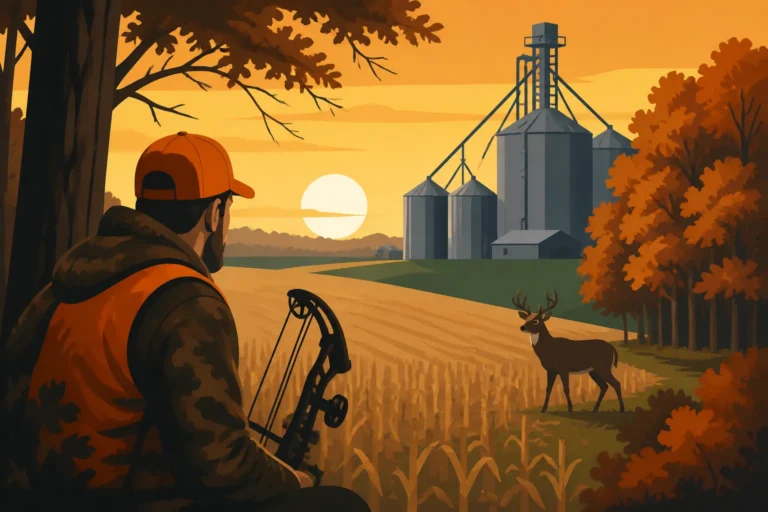
Food is the absolute cornerstone of late-season deer hunting. When everything else is frozen, picked over, or covered in snow, deer will beeline for the most nutritious and accessible food sources. Your job is to find those magnets. In Illinois, agriculture plays a huge role. If there are standing corn or soybean fields that haven't been fully harvested, or even cut fields with plenty of waste grain, these become massive attractants. Deer will literally dig through snow to get to these leftover calories. These areas can be especially productive when paired with thick cover.
Beyond agriculture, natural food sources can still be valuable. If you're hunting timber, look for remaining white oak acorns, especially if it's been a poor mast year for other species. Honeysuckle thickets, which stay green and palatable well into winter, provide crucial browse. Persimmon trees, if still holding fruit, are like candy to deer. These areas, particularly when found near dense bedding cover, are golden. Understanding the available Late-Season Food Sources for Illinois Whitetails is key to formulating a successful plan.
Many hunters also rely on planted food plots. Brassicas like turnips and radishes, winter wheat, and even specific varieties of clover can remain attractive well into December, providing a critical food source when natural forage is scarce. The key is to find plots that are still producing and haven't been over-browsed. These concentrated food sources can draw deer from a wide area, making them excellent places to set up.
Locating Thermal and Security Cover
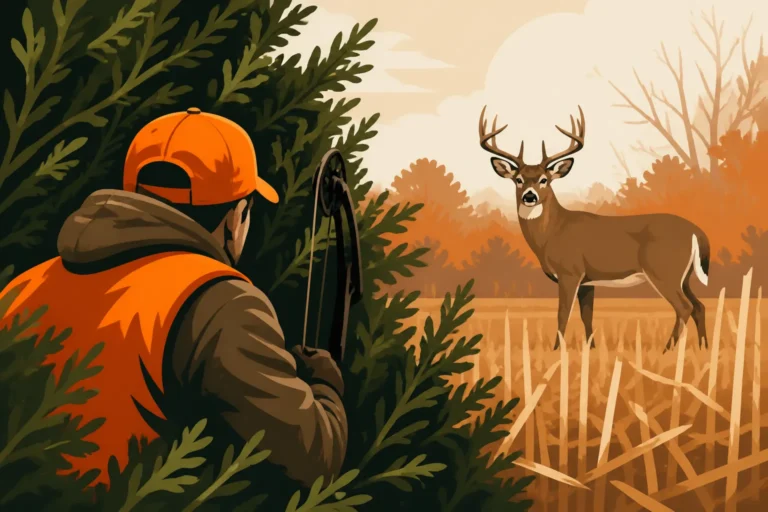
Deer need to stay warm, and they need to feel safe. In December, these two needs often combine in the same locations: dense, thick cover that blocks wind and offers insulation, all while providing visual and scent protection from predators (including us). Think thick cedar thickets, dense pine plantations, stands of young, regenerating timber, or even just extremely overgrown fencerows. These areas offer thermal regulation, keeping deer warmer than open timber.
South-facing slopes are also huge draws, especially on cold, sunny days. The sun hits these slopes more directly, melting snow faster and warming the ground, making them a comfortable place for deer to bed. Couple that with thick brush, and you have a prime late-season bedding area. Dense creek bottoms or areas with substantial blowdowns can also provide excellent security cover, particularly if they're difficult for humans to navigate. When studying aerial maps, consider using a tool like the GoHunt app to identify these dark, dense patches that scream "bedding area."
Identifying these thermal and security sanctuaries is paramount. You want to set up just downwind of these areas, or along the subtle travel corridors deer use to move from bed to food. Deer will use the path of least resistance within this cover, creating subtle trails that become more apparent in snow. Your goal is to intercept them during those brief daylight feeding windows without bumping them from their safe haven.
Patience and Low-Impact Hunting
Late-season deer hunting demands a level of patience that can test even the most seasoned hunter. Deer are not moving constantly. When they do move, it's often deliberate and short-lived. This means you need to commit to long, all-day sits in strategic locations. Don't expect to see a lot of activity; you're waiting for that one opportunity. Think of it like a chess match, not a sprint.
Minimizing your disturbance is absolutely critical. Deer are on high alert. One mistake—a noisy entry, a forgotten scent trail, or a poorly timed movement—can spook every deer in the area for days. Plan your entry and exit routes meticulously to avoid known bedding areas and to use terrain and wind to your advantage. Try to approach your stand in the dark and leave after dark, blending into the natural movements of the night. A low-impact approach ensures you don't educate the deer to your presence, preserving the spot for future hunts.
Commitment to a location is often more effective than frequent moving. Once you've identified a promising food source or bedding area, stick with it, even if you don't see deer on your first sit. The deer are there; you just might be catching them at the wrong time or they might be tucked deeper than you realize. A strategic setup on a food source can eventually pay off, especially as the temperatures drop further. For more ideas, read up on Cold-Weather Sitting Strategy in Illinois.
Gear and Tactics for Cold Weather Hunting
Hunting in December in Illinois means dealing with real cold. Being unprepared for the elements will cut your hunt short and send you home shivering. Proper gear and adjusted tactics are non-negotiable.
Layering for Extreme Cold
Staying warm and dry is the single most important factor for success in late-season hunting. A proper layering system is crucial. Start with a good base layer that wicks moisture away from your skin – merino wool or synthetic materials are ideal. Avoid cotton at all costs, as it retains moisture and will make you cold. Your mid-layers should provide insulation, such as fleece or puffy down/synthetic jackets. Finally, your outer layer needs to be windproof and waterproof, protecting you from the elements while allowing some breathability.
Don't forget the extremities! Insulated, waterproof boots are essential, ideally one size up to allow for thick socks and good circulation. Hand warmers in a muff or insulated mittens can save your hunt. A good quality face mask or balaclava will protect exposed skin, and a warm hat is non-negotiable. When you're sitting for hours in single-digit temperatures, every piece of insulation matters. If you're going to be using a ground blind on Illinois public land, consider bringing a small, portable heater for comfort.
Staying dry is just as important as staying warm. Overdressing on the walk in can cause you to sweat, and that moisture will turn into a chilling cold once you stop moving. Dress lightly for the walk, and then layer up once you reach your stand. This small trick can make a huge difference in your comfort and endurance during a long, cold sit.
Stand Placement and Wind Considerations
Wind becomes an even bigger factor in December. Not only is it critical for scent control (as always), but deer will also seek shelter from it. When placing your stand, consider the prevailing wind direction, but also look for spots that offer natural windbreaks. Setting up on the leeward (downwind) side of a ridge, in a thick cedar grove, or along a dense fencerow can put you in a prime location where deer feel more comfortable moving during daylight.
River bottoms and areas with complex terrain can create swirling winds, making scent control a nightmare. In these situations, try to identify pinch points or funnels where deer movement is concentrated, and then choose a setup that gives you the most consistent wind advantage. Using an app like GoHunt can help you analyze terrain features and predict wind patterns before you even step foot in the woods. For more on this, check out Hunting Illinois River Bottom Funnels.
Consider how deer use terrain to travel when the wind is biting. They will often stick to draws, creek beds, or the low sides of ridges to stay out of the direct wind, even if it means a slightly longer route to food. Positioning yourself along these sheltered travel corridors can be highly effective.
Scouting and Trail Camera Intelligence
Pre-season scouting is always valuable, but late-season scouting is about identifying current patterns. Deer movement is often more predictable in December because their needs are simplified: eat, sleep, stay warm, stay safe. Spend midday hours glassing from a distance, looking for deer feeding in fields or moving between bedding and food. Their patterns now are often very specific.
Trail cameras become invaluable tools. Place them on primary food sources, funnel points leading to those food sources, or along heavily used trails leading out of bedding cover. Check them minimally to avoid disturbing the area. Look for consistent daylight movement patterns, even if it's only a brief window. A picture of a deer at 4:30 PM on a specific trail is gold; it tells you exactly where and when to be. Consider moving your cameras to areas where you anticipate deer will congregate, such as a standing cornfield or a thicket adjacent to a winter wheat plot.
Leveraging digital mapping tools, such as the GoHunt app, during your scouting can give you a massive advantage. You can mark potential bedding areas, food sources, and travel corridors, and then use the aerial imagery and topo maps to plan your approach. This intel is more valuable now than almost any other time of year because deer movements are so tightly linked to survival.
Navigating Public Land Challenges in December
Hunting Illinois public land in December can be tough. The deer have seen it all. But with a strategic mindset and a willingness to work a little harder, you can find success where others might give up.
Finding Unpressured Pockets
Public land, especially after the firearm seasons, can feel barren. However, deer are still there; they've just moved to the deepest, nastiest, most overlooked parts of the property. Your mission is to find those unpressured pockets. Look at topographic maps and aerial photos for areas that are difficult to access: steep ravines, expansive swamps, dense creek bottoms, or areas that require an extremely long walk from parking. Deer will seek refuge in these places, knowing most hunters won't bother.
Don't be afraid to walk further than everyone else. While many hunters stick to trails or obvious funnels, the deer will often be deeper, in the tangled mess that deters others. Sometimes, simply going another half-mile past where you've seen fresh boot tracks can put you in virgin territory. Consider non-traditional access points, if legal and safe, to skirt around the most heavily used entryways. For those hunting the Shawnee National Forest, learning to read a ridge for Shawnee Forest deer and understanding where to hang a stand on a southern Illinois ridge can guide you to these secluded spots.
Deer gravitate to these hidden sanctuaries because they offer the security they crave after being harassed for weeks. These spots often hold mature deer that have learned how to avoid detection. Be prepared for a physically demanding hunt, but the reward of finding an unpressured buck can be immense. For more on this, check out Finding Ground Others Walk Past.
Understanding Human Pressure Patterns
Observing human pressure patterns is just as important as understanding deer patterns. Weekends on public land will almost always see more hunters than weekdays. If you have the flexibility, hunting on a Tuesday or Wednesday after a cold front can drastically increase your chances. Pay attention to parking areas; if a lot of trucks are present, that area is likely getting pounded.
Most hunters tend to stick to established trails, logging roads, or easily accessible funnels. This means the deeper, thicker sections often see less pressure. Use this to your advantage. While the edges might be quiet, the core of a dense thicket deeper in the property might be holding several deer that are simply waiting for darkness to move.
Don't be afraid to adjust your strategy based on pressure. If you arrive at your planned spot and see other hunters, have a backup plan. Sometimes, simply moving a few hundred yards off the main trail into denser cover can be enough to escape the crowds. Also, consider the types of hunting happening. If it's firearm season, deer will be pressured differently than during the Illinois Muzzleloader-Only Season Dates.
Legalities and Regulations for Late Season
Before heading out, always double-check the Illinois Department of Natural Resources (IDNR) regulations for the specific season and county you're hunting. December can involve overlaps with various seasons. For instance, if you're hunting during the December muzzleloader season, there might be specific blaze orange requirements or weapon restrictions. Knowing the rules about Illinois Muzzleloader-Only Season Tactics is vital.
Always ensure your permits are valid for the dates and locations you intend to hunt. The Illinois deer reporting deadline is critical; ensure you report any harvested deer within the specified timeframe. These details are not just bureaucratic hurdles; they are part of responsible hunting and ensure you avoid any unnecessary fines or penalties. Understanding the full Illinois Deer Season Structure Explained can prevent any surprises.
| Late-Season Food Source | Description | Typical Location | Availability (Dec) | Deer Preference | Scouting Tip |
|---|---|---|---|---|---|
| Standing Corn/Beans | Unharvested or waste grain in agricultural fields | Farm fields adjacent to timber or thickets | High | Very High | Look for tracks and browse in snow, especially near cover. |
| White Oak Acorns | Mast crop that often persists later than red oak acorns | Mature white oak timber, ridge tops | Medium | High | Check under trees; dig through leaves/snow for remnants. |
| Brassicas (Turnips) | Planted food plots that sweeten after a hard frost | Food plots, old fields | High | High | Observe browsing pressure; look for chewed leaves. |
| Honeysuckle | Invasive, evergreen browse that offers nutrition year-round | Dense thickets, creek bottoms, forest edges | High | Medium-High | Look for heavy browsing on green leaves and stems. |
| Winter Wheat/Clover | Green forage in planted fields that grows in cool weather | Food plots, agricultural fields | Medium | Medium | Check for fresh deer droppings and tracks. |
| Browse (Young Saplings) | Edible twigs and buds from various tree species | Recent timber cuts, young growth, clear-cuts | High | Medium | Identify areas of heavy stem clipping. |
Disclaimer
Always consult the latest regulations from the Illinois Department of Natural Resources (IDNR) before engaging in any hunting activities, as rules and seasons can change. This guide is for informational purposes only and does not supersede official state regulations.