Hunting the Illinois Youth Weekend Dates
Trying to figure out the exact dates and specific rules for Illinois's Youth Deer Weekend can sometimes feel like trying to hit a moving target, especially when you're excited to get a young hunter out in the field. It's not always straightforward, but empowering the next generation of hunters is incredibly important. This guide will walk you through everything you need to know about the Illinois Youth Deer Weekend, from season dates and permit requirements to practical tips for making it a safe, memorable, and successful experience for your young outdoors enthusiast.
Understanding Illinois Youth Deer Season Dates and Structure
The Illinois Youth Deer Season is a special opportunity designed specifically for younger hunters, allowing them to experience deer hunting with less pressure and more guidance. It's a fantastic program that aims to foster a love for the outdoors and ethical hunting practices in children and young adults. Knowing the precise dates and how this season differs from general firearm seasons is crucial for planning your outing.
Annual Timing and Duration
Typically, the Illinois Youth Deer Season is held over a three-day weekend in early to mid-October. While the exact dates can shift slightly each year, it's always strategically placed to provide a unique window of opportunity when deer are generally active, but before the peak hunting pressure of the regular firearm seasons begins. For instance, in recent years, it has often fallen around the Columbus Day weekend, providing a convenient long weekend for families. The Illinois Department of Natural Resources (IDNR) will announce the specific dates well in advance, usually by late spring or early summer, so it's always a good idea to check the official IDNR website or their annual hunting digest. This early timeframe often means the weather can be milder than late November, making for a more comfortable experience for young hunters and their mentors alike.
Eligibility Requirements for Young Hunters
To participate in the Illinois Youth Deer Season, a hunter must be under a specific age range. Currently, the season is open to hunters who are under 18 years of age and hold a valid Illinois Youth Deer Hunting permit. It's important to note that these hunters must be accompanied by an adult who is at least 18 years of age and possesses a valid Illinois hunting license, a Habitat Stamp, and an Illinois Firearm Owner's Identification (FOID) card if legally required. The adult mentor is not allowed to hunt themselves but is there solely to supervise and provide instruction. This strict supervision requirement ensures safety and proper guidance for the young hunter. It's a fantastic chance for an experienced hunter to pass on knowledge without the distraction of trying to fill their own tag. Parents or guardians who are considering getting their child involved should also look into the Illinois Hunter Education Requirements as it's a foundational step.
Key Differences from Regular Deer Seasons
The Youth Deer Season stands apart from the broader Illinois Deer Season Structure Explained in several key ways. First, as mentioned, it's age-restricted, creating a more focused and less competitive environment. Second, the allowed weapons are specifically limited to shotguns, muzzleloaders, and straight-walled cartridge rifles, aligning with the general firearm regulations for deer in Illinois. However, unlike the regular seasons, crossbows are often permitted for youth hunters during this specific period, offering a bit more flexibility, especially for those who might struggle with traditional archery equipment. Blaze orange requirements are also in full effect, ensuring maximum visibility and safety in the field. Another significant difference is the reduced hunting pressure. With fewer hunters in the woods, young participants often have a more relaxed and educational experience, allowing them to truly connect with nature and the hunting process. This distinct window also offers an opportunity to scout for deer movement before the typical fall crunch.
Preparing for a Successful Youth Deer Hunt
Getting ready for a youth deer hunt is about more than just showing up. It involves careful planning, safety considerations, and a focus on the mentoring aspect. A well-prepared hunt greatly increases the chances of both success in the field and a positive, lasting memory for the young hunter.
Essential Gear and Safety Considerations
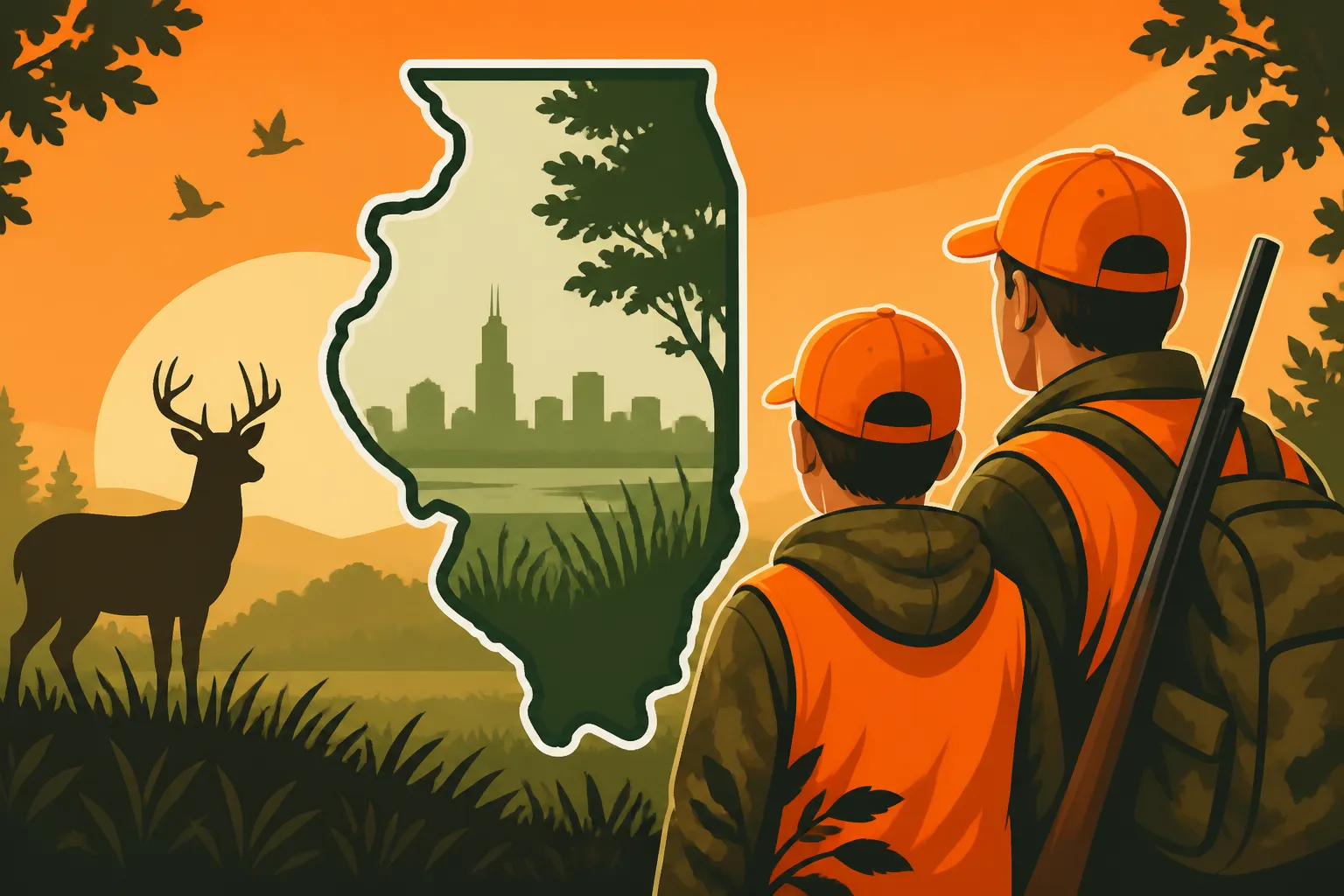
Safety is paramount, especially when introducing new hunters to the sport. Beyond the required blaze orange – which needs to be prominently displayed on both the outer garment and headwear – ensure your young hunter has appropriate clothing for the weather, including layers for warmth, rain gear, and comfortable, sturdy boots. A good pair of binoculars, like those from a reputable brand such as Vortex or Leupold, can greatly enhance their experience, allowing them to spot deer and observe wildlife from a distance. For younger or smaller hunters, consider a youth-model shotgun or rifle that fits them properly. Recoil can be a major deterrent, so a lighter-recoiling caliber or a shotgun with reduced loads is often a wise choice. Hearing protection and eye protection are non-negotiable whenever a firearm is being discharged. The adult mentor should also carry a first-aid kit, a compass or GPS, and a fully charged cell phone. Discussing and demonstrating proper firearm handling, muzzle control, and shot placement repeatedly before the hunt is critical. A safe hunt is a good hunt, regardless of whether a deer is harvested. For those using treestands, which can be great for visibility, remember the rules on Treestand Setups in Shawnee National Forest if you're in that area, or for public lands in general, and always use a full-body harness, even if just for practice.
Scouting and Location Strategies for Youth Hunters
Pre-season scouting is always important, but it's even more crucial for a youth hunt where comfort and shot opportunities can directly impact enthusiasm. Look for areas with good deer sign – tracks, rubs, scrapes, and feeding areas – that are relatively accessible and don't require an arduous hike. For instance, hunting an Illinois creek bottom funnel or a field edge where deer enter and exit a woodlot can often provide easier opportunities for younger hunters. The early October timing of the Youth Season means deer are still in relatively consistent patterns, often moving between bedding areas and food sources like acorn flats or early-harvested agricultural fields. Using mapping tools, such as the ones found on GoHunt, can help identify potential pinch points, travel corridors, and bedding areas on public lands or private properties where you have permission. Pay attention to how the wind will affect your setup, as deer rely heavily on their sense of smell. For those hunting public ground, researching Scouting Illinois Public Land Before Season can provide valuable insights into finding less-pressured areas. Placing trail cameras on game trails or near natural funnels can give you a real-time understanding of deer movement, helping to pinpoint the best stand locations.
Mentoring and Field Etiquette
The Youth Deer Weekend isn't just about harvesting a deer; it's primarily about the mentoring experience. Be patient, explain everything, and focus on teaching responsible hunting practices. This includes understanding deer behavior, tracking, shot placement, and field dressing. Emphasize ethical hunting – taking clean shots, respecting wildlife, and following all regulations. Teach them about Reading Aerial Photos for Southern Illinois Deer or how to interpret topographic maps. Even if no deer are seen, point out other wildlife, identify trees, and explain the ecosystem. This builds a connection to nature that lasts a lifetime. Encourage quiet movement, awareness of wind direction, and the importance of remaining still in a stand or blind. When setting up, consider a ground blind; they can be excellent for youth hunters, offering warmth, comfort, and the ability to move a bit more without spooking deer. If you are using a ground blind on public land, remember the specific Using a Ground Blind on Illinois Public Land rules regarding placement and removal. Make it fun, celebrate small victories (like spotting a squirrel or hearing an owl), and be prepared for potential boredom – bring snacks, water, and perhaps even a quiet game or book for lulls in activity.
Navigating Permits and Regulations for Youth Hunters
Understanding the administrative side of hunting can be daunting, but it's essential for a legal and worry-free experience. For the Illinois Youth Deer Weekend, there are specific permit requirements, weapon restrictions, and harvest reporting procedures that every mentor needs to be aware of.
Acquiring Youth Deer Permits
Obtaining the correct permit is the first step. Youth Deer Permits are typically available for purchase over-the-counter or online through the GoHunt website or other authorized vendors during a specific application period. Unlike some other deer permits in Illinois, these are generally not part of a lottery system, making them more accessible. Each youth hunter is typically allowed to purchase one Youth Deer Hunting Permit, which allows for the harvest of one antlerless deer or one deer of either sex, depending on the specific county quotas. It’s important to purchase these permits well in advance of the season dates, as popular counties can sometimes see permits sell out. Double-check the IDNR website for the most current information on permit availability and purchasing timelines. Remember, the cost of an Illinois Resident Archery Deer Permit Cost or firearm permit for adults is different, so ensure you're getting the specific youth permit.
| Feature | Illinois Youth Deer Season | Regular Firearm Deer Season |
|---|---|---|
| Hunter Age | Under 18 | 10+ (with Hunter Ed) |
| Season Length | 3-day weekend | Multiple 3-day periods |
| Primary Goal | Youth education/experience | Harvest |
| Mentorship | Required (non-hunting adult) | Optional |
| Weapon Options | Shotgun, Muzzleloader, Straight-Wall Rifle, Crossbow | Shotgun, Muzzleloader, Straight-Wall Rifle |
| Permit Type | Youth Deer Hunting Permit | Various Deer Permits |
| Hunting Pressure | Generally Lower | Higher |
Legal Weapons and Other Rules Specific to Youth Season
As briefly touched upon, the legal weapons for the Illinois Youth Deer Season include shotguns, muzzleloaders, and straight-walled cartridge rifles. What often sets this season apart, and can be a big advantage for younger or smaller hunters, is the allowance of crossbows. This often makes it easier for youth to manage equipment and focus on the hunt itself without the added physical challenge of drawing a traditional bow. Always confirm the specific legal requirements for bullet diameter or gauge for the chosen weapon type on the official IDNR website, as these can sometimes be updated. Beyond weapons, all hunters and their mentors must adhere to the blaze orange requirements, which mean wearing a solid blaze orange cap and a solid blaze orange outer garment showing at least 400 square inches of material. The hunter must also carry proof of their permit and a valid hunting license. Additionally, be mindful of specific county rules or public land regulations; for example, some areas might have antler point restrictions or other local ordinances.
Reporting Your Harvest
Harvest reporting is a critical part of wildlife management in Illinois. If your young hunter is successful, you must report the deer harvest through the Illinois Department of Natural Resources (IDNR) website or the official mobile app. The deer must be reported by 10 p.m. on the day of harvest. This data helps biologists manage deer populations and understand harvest trends. Make sure you have all the necessary information ready, including the permit number, date of harvest, county of harvest, and the sex of the deer. The process is straightforward, but it’s a crucial step that teaches young hunters about their responsibility as conservationists. For more detailed instructions, refer to the Illinois Deer Reporting Requirements. It's a quick process that helps ensure the future of hunting in Illinois.
Disclaimer
The information provided in this guide is for general informational purposes only and is subject to change. Hunting regulations and dates can be updated by the Illinois Department of Natural Resources (IDNR) without prior notice. Always consult the official IDNR website or the current Illinois Hunting and Trapping Digest for the most accurate and up-to-date rules, regulations, and season dates before planning any hunting trip.