Pheasant Hunting a Fencerow Edge
There's a special kind of frustration that comes with pheasant hunting in Illinois. You scout those big, beautiful fields of CRP or standing corn, walk your legs off, and sometimes, the birds just aren't there. Or maybe they are, but they flush a hundred yards out, laughing at your efforts. It can feel like an impossible game. But what if I told you that some of the most productive, overlooked spots are often right under your nose, in those narrow, brushy strips that farmers often leave along field edges and property lines? This guide is all about diving deep into the art of pheasant hunting a fencerow edge, revealing how these linear strips of cover can be absolute goldmines for wily roosters.
Why Fencerows are Hidden Pheasant Havens
Fencerows might seem insignificant compared to a sprawling cornfield or a vast patch of switchgrass, but for a pheasant, they're often the perfect blend of safety, food, and thermal cover. These linear strips provide everything a bird needs to survive, especially as the seasons progress and other cover disappears.
Essential Cover and Thermal Protection
Think about a typical Illinois fencerow. It’s rarely just a single wire fence. More often, it's a tangled mess of multiflora rose, honeysuckle, osage orange, plum thickets, and various tall grasses and weeds. This dense, often thorny, vegetation provides incredible escape cover from aerial predators like hawks and ground predators like coyotes. A pheasant can dive into that thicket and feel incredibly secure.
Beyond just hiding, fencerows offer crucial thermal protection. On a cold, windy December day, that dense brush can break the wind, creating a microclimate that's several degrees warmer and significantly less exposed. In the heat of early season, the shade from taller shrubs and trees in a fencerow provides a cool retreat. Unlike an open field that offers little to no protection from the elements, a well-established fencerow is a pheasant's insulated bunker. This means birds will often hold tight, giving you a better chance for a shot, rather than flushing wild from more exposed cover.
Travel Corridors and Food Sources
Fencerows aren't just static cover; they're bustling highways for wildlife. Pheasants, like deer and other game, use these linear features as safe travel corridors, moving between different feeding areas, roosting sites, and water sources without having to expose themselves in open fields. Imagine a rooster wanting to move from a harvested soybean field to a patch of uncut weeds. Running along a fencerow is far safer than crossing the middle of a barren field.
These edges are also prime dining spots. While the adjacent agricultural fields provide abundant waste grain after harvest—think corn, soybeans, and milo—the fencerow itself offers a smorgasbord of natural food. Weed seeds from smartweed, ragweed, and various grasses are readily available. Insects, especially in the warmer months, are also a food source. Furthermore, the very edges of crop fields often have volunteer growth and dropped grains that birds can pick at while still being close to the safety of the heavy cover. It's a convenient, low-risk buffet line for them. This combination of shelter and sustenance makes a fencerow an irresistible magnet.
Scouting and Reading the Fencerow for Signs
Before you even think about walking a fencerow with a shotgun, some dedicated scouting can dramatically increase your success. Pheasants are creatures of habit, and their presence leaves clear indicators. Knowing what to look for, and when, is key to turning a hopeful walk into a productive hunt.
Looking for Visual Evidence of Pheasants
When you're out scouting, start by walking the length of the fencerow, paying close attention to the ground and the lower branches of the vegetation. Look for fresh tracks in soft soil or mud, especially after a rain. Pheasant tracks are distinct, three-toed prints, typically larger than those of quail or small songbirds. Fresh tracks indicate recent activity.
Droppings are another tell-tale sign. Pheasant droppings are often dark and coiled, sometimes with a white cap, and will be found where birds roost or spend time. You might also find dusting bowls – small, shallow depressions in dry dirt or dust where birds have "bathed" to clean their feathers and deter parasites. These spots often indicate a favored loafing area. Furthermore, look for disturbed vegetation where birds might have pushed through, or even shed feathers, especially during or after the molt. A keen eye can pick up on where birds are entering and exiting the fencerow from adjacent fields, giving you clues about their daily routines. Using mapping apps like GoHunt can help you identify these linear features and potential access points even before you step foot on the ground.
Timing Your Fencerow Reconnaissance
The best time to scout fencerows often coincides with periods of low pheasant activity or just after a significant weather event. After a fresh snowfall, tracks become incredibly easy to spot. You can see not just if birds are present, but their travel patterns along the fencerow. Early mornings or late evenings, outside of hunting hours, are also good times to observe. You might see birds leaving the fencerow to feed in fields or returning to roost.
It's also worth noting how field conditions change. After a corn or soybean harvest, fencerows become even more critical cover, drawing birds from newly exposed fields. Pay attention to which crops are harvested when, and adjust your scouting accordingly. A fencerow next to a standing cornfield might be less active until that corn comes down, at which point it could become bustling with birds seeking new refuge. This adaptive scouting helps you prioritize which fencerows are most likely to hold birds on a given day. If you're looking for broader scouting strategies, exploring articles like Scouting Illinois Public Land Before Season can offer additional insights.
Effective Hunting Strategies for Fencerows
Hunting fencerows requires a different approach than pushing a large field. It’s more intimate, often demanding closer dog work and careful planning to ensure safety and maximize shot opportunities. Every hunter, whether with a dog or solo, can find success in these linear cover strips.
Walking Techniques: Solo and Group Approaches
When hunting a fencerow solo, the key is to move slowly and deliberately, allowing your dog (if you have one) to work the cover thoroughly. If hunting without a dog, you'll need to push through the thickest parts of the fencerow yourself, pausing frequently. Pheasants are notorious for holding tight, then bursting out when you're least expecting it. The "stop-and-go" method can often provoke a flush: walk a few paces, then stop completely for 10-15 seconds. The sudden silence sometimes makes a nervous bird break cover.
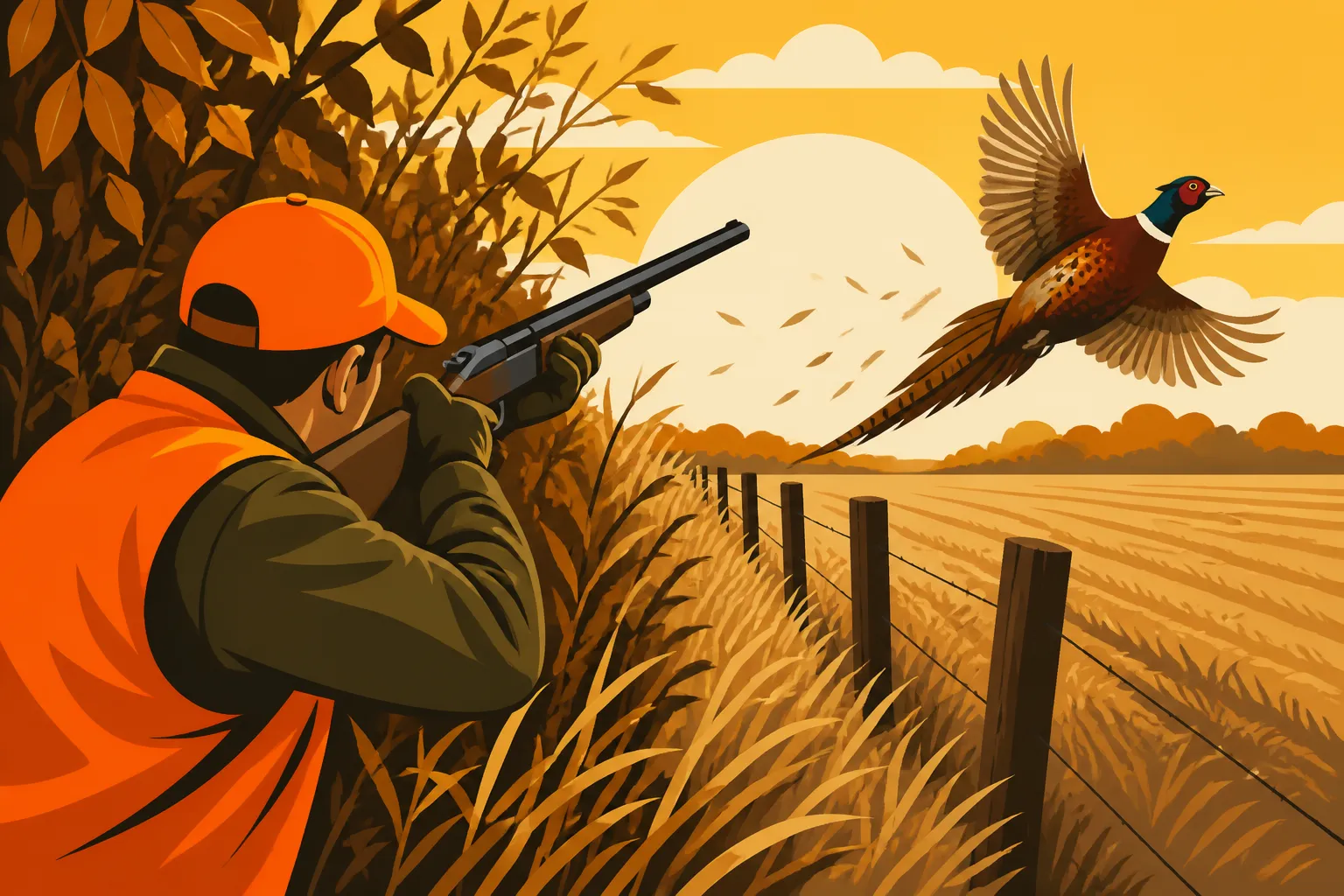
For group hunting, fencerows are ideal for small teams of two to three hunters. One or two hunters should walk directly in the fencerow, pushing the cover, while another hunter walks parallel to the fencerow in the adjacent field, about 20-30 yards out. This "blocker" position is crucial because pheasants, especially roosters, will often run the length of the fencerow before attempting to sneak out into the open field. The blocker can intercept these running birds or get a shot as they flush. Communication is vital to maintain safe shooting lanes and ensure everyone knows where other hunters are.
Utilizing Dogs for Fencerow Success
Dogs are incredibly valuable in fencerows. Their superior sense of smell and ability to penetrate thick cover can locate birds that a human hunter would walk right past. For fencerows, a close-working flushing dog, like a Labrador or Springer Spaniel, can be highly effective. They systematically work the cover, forcing birds to flush within gun range.
Pointing breeds, such as German Shorthaired Pointers or English Setters, can also be excellent, but often require more training to keep them working within the narrow confines of a fencerow. A pointing dog that ranges too wide might get out of sight or push birds too far ahead. Regardless of breed, ensure your dog is accustomed to dense cover and protective gear like a vest might be a good idea to prevent cuts from thorns. Learning to Run Pointing Dogs on Illinois Pheasants is a skill that translates well to these smaller, dense areas. Having a bell on your flushing dog can also help you track their movements in the thick brush, ensuring you're always in a good position when a bird is put up.
Safety Considerations and Regulations
Hunting fencerows means being acutely aware of your surroundings. Always know where your hunting partners are, especially the "blocker" in the adjacent field. Blaze orange is not just a good idea; it's a legal requirement in Illinois during upland game seasons. Ensure you and your dog (if applicable) are wearing enough to be highly visible.
Property lines are paramount. Fencerows often are property lines. Before you hunt, use a reliable mapping tool, like GoHunt or OnX Hunt, to confirm land ownership and ensure you have permission for all properties you intend to hunt or where a bird might land. This is particularly crucial if a flushed bird crosses onto land where you don't have permission. Always respect boundaries and retrieve downed birds legally. Illinois regulations also prohibit shooting across public roads, and there are specific setbacks for occupied dwellings. Be sure to familiarize yourself with these rules before heading out. Understanding Illinois pheasant season rules will provide the necessary regulatory framework for your hunt.
| Fencerow Type | Typical Cover Elements | Pheasant Potential | Hunting Challenge | Notes |
|---|---|---|---|---|
| Brushy Fencerow | Multiflora rose, honeysuckle, sumac, small cedars | High | Moderate to High | Excellent for holding birds, especially in cold/windy weather. |
| Grassy Fencerow | Tall grasses, broadleaf weeds, some scattered brush | Moderate | Moderate | Good early season cover, less thermal protection in deep winter. |
| Timber Edge Fencerow | Saplings, fallen logs, forest edge undergrowth | Moderate | Moderate | Can hold birds near food sources; watch for running into timber. |
| Mixed Fencerow | Combination of brush, grass, and smaller trees | High | Moderate | Often the most productive due to diverse cover options. |
| Creek Bottom Fencerow | Dense willows, cattails, brush along water course | Very High | High | Difficult to navigate, but can be a rooster magnet, especially in dry years. |
Maximizing Your Fencerow Hunt
Even with the best strategies, fencerow hunting still holds its challenges. Understanding how pheasants behave in these strips and adapting your tactics can make all the difference between an empty game bag and a successful hunt.
Understanding Pheasant Behavior in Linear Cover
Pheasants, particularly mature roosters, are masters of evasion in fencerows. When pressured, their first instinct is often to run, not fly. They'll use the dense cover to their advantage, slipping through tangles of brush faster than a human, and often faster than a dog. This running behavior is why a "blocker" in the adjacent field is so valuable when hunting with a group. Without someone to cut off their escape, birds can simply run out the end of a long fencerow.
They're also experts at holding tight. A rooster might sit motionless, relying on its camouflage, even as you walk just feet away. This is where a good dog's nose truly shines. If you're hunting without a dog, those frequent pauses and slow, methodical pushes become even more critical. Keep your senses sharp, listening for the tell-tale cackle of a flushing bird or the rustle of movement in the dense undergrowth. Sometimes, they'll flush silently, appearing like a brown blur from the cover, so stay ready.
Adapting to Different Fencerow Scenarios
No two fencerows are exactly alike, and being able to adapt your approach to the specific cover you encounter is crucial.
- Short Fencerows: For shorter fencerows, especially those connecting larger blocks of cover, a quick, coordinated push with a few hunters and dogs can be very effective. The birds have fewer options to run, so they're more likely to flush.
- Long Fencerows: Longer fencerows demand patience. Break them into manageable sections if possible, or ensure your "blocker" is constantly moving ahead to stay in position. Consider starting at one end and working your way through, then circling back to hunt the other direction if it's a particularly promising spot.
- Fencerows with Adjacent Standing Crops: Hunting a fencerow next to standing corn or thick cover requires extra vigilance. Birds might flush into the standing crop, making recovery difficult. If you have permission to enter the field, be prepared to do so quickly to follow up on a winged bird. If not, focus on shooting birds that flush over the open side or that are pushed out the end.
- Brushy, Thorny Fencerows: These are often the most productive but also the most challenging. Dress appropriately with tough briar pants and a sturdy vest. Your dog will also benefit from a protective vest. These areas force birds to hold tighter but also make it harder to move through, so adjust your speed accordingly.
- Connecting Fencerows: Pay close attention to where fencerows intersect or branch off. These junctions are prime spots where birds will congregate or try to escape. If you're working a main fencerow, position a hunter at these connecting points to catch any birds trying to slip away.
By understanding these nuances, you can turn seemingly difficult fencerow hunts into highly rewarding experiences. After all, the challenge is part of the fun, right? Remember, persistence and keen observation are your best allies when hunting these overlooked pheasant hotbeds in Illinois. And always make sure you're up-to-date on Illinois Pheasant Stocking Locations if you're also hunting preserve birds, though fencerows are often more about wild pheasants.
Disclaimer
Always check the latest Illinois Department of Natural Resources (IDNR) hunting regulations before heading afield, as rules and seasons can change. Ensure you have all required licenses and permits.