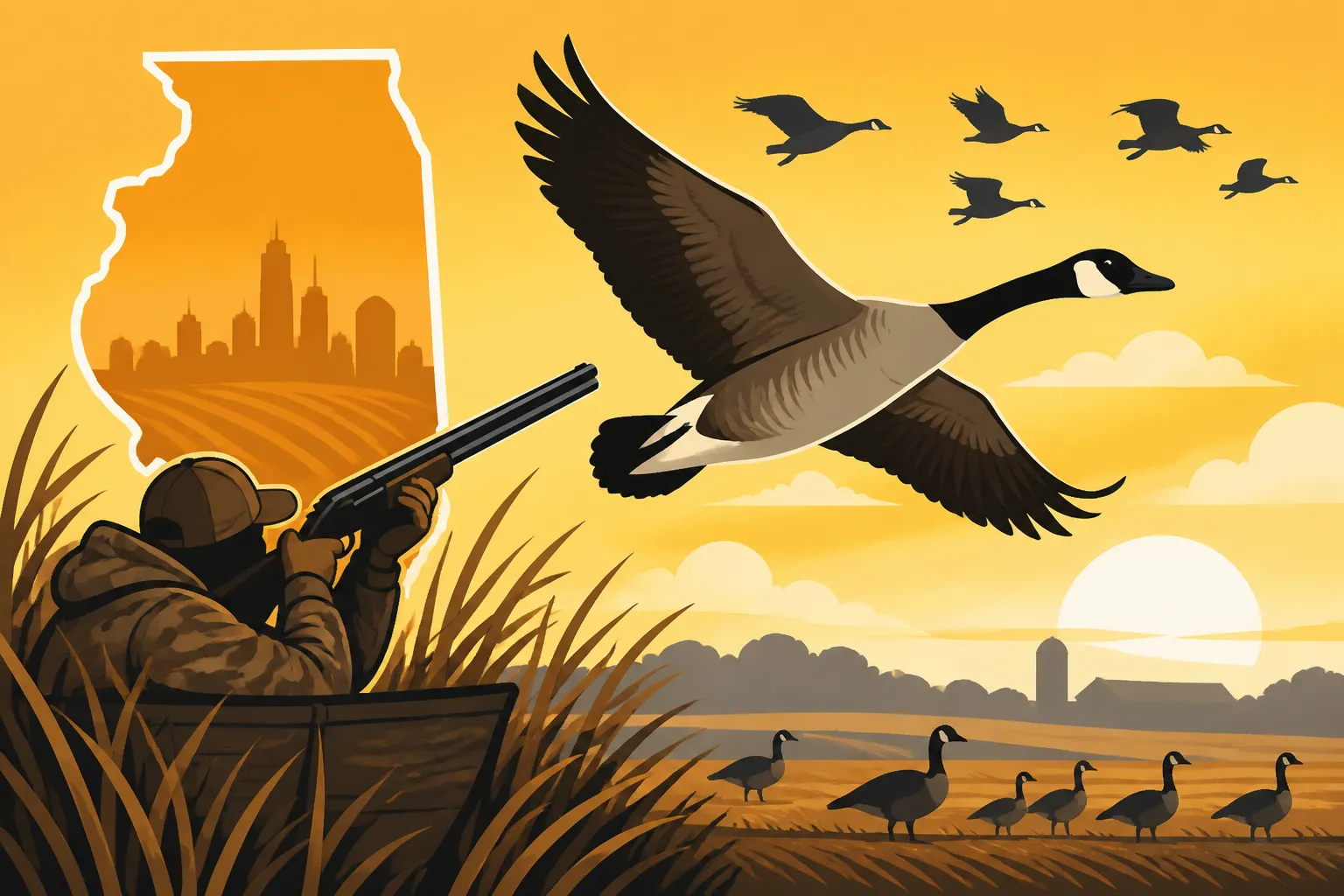
Early Goose Season Tactics in Illinois
The crisp air of late summer or early fall might not scream "goose hunting," but for us dedicated waterfowlers in Illinois, it's the exciting precursor to the main event. Getting an early jump on Canada geese can be incredibly rewarding, but it also comes with its own unique set of challenges compared to the later, colder months. These birds are savvy, less pressured, and often still in family groups, making them a tough nut to crack. This guide will dive deep into the specific tactics and preparations you'll need to fool those sharp-eyed early season honkers across the Prairie State.
Understanding Early Season Goose Behavior and Habitat in Illinois
Early goose season in Illinois is a different beast entirely from the late-season migrations we often dream about. The birds you're targeting are primarily local residents, born and raised right here in Illinois. They haven't been subjected to weeks of hunting pressure, which can make them seem a bit more predictable in their daily routines, but also incredibly wary of anything out of place. This distinction is key to successful early season hunting.
Resident Goose Habits and Patterns
Unlike their migratory cousins who might be pushing through on the Mississippi Flyway, early season geese in Illinois have a pretty consistent routine. They'll typically roost on large bodies of water—think big lakes, major rivers like the Illinois River, or even larger farm ponds that offer safety and open sightlines. From these roosts, they'll fly out to feed in agricultural fields, often hitting the same fields day after day until the food source is depleted or disturbed. This consistent pattern is both a blessing and a curse. It means if you find them, they'll likely be there again. However, it also means they've established very specific flight paths and feeding preferences, making them extremely observant of any changes to their familiar landscape.
You'll often find these birds in smaller family groups or loose flocks, rather than the massive congregations seen later in the year. This means your calling and decoy spreads need to reflect these smaller, more intimate social structures. They're often feeding on waste grain from early harvested corn or wheat fields, fresh green shoots in pastureland, or even highly palatable standing soybeans or alfalfa. Understanding this diet is critical. If you're scouting and see them in a cut cornfield, that's a prime target. If it's a freshly mown hayfield, don't dismiss it – they're looking for protein. You can often track these patterns using aerial maps from resources like GoHunt, identifying potential roosting areas and prime feeding grounds from a distance.
Key Habitat Types to Target
In Illinois, early season geese aren't just everywhere; they're concentrated in specific types of habitat. Identifying these areas is the first step to putting birds in the bag.
First, agricultural fields are paramount. Specifically, pay attention to freshly harvested fields, especially corn or wheat fields where a lot of waste grain might be left behind. These provide an easy, high-energy meal. However, don't overlook green fields either. Early season geese will readily feed on young alfalfa, winter wheat, or even lush pastures. These birds are often less interested in massive spreads of decoys and more focused on getting to a reliable food source they've already identified. Observing where they're flying from their roost to feed is vital. This is where a good pair of binoculars and patience truly pay off.
Second, large water bodies serve as crucial roosting sites. This could be a large reservoir, a wide section of the Illinois River, or even vast gravel pits that dot the landscape. These areas provide safety from predators and a place for geese to feel secure overnight. While you generally won't hunt on these roosts directly (it's often illegal or unethical to pressure them there), knowing their roost helps you predict their flight paths. If you're near the Mississippi River Backwaters, you'll notice geese using those expansive, secluded areas. Geese will often travel several miles from their roost to a feeding field, so don't limit your scouting to just the immediate vicinity of large lakes or rivers.
Third, fencerows and isolated woodlots can also play a role, not as feeding grounds but as transition zones or windbreaks where geese might briefly land or pause before heading to a field. While not primary hunting spots, understanding how geese use these landscape features can help you anticipate flight lines and set up a blind strategically. The key is finding that overlap between their security (roosting water) and their sustenance (feeding fields).
Effective Scouting and Field Setup Strategies
Success in early goose season hinges almost entirely on meticulous scouting and a well-executed field setup. These local birds are not easily fooled, and a little bit of extra effort before the hunt can make all the difference.
The Importance of Pre-Season Scouting
You simply cannot overstate the value of scouting for early season geese. These are local birds, meaning they're often following a consistent routine. Your goal is to find that routine. Start weeks before the season opens, if possible. Drive rural roads, use binoculars, and look for geese feeding in fields or flying overhead. Pay attention to the time of day they arrive and depart, and note their flight paths. Are they flying from a particular direction, heading towards a specific body of water? This information is gold.
Use mapping tools extensively. Apps like GoHunt are invaluable for identifying potential roosting areas (large lakes, wide rivers) and likely feeding fields (cut corn, wheat, or even green agricultural fields). You can mark potential areas of interest, track observed goose activity, and even note potential access points. Look for fields with standing water after a rain, as geese love to loaf and drink in shallow pudd. The fresher the food source, the more likely the geese will be there. Don't be afraid to knock on doors and ask for permission. A friendly conversation with a farmer can unlock access to prime hunting grounds.
Optimal Blind and Decoy Placement
Once you've scouted a field and secured permission, the next critical step is your setup. For early season, less can often be more when it comes to decoys. These birds are often in smaller family groups, and a huge spread might look unnatural to them.
Decoy Spread: Aim for a realistic spread that mimics small family groups. A common mistake is to put out too many decoys or to make the spread too dense. Try setting up groups of 3-6 full-body or shell decoys, leaving plenty of open landing zones between them. Focus on making the decoys look natural – some feeding, some sentries, perhaps a few loafing. Remember, these birds are not accustomed to massive decoy spreads yet. Consider placing your decoys into the wind, as geese typically land into the wind. A mix of full-body and perhaps a few feeder shells can create a very convincing look. For Illinois River Valley Diving Ducks, you might use a different spread, but for geese, realism is key.
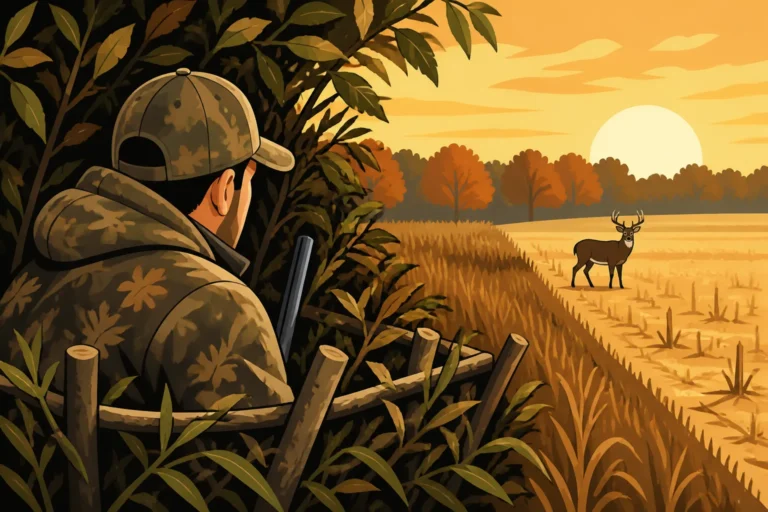
Blind Concealment: This cannot be stressed enough: early season geese have excellent eyesight and haven't seen many blinds yet. You must be perfectly concealed. Layout blinds brushed in with natural vegetation from the field are ideal. If you're using a ground blind, make sure it's placed against a fencerow, tree line, or other natural break in the landscape, and brush it in meticulously. Anything that looks out of place will flare these wary birds. Even a shiny face or a movement can send them packing. Consider wearing a face mask or using face paint, and ensure your gloves match your camo. For tips on how to effectively Brushing In a Blind on a Field Edge, check out our other resources.
| Decoy Type | Description | Early Season Application |
|---|---|---|
| Full-Body Decoys | Most realistic, 3D representation. | Excellent for small, realistic family groups in fields. |
| Shell Decoys | Half-shell or profile decoys. | Great for adding numbers to a feeding spread without bulk. |
| Silhouettes | Flat, two-dimensional cutouts. | Can be useful to extend the visual range of your spread. |
| Motion Decoys | Flagging, spinning wing, or lifelike movement. | Judicious use can add realism; avoid overdoing it. |
Calling and Decoy Spreads for Early Season Success
Mastering your calling and fine-tuning your decoy presentation are paramount when dealing with early season Illinois geese. These birds aren't as call-shy as their late-season counterparts, but they're also not easily fooled.
Mastering Early Season Calling Techniques
Early season geese respond well to calling, but the type and volume of calls you use should reflect the unpressured nature of the birds. Unlike late season where you might need aggressive, loud calling to get attention, early season often calls for more subtle, conversational sounds. Think about imitating a happy flock contentedly feeding.
Start with quiet clucks, murmurs, and feeding calls. If you get their attention and they start to work towards you, increase the intensity slightly with a few greeting calls or a short comeback call if they start to veer off. Resist the urge to blow your call as loud as possible the moment you see them. These birds are often in family groups, and they communicate with a range of nuanced sounds. A good short-reed goose call or a flute call can both be effective. Focus on rhythm and realism over sheer volume. Sometimes, a few well-timed honks are all it takes to convince them. You're trying to replicate what they expect to hear from other happy geese on a food source. Remember, the goal isn't to blast them with noise, but to sound like their natural environment.
Adjusting Decoy Spreads for Wary Birds
As mentioned, early season geese often travel in smaller family units. Your decoy spread should reflect this. Instead of a massive, overwhelming spread of dozens of decoys, consider smaller, more realistic groups.
Think about separating your decoys into a few "family groups" of three to six birds each, rather than one giant blob. Leave plenty of open space, forming a "U" or "J" shape with the open end facing into the wind, towards your blind. This creates an inviting landing zone where geese naturally want to set down. Place some decoys in feeding positions, some in upright "sentry" positions, and perhaps a few loafing. The overall impression should be one of peace and safety, a place where other geese are happily feeding without a care in the world. If you're Hunting a Standing Soybean Field, you might want to integrate your decoys right into the edge of the crop for a super natural look. Remember, these birds haven't seen much pressure, so any anomaly in the field will stand out like a sore thumb. Don't forget that motion decoys, like a goose flag, can add realism, but use them sparingly and naturally; a single flag waved subtly can be more effective than a constantly flapping spinner.
Gear and Considerations for Illinois Early Goose Season
Having the right gear and understanding specific regulations for early goose season in Illinois can significantly impact your success and overall experience. It's not just about the gun and ammo; it's about comfort, concealment, and compliance.
Essential Gear for Early Season Success
Beyond your shotgun and ammunition, several pieces of gear are non-negotiable for a comfortable and productive early goose hunt.
First, reliable concealment is paramount. As discussed, layout blinds or meticulously brushed-in ground blinds are crucial. Your clothing also needs to be top-notch. Lightweight, breathable camouflage that matches the fall fields is ideal. Even in early fall, mornings can be chilly, so layering is a good idea. Brands like Sitka Gear or Drake Waterfowl offer excellent early season options that are both comfortable and effective. Don't forget face masks, gloves, and a hat to break up your human outline.
Second, quality calls and binoculars are your best friends. A good short-reed goose call will allow you to produce a wide range of realistic sounds, from soft clucks to louder honks. Practice before the season to ensure you're proficient. Binoculars (10×42 are a good all-around choice) are essential for scouting birds from a distance without disturbing them. You'll also want comfortable waders or waterproof boots if you're hunting near ditches or in potentially wet fields. Even if it hasn't rained recently, morning dew can make boots soaked in no time. A Federal Duck Stamp and HIP certification are also required, so make sure all your paperwork is in order before you head out.
Illinois Regulations and Permit Requirements
Navigating Illinois hunting regulations can sometimes feel like a puzzle, but it's essential to understand the specific rules for early goose season. The Illinois Department of Natural Resources (IDNR) sets specific dates, bag limits, and shooting hours for each zone.
Generally, early goose season typically occurs in September, often coinciding with early teal season. The bag limits for Canada geese during this period are usually more generous than during the regular season, reflecting the IDNR's focus on managing the resident goose population. For example, the daily bag limit might be five birds, compared to a lower limit later in the year. Always consult the current Illinois Waterfowl Zones and Seasons regulations book or the IDNR website before each season.
You'll need a valid Illinois hunting license, a State Habitat Stamp, and a Federal Duck Stamp. Additionally, all migratory bird hunters must register with the Harvest Information Program (HIP). This "HIP certification" is usually a simple question you answer when purchasing your license. Make sure you understand the Illinois Duck Zone Boundaries as well, even if you're primarily goose hunting, as these zones dictate specific season dates for all migratory birds in those areas. Legal shooting hours are generally one-half hour before sunrise to sunset. Firearms for migratory birds are limited to shotguns, 10-gauge or smaller, capable of holding no more than three shells in the magazine and chamber combined. Steel shot or other non-toxic shot is mandatory for all waterfowl hunting in Illinois. Violating these regulations can result in hefty fines and loss of hunting privileges, so be diligent in your review.
Maximizing Your Chances: Tips and Tricks
Even with perfect scouting and a pristine setup, sometimes those early season geese just seem to know something is up. Incorporating a few extra tactics can make all the difference in turning a slow hunt into a memorable one.
Utilizing Weather and Wind Conditions
Weather and wind play an enormous role in waterfowl hunting, and early goose season is no exception. Paying attention to these elements can give you a significant advantage.
Wind is your friend. Geese, like all birds, prefer to land and take off into the wind. This means you should always set up your blind and decoys with the wind at your back, pushing the incoming birds towards your landing zone and ideally, presenting them with a broadside shot as they cup their wings. A strong, steady breeze can be a blessing, as it helps hide your movements, carries your calls further, and makes your decoys appear more active. Light winds or calm days, however, can make geese even warier. On those still mornings, absolute stillness and silence in the blind are critical.
Cloud cover and light rain can also be beneficial. Overcast skies tend to keep geese flying lower and longer, making them more susceptible to decoying. A light drizzle can mute colors and sounds, offering a slight edge in concealment. Conversely, bright, bluebird days with no wind make for extremely challenging hunting conditions, requiring even more meticulous concealment and conservative calling. Keep an eye on the forecast and adjust your plans accordingly. Sometimes, waiting for the "perfect" weather window is better than forcing a hunt on a bluebird day.
Adapting to Pressure and Changing Patterns
Early season geese may not have seen much pressure, but they are not immune to it. Even a single bad encounter can make them change their patterns rapidly.
If you hunt a field one day and the birds disappear the next, it's not necessarily because they were "spooked" permanently. They might have simply eaten out that food source, or perhaps another hunter pressured them elsewhere. However, if you notice them flaring consistently at a certain point or avoiding your field entirely, it's time to re-evaluate. This could mean your concealment isn't good enough, your decoys look unnatural, or your calling is too aggressive. These birds are intelligent and will quickly learn to avoid danger.
The key is adaptability. Don't be afraid to change your setup mid-season, or even mid-hunt if things aren't working. If a field that was hot for days suddenly goes cold, it's time to scout for a new feeding location. This might mean driving around during midday, looking for fresh birds, or using your GoHunt app to identify new potential feeding areas. Consider moving your blind location within the same field if the geese are consistently landing just out of range. Sometimes, even a slight shift of 50-100 yards can make all the difference. Remember, the early season is all about reading the birds and reacting to their behavior, not stubbornly sticking to a plan that isn't working. This is a skill honed through experience, much like Still-Hunting Southern Illinois Ridges for deer, where constant adaptation is crucial.
Disclaimer
Hunting is an inherently dangerous activity. Always prioritize safety, understand and follow all local, state, and federal hunting regulations, and ensure you have proper training and equipment. The information provided in this guide is for informational purposes only and should not replace official regulations or professional guidance. Always double-check current season dates, bag limits, and specific rules with the Illinois Department of Natural Resources (IDNR) before heading into the field.