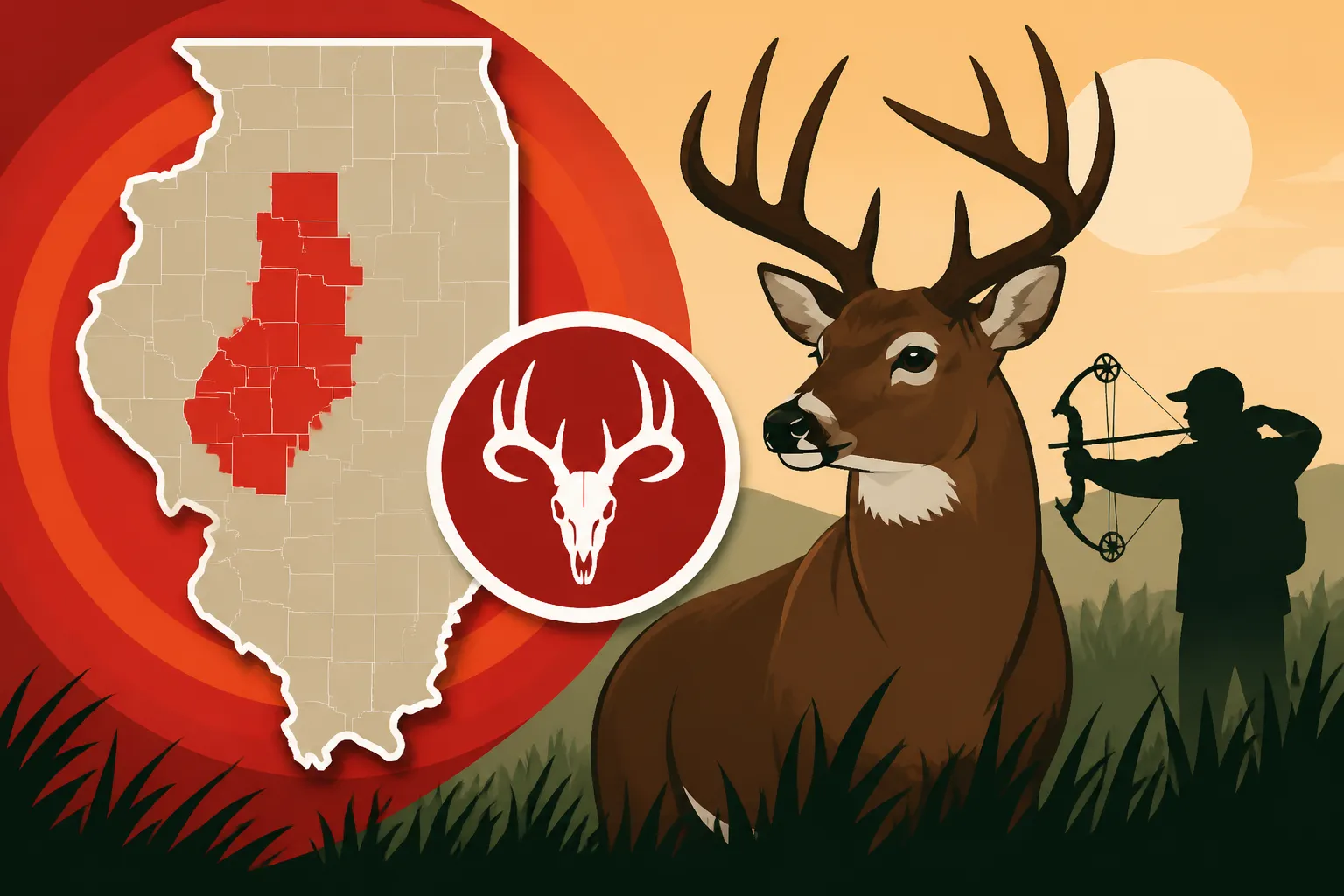
Illinois’s Chronic Wasting Disease Zone
The persistent shadow of Chronic Wasting Disease (CWD) looms large over Illinois deer hunting, casting a worrying question mark on the health of our herds and the future of our cherished traditions. It’s a silent, insidious threat that many hunters feel helpless against, constantly wondering how it might impact their favorite hunting spots or the deer they pursue. This comprehensive guide will meticulously break down everything you need to know about CWD in Illinois, from its origins and spread to current regulations, testing procedures, and what you can do as a responsible hunter to navigate this complex challenge.
Understanding Chronic Wasting Disease
Chronic Wasting Disease is one of those terms that can immediately bring a knot to a hunter's stomach. It's a disease that doesn't just impact a single animal; it threatens entire deer populations and, by extension, our hunting heritage. Understanding the basics of what CWD is, how it affects deer, and how it spreads is the crucial first step in confronting this reality head-on.
What CWD Actually Is
At its core, CWD is a neurological disease, part of a family of illnesses known as transmissible spongiform encephalopathies (TSEs), which also include mad cow disease in cattle and scrapie in sheep. Unlike bacterial or viral infections, CWD is caused by abnormal proteins called prions. These rogue proteins aren't alive in the traditional sense, meaning they can't be "killed" by antibiotics or traditional disinfectants. They're incredibly resilient and can persist in the environment for years, making them a formidable foe. When a deer ingests these prions, they gradually convert normal proteins in the animal's brain and nervous system into more abnormal prions, leading to progressive and fatal damage.
Think of it like a zombie apocalypse for deer, but instead of bites, it's a microscopic protein turning a healthy brain into a sponge-like mess. This unique and terrifying mechanism of action is why CWD is so difficult to manage and eradicate. There's no vaccine, no cure, and its environmental persistence means that once it's in an area, it's likely there to stay for a very long time, if not permanently. This grim reality is what makes the fight against CWD such a critical, ongoing effort for hunters and wildlife agencies alike.
How CWD Affects Deer
The symptoms of CWD are heartbreaking to witness, often earning it the moniker "zombie deer disease." Affected deer slowly waste away, losing weight, exhibiting abnormal behavior, and eventually succumbing to the disease. Early symptoms can be subtle and easily missed, often mirroring other illnesses or nutritional deficiencies, which makes early detection in the wild incredibly challenging. As the disease progresses, signs become more pronounced: staggering, excessive drooling, lethargy, a drooping head, and an insatiable thirst coupled with frequent urination.
These visible symptoms are the outward manifestation of the devastating damage occurring internally. The prions attack the brain and central nervous system, literally riddling them with microscopic holes, giving the tissue a spongy appearance under a microscope. This neurological breakdown leads to the loss of bodily functions and coordination. Ultimately, the deer loses its ability to feed itself, avoid predators, or even regulate its body temperature, leading to death, usually within a few months to a year after symptoms become apparent. This slow, agonizing decline is why CWD is so feared and why responsible hunters play a vital role in monitoring their local herds for any signs of illness.
Transmission and Incubation Period
The tricky thing about CWD is its transmission. Deer can spread the prions to each other through direct contact, like nose-to-nose interactions, or indirectly through contaminated environments. Prions are shed in saliva, urine, and feces, meaning that once an infected deer visits a food plot, a mineral lick, or even just walks through an area, it can leave behind infectious material. These prions can then persist in the soil for years, contaminating plants or water sources, creating a long-term risk even after the infected animal is gone. This environmental persistence is a major hurdle in containing the disease.
The incubation period, the time between exposure to the prion and the onset of visible symptoms, is also a significant challenge. It can range from 18 months to several years, during which time the infected deer appears perfectly healthy but is already shedding infectious prions into the environment. This means that a healthy-looking deer could be spreading the disease without anyone knowing, making surveillance and management incredibly difficult. Hunters who utilize resources like the GoHunt app for scouting might find themselves noticing areas with unusual deer behavior, and it's important to report anything out of the ordinary to local wildlife officials, as every piece of information helps track the disease's movement.
The History and Spread of CWD in Illinois
Illinois has been on the front lines of the CWD battle for over two decades. What started as an isolated discovery has become an ongoing challenge for wildlife managers, hunters, and landowners across an ever-expanding zone. Understanding this timeline and the patterns of spread helps put the current management efforts into perspective.
When CWD First Appeared in Illinois
Illinois's unfortunate introduction to CWD came in 2002. It was first detected in a free-ranging white-tailed deer herd in northern Illinois, specifically in Boone County. This discovery sent shockwaves through the hunting community and the Illinois Department of Natural Resources (IDNR). Prior to this, CWD had been identified in other western states, but its appearance in the heartland, particularly in a state with such a rich deer hunting tradition, raised immediate concerns. The initial discovery prompted an intensive surveillance effort, expanding testing to deer harvested by hunters and road-kills, to get a clearer picture of the disease's distribution.
The initial response was swift, involving increased sampling and an educational campaign to inform hunters about the new threat. At that point, the primary goal was to contain the disease to prevent further spread. This early phase was characterized by a steep learning curve for everyone involved, from state biologists to local hunters, as they grappled with a disease that had no easy answers or quick fixes. The very first positive test marked the beginning of Illinois's Twenty-Three Year Fight Against CWD, a battle that continues to this day.
How CWD Spread From Boone County
Following its initial detection in Boone County, CWD began to slowly but inexorably spread. The contiguous nature of deer habitat, combined with deer movement patterns, facilitated its progression. Neighboring counties in northern Illinois, like Winnebago, McHenry, and DeKalb, soon began to show positive cases. The spread wasn't always a simple, linear expansion; sometimes, isolated cases would pop up further away, likely due to deer dispersing or, in some unfortunate instances, potentially through human-assisted transport of infected animal parts. The disease's movement southward has been a particular concern for biologists.
Factors like deer density, landscape features, and even hunter behavior can influence how CWD moves through an area. For example, high deer densities can increase the likelihood of direct transmission, while natural barriers might slow its spread. The pattern of spread from Boone County highlighted the challenge of managing a disease that doesn't respect county lines or human-drawn boundaries. Each new positive county represented another front in the ongoing battle, adding complexity to the IDNR's management strategies. Hunters in new CWD zones often express frustration, feeling like the disease is an unstoppable force, and it's a valid concern given the prion's resilience and deer mobility. Understanding How CWD Spread From Boone County is key to appreciating the current scope of the problem.
Illinois's Twenty-Three Year Fight Against CWD
For over two decades, Illinois has been actively engaged in efforts to manage and contain CWD. This long fight has seen various strategies implemented, adapted, and sometimes revised based on new scientific understanding and field observations. Early efforts focused heavily on targeted culling in areas with high CWD prevalence, aiming to reduce deer densities and remove infected animals to slow the spread. This was a controversial but necessary step, designed to protect the broader deer population. Hunter cooperation during these periods was, and remains, absolutely critical.
Beyond culling, the IDNR has maintained a robust surveillance program, collecting thousands of samples annually from hunter-harvested deer, road-kills, and deer exhibiting symptoms of illness. This data helps track the disease's prevalence and geographic spread. Educational outreach to hunters, butchers, and taxidermists has also been a continuous effort, emphasizing safe handling practices and the importance of compliance with regulations. It’s a marathon, not a sprint, and the IDNR's long-term commitment is essential, even as the disease continues to pose a significant threat to our state's cherished whitetail herd. This multi-faceted approach underscores the complexity and duration of Illinois's Twenty-Three Year Fight Against CWD.
Illinois's CWD Management Strategy
Managing a disease like CWD requires a dynamic and adaptive strategy. The Illinois Department of Natural Resources (IDNR) has been at the forefront of this effort, utilizing scientific research, hunter participation, and public education to combat the spread of prions across the state. Their approach isn't static; it evolves as new information becomes available and as the disease itself changes.
IDNR's Approach to Containment
The IDNR's primary goal in its CWD management strategy is containment: to limit the geographic spread of the disease and minimize its prevalence within infected areas. This involves a multi-pronged approach rooted in surveillance and population management. Surveillance efforts include intensive sampling of hunter-harvested deer, particularly in and around known CWD zones, to monitor where the disease is present and at what levels. Road-killed deer are also tested, as they can often indicate the presence of CWD in an area before hunter samples confirm it.
Population management strategies, such as the issuance of additional antlerless permits in CWD-positive counties, aim to reduce overall deer density. The rationale is that lower densities can decrease the frequency of deer-to-deer contact, thereby slowing the rate of transmission. The IDNR encourages hunters to harvest deer, especially does, in CWD zones, recognizing that ethical hunting is a vital tool in disease management. They rely heavily on hunter compliance and participation for the success of these programs, understanding that local knowledge and hunter effort are invaluable assets in the fight against CWD. Hunters using mapping tools, such as those found on the GoHunt platform, can often pinpoint areas of high deer activity, which are precisely the areas where increased surveillance and harvest efforts are most critical.
Why IDNR Suspended Targeted Culling
For many years, targeted culling, which involved sharpshooters removing deer in specific areas to reduce infected populations, was a key component of Illinois's CWD management. However, in recent years, the IDNR made the significant decision to suspend these targeted culling efforts. This decision was not made lightly but was based on a comprehensive review of the program's effectiveness and an understanding of the disease's widespread establishment. While culling initially proved useful in slowing the spread in localized areas, its long-term impact on a widely established and environmentally persistent disease became a point of reevaluation.
The shift in strategy recognizes that CWD is now endemic in many northern Illinois counties, meaning it's established within the wild deer population. Eradication is no longer a realistic goal. Instead, the focus has moved toward long-term management and adaptation. The IDNR now places greater emphasis on hunter harvest as the primary tool for population control, along with continued surveillance and education. This change allows resources to be reallocated to other critical aspects of CWD management, such as research into disease resistance and improved testing methods. It’s a difficult truth for many hunters, but it reflects a pragmatic shift in how the state addresses an entrenched wildlife disease, understanding Why IDNR Suspended Targeted Culling as part of an evolving strategy.
Monitoring and Research Efforts
Continuous monitoring and research are the backbone of Illinois's long-term CWD strategy. The IDNR maintains an extensive network of CWD sampling locations throughout the state, working with cooperating taxidermists and meat processors to collect samples from harvested deer. This surveillance data is crucial for understanding the disease's current distribution, prevalence rates, and any new areas of concern. Biologists analyze these samples to track trends in Illinois CWD Prevalence in the Northern Zone and predict potential future spread. This scientific understanding is what guides all management decisions, from permit allocations to public outreach.
Beyond just tracking the disease, the IDNR also collaborates with universities and other agencies on research initiatives. This research spans a wide range of topics, including studies on CWD prion persistence in the environment, genetic resistance in deer populations, and improved diagnostic tools. Understanding these complex biological mechanisms is vital for developing more effective, long-term solutions. For example, if certain deer exhibit natural resistance, it could inform future population management strategies. The ongoing commitment to scientific investigation highlights the IDNR's dedication to mitigating CWD's impact, even as the challenges remain significant.
CWD Testing and Hunter Responsibilities
As hunters, we are critical partners in the battle against CWD. Our actions, from responsible harvesting to understanding testing protocols, directly impact the health of Illinois's deer herd. The IDNR relies heavily on hunter participation to gather the data needed to monitor and manage this persistent disease.
Mandatory Testing Inside an Illinois CWD County
If you hunt in certain counties within Illinois, particularly those in the northern part of the state where CWD is most prevalent, you might encounter mandatory testing requirements for your harvested deer. The specific counties designated as CWD Management Zones can change, so it’s always crucial to check the most current IDNR regulations before heading afield. In these zones, hunters are required to submit their deer for CWD testing at designated check stations or cooperating locations, typically meat processors or taxidermists, within a certain timeframe after harvest. This requirement ensures that the state collects sufficient data to track the disease's spread and prevalence, allowing for informed management decisions.
Ignoring mandatory testing not only hampers disease management efforts but can also result in penalties. It's not just about obeying the law; it's about being a responsible steward of the wildlife resource. Think of it as your civic duty as a hunter to contribute to the health of the herd you pursue. Before planning your hunt, especially if you're targeting a new area, always consult the IDNR website or their hunting guide to confirm if your hunting county falls within a CWD Management Zone. This diligence helps maintain accurate data for Mandatory Testing Inside an Illinois CWD County and ensures a healthier future for Illinois deer.
Finding an Illinois CWD Sampling Location
Once you've harvested a deer in a CWD-mandated testing area, your next step is to locate a sampling station. The IDNR makes this process as convenient as possible by partnering with numerous businesses throughout the CWD Management Zones. These often include local meat processors, taxidermy shops, and occasionally specific IDNR offices or public land check stations. The IDNR website provides an up-to-date, interactive map or list of these locations, complete with operating hours and contact information. It's a good idea to identify your nearest sampling station before you head out hunting, so you're not scrambling after a successful harvest, especially if it's late in the day or during a busy season.
When you bring your deer (or the head, as specified by IDNR guidelines) to a sampling location, trained personnel will collect tissue samples, typically from the lymph nodes or brainstem. They will provide you with a unique identification number that you can use to check the test results online later. This process is usually quick and efficient, designed to minimize inconvenience for hunters. Utilizing online mapping tools like the ones available on GoHunt can even help you pinpoint the closest sampling station relative to your hunting spot, streamlining your post-harvest logistics. Knowing Finding an Illinois CWD Sampling Location in advance makes the whole experience smoother.
Voluntary Testing Outside CWD Zones
While mandatory testing is confined to specific CWD Management Zones, voluntary testing is highly encouraged for hunters throughout the rest of the state. Even if your hunting grounds aren't currently considered a CWD hot zone, contributing a sample helps the IDNR monitor for any potential new outbreaks or subtle shifts in the disease's distribution. The more samples collected statewide, the better the overall picture biologists have of CWD's presence and behavior. It's a proactive step that every hunter can take to support wildlife health.
Voluntary testing locations and procedures are similar to mandatory ones; you'll typically find cooperating taxidermists and meat processors who can collect samples. Again, check the IDNR website for locations and instructions specific to voluntary submissions. Often, there is no direct cost to the hunter for CWD testing, as it's funded by the state to protect the resource. Participating in voluntary testing is a simple yet powerful way to demonstrate your commitment to conservation and ensure that future generations can enjoy healthy deer populations. It's about being vigilant and responsible, contributing to the broader data set that allows the IDNR to make informed decisions about Illinois CWD Testing for Hunters across the state.
Carcass Movement Regulations and Processing
One of the most critical aspects of CWD management, and often the most confusing for hunters, revolves around carcass movement regulations. Because the prions can be present in various tissues, especially nervous system tissue, restricting the movement of deer carcasses is essential to prevent inadvertently spreading the disease to new areas.
Moving a Deer Carcass Out of a CWD County
If you harvest a deer within an Illinois CWD Management Zone, there are strict rules about what parts of the carcass you can transport out of that county. This is perhaps the single most important regulation for hunters to understand to avoid accidentally contributing to the spread of CWD. Generally, whole carcasses are prohibited from being moved out of CWD counties. This rule is in place because the brain, spinal cord, eyes, and lymphatic tissues are known to contain the highest concentrations of prions. Transporting these parts poses a significant risk.
Instead, hunters are typically allowed to transport boned-out meat, capes (without the skull), antlers (without brain tissue attached), and clean skulls or skull plates (cleaned of all brain and nervous tissue). Essentially, anything that doesn't contain nervous system tissue is usually permissible. It's absolutely imperative to field dress your deer meticulously and process it down to the allowed components before leaving a CWD county. Many hunters will debone their deer right at the kill site or at a temporary processing station within the CWD zone. Always double-check the most current IDNR guidelines for specific regulations on Moving a Deer Carcass Out of a CWD County, as these rules can occasionally be updated.
Best Practices for Processing CWD-Positive Deer
While the vast majority of hunter-harvested deer will test negative for CWD, it’s crucial to know what to do if you receive a positive test result. First and foremost, do not panic. The U.S. Centers for Disease Control and Prevention (CDC) strongly recommends against consuming meat from CWD-positive animals. While there have been no confirmed cases of CWD transmission to humans, the scientific community advises extreme caution due to the theoretical risk of cross-species transmission of prions. Your venison should be discarded in a manner that prevents further environmental contamination. This typically means double-bagging the meat and disposing of it in a landfill, ensuring it's not accessible to scavengers or other wildlife.
For processing equipment, knives, saws, and cutting boards used on a CWD-positive deer should be thoroughly cleaned. Prions are resistant to conventional disinfectants, so the best approach for non-disposable items is a 50/50 bleach solution, followed by a thorough rinse. Disposable items should be bagged and discarded with the carcass. For taxidermy, discuss the positive test with your taxidermist immediately. They are typically well-versed in handling CWD-positive trophies and will take extra precautions to ensure proper handling and disposal of prion-containing tissues like brain and spinal cord, minimizing any risk to their facility or other animals.
Handling Venison From an Illinois CWD County
Even if your deer tests negative from a CWD county, or if you're hunting in a county where testing isn't mandatory, responsible handling of venison is always paramount. When processing your deer, whether at home or through a commercial processor, minimize contact with and avoid consuming brain, spinal cord, eyes, spleen, and lymph nodes. These are the tissues where CWD prions concentrate. Gloves should always be worn during processing, and hands and equipment should be thoroughly washed with soap and water afterward. If you are doing your own processing, ensure all scraps and bones that are not being kept are disposed of in a manner that prevents access by wildlife.
Many hunters choose to have their deer processed professionally when hunting in CWD areas, as commercial processors are often knowledgeable about best practices and regulations. If you're Butchering a Deer at Camp or at home, take extra care to remove all nervous system tissue. This meticulous approach ensures that even in the unlikely event of an undetected CWD infection, the risk of human exposure or environmental contamination is minimized. These precautions are essential for every hunter who enjoys the bounty of wild game, emphasizing safety and responsibility when Handling Venison From an Illinois CWD County.
| Carcass Component | Allowed Movement (Out of CWD Zone) | Disposal (If CWD-Positive) |
|---|---|---|
| Boned-out Meat | Yes | Landfill (double-bagged) |
| Antlers | Yes (clean) | N/A (prion-free) |
| Cleaned Skull/Skull Plate | Yes (no brain tissue) | N/A (prion-free) |
| Hide/Cape | Yes (no skull attached) | N/A (prion-free) |
| Brain | No | Landfill (double-bagged) |
| Spinal Cord | No | Landfill (double-bagged) |
| Eyes | No | Landfill (double-bagged) |
| Lymph Nodes | No | Landfill (double-bagged) |
| Spleen | No | Landfill (double-bagged) |
Hunting Safely in a CWD Zone
Hunting in a CWD zone doesn't have to be a source of constant anxiety, but it does require an elevated level of awareness and adherence to best practices. Hunters are the first line of defense in observing herd health and preventing further spread. Knowing what to look for and how to conduct yourself responsibly is key to enjoying your hunt while protecting the resource.
Personal Precautions for Hunters
While there's no evidence of CWD transmitting to humans, taking personal precautions is a sensible approach. When field dressing a deer, always wear disposable gloves, especially if you're Field Dressing a Deer in Cold Weather and might be less dexterous. Avoid direct contact with brain and spinal cord tissue. After field dressing, thoroughly wash your hands and tools with soap and water, even if you were wearing gloves. Consider carrying a small bottle of hand sanitizer in your pack for immediate post-field dressing hygiene.
Another important precaution is to educate yourself on the symptoms of CWD. While you can't diagnose it in the field, recognizing a deer exhibiting signs of illness means you should avoid harvesting it. If you encounter a deer that appears sick or is acting abnormally, it's best to observe from a distance and then report its location and behavior to the IDNR. Taking these simple steps not only protects your personal safety but also contributes to the overall health monitoring of the deer population. It's about being informed and acting responsibly.
Recognizing CWD Symptoms in Live Deer
Spotting a CWD-infected deer in the wild can be challenging, especially in the early stages. Often, by the time symptoms are obvious, the disease is far advanced. However, knowing what to look for can help you make ethical decisions in the field. Classic signs of CWD include severe weight loss (the "wasting" part), noticeable emaciation despite feeding, excessive salivation (drooling), and a dull, listless demeanor. Affected deer may also exhibit an abnormal stance, a drooping head, uncoordinated movements (stumbling or staggering), and a vacant stare. They might be less wary of humans than a healthy deer.
It's important to differentiate these symptoms from other common deer ailments or injuries. For instance, a deer limping might have an injury, not CWD. However, if you see a combination of these neurological and wasting symptoms, it's a strong indicator of a potential CWD case. If you observe a deer with these signs, do not harvest it. Instead, document its location (GPS coordinates, if possible) and a detailed description of its behavior, and then report it immediately to the IDNR. This information is vital for the state's surveillance efforts and helps track the disease's spread.
Gear and Cleaning Considerations
When hunting in a CWD zone, thinking about your gear and how you clean it becomes part of the routine. While prions are not easily transmitted through casual contact with external surfaces like your rifle stock or backpack, it's still good practice to maintain a higher level of cleanliness, especially for items that might come into contact with deer fluids. For instance, if you use a dragging harness or a deer cart to move a harvested animal, ensure these items are thoroughly cleaned after each use. A strong detergent and water are usually sufficient for external cleaning.
For items that directly touch internal tissues, like your field dressing knife, ensure it's meticulously cleaned with soap and water or a bleach solution if you suspect exposure to potentially infected tissues. Consider carrying a dedicated CWD field dressing kit with disposable gloves, sturdy trash bags for waste, and perhaps even a small bleach-water spray bottle for immediate tool disinfection. The goal isn't to be overly paranoid, but rather to minimize any potential for prion transfer to other areas or future hunts. This diligent approach extends to your boots and clothing, especially if you've been in close contact with a harvested animal; a good scrub down ensures you're not inadvertently carrying anything out of the woods. This mindful approach to gear and cleaning is just another layer of responsible hunting in a CWD-impacted landscape.
The Future of CWD in Illinois and Its Impact on Deer Hunting
The ongoing presence of CWD in Illinois naturally raises questions about the future of our deer herd and hunting traditions. While the challenges are real, understanding the long-term outlook and how hunters can adapt is crucial for continuing to pursue whitetails in the Prairie State.
CWD Prevalence Rate Trends
The IDNR consistently monitors CWD prevalence rates across its management zones. These rates, often expressed as a percentage of tested deer that come back positive, provide a vital snapshot of the disease's intensity and trajectory. In the earliest affected northern Illinois counties, prevalence rates have stabilized, and in some localized areas, even slightly declined following intensive management efforts. However, the disease has continued its slow creep southward, establishing new clusters in counties previously thought to be clear. The challenge lies in preventing these new "jump starts" from becoming widely established.
The prevalence rates are complex; they can fluctuate due to factors like harvest pressure, environmental conditions, and deer population dynamics. What's clear is that CWD is not going away anytime soon. The IDNR's reports on Illinois CWD Prevalence in the Northern Zone offer valuable insights into these trends, helping hunters understand which areas require the most vigilance. This ongoing data collection is essential for making informed decisions about future hunting regulations and conservation efforts. Hunters can stay informed by regularly checking IDNR updates and participating in voluntary testing, helping to paint a clearer picture of these critical trends.
Long-Term Outlook for Deer Populations
The long-term outlook for Illinois's deer populations in the face of CWD is a topic of intense study and some concern. While CWD is a fatal disease, its impact on overall deer numbers can vary greatly depending on prevalence rates and other ecological factors. In areas with very high prevalence, CWD can lead to localized population declines, particularly affecting older age classes of bucks. However, in many areas, deer populations appear to be holding relatively steady, even with CWD present. The disease typically acts as a chronic stressor, slowly thinning a herd rather than causing an immediate, catastrophic die-off like Epizootic Hemorrhagic Disease (EHD).
The IDNR aims for a sustainable, healthy deer herd, and CWD complicates this goal. Strategies like increased antlerless harvest in CWD zones are designed to help manage population density and reduce transmission without decimating the herd. The resilience of white-tailed deer is remarkable, and with continued adaptive management, hunter cooperation, and ongoing research, it's hoped that Illinois deer can continue to thrive, even with CWD as an endemic challenge. This future depends heavily on every hunter understanding their role and supporting conservation efforts, keeping an eye on Illinois Deer Herd Size and the annual harvest reports.
Adapting Hunting Strategies to CWD
Hunting in a CWD-impacted landscape means adapting our strategies and mindset. First, prioritize awareness: always check the latest CWD regulations for your hunting area, including mandatory testing and carcass movement rules. When Scouting Illinois Public Land Before Season, pay close attention to signs of sick deer. Avoid congregating deer at artificial feed sites, as these can increase direct transmission. While baiting is legal in some parts of Illinois, it's generally discouraged in CWD zones due to the increased risk of nose-to-nose contact.
Hunters might consider adjusting their harvest goals, focusing more on antlerless deer in CWD zones to help control population densities. This helps reduce the number of potential carriers in the environment. Utilizing mapping and scouting tools like GoHunt can help you monitor deer movement and identify less-pressured areas where deer may be healthier. Ultimately, adapting to CWD means becoming an even more informed and responsible hunter, prioritizing herd health over individual trophy pursuit, and embracing the role of citizen scientist by reporting sick deer and participating in testing. Our collective efforts are the best hope for preserving Illinois's deer hunting traditions for generations to come.
Disclaimer
The information provided in this guide is for general informational purposes only and does not constitute legal advice. Hunting regulations, CWD zones, and testing protocols are subject to change. Always consult the most current official regulations and advisories from the Illinois Department of Natural Resources (IDNR) before engaging in any hunting activities. Hunters are responsible for understanding and complying with all applicable laws and regulations.