How Many Deer Have Tested CWD-Positive Since 2002
The unsettling reality of Chronic Wasting Disease (CWD) casts a long shadow over hunting seasons in Illinois, leaving many of us wondering about the true scope of its impact. It's a natural concern to want to understand how prevalent this disease truly is. This guide will walk you through the history of CWD in our state, reveal the cumulative number of confirmed positive deer since its initial detection, and discuss what these numbers mean for every hunter committed to the health of our deer herd.
The Initial Discovery and Early Years of CWD in Illinois
It's hard to believe it's been over two decades since CWD first showed its face in Illinois. For many of us, the news in 2002 was a shock, a worrying development that changed how we thought about deer hunting forever. Before then, CWD felt like a distant problem, something confined to western states. Suddenly, it was right here in our backyard.
Ground Zero: Boone County and Beyond
The first CWD-positive deer in Illinois was detected in Boone County back in 2002. This wasn't some isolated incident; it was a wake-up call that set off alarm bells across the state. Boone County became the epicenter, and from there, the disease began its slow, relentless march. Initially, efforts were focused on understanding the extent of the infection and implementing immediate strategies to contain it. Hunters in northern Illinois, especially around counties like Boone, Winnebago, and McHenry, were suddenly faced with new rules and an unsettling uncertainty about the deer they pursued. The initial shock was palpable, a mixture of concern for the herd and apprehension about the future of hunting in these historically rich areas. The IDNR had to move quickly, and hunters had to adapt, which isn't always easy when traditions run deep. If you're curious about the specifics, we have a detailed look at How CWD Spread From Boone County.
The IDNR's Response and Surveillance Efforts
From that first detection, the Illinois Department of Natural Resources (IDNR) sprang into action, establishing a robust surveillance program. This wasn't a small undertaking; it involved a massive, cooperative effort to collect thousands of deer samples from across the state. Mandatory testing began in what were designated as CWD counties, requiring hunters to submit deer heads for sampling. Outside these areas, voluntary testing programs were established, encouraging hunters to participate and help paint a clearer picture of the disease's distribution. This proactive approach has been critical in mapping the spread, but it hasn't been without its challenges. Getting widespread hunter participation, especially for those who felt CWD was "not in their area," was a constant effort. Despite the difficulties, the IDNR's dedication to monitoring and research has been unwavering, forming the backbone of Illinois's Twenty-Three Year Fight Against CWD. They've continued to refine their methods, adapting as new information emerges, all with the goal of managing this persistent threat.
Tracking the Numbers: A Growing Challenge
Understanding the cumulative number of CWD-positive deer in Illinois isn't just an academic exercise; it's a critical measure of the disease's progression and the effectiveness of management strategies. Every positive test adds to this grim tally, reflecting the ongoing presence of CWD in our state's whitetail population.
The Cumulative Count of CWD-Positive Deer
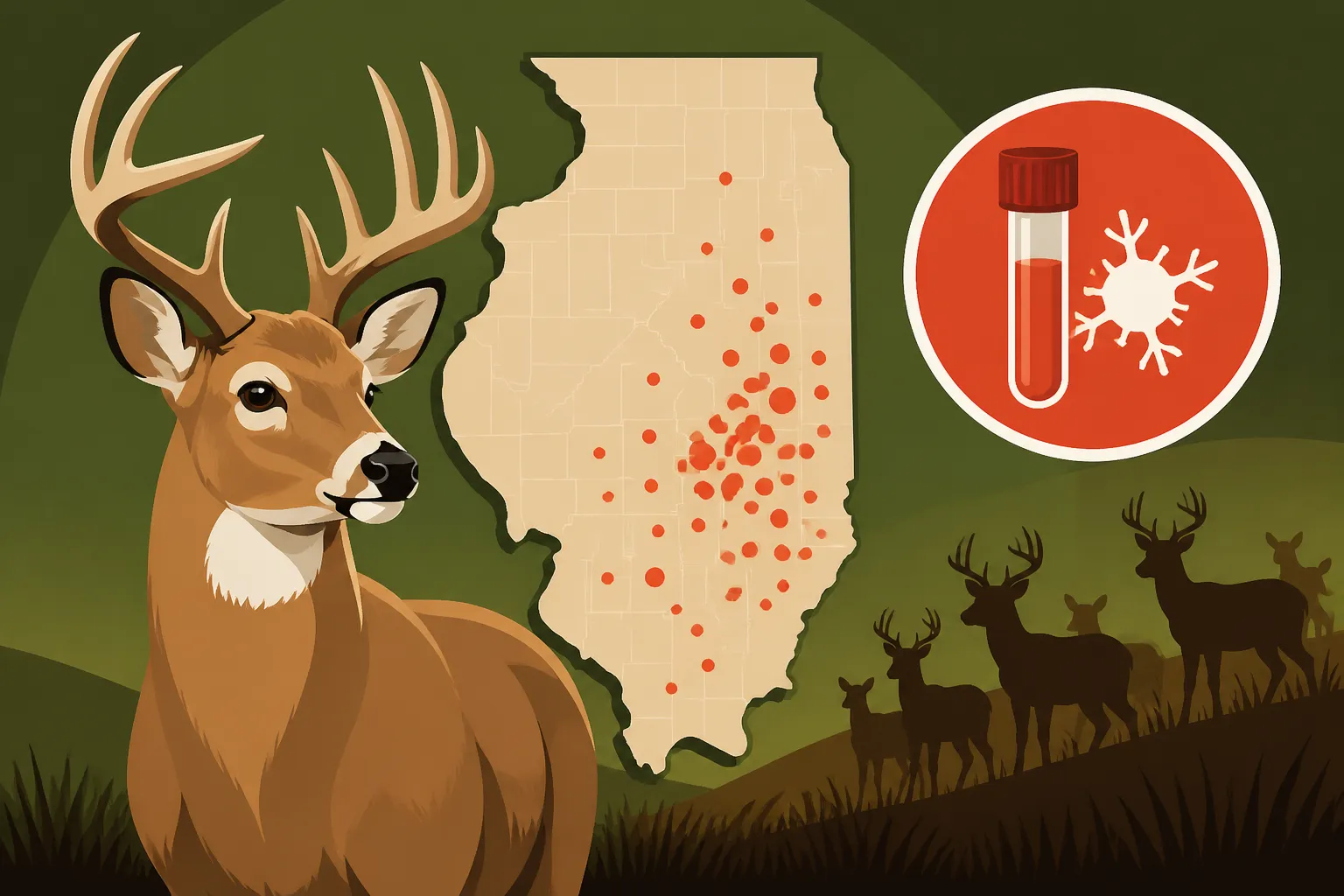
Since Chronic Wasting Disease was first detected in Illinois in 2002, more than 2,000 CWD-positive deer have been identified through testing efforts across the state. This cumulative number isn't static; it grows with each hunting season as surveillance continues and more samples are collected and analyzed. It's a stark reminder of the persistent nature of CWD and the ongoing challenge it poses to our deer herd. The IDNR collects thousands of samples annually, with mandatory testing in CWD zones and voluntary submissions elsewhere. Each year, new positive cases are added to this total, illustrating the slow but steady creep of the disease. While over 2,000 is the official cumulative count provided by the IDNR, it's crucial to remember that this figure represents detected cases. The true number of infected deer in the wild, including those that haven't been harvested or sampled, is likely higher. This is why continued hunter participation in testing is so vital for accurate data collection and informed management decisions.
Understanding the Geographic Spread Over Time
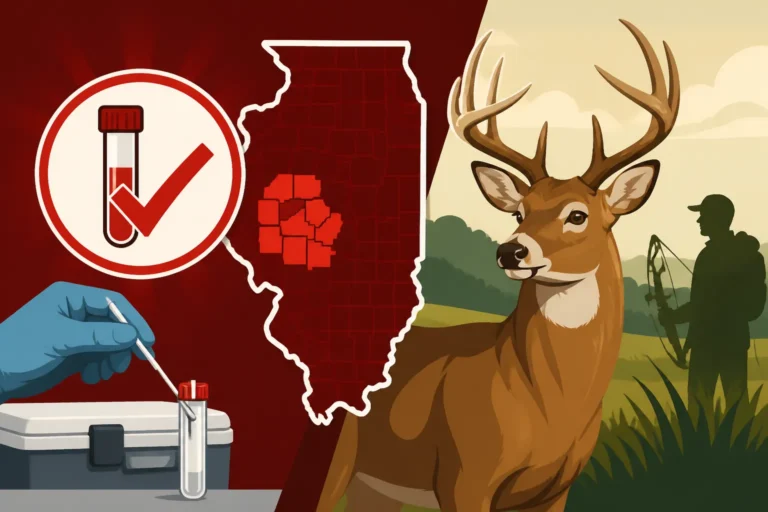
The initial detection in Boone County was just the beginning. Over the past two decades, CWD has expanded its footprint significantly, spreading from its northern Illinois origins. What started in a few northern counties like Boone, Winnebago, DeKalb, and McHenry, has gradually extended south and west. Today, the disease has been confirmed in a growing list of counties, currently totaling 28 counties in the northern and north-central parts of the state.
The spread often follows deer movement patterns, sometimes hitching rides with infected deer moving between woodlots or across larger landscapes. It can also spread through environmental contamination, as the prions (the infectious agents that cause CWD) can persist in soil for years. This persistent spread means that hunters in counties previously thought to be "safe" now need to be vigilant. This geographic expansion underscores why CWD isn't just a northern Illinois problem; it's a statewide concern that requires a broad, collaborative approach. Keeping up with the latest information on the Illinois's Chronic Wasting Disease Zone is essential for any hunter in the state.
Here's a simplified breakdown of the progression over the years, highlighting the increasing number of counties affected:
| Year of First Detection | CWD-Positive Counties (Cumulative) | Key Counties Added |
|---|---|---|
| 2002 | 1 | Boone |
| 2003-2005 | 4-5 | Winnebago, McHenry, DeKalb |
| 2006-2010 | 8-10 | Ogle, Stephenson, Jo Daviess |
| 2011-2015 | 15-18 | LaSalle, Carroll, Kane, Kendall |
| 2016-2020 | 20-25 | Grundy, Whiteside, Lee, Putnam |
| 2021-Present | 28+ | Effingham, Scott, Stark, others |
Note: This table provides a generalized timeline. The exact year of first detection for each county can vary, and counties are continually being added to the CWD surveillance zone.
Why These Numbers Matter to Illinois Hunters
The cumulative count of CWD-positive deer and the expanding geographic reach of the disease have profound implications for everyone who hunts in Illinois. These aren't just statistics; they dictate management decisions and shape our responsibilities as ethical sportsmen and women.
Impact on Deer Management Strategies
The growing numbers of CWD-positive deer directly influence how the IDNR manages our deer herd. In affected areas, you'll often see changes in hunting regulations, such as increased antlerless harvest opportunities, special permits, and specific seasons designed to reduce deer densities and slow the spread of the disease. For instance, some CWD counties might have expanded opportunities during the Illinois Chronic Wasting Disease Special Season. The IDNR's approach has evolved from early attempts at targeted culling to a greater emphasis on hunter harvest as the primary tool for population management in CWD zones. They rely heavily on hunters to help manage deer numbers and provide essential samples. This shift means that our role as hunters is more critical than ever, not just for filling our freezers, but for actively contributing to the health of the herd. Staying informed about the Illinois Deer Season Structure Explained and any special provisions for CWD areas is a must.
Personal Responsibility and Carcass Movement
As hunters, we have a vital role to play in slowing the spread of CWD. If you harvest a deer in one of the Illinois's Twenty-Eight CWD Counties, mandatory testing is a requirement. This means submitting the head for sampling. Even if you're hunting outside a mandatory testing zone, participating in voluntary testing helps the IDNR gather crucial data. Knowing Finding an Illinois CWD Sampling Location ahead of time is incredibly helpful, especially if you use resources like the Illinois DNR app or hunting platforms like GoHunt which often integrate this information into their mapping tools.
Perhaps one of the most significant responsibilities falls on how we handle and transport deer carcasses. There are strict Illinois Carcass Movement Restrictions in place for deer harvested in CWD counties. Generally, only deboned meat, antlers, hides, and cleaned skull plates can leave a CWD management area. Transporting an entire carcass from a CWD-positive county into a CWD-negative county could inadvertently spread the disease. This is a critical point that every hunter needs to internalize. It's not just about compliance; it's about protecting our shared resource. Your personal choices after a successful hunt directly impact the health of the statewide herd. Being diligent and cautious helps ensure that CWD doesn't get a free ride into new territories.
Future Outlook and Continued Monitoring
The fight against CWD is a long-term commitment, not a short-term fix. The IDNR, along with hunters and researchers, is in this for the long haul. Understanding the future outlook and our continued role is key to effective management.
Ongoing Research and Management Adjustments
The scientific community is constantly learning more about CWD – how it spreads, how it affects deer, and potential ways to mitigate its impact. While a "cure" or a widespread vaccine for wild deer seems a distant prospect, ongoing research is exploring everything from prion detection methods to herd resistance. The IDNR's management strategies are not set in stone; they are adaptive. As new research emerges and as the disease's prevalence and spread change, so too will the management approaches. This means we might see further adjustments to seasons, regulations, or testing protocols in the years to come. Hunters often express frustration with changing rules, but these changes are usually based on the best available science and the ongoing Illinois Wildlife Disease Monitoring. It's a dynamic situation, and flexibility is essential.
The Hunter's Role in a CWD-Present Landscape
In a landscape where CWD is a persistent reality, the hunter's role has expanded beyond just harvesting game. We are now essential partners in disease management and wildlife conservation. Continued participation in CWD testing, whether mandatory or voluntary, is paramount. Every sample submitted provides valuable data that helps the IDNR track the disease and make informed decisions. Beyond testing, it's about adhering to all regulations, particularly those concerning carcass movement. Understanding and respecting these rules is a direct contribution to minimizing further spread. If you ever observe a deer exhibiting signs of illness, such as extreme emaciation, abnormal behavior, or neurological issues, it's crucial to know how to go about Reporting a Sick Animal in Illinois to the IDNR. These observations from the field can be vital early warning signs. Our collective responsibility, informed by the data on CWD-positive deer, is the best defense we have against this challenging disease.
Disclaimer
The information provided in this article is for general guidance and informational purposes only. Hunting regulations, season dates, and CWD management protocols in Illinois can change. Always consult the latest official Illinois Department of Natural Resources (IDNR) publications and regulations before participating in any hunting activity.