Illinois CWD Prevalence in the Northern Zone
It's frustrating to think about, but Chronic Wasting Disease (CWD) continues to be a significant concern for deer hunters in Illinois, especially in the northern counties. This guide dives deep into what CWD is, how it's affecting our deer herds in the northern zone, and what hunters like us need to know and do to help manage this challenging disease.
Understanding CWD and its Spread in Illinois's Northern Zone
CWD is one of those topics that no hunter likes to dwell on, but it's a harsh reality we've faced in Illinois for over two decades now. It's a disease that doesn't just impact a few deer; it has long-term implications for herd health, hunting opportunities, and even the future of deer management in our state. Understanding its nature and how it's taken root in our northern counties is the first step towards dealing with it effectively.
What is Chronic Wasting Disease?
Let's talk about CWD. It's a neurological disease that affects cervids – that's deer, elk, moose, and reindeer – and it's always fatal. It's caused by abnormal proteins called prions, which accumulate in the brain and other tissues, essentially slowly destroying the animal's nervous system. Think of it like mad cow disease, but for deer. You won't see a deer drop dead immediately after contracting it. Instead, it’s a slow, agonizing decline. Infected animals can appear healthy for a long time, often for a year or two, before they start showing symptoms. These symptoms include drastic weight loss (hence "wasting"), stumbling, poor coordination, excessive drooling, lethargy, and a general lack of fear of humans. It's truly heartbreaking to witness. The prions are incredibly resilient and can persist in the environment for years, making CWD a particularly tricky disease to manage once it's established in an area. There's no vaccine, no treatment, and no cure for CWD. It's a silent threat that requires constant vigilance from wildlife managers and hunters alike.
The Initial Outbreak and Containment Efforts
Illinois's struggle with CWD began in 2002 when it was first detected in a deer harvested in Boone County. This was a grim discovery, as it confirmed that CWD had indeed jumped into our state. The disease wasn't just in Boone; it was quickly identified in other adjacent northern Illinois counties like Winnebago, McHenry, and DeKalb. This initial spread raised immediate alarms for the Illinois Department of Natural Resources (IDNR), leading to aggressive monitoring and management strategies. The initial approach involved intensive surveillance, including mandatory testing of harvested deer in affected counties, and targeted culling programs to reduce deer density and, hopefully, slow the spread. For years, sharpshooters worked to remove deer in localized hotspots. The idea was to take out as many infected deer as possible to prevent further transmission. While these early efforts, which you can learn more about in Why Boone County Became Ground Zero for CWD, certainly provided valuable data and slowed the initial explosion, CWD has proven to be incredibly persistent and challenging to eradicate. We’ve learned that once it’s in the soil and environment, it's virtually impossible to completely remove.
Current CWD Prevalence and Affected Counties
Navigating the landscape of CWD in Illinois can feel a bit like reading a complicated weather map – constantly changing, with hotspots flaring up. As hunters, it’s vital to stay informed about where the disease is most prevalent, particularly if you hunt in the northern part of our state. The IDNR has been transparent with data, and understanding these trends helps us make responsible hunting decisions.
Identifying the Northern CWD Hotspots
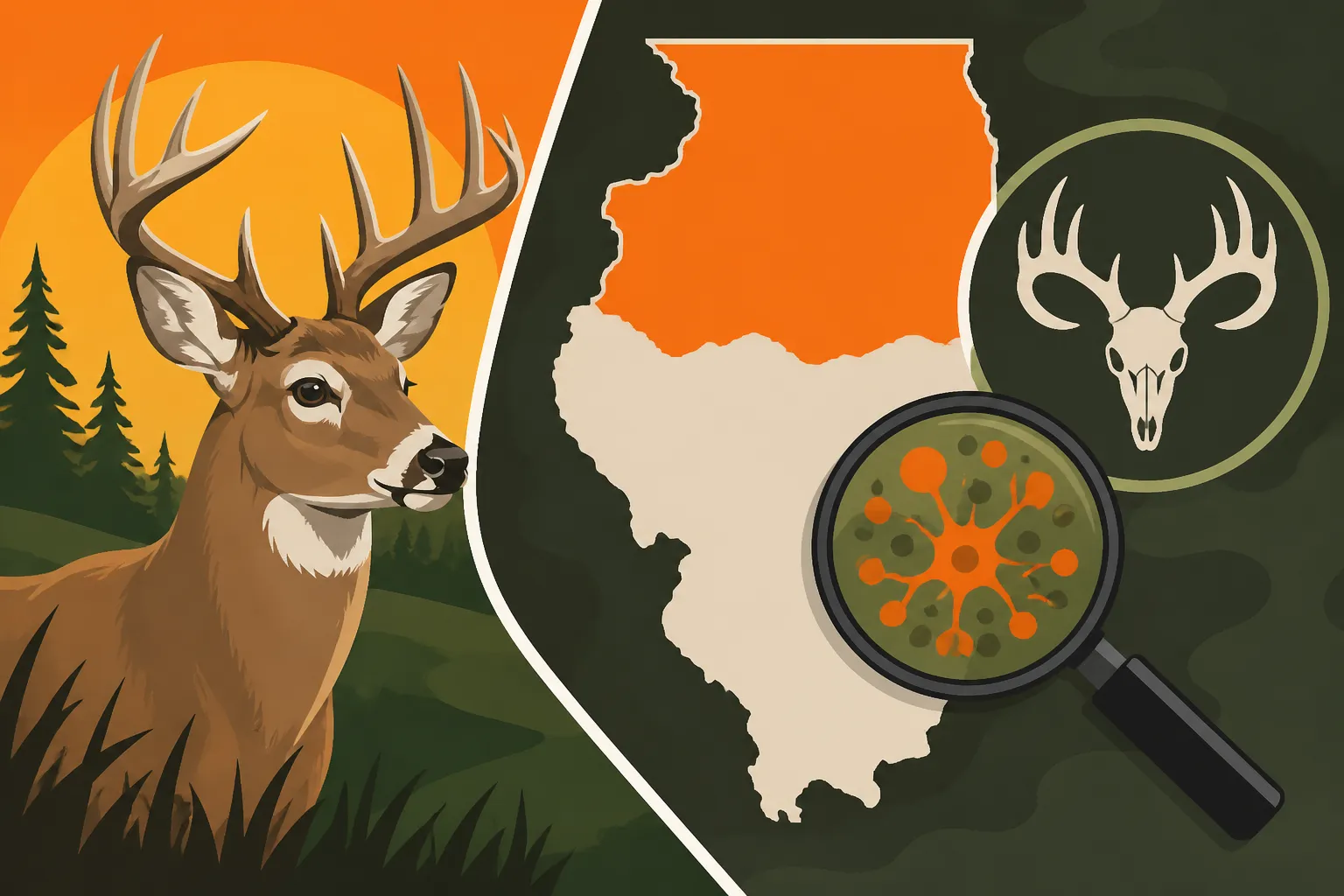
The Northern Zone of Illinois remains the primary area of CWD concern. While initially concentrated, the disease has slowly but surely expanded its footprint. Currently, the IDNR identifies 28 counties as CWD-positive, with the majority located in the northern and north-central regions. Key hotspots, where prevalence rates tend to be higher, include Boone, Winnebago, McHenry, and DeKalb counties. These counties have consistently shown elevated rates of CWD infection over the years. Other northern counties like Ogle, Kane, and Lake have also seen CWD detections, indicating a slow creep across the landscape. The prevalence isn't uniform; you might find a higher concentration of positive deer in one township compared to another just a few miles away, often tied to habitat, deer density, and historical spread patterns. Hunters using resources like the GoHunt app or IDNR's interactive maps can often get real-time data on sampling locations and general disease hotspots, helping them understand the specific risks in their hunting grounds. For instance, if you're hunting near Rock Cut State Park in Winnebago County, you're in an area with established CWD presence.
Tracking Trends in CWD Spread
The IDNR monitors CWD prevalence rates through extensive testing of harvested deer, specifically through mandatory testing in CWD-positive counties during firearm seasons and voluntary sampling during archery season. What these numbers tell us is that while CWD isn't rapidly exploding everywhere, it is slowly expanding its geographic range, and prevalence rates in the core affected areas remain a concern. In some of the historically hit counties like Boone and Winnebago, prevalence can sometimes reach 5-10% or even higher in adult bucks, though it varies year to year. While there's no silver bullet, the data helps wildlife biologists understand the disease dynamics. Overall, the trend indicates that CWD is now an endemic part of our deer population in these northern counties. For hunters, this means adapting our practices to become part of the solution, which is something platforms like GoHunt also advocate for by promoting ethical hunting and disease awareness. You can delve into more detailed information about these trends in Illinois CWD Prevalence Rate Trends. The ongoing monitoring helps the IDNR make informed decisions about herd management and allows hunters to understand the long-term prognosis for their local deer populations.
| County (Northern Zone) | CWD Detection Status | General Prevalence Trend | Management Implications |
|---|---|---|---|
| Boone | Long-term Positive | Stable/Slight Increase | Core CWD hotspot, active surveillance. |
| Winnebago | Long-term Positive | Stable/Slight Increase | Core CWD hotspot, active surveillance. |
| McHenry | Long-term Positive | Stable | Established CWD presence, ongoing monitoring. |
| DeKalb | Long-term Positive | Stable | Established CWD presence, ongoing monitoring. |
| Ogle | Established Positive | Gradual Increase | Expanding CWD range, increased monitoring. |
| Kane | Established Positive | Localized Detections | Emerging CWD concerns, surveillance. |
| Lake | Established Positive | Localized Detections | Emerging CWD concerns, surveillance. |
| Stephenson | Established Positive | Localized Detections | Emerging CWD concerns, surveillance. |
Note: "General Prevalence Trend" is based on historical IDNR data and may fluctuate annually. Hunters should consult the latest IDNR reports for current, precise information.
Implications for Hunters in the Northern Zone
When CWD is a factor, hunting isn't just about filling your tag anymore; it’s also about being a responsible steward of the resource. For those of us who hunt in Illinois's northern zone, this means understanding and adhering to specific regulations and recommendations designed to mitigate the spread of this insidious disease. It's not always convenient, but it's absolutely crucial for the health of our deer herd.
Mandatory Testing and Carcass Restrictions
If you're hunting in any of the CWD-positive counties in Illinois's northern zone, especially during the firearm seasons, you're likely going to encounter mandatory CWD testing requirements. This isn't just a suggestion; it's a critical part of the IDNR's surveillance program. During specific seasons, typically the first and second firearm seasons, deer harvested in designated CWD counties must be brought to an official CWD sampling station. These stations are usually set up at check stations or local meat processors, and trained personnel will collect tissue samples, usually from the lymph nodes, for testing. The process is typically quick, and it provides invaluable data for tracking the disease. Beyond testing, there are strict Illinois Carcass Movement Restrictions to prevent the further spread of prions. Essentially, you cannot transport an entire deer carcass out of a CWD-positive county unless it's going directly to a meat processor or taxidermist within a CWD county. Only boned-out meat, capes (without skull plate), antlers (without brain matter), and cleaned skull plates are allowed to leave. This is a big deal and something many hunters might not be used to, but it's vital to prevent prions from being moved to new areas. You can find more details on what's required for Mandatory Testing Inside an Illinois CWD County through the IDNR's website or hunting license vendors, and GoHunt often has updated state-by-state regulations that are helpful for quick reference.
Hunting Strategies and Management Goals
CWD adds another layer of complexity to hunting strategies. In areas with high CWD prevalence, the IDNR often encourages increased harvest of deer, particularly antlerless deer, to help reduce herd density. Lower densities can theoretically reduce the frequency of deer-to-deer contact, which is one way CWD prions are transmitted. For hunters, this might mean being more inclined to fill antlerless tags, even if your primary goal was a buck. It also means being extra diligent about observation. If you see a deer exhibiting CWD symptoms, it's crucial to report it to the IDNR. While you can still enjoy pursuits like Bowhunting Illinois's Long Archery Season in these areas, every hunter becomes an important part of the state's wildlife disease monitoring program. Beyond individual actions, the long-term management goals are focused on containing the disease, minimizing its impact on the herd, and ensuring the health and sustainability of deer populations for future generations. This often involves a multi-faceted approach, integrating scientific research with practical management techniques. Understanding the local deer herd dynamics, including the Illinois Deer Population Estimate, can help hunters contribute more effectively to these management goals.
Long-Term Outlook and Ongoing Research
The presence of CWD in Illinois’s northern zone isn't a temporary problem; it's a long-term challenge that will continue to shape deer hunting and wildlife management for decades to come. As hunters, understanding the bigger picture and how research informs future strategies is essential for maintaining a resilient deer population.
What the Future Holds for Illinois Deer
The future of Illinois deer, especially in the CWD-affected northern zone, presents both challenges and opportunities. On one hand, the persistent nature of CWD prions in the environment and the slow, inevitable spread of the disease mean we likely won't see a complete eradication. It’s a reality we must learn to live with. This could lead to continued shifts in deer populations in certain areas, potentially affecting overall deer density and even trophy potential if significant numbers of mature bucks succumb to the disease. However, on the other hand, the IDNR, in conjunction with universities and research organizations, is constantly working to understand CWD better. Research into genetics for CWD resistance, new diagnostic tools, and improved management techniques offers a glimmer of hope for mitigating its long-term impact. For example, some studies are exploring whether certain deer are genetically more resistant to CWD, which could inform future herd management. It's a dynamic situation, and our continued participation as hunters in reporting observations and adhering to regulations is paramount. While some might worry about the long-term viability of hunting in these areas, continued vigilance and adaptive management aim to sustain healthy deer populations, even with CWD present.
Collaborative Efforts and Hunter Involvement
Managing CWD is not a task for the IDNR alone; it requires a strong collaborative effort involving hunters, landowners, and scientists. Hunters are literally on the front lines, providing the vast majority of samples for testing and acting as the eyes and ears in the field. Your commitment to getting your harvested deer tested, following carcass restrictions, and reporting sick animals is invaluable. The data gathered from these efforts directly influences management decisions and helps track the disease's progression. Furthermore, participating in public meetings or surveys about wildlife management can give hunters a voice in how these challenges are addressed. Companies like GoHunt, which provide mapping and regulatory information, also empower hunters to make informed decisions that support conservation efforts. It's about recognizing that we are all part of the ecosystem, and our actions directly contribute to its health. By staying informed through resources like Illinois Wildlife Disease Monitoring and actively participating in CWD mitigation efforts, we can ensure that our hunting traditions and healthy deer populations endure for generations to come.
Disclaimer
The information provided in this article is for general guidance and informational purposes only and does not constitute legal or professional advice. Hunting regulations and disease management protocols can change frequently. Always consult the official Illinois Department of Natural Resources (IDNR) website or contact them directly for the most current and accurate information before planning any hunting activities.