Illinois North Zone Turkey Opening Period
The crack of dawn on that first morning of spring turkey season in Illinois's North Zone is a feeling unlike any other. You've spent months dreaming of it, maybe even scouting, but the reality can often be a mix of heart-pounding anticipation and frustrating silence. Many hunters find the initial days a true test of patience, especially as gobblers can be a bit more unpredictable and still heavily grouped up, making them less prone to commit. This guide aims to prepare you thoroughly for the unique challenges and exhilarating opportunities that come with hunting during the Illinois North Zone's opening turkey period, ensuring you're ready when that first gobble breaks the morning stillness.
Understanding the Illinois North Zone Turkey Opening Period
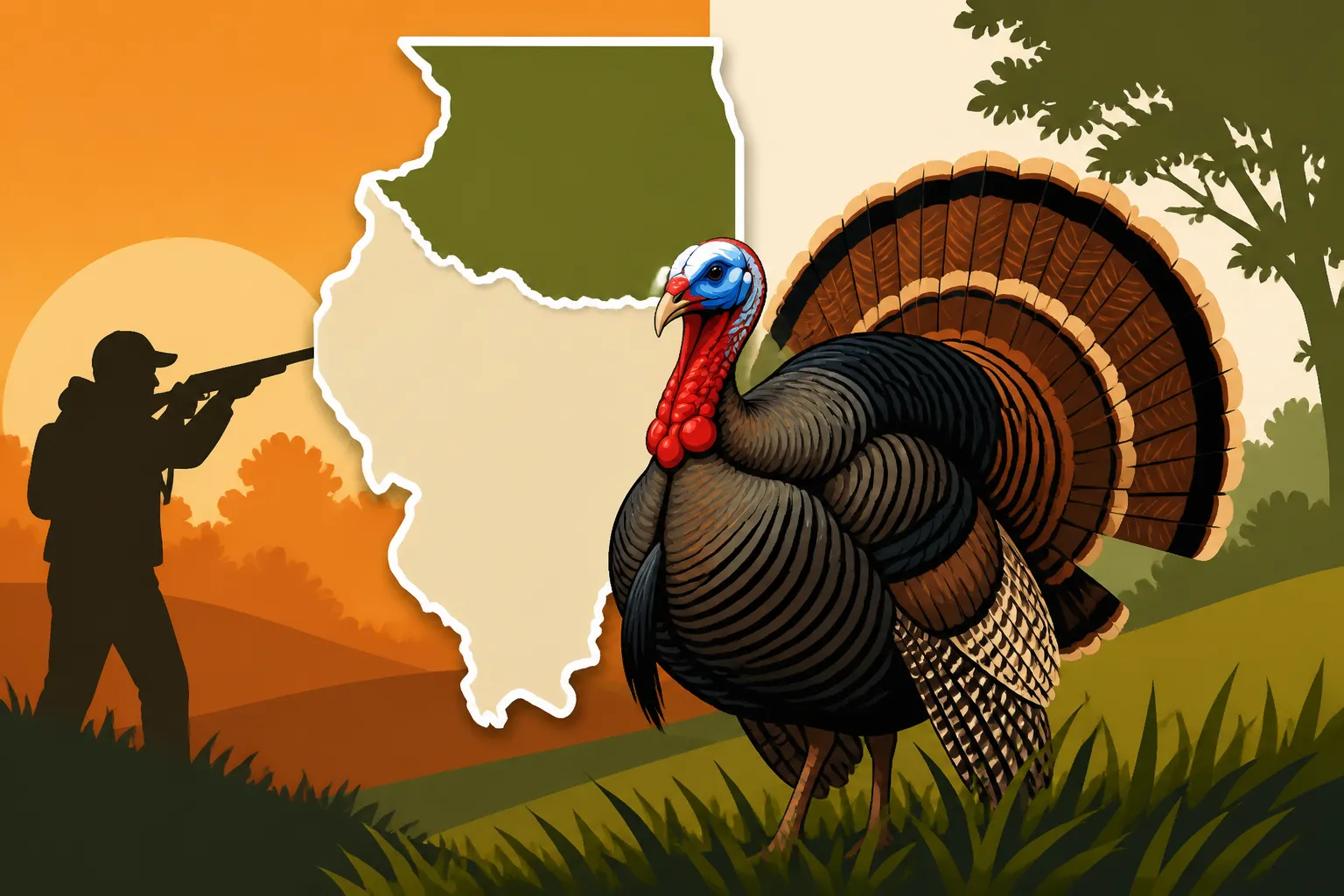
The Illinois Department of Natural Resources (IDNR) wisely segments the state into two distinct turkey hunting zones: the North Zone and the South Zone. This staggered approach accounts for the natural progression of spring and the biological timelines of wild turkeys as you move from the warmer southern tip of the state up towards the cooler northern counties. The North Zone, by design, sees its opening period begin later than the South Zone, a critical detail that shapes everything from turkey behavior to hunter strategies.
Staggered Season Structure and Its Rationale
The primary reason for Illinois's two-zone system is rooted in biology and climate. Spring arrives earlier in Southern Illinois, meaning hens begin nesting and gobblers are in full swing of their breeding rituals weeks before their northern counterparts. If the entire state opened at once, hunters in the North Zone might find themselves chasing less responsive birds, or even birds that haven't fully entered their peak breeding phase. By delaying the North Zone opener, the IDNR aims to coincide the hunting periods with when gobblers are most active and receptive to calling, typically when hens are beginning to nest and gobblers are more solitary and searching for mates.
For example, in a typical year, while the South Zone might kick off its first period in early April, the North Zone usually doesn't open until mid-April. This slight delay allows for warmer temperatures to firmly set in, promoting lush green-up, insect emergence, and crucially, increased gobbler activity. Hunters who understand this timing can better anticipate the turkeys' natural rhythms, rather than fighting against them.
Key Dates for the North Zone's First Period
The specific dates for the North Zone's first hunting period are set annually by the IDNR. It’s absolutely essential to check the current year’s hunting guide or the IDNR website, as these dates can shift slightly from year to year. Generally, the North Zone's "opening period" refers to the first of five separate, shorter hunting periods designed to distribute hunter pressure and provide multiple opportunities throughout the spring.
For instance, looking at a recent season, the North Zone's first period typically runs for about five days in mid-April. Subsequent periods follow, each lasting roughly 5-7 days, extending into mid-May. While any of these periods can be successful, the opening period often presents a unique set of challenges and rewards. You might encounter more competition, but the gobblers are often still in larger groups, sometimes making them easier to locate, even if harder to call off the roost. This early window provides the chance to capitalize on birds that haven't been pressured yet, especially if you've done your homework.
Here’s a snapshot of what a typical North Zone Spring Turkey Season might look like for permitted hunters:
| North Zone Period | Approximate Dates (Mid-April to Mid-May) | Key Characteristics for Hunters |
|---|---|---|
| Period 1 (Opening) | Mid-April (e.g., April 15-19) | Peak gobbling activity, birds often still in winter flocks, potential for higher hunter density. Early foliage. |
| Period 2 | Mid-April to Late April | Gobbling continues strong, some hens start nesting, gobblers may be more responsive. |
| Period 3 | Late April to Early May | Consistent gobbling, most hens on nests, gobblers actively seeking remaining hens. |
| Period 4 | Early to Mid-May | Gobbling starts to taper but can still be good. More foliage, harder visibility. |
| Period 5 (Closing) | Mid-May | Gobbling at its lowest, focus on calling lonely gobblers or later-nesting hens. Dense foliage. |
It's vital to remember that these are general estimates, and official dates must always be verified through the IDNR's annual hunting regulations.
Preparing for the North Zone Opener
Success in the North Zone's opening turkey period often boils down to meticulous preparation. The weather can be fickle, the woods are just waking up, and the turkeys, while vocal, can be frustratingly committed to their routines or to existing hen groups. Proper scouting, gear, and a well-thought-out calling strategy are your best allies.
Pre-Season Scouting and Roost Location
You can't just walk into the woods on opening morning and expect to seal the deal, especially on public land. Effective pre-season scouting is paramount. Start by studying aerial maps – services like GoHunt can be incredibly helpful for identifying potential roosting areas, prominent ridges, creek bottoms, and fields. Look for mature timber, especially large oaks and sycamores, near open fields or water sources. Turkeys love to roost over water or on high ground where they have good visibility.
Once you have a few promising spots, it's time for boots on the ground. A week or two before the season, make quiet trips into your chosen areas. Listen for gobbles at dawn and dusk. Turkeys are often most vocal right before flying up to roost in the evening and right after flying down in the morning. Note where you hear them, try to pinpoint specific trees or clusters of trees they might be using. This information is gold. Finding their roost location gives you a massive advantage for opening morning, allowing you to set up well before first light, hopefully within 100-150 yards, ready to intercept them as they hit the ground. Remember to be stealthy; you don't want to spook birds before the season even begins. Consider trying some Scouting Illinois Public Land Before Season strategies to pinpoint those key areas.
Essential Gear for Early Spring Conditions
Illinois spring weather, especially in April, can be a wild card. One morning might be frosty, the next rainy, and the afternoon surprisingly warm. Packing strategically is crucial.
- Layered Clothing: Start with moisture-wicking base layers, add a warm fleece or down vest, and top it off with a good waterproof/windproof outer shell in full camouflage. You'll likely shed layers as the sun rises.
- Footwear: Waterproof, comfortable boots are non-negotiable. You might be slogging through dew-soaked fields or crossing small creeks.
- Calling Devices: Bring a variety of calls. A good pot call, a few mouth diaphragms, and a box call will cover most situations. Different calls can produce different tones, and you never know what a particular gobbler will respond to.
- Decoys: A fan decoy, a hen decoy, or a jake/strutter decoy can be effective, especially when trying to pull a gobbler across an open field. Just be mindful of safety, especially on public land where other hunters might be in the area.
- Optics: Binoculars are excellent for scanning distant fields or identifying turkeys still on the roost.
- Safety Gear: Always carry a fully charged phone, a headlamp for walking in and out in the dark, and blaze orange to wear when walking in or out of your hunting location (remove it once you're set up).
- Mapping App: An app like GoHunt on your phone can be invaluable for navigation, marking roost trees, and identifying property lines, especially if you're on unfamiliar public ground. It's a lifesaver when you're trying to find your way in the pre-dawn dark or ensuring you don't inadvertently trespass.
Early Season Calling Strategies
Calling turkeys during the opening period can be a bit different from later in the season. Gobblers are often still grouped up, sometimes with a few hens, and might be less inclined to break away at the first sound of a lonesome hen.
- Subtlety is Key (Sometimes): On the roost, start with soft tree yelps or clucks. Don't blast out aggressive cutting right away. You're trying to sound like a hen waking up, not a challenger. Once they hit the ground, you can gauge their interest.
- Patience, Patience, Patience: Turkeys, especially early in the morning, can take their sweet time. If a gobbler is hammering on the roost, but won't fly down to your calls, back off. Give him time. He knows where you are. He might come in silently later, or circle around. Aggressive calling too early can sometimes spook them.
- Mixed Bag of Calls: Try different types of hen calls – yelps, clucks, purrs, and soft cutting. Vary your rhythm and volume. If a gobbler seems hesitant, try mimicking a jake or even a soft gobble to pique his interest. Some days they want an aggressive hen, other days a shy one.
- Silence Can Be Golden: Sometimes, after a few calls, going silent can drive a gobbler crazy. He heard you, now where are you? This can often push a hesitant bird into investigating.
- Decoy Placement: If using decoys, set them up where they are clearly visible but not so close they're directly under your setup, which could draw a gobbler's attention past your shooting lane. A hen decoy placed 20-30 yards out can work wonders. If you're using a jake or strutter decoy, consider a wider spread if you think a dominant gobbler will come in to challenge it.
Remember, every turkey is different. Adapt your calling based on their responses. If they shut up, try a different tactic or even move quietly to another location.
Navigating Early Season Challenges and Opportunities
The thrill of the North Zone opener comes with its own unique set of obstacles and advantages. Understanding these can significantly improve your chances of success.
Weather Whims and Their Impact on Turkeys
Early to mid-April in Illinois can throw anything at you. Freezing temperatures at dawn, fog, rain, strong winds, or even a sudden warm spell are all possibilities. Each of these can affect turkey behavior.
- Cold Mornings: On truly cold mornings, turkeys might be slower to fly down from the roost. They might also be less inclined to range far from their established strutting zones or food sources. Focus on setting up close to known roosts or feeding areas. They may also be less vocal in colder temperatures.
- Rain and Wind: Heavy rain can dampen gobbling activity, making it harder to locate birds. Strong winds can make it impossible to hear distant gobbles and can also make turkeys wary. On windy days, focus on protected areas like creek bottoms, ravines, or dense timber where sound travels better and birds feel more secure. Turkeys often stick to leeward sides of ridges during high winds.
- Sudden Warm Spells: Conversely, a sudden warm-up can really get gobblers fired up, increasing their vocalization and movement. These are the days to be out there from sunup to sundown if possible.
Always check the local forecast meticulously and be prepared for changing conditions. Dressing in layers is your best defense against the weather's whims.
Hunter Pressure and Finding Unpressured Birds
The opening period, particularly on popular public lands in Illinois, can draw a crowd. This hunter pressure can make birds wary and change their behavior quickly. Dealing with this requires strategy and a willingness to work harder.
- Public Land Tactics: If you're hunting public land, be prepared to walk further than most. Many hunters will stick close to roads or easy access points. By pushing deeper into less accessible areas, you increase your chances of finding unpressured birds. This is where apps like GoHunt can really shine, showing you topography and potential entry points that others might overlook. Knowing how to read a ridge for Shawnee Forest deer also applies to knowing turkey movement in similar terrain.
- Early Arrival: Get to your hunting spot well before dawn. This isn't just about setting up without disturbing birds; it's about claiming your spot before other hunters do. Hearing another truck pull up or seeing a headlamp beam in your direction can be disheartening.
- Avoid Overcalling: When birds are pressured, overcalling can be a mistake. A constant stream of yelps can alert gobblers to your exact location and make them suspicious. Try soft, subtle calls, and listen intently. Let the turkey make the next move.
- Mid-Day Movement: Many hunters give up around mid-morning. Don't. While gobbling activity might decrease, lonely gobblers are often still moving and searching for hens, especially if they broke up from their morning group. Mid-day can be an excellent time to cover ground, "run-and-gun" with aggressive calling, and try to strike a gobble. This is when Run-and-Gun Turkey Tactics on Public Land can really pay off.
Specific Tactics for Opening Period Gobblers
Opening period gobblers, while often vocal, can be frustratingly "henned up" – meaning they have real hens with them. This makes them less likely to leave their entourage for a single caller.
- The "Fly Down" Setup: Your best bet for a henned-up gobbler is to be as close to the roost as safely possible, often within 100 yards, and set up before first light. When the gobbler flies down with his hens, try to intercept him. Call aggressively to the hens, trying to "piss them off" or pull them past you. If you can get the hens to come to you, the gobbler will often follow. This is one of the most effective ways to kill a bird with other hens.
- Ambush Funnels: Turkeys follow predictable travel routes. Look for pinch points, old logging roads, creek bottoms, or field edges that funnel turkey movement. Setting up along one of these routes, especially if it leads from a roost to a known feeding area, can provide a great ambush opportunity.
- The "Lost Hen" Trick: If you hear a gobbler frequently, but he won't commit, try acting like a lost hen. Use soft, pleading yelps, with long pauses. This can sometimes appeal to a gobbler's paternal instinct or his desire to find a new mate.
- Patience Near Strut Zones: Turkeys often have preferred strutting areas, typically open fields, clearings, or ridge tops where they can display for hens. If you know a strut zone, set up quietly nearby and be patient. A gobbler will likely show up eventually. For those hunting in the more forested regions of Southern Illinois, understanding Where Shawnee National Forest Bucks Bed might give you an idea of similar secluded areas turkeys would frequent.
- Listen More Than You Call: Especially early, let the turkeys tell you what they're doing. Listen to their cadence, their direction of travel, and how they react to your calls. Don't be afraid to adjust your strategy on the fly.
Essential Regulations and Best Practices
Knowing and adhering to Illinois's hunting regulations isn't just about avoiding a ticket; it's about ensuring a safe and ethical hunting experience for everyone and preserving the resource for future generations.
Permit Requirements and Purchasing
To hunt spring turkeys in Illinois, you absolutely need the correct permits. For the North Zone, you'll need a valid Illinois hunting license, a Habitat Stamp (if you're 16 or older, unless exempt), and a specific Spring Turkey Permit for the North Zone, valid for one of the five hunting periods.
- Resident vs. Nonresident: Illinois offers different permit options and pricing for residents and nonresidents. Nonresident permits can be more challenging to acquire due to quotas, and often require participation in a lottery system. Always check the IDNR website for application deadlines and purchasing options.
- Permit Limits: Generally, hunters can purchase up to three permits for the spring turkey season, but there are specific rules about which periods they can be used in. For example, your first permit can be for any period, but subsequent permits might be restricted to later periods or require a specific application process. It’s crucial to understand How Many Spring Turkey Permits You Can Buy to plan your season effectively.
- Online Portal: Most permits can be purchased through the Illinois DNR's online portal. It's user-friendly and the most convenient way to secure your tags. Make sure to do this well in advance, especially for the opening period, as permits can sell out for popular counties.
Legal Weapons and Ammunition
Illinois has specific regulations regarding legal firearms and ammunition for turkey hunting.
- Shotguns: Shotguns must be 20 gauge or larger, not exceeding 10 gauge. They can only be capable of holding no more than 3 shells in the magazine and chamber combined. This means a plug is required in the magazine if it holds more than two shells.
- Ammunition: Only shot sizes 4, 5, 6, 7, or 7.5 are permitted. Larger or smaller shot, or slugs, are illegal for turkey. While many hunters gravitate towards heavier shot like 4 or 5 for their knockdown power, modern 6 and 7 shot (especially TSS loads) can be incredibly effective.
- Archery Equipment: Bowhunting is also a popular method for spring turkeys. Archery equipment, including crossbows, is legal during the spring turkey season. Broadheads must have at least two sharp cutting edges and a minimum 7/8-inch diameter, or be a blunt-tipped arrow. Make sure your archery equipment is tuned and you’re practicing ethical shot placement. For more details on archery, check out Bowhunting Illinois's Long Archery Season.
- Firearm Safety: Always treat your firearm as if it's loaded. Keep the muzzle pointed in a safe direction. Be absolutely certain of your target and what is beyond it. Turkeys are relatively small targets, and you want to ensure your shot is safe and ethical.
Post-Harvest Reporting and Ethics
Once you've successfully harvested a turkey during the North Zone opening period, your responsibilities aren't over. Illinois requires all harvested turkeys to be reported.
- Reporting Deadline: You must report your turkey harvest by 10:00 PM on the same day you take the bird.
- Reporting Methods: This can typically be done online through the IDNR website or by phone. Have your permit number, the county of harvest, and other relevant information ready. This data is critical for wildlife biologists to monitor turkey populations and manage future seasons.
- Ethical Considerations: Beyond legal requirements, practicing ethical hunting is paramount.
- Shot Placement: Aim for the head and neck area. This is the most humane and effective shot for a turkey.
- Clean Harvest: If a bird is wounded, do everything in your power to recover it. Track it carefully and persistently.
- Respect for Other Hunters: Be mindful of other hunters, especially on public land. Avoid setting up too close to another hunter, and always identify your target positively before shooting. Wearing blaze orange when walking in or out is a courtesy and a safety measure.
- Landowner Relations: If you are hunting on private land, maintain an excellent relationship with the landowner. Always ask permission, respect their property, and consider offering them some venison or turkey meat as a thank you.
The Illinois North Zone opening turkey period offers some of the most exciting and challenging spring hunting experiences. By understanding the season structure, preparing thoroughly, adapting to conditions, and hunting ethically, you're not just increasing your odds of success; you're fully engaging with the rich tradition of Illinois hunting.
Disclaimer
Please note: Hunting regulations, season dates, and permit requirements are subject to change. Always consult the official Illinois Department of Natural Resources (IDNR) website or their current year's hunting regulations booklet for the most accurate and up-to-date information before planning any hunting trip.