Chronic Wasting Disease in Illinois Deer
The growing shadow of Chronic Wasting Disease (CWD) casts a long, worrying pall over our cherished Illinois deer herds, creating genuine concern and frustration for hunters who care deeply about the health of the game and the future of our hunting traditions. It’s a complex issue that touches on everything from biology to personal ethics, and understanding it is crucial for every hunter in the state. This comprehensive guide aims to demystify CWD, explore its impact on Illinois, and empower you with the knowledge and practical steps you can take to help manage this persistent challenge.
Understanding Chronic Wasting Disease: What Every Hunter Needs to Know
Let's be honest, hearing about CWD can feel overwhelming. It's a scary term often thrown around with a lot of scientific jargon. But at its core, understanding CWD is about knowing how it works, what it does to deer, and why it's such a tough opponent in the wild. This isn't just a fleeting illness; it's a fundamental shift in how we think about deer health.
The Basics of CWD: What is it and How Does it Spread?
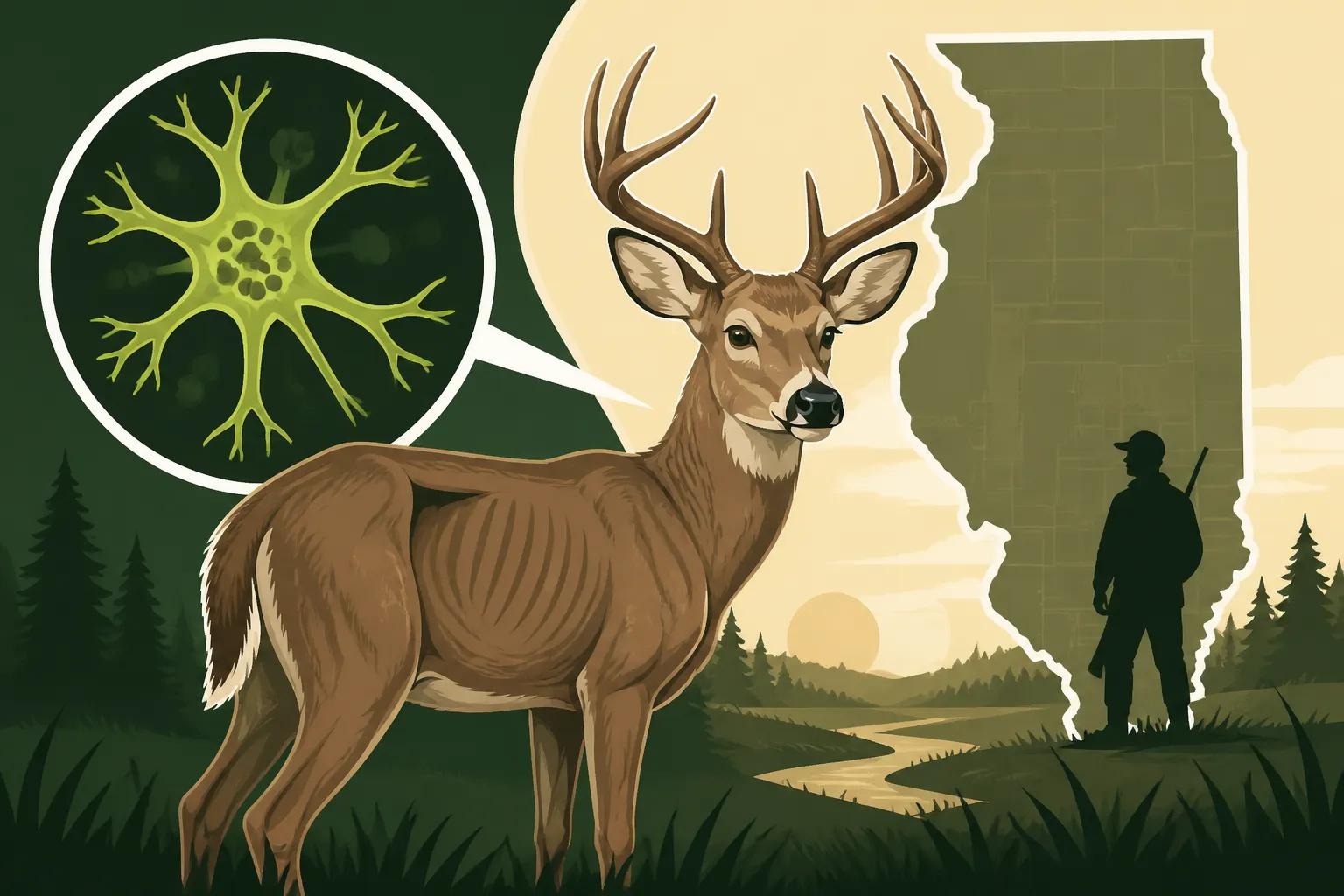
Unlike bacterial or viral infections, CWD isn't caused by a living organism. Instead, it's a neurological disease caused by abnormal proteins called prions. Think of prions as misfolded proteins that, once introduced into a deer's system, can cause normal proteins to misfold as well. This process slowly but relentlessly damages the brain and nervous system, leading to a cascade of debilitating symptoms that are always, without exception, fatal. There's no recovery from CWD.
The scariest part about prions is their resilience. They can persist in the environment for years, even decades, resisting traditional disinfection methods like heat or freezing. Deer shed these prions through saliva, urine, feces, and decomposing carcasses. This means a CWD-infected deer can contaminate food plots, water sources, and even the soil in its home range. Other deer can then pick up these prions directly through contact with an infected animal or indirectly by ingesting contaminated soil, plants, or water. This environmental persistence makes containing the disease incredibly challenging, as even removing infected animals doesn't instantly sterilize the landscape. It's a long game, and the prions are formidable opponents.
Recognizing the Signs and Symptoms in Live Deer
While CWD can have a long incubation period—sometimes years—during which a deer shows no outward symptoms, eventually, the disease manifests in clear, heartbreaking ways. These signs are often subtle at first and can sometimes be confused with other illnesses, but knowing what to look for is important. The most common indicators include a marked loss of body condition, leading to extreme emaciation. This "wasting" is where the disease gets its name, and you'll notice ribs, hip bones, and shoulder blades becoming increasingly prominent.
Beyond the physical wasting, CWD affects the deer's neurological functions. You might observe changes in behavior such as listlessness, a loss of fear of humans, or an unusual stance with a lowered head and drooping ears. Affected deer may also exhibit excessive salivation, difficulty swallowing (which can lead to drooling), and a lack of coordination, causing them to stumble or walk in unusual patterns. Increased thirst and frequent urination are also common. Seeing a deer exhibit these symptoms is a strong indicator that it might be suffering from CWD, and it's important to report such sightings to the Illinois Department of Natural Resources (IDNR) immediately.
The Silent Threat: Why CWD is So Concerning for Hunters
The long incubation period and the silent spread of CWD are what make it such a profoundly unsettling threat to Illinois's deer herd and our hunting heritage. A deer can be carrying and shedding infectious prions for months or even years before ever showing visible signs of illness. This means seemingly healthy deer, moving freely across the landscape, can be unknowingly spreading the disease to others, and hunters can unknowingly harvest an infected animal without any outward clue. This stealthy nature complicates management efforts immensely and creates a significant level of uncertainty for hunters.
Furthermore, the invariably fatal nature of CWD, coupled with the lack of a vaccine or cure, means that once a deer is infected, its fate is sealed. Over time, as prevalence rates increase in certain areas, the disease has the potential to impact local deer populations, leading to reduced deer numbers, skewed age structures, and a decline in overall herd health. This isn't just about losing a few deer; it's about the long-term vitality of the entire herd and the quality of the hunting experience for generations to come. The prospect of losing the robust, healthy deer populations we've worked so hard to rebuild in Illinois is a source of genuine worry for many, and rightly so.
Illinois's Battle with CWD: A History and Current Status
Illinois has been at the forefront of the CWD fight for over two decades, and it's a testament to the dedication of our wildlife biologists and the cooperation of hunters that we've managed to contain it as much as we have. But it's been a long, evolving struggle, and understanding its history helps put our current challenges into perspective.
The First Discovery and Initial Spread (Boone County Focus)
The alarm bells first rang in Illinois in 2002 when CWD was detected in a wild deer in Boone County. This was a pivotal moment, as it marked the disease's official arrival in our state, sparking immediate concern and a robust response from the IDNR. Prior to this, CWD had been primarily identified in Western states, and its appearance in the Midwest was a sobering realization for wildlife managers. The exact route of introduction remains uncertain, but it's generally believed to have spread naturally from Wisconsin, where CWD was detected earlier, or potentially through the movement of captive deer.
Following the initial detection, intensive surveillance and testing revealed additional CWD-positive deer in neighboring counties. This early spread highlighted the challenging nature of the disease, rapidly expanding the initial "ground zero" beyond just Boone County. The immediate response involved increased testing, public awareness campaigns, and the difficult but necessary implementation of targeted culling in affected areas to try and reduce the density of infected animals and slow the spread. This period was marked by a steep learning curve, not just for the IDNR, but for the hunting community as well, as everyone grappled with the implications of this new threat.
Tracking the Disease: Illinois's CWD Surveillance Zones
Since that initial discovery in Boone County, the IDNR has tirelessly tracked the progression of CWD, leading to the establishment of specific CWD Surveillance Zones. These zones are primarily located in northern Illinois, roughly from the Quad Cities eastward to the Chicago suburbs and extending south into counties like Peoria and Woodford, reflecting the disease's persistent, albeit slow, spread. The IDNR uses a combination of mandatory and voluntary deer testing within these zones to monitor prevalence rates and identify new areas where the disease may be emerging. You can always check the most current information, including maps and county-specific regulations, on the IDNR website.
Today, there are numerous counties classified within Illinois's Chronic Wasting Disease Zone, and this list is updated periodically as new detections occur. For instance, Illinois's Twenty-Eight CWD Counties details the full extent of the affected areas. While the highest prevalence rates are still concentrated in the initial northern Illinois counties, individual positive deer have been detected further south, illustrating the need for ongoing vigilance across the entire state. This detailed mapping and continuous monitoring effort is critical for guiding management decisions, informing hunters, and assessing the long-term trends of the disease's presence in our wild deer. Hunters, especially those using tools like GoHunt, can easily layer CWD zone information onto their maps to ensure they are fully aware of regulations in their hunting area.
IDNR's Management Strategies: From Sharpshooting to Hunter Participation
Illinois's approach to CWD management has evolved significantly since 2002. Initially, facing an unknown and rapidly spreading threat, the IDNR implemented aggressive targeted culling programs, often referred to as "sharpshooting," in an attempt to quickly reduce deer densities and remove infected animals from the landscape, particularly in areas with high CWD prevalence. This was a controversial but scientifically-backed approach, aiming to contain the disease before it became more widespread. The reasoning was that reducing deer numbers, especially does, would limit contact rates and slow transmission. However, these programs often faced public pushback and were resource-intensive.
Over time, as the IDNR gained more experience and understanding of CWD, and with sustained funding challenges, the strategy has shifted. While targeted culling still occurs in very specific, high-prevalence situations, the primary focus has moved towards greater reliance on hunter harvest as a key tool for managing deer populations and CWD. The thinking is that responsible hunter harvest can achieve similar population reduction goals more efficiently and with greater public acceptance. This shift has placed a significant onus on hunters to participate in surveillance through voluntary and mandatory testing, and to adhere to specific regulations designed to prevent further spread. Understanding Why IDNR Suspended Targeted Culling is crucial for hunters to grasp the rationale behind current management directives and their vital role in the ongoing fight against CWD.
The Impact of CWD on Illinois Deer and Hunting Culture
CWD isn't just a biological problem; it's a cultural one. It impacts the very fabric of deer hunting in Illinois, from the health of the animals we pursue to the traditions we hold dear and even the local economies that rely on hunting. It's perfectly natural to feel a sense of unease or frustration about these changes.
Population Dynamics and Herd Health
The long-term effects of CWD on Illinois deer populations are still being studied, but what we've learned from other states and our own data suggests that left unchecked, CWD can lead to declines in local deer densities and alter herd dynamics. High prevalence rates, particularly in mature bucks, can potentially affect breeding success and overall herd recruitment. When a significant portion of the herd is infected, especially older animals, it impacts the overall health, vigor, and age structure of the population. This isn't to say Illinois deer are on the brink of collapse statewide, but it does mean certain localized areas, particularly those in northern Illinois with higher CWD prevalence, might see slower growth rates and fewer older-age-class deer.
The disease also introduces another layer of mortality to a population already facing pressures from habitat loss, vehicle collisions, and other diseases like EHD. While CWD acts slowly, it is relentlessly fatal, meaning every infected deer will eventually succumb. This cumulative mortality, especially in areas where prevalence climbs over 20-30%, can begin to noticeably suppress deer numbers. Monitoring Illinois Deer Population Estimate and Illinois Deer Harvest Records alongside CWD prevalence data helps biologists understand these complex interactions and project future trends, allowing them to adjust management strategies to try and maintain a healthy, sustainable deer population for hunters.
Hunter Confidence and Participation
Perhaps one of the most tangible impacts of CWD is on hunter confidence and participation. Many hunters express legitimate concerns about the safety of consuming venison from CWD-positive areas, even if testing shows the meat is negative. This apprehension can lead some hunters to reduce their hunting effort, switch hunting locations, or even stop hunting deer altogether in heavily affected zones. It's a real and valid concern, and it strikes at the heart of why many of us hunt: to put healthy, wild protein on the table.
The added burden of mandatory testing, carcass movement restrictions, and the general feeling of uncertainty can also dampen enthusiasm. Hunters, myself included, often cherish the simplicity and tradition of the hunt. When that experience becomes complicated by disease management protocols, it can detract from the enjoyment. This doesn't mean we shouldn't follow the rules or participate in management; it simply highlights the emotional toll and practical challenges CWD presents to the hunting community. It's a testament to the dedication of Illinois hunters that so many continue to engage in the fight, despite these frustrations.
Economic Repercussions for Hunting-Related Businesses
The ripple effect of CWD extends beyond the individual hunter to the broader economy of hunting in Illinois. Local businesses, from small-town sporting goods stores and gas stations to meat processors and taxidermists, rely heavily on the annual influx of hunters and their expenditures. When CWD concerns lead to reduced hunter participation or changes in hunting patterns, these businesses feel the pinch. A hunter who decides not to pursue a deer in a CWD county might not buy new gear locally, might drive less, or might not use a local processor.
For outfitters and guides, particularly those operating in prime hunting areas now within CWD zones, the disease introduces an additional layer of complexity and potential financial strain. Clients, especially non-residents, might be wary of booking hunts in areas with known CWD presence, even if the outfitter has impeccable management practices. The need for additional testing, specialized processing, and careful disposal of deer carcasses also adds costs and logistical challenges for these businesses, impacting their bottom line. It's a reminder that wildlife health isn't just an ecological issue; it has real-world economic consequences for many communities across Illinois.
How Hunters Can Help in the Fight Against CWD
It's easy to feel helpless when faced with a disease like CWD, but as hunters, we are actually on the front lines of defense. Our actions, collectively and individually, make a massive difference in the ongoing effort to understand, manage, and hopefully, one day, control CWD in Illinois. We are an indispensable part of the solution.
Mandatory and Voluntary Testing: Your Role in Surveillance
One of the most critical ways you can help is by participating in deer testing. In CWD-positive counties, or during specific firearm seasons, testing might be mandatory. But even when it's not, the IDNR often encourages voluntary submission of samples. This isn't just busywork; every single test provides invaluable data points that help biologists map the disease's spread, identify hot spots, and understand prevalence rates. Without this data, management decisions would be based on guesswork, not science.
Getting your deer tested is relatively straightforward. The IDNR sets up check stations or designated sampling locations, often at local butcher shops or wildlife offices, especially during peak firearm seasons. You can find information on Illinois CWD Testing for Hunters through the IDNR website, which provides current locations and hours. Typically, a small tissue sample, often from the lymph nodes, is collected. The process is quick, doesn't impact your venison, and the results are usually available within a few weeks. By submitting your deer for testing, you're directly contributing to the statewide surveillance effort and providing the vital intelligence needed to combat CWD.
Carcass Movement Restrictions: Preventing Further Spread
To prevent the human-assisted spread of CWD to new areas, Illinois has implemented strict carcass movement restrictions, particularly for deer harvested within CWD counties. This regulation is incredibly important because certain parts of a deer, especially the brain, spinal cord, lymph nodes, and spleen, contain the highest concentrations of CWD prions. If an infected carcass is transported whole to an unaffected county and then processed or disposed of improperly, it could introduce prions to a new environment.
The rule is quite clear: if you harvest a deer in a CWD-positive county, you cannot transport the whole carcass out of that county or an adjacent CWD-positive county. You can transport certain "low-risk" parts, such as deboned meat, antlers (attached to a clean skull plate with no brain tissue, or skull cleaned of all tissue), hides, and teeth. All high-risk parts must be left in the county of harvest or disposed of in an approved landfill within a CWD county. For full details on the specific regulations, refer to Illinois Carcass Movement Restrictions. This means if you bag a deer in, say, DeKalb County, you need to either process it there or take it to a processor within a CWD county before heading home to a non-CWD county. It's an inconvenience, I know, but it's a vital step in protecting the rest of our state's deer herd.
Responsible Harvesting: Targeted Removal and Ethical Practices
Beyond testing and movement restrictions, hunters play a critical role in CWD management through their harvesting decisions. In areas with high CWD prevalence, biologists often encourage increased harvest, especially of does, to reduce overall deer densities. A lower deer density means less contact between individual animals, which can help slow the rate of disease transmission. Taking a doe, particularly in a CWD management zone, is a direct contribution to herd health and disease control.
Furthermore, ethical hunting practices are always paramount, but they take on added significance in the context of CWD. This includes making clean, ethical shots to ensure quick recovery and minimize the chance of a wounded animal wandering off and potentially shedding prions over a wider area before expiring. Avoiding baiting or supplemental feeding is also crucial, as these practices can concentrate deer in unnaturally high numbers, increasing contact rates and accelerating CWD transmission. By making informed, responsible choices in the field, we, as hunters, become active stewards in the long-term health of our deer herd.
Navigating CWD Areas: Practical Advice for Hunters
Hunting in a CWD-affected area can introduce new considerations, but it doesn't mean you have to abandon your passion. With a little extra planning and awareness, you can continue to enjoy deer hunting in Illinois while minimizing risks and maximizing your contribution to disease management.
Pre-Hunt Planning: Using Resources to Stay Informed
Before you even step foot in the woods, thorough pre-hunt planning is more important than ever when hunting in CWD zones. The first step is always to verify the CWD status of your intended hunting location. The IDNR website is your authoritative source for current CWD-positive counties and any special regulations that may apply during specific seasons, such as mandatory testing periods. Many mapping applications, like GoHunt, also provide layers that can show CWD zones, allowing you to visually understand where you're hunting in relation to these areas. This helps you plan for testing, carcass transport, and disposal well in advance.
It's also a good idea to scout for any deer exhibiting CWD-like symptoms. While scouting, pay attention to deer behavior. If you observe any animals that appear unusually thin, lethargic, or disoriented, make a mental note of the location and consider reporting it to the IDNR. Knowing the local regulations, understanding Illinois Deer Season Structure Explained in your specific county, and familiarizing yourself with testing site locations will save you a lot of headache after a successful hunt.
Field Dressing and Handling Precautions
When field dressing a deer harvested in a CWD-positive county, a few extra precautions are advisable, even if not strictly mandated. While the risk of CWD transmission to humans through venison is considered extremely low by public health agencies, it's always prudent to minimize contact with high-risk tissues. Wearing latex or rubber gloves is a simple, effective step to reduce exposure to bodily fluids. Use separate knives and tools for field dressing compared to what you'd use for butchering, or thoroughly disinfect them afterward.
The goal during field dressing is to remove as little of the central nervous system as possible in the field. This means not cutting into the spinal column or brain unless absolutely necessary. Dispose of the offal (guts, head, spine, etc.) in the woods where the deer was harvested, if allowed, ensuring it's not near water sources or areas frequented by other deer, or take it to an approved CWD carcass disposal site. Never transport high-risk parts out of a CWD county. For example, if you're Field Dressing a Deer in Cold Weather in a CWD zone, follow these same guidelines even with cold temperatures.
Venison Safety and Processing Recommendations
The question of venison safety is often the most pressing for hunters, and it’s a valid concern. The Centers for Disease Control and Prevention (CDC) and other public health agencies recommend against consuming venison from CWD-positive deer. While there's no conclusive scientific evidence of CWD prions jumping to humans, the recommendation is based on a "better safe than sorry" principle. This is why testing is so important: it allows you to make an informed decision about your harvest.
If you harvest a deer in a CWD zone, especially if you plan to share the meat with family and friends, getting it tested is highly recommended. Once you receive a negative test result, you can proceed with confidence. When processing the meat, avoid consuming or contaminating meat with high-risk tissues like the brain, spinal cord, eyes, spleen, and lymph nodes. Some hunters choose to take their deer to a specialized processor that handles CWD-tested animals, ensuring strict protocols are followed. If home processing, ensure your equipment is thoroughly cleaned and sanitized after use.
Debates and Future Outlook for CWD Management in Illinois
The fight against CWD is far from over, and it's a dynamic situation with ongoing research, evolving management strategies, and legitimate debates within the scientific and hunting communities. Looking ahead, it's about staying informed and adapting to what we learn.
The Science Behind CWD: Ongoing Research and New Insights
Scientists worldwide are tirelessly working to unravel the mysteries of CWD. Research focuses on several key areas: improving early detection methods (imagine being able to test a live deer easily!), developing accurate diagnostic tools, understanding the nuances of prion transmission (especially environmental persistence), and even exploring potential therapies or vaccines. While a "cure" for CWD in wild populations seems a distant hope, advances in understanding how prions interact with their environment and host animals are crucial for developing more effective management strategies.
For instance, ongoing studies are investigating how long prions remain infectious in different soil types, the role of plants in uptake and transmission, and whether certain genetic traits in deer confer resistance to the disease. These insights could lead to more targeted and efficient ways to reduce CWD spread in the future. The scientific community's dedication to this complex disease is a beacon of hope, constantly pushing the boundaries of our knowledge to provide better tools for wildlife managers.
Balancing Hunter Harvest with Disease Control Goals
One of the most persistent debates in CWD management revolves around balancing the social and recreational aspects of hunting with the biological necessity of disease control. As mentioned, increased hunter harvest, particularly of does, is a key strategy for reducing deer densities and slowing CWD spread. However, for many hunters, the quality of the hunting experience – seeing mature bucks, having reasonable success rates – is also important. Implementing regulations that aggressively reduce herd numbers in some areas can be unpopular, leading to frustration and reduced hunter participation.
The IDNR walks a fine line, aiming to maintain healthy deer populations that provide ample hunting opportunities while simultaneously mitigating the threat of CWD. This means careful data analysis, adaptive management, and ongoing communication with the hunting public. It's not an easy task, and there are often differing opinions on the "best" approach. However, the overarching goal remains the same: to protect Illinois's deer resource for future generations, and that requires a cooperative spirit from all stakeholders.
What the Future Holds: Potential Scenarios for Illinois Deer Hunting
The long-term future of deer hunting in Illinois in the shadow of CWD is uncertain, but it's not without hope. Best-case scenarios involve continued containment and stabilization of prevalence rates through active hunter participation and evolving management strategies. This would mean CWD remains a managed disease, not an existential threat, with hunters adapting to ongoing testing and carcass restrictions as a new normal. We might see an emphasis on strategic harvesting in specific zones, and perhaps even incentives for hunters who contribute to surveillance. Using tools like GoHunt, hunters will continue to adapt their scouting and hunting tactics based on the latest CWD information and herd movements.
Worst-case scenarios involve unchecked spread, leading to significant population declines in widespread areas and a dramatic shift in hunting opportunities and regulations. However, the proactive efforts of the IDNR, combined with the dedicated efforts of Illinois hunters, are designed to prevent such outcomes. The reality will likely fall somewhere in the middle, a continuous learning process where hunters and wildlife managers work together, adapting to new challenges and implementing the most effective strategies as they emerge. The key will be resilience, continued education, and a shared commitment to the health of our deer and the future of our hunting traditions.
Here's a quick look at Illinois CWD County Detections:
| County Name | First Detection Year | Approximate CWD Status | Key Management Focus |
|---|---|---|---|
| Boone County | 2002 | High Prevalence | Intensive Surveillance, Hunter Harvest |
| Winnebago County | 2002 | High Prevalence | Intensive Surveillance, Hunter Harvest |
| DeKalb County | 2005 | Moderate Prevalence | Surveillance, Hunter Harvest, Carcass Restrictions |
| Ogle County | 2007 | Moderate Prevalence | Surveillance, Hunter Harvest, Carcass Restrictions |
| McHenry County | 2009 | Moderate Prevalence | Surveillance, Hunter Harvest, Carcass Restrictions |
| LaSalle County | 2010 | Low Prevalence | Surveillance, Early Detection Efforts |
| Kane County | 2011 | Low Prevalence | Surveillance, Early Detection Efforts |
| Lake County | 2012 | Low Prevalence | Surveillance, Early Detection Efforts |
| Jo Daviess County | 2013 | Low Prevalence | Surveillance, Early Detection Efforts |
| Whiteside County | 2015 | Low Prevalence | Surveillance, Early Detection Efforts |
| Lee County | 2017 | Low Prevalence | Surveillance, Early Detection Efforts |
| Carroll County | 2018 | Low Prevalence | Surveillance, Early Detection Efforts |
| Kendall County | 2019 | Low Prevalence | Surveillance, Early Detection Efforts |
| Grundy County | 2020 | Low Prevalence | Surveillance, Early Detection Efforts |
| Stephenson County | 2021 | Low Prevalence | Surveillance, Early Detection Efforts |
| Peoria County | 2022 | Single Detection (Emerging) | Targeted Surveillance, Rapid Response |
| Woodford County | 2023 | Single Detection (Emerging) | Targeted Surveillance, Rapid Response |
Note: This table reflects approximate status and common counties, but CWD status and specific regulations can change. Always consult the official Illinois DNR website for the most current information.
Disclaimer
The information provided in this guide is for general informational purposes only and does not constitute official legal or regulatory advice. Hunters are responsible for consulting the most current Illinois Department of Natural Resources (IDNR) regulations, proclamations, and guidelines before hunting. Hunting regulations, CWD zones, and testing protocols are subject to change.