How Turkeys Were Restored to Illinois
It's hard to imagine Illinois without the rich, resonant gobble of a wild turkey echoing through the timber on a crisp spring morning. Yet, for many years, this iconic bird was completely absent from our state, a stark reminder of unchecked exploitation and habitat loss. This guide delves into the incredible true story of how dedicated conservation efforts brought the wild turkey back from the brink, transforming Illinois's landscapes and hunting opportunities forever.
The Vanishing Wild Turkey: A Historical Look
The journey of the wild turkey in Illinois is a tale of both profound loss and triumphant resurgence. Before European settlement, these magnificent birds were a cornerstone of the Illinois wilderness, deeply integrated into the ecosystem and the lives of its earliest inhabitants. Understanding their historical decline is crucial to appreciating the immense effort that went into their recovery.
Pre-Settlement Abundance
Imagine Illinois centuries ago: vast expanses of oak-hickory forests, sprawling prairies, and intricate river bottomlands. This diverse habitat was a paradise for wild turkeys. They thrived, their populations abundant across nearly every county. These were truly wild birds, adapted to their environment, wary, and integral to the natural order. Early explorers and settlers frequently documented massive flocks, a testament to their widespread presence and ecological importance. They were a readily available food source for indigenous peoples and early pioneers, providing sustenance and a connection to the wild.
The Impact of Unregulated Hunting and Habitat Loss
As settlement progressed, the pressure on wild turkey populations mounted rapidly. Unregulated market hunting, driven by demand for wild game in burgeoning cities, decimated flocks. Hunters could take as many birds as they could find, and there were no seasons, bag limits, or oversight to protect the species. This commercial exploitation, coupled with the rapid conversion of forests to farmland, delivered a one-two punch that the turkeys simply couldn't withstand. Logging stripped away critical roosting and nesting cover, while agriculture fragmented remaining habitats, isolating populations and making them more vulnerable. It was a perfect storm, accelerating their decline at an alarming rate.
Extirpation: When Illinois Lost Its Birds
By the early 1900s, the once-thriving wild turkey was a ghost in Illinois. The last confirmed wild turkey sighting was in the early 1900s, specifically in Union County in 1903. Just like that, a species that had roamed our lands for millennia was gone. "Extirpated" is the scientific term—locally extinct. This wasn't just a loss for hunters, but a profound ecological void. An important seed disperser, insectivore, and prey animal vanished, leaving a silent forest where gobblers once strutted and called. For decades, many believed the wild turkey would never again roam free in the Prairie State.
Early Attempts at Restoration and Lessons Learned
The dream of bringing wild turkeys back to Illinois was always there, but the path to success was anything but straightforward. Initial attempts at restoration were well-intentioned but ultimately highlighted a fundamental misunderstanding of what it took to re-establish a truly wild, self-sustaining population.
Release Failures: Domestic Birds and Pen-Raised Turkeys
In the mid-20th century, before biologists fully understood the genetics and behavior of wild turkeys, there were efforts to reintroduce them using domestic or pen-raised birds. States, including Illinois, experimented with releasing farm-raised turkeys, often crossing them with wild stock or simply liberating birds hatched in captivity. The thinking was logical: if you want turkeys, just put turkeys out there. However, these attempts were, almost without exception, catastrophic failures. Domestic birds lacked the natural instincts for survival in the wild—they were often too tame, lacked predators avoidance skills, and were prone to disease. They couldn't find food efficiently, evade predators effectively, or reproduce successfully in a wild environment. They would disperse, become easy prey, or simply perish, leaving behind no viable populations. It was a disheartening cycle of wasted effort and resources.
The Biological Realization: It's All About Wild Trapping
The repeated failures of releasing pen-raised birds led to a critical biological realization: only truly wild turkeys could survive and thrive in the wild. This epiphany shifted the paradigm of turkey restoration. Biologists and wildlife managers understood that they couldn't create wild turkeys; they had to relocate them. This meant capturing wild, free-ranging birds from robust populations in other states and releasing them into suitable habitats in Illinois. This trap-and-transfer method, while logistically challenging, recognized the inherent wildness and genetic integrity required for successful reintroduction. It was a pivotal moment, laying the groundwork for the incredible success story that was to follow.
The Trap-and-Transfer Revolution
With the understanding that only wild-trapped birds would succeed, the Illinois Department of Natural Resources (IDNR) embarked on an ambitious program that would revolutionize turkey restoration. This wasn't just about moving birds; it was a complex operation requiring ingenuity, partnership, and a deep understanding of turkey behavior and habitat.
Rocket Nets and Cannon Nets: The Game-Changers
Capturing wary wild turkeys is no easy feat. The solution came in the form of specialized netting techniques: rocket nets and cannon nets. These ingenious devices allowed biologists to capture multiple birds simultaneously without harming them. The process involved baiting an area with corn or other grains to attract a flock of turkeys. Once a group was feeding within the target zone, charges would launch a large net over them, effectively capturing the entire flock. This method was efficient, safe for the birds, and crucial for securing enough individuals to create viable new populations. The success of these netting operations, often conducted in harsh winter conditions, was a testament to the dedication of the wildlife crews involved.
Source Populations: Where Our Turkeys Came From
Illinois didn't have to go it alone. Neighboring states that still held healthy populations of wild turkeys became invaluable partners in this conservation effort. Between 1959 and 1967, Illinois received its initial wild turkey stock from states like Arkansas and West Virginia. These turkeys, primarily the Eastern wild turkey subspecies, were robust and well-adapted to forested habitats similar to those found in southern Illinois. Later, additional birds were secured from states like Mississippi and Missouri. This interstate cooperation was a shining example of collaborative conservation, demonstrating a shared commitment to restoring wildlife across regional boundaries. These birds formed the genetic foundation of every wild turkey flock in Illinois today.
Strategic Release Sites Across Illinois
The birds weren't just dropped anywhere. IDNR biologists meticulously identified optimal release sites, prioritizing areas with large, contiguous blocks of mature timber, good mast production (acorns, hickory nuts), and minimal human disturbance. The earliest releases, starting in 1959, focused on the rugged, heavily forested landscapes of Southern Illinois, particularly in counties like Union, Jackson, and Pope, within the sprawling Shawnee National Forest. These areas offered the best chances for survival and initial population growth. Over the subsequent decades, as these foundational populations grew and expanded, biologists continued the trap-and-transfer work within Illinois itself, moving birds from thriving areas to new locations in central and northern Illinois, strategically filling in suitable habitats across the entire state. This careful, phased approach was vital to the program's long-term success. If you're looking for where to find these birds today, checking out resources like GoHunt can help you identify high-density areas.
The Remarkable Resurgence and Expansion
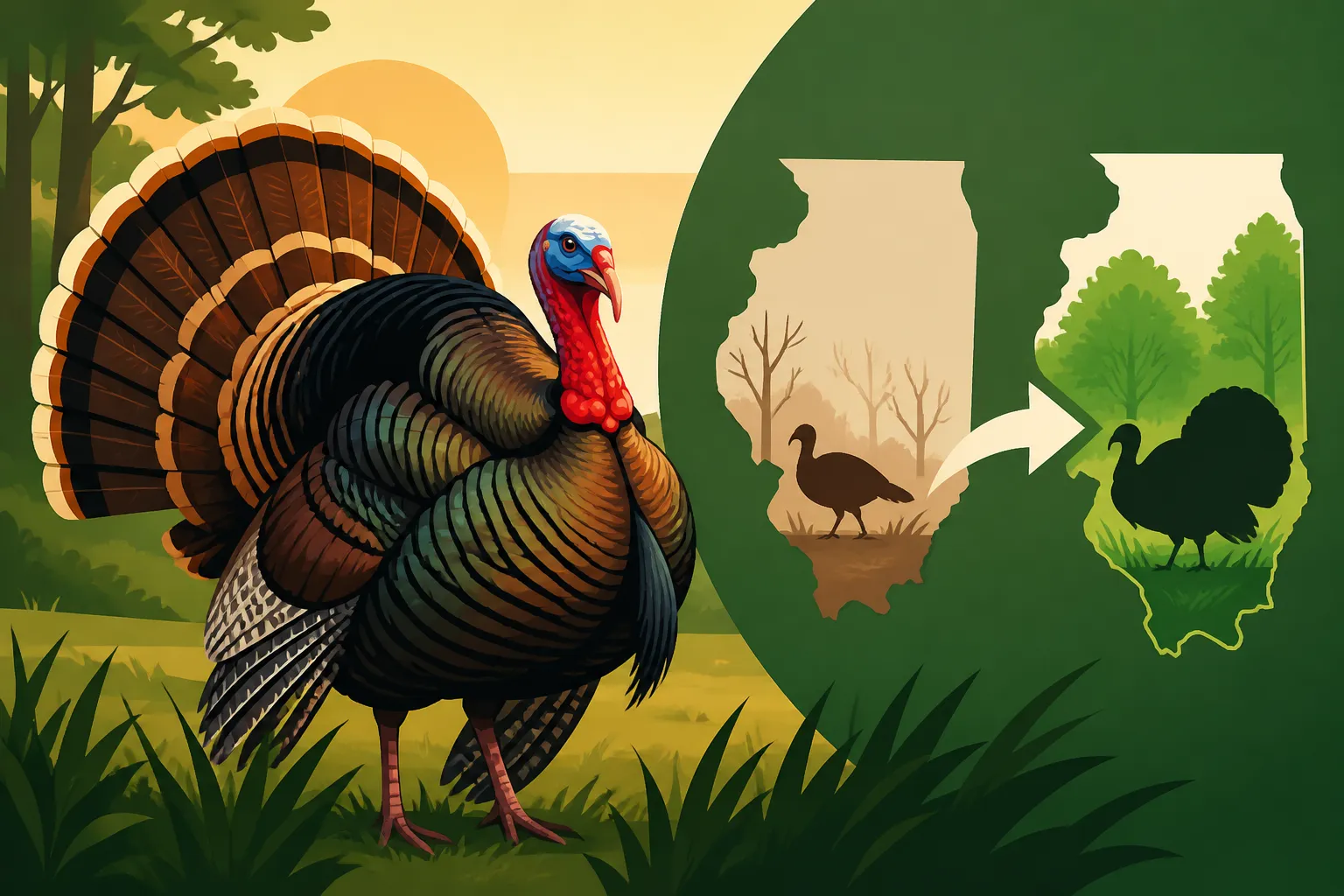
The results of the trap-and-transfer program were nothing short of miraculous. From a state with zero wild turkeys, Illinois witnessed one of the most successful wildlife restoration stories in North American history. The return of the gobble truly signified the rewilding of large parts of Illinois.
A Thriving Population: From Zero to Abundant
Within just a few decades, the wild turkey population exploded. The initial releases, particularly in the Southern Illinois hill country, rapidly reproduced and expanded their range. By the late 1960s, a limited hunting season was even possible, a testament to the incredible growth. As more birds were trapped and transferred from these initial strongholds to other suitable habitats across the state, new populations took hold and flourished. Today, wild turkeys are found in all 102 Illinois counties. While population densities vary, it's a far cry from the desolate landscapes of a century ago. This widespread presence underscores the biological resilience of the species when given the right conditions and management. To understand the current health of the population, check out the article on Illinois Turkey Population Trends.
Expanding Seasons and Opportunities for Hunters
With a burgeoning turkey population came the opportunity for regulated hunting. Illinois hunters, who had only dreamed of pursuing wild turkeys, now had the chance. The first modern wild turkey season in Illinois opened in 1970, a monumental moment for conservationists and sportsmen alike. Initially, seasons were short and permits were limited to a handful of southern counties. However, as turkey numbers continued to climb and expand geographically, so did hunting opportunities. The IDNR systematically opened new counties and extended season lengths, eventually establishing the multi-period spring season and the over-the-counter fall season we know today. This expansion not only provided recreation but also generated vital funds through license and permit sales, which are reinvested directly back into wildlife management and habitat conservation. Understanding the nuances of Illinois Spring Turkey Zones and Periods and Illinois Fall Turkey Season Rules is key for modern hunters.
Ongoing Management and Challenges
While the restoration was a roaring success, the work of managing wild turkeys is never truly done. Biologists continually monitor populations through various surveys, tracking reproduction rates, harvest numbers, and overall health. Challenges remain, including habitat fragmentation in increasingly developed areas, predation, and localized disease outbreaks. The goal is to maintain healthy, sustainable populations while providing ample hunting opportunities. This involves balancing timber management, prescribed burns, and hunter harvest regulations to ensure the long-term viability of the species. Tools like GoHunt can assist hunters in identifying prime habitat and understanding the lay of the land, which in turn helps distribute hunting pressure.
Modern Wild Turkey Management in Illinois
Today's wild turkey populations in Illinois are robust, but they require continuous, adaptive management. The lessons learned from their restoration guide current conservation strategies, ensuring these magnificent birds continue to thrive across the state for generations to come. It’s a complex dance between science, public engagement, and ecological principles.
Monitoring Populations and Habitat
The IDNR employs a variety of methods to keep a pulse on Illinois's wild turkey populations. Annually, summer brood surveys are conducted, often relying on observations from landowners and farmers, to estimate poult production and survival. These "poult-to-hen ratios" are critical indicators of reproductive success and future population trends. Harvest data, collected through the mandatory check-in system, provides valuable information on hunter success, geographic distribution of harvests, and age structures of harvested birds. Furthermore, biologists continuously monitor habitat conditions, assessing the availability of nesting cover, roosting trees, and food sources. Understanding these ecological dynamics allows the IDNR to make informed decisions about season structures, permit allocations, and habitat improvement projects. Detailed insights into Illinois Turkey Population Trends can be found through official reports and data available on platforms like GoHunt that integrate IDNR data.
Balancing Hunter Opportunity and Conservation
One of the primary goals of modern turkey management is to strike a balance between providing robust hunting opportunities and ensuring the long-term health of the turkey population. This is achieved through carefully calibrated regulations. For example, the tiered spring turkey season, with its multiple periods and zone-specific allocations, is designed to distribute hunting pressure and provide diverse opportunities while preventing overharvest. Similarly, permit limits, such as the stipulation on Illinois Spring Turkey Permit Limits, are put in place to manage harvest intensity. The IDNR constantly analyzes Illinois Turkey Harvest Numbers and biological data to adjust these regulations, ensuring that hunting remains sustainable and ethical. Hunters play a vital role in this process by adhering to regulations, reporting their harvest accurately, and contributing to conservation through license purchases.
The Role of Organizations and Hunter Support
The success of Illinois's wild turkey program isn't solely due to state agencies. Dedicated conservation organizations, most notably the National Wild Turkey Federation (NWTF), have been instrumental partners. The NWTF, with its local chapters across Illinois, contributes significantly to habitat restoration, public land access projects, and educational initiatives. Their "Save the Habitat. Save the Hunt." initiative directly supports efforts to create and maintain quality turkey habitat. Hunters themselves are the backbone of this support system, contributing directly through license and permit fees, federal excise taxes on hunting equipment (Pittman-Robertson Act), and volunteer efforts. This collaborative model, where agencies, non-profits, and individual hunters work together, is what truly sustains Illinois's wild turkey legacy. Without this collective commitment, the future of this species would be far less secure.
Illinois Wild Turkey Restoration Timeline
To truly grasp the magnitude of the wild turkey's return to Illinois, it's helpful to visualize the key milestones in its restoration journey. This table outlines the critical steps from extirpation to abundance.
| Year/Period | Event | Significance |
|---|---|---|
| Early 1900s | Wild turkeys extirpated from Illinois (last known bird 1903) | Complete disappearance of wild turkeys from the state due to habitat loss and unregulated hunting. |
| 1950s | Early attempts with pen-raised birds | Initial, unsuccessful efforts highlighting the need for truly wild stock. |
| 1959 | First wild-trapped turkeys released in Illinois | Start of the successful trap-and-transfer program, beginning in Southern Illinois. |
| 1967 | Interstate trap-and-transfer efforts concluded | Enough wild turkeys had been released to establish initial foundational populations. |
| 1970 | First modern spring turkey season opened | Milestone for hunters, indicating a sufficiently recovered population in some counties. |
| 1970s-1990s | Intra-state trap-and-transfer and population growth | Wild turkeys from healthy Illinois populations moved to new suitable habitats across the state, expanding their range. |
| 2000s-Present | Wild turkeys in all 102 counties, ongoing management | A thriving population statewide, managed through seasons, permit limits, and habitat work. |
The journey from zero to hero for the Illinois wild turkey is a powerful reminder of what dedicated conservation can achieve. It's a story of science, persistence, and the passionate commitment of countless individuals and organizations. The next time you hear that unmistakable gobble, take a moment to appreciate the monumental effort that brought it back to our wild lands.
Disclaimer
Please note that hunting regulations, seasons, and permit requirements in Illinois can change. Always consult the official Illinois Department of Natural Resources (IDNR) website or their current hunting digest for the most up-to-date and accurate information before planning any hunting activities.