Canada Geese on Illinois Farmland
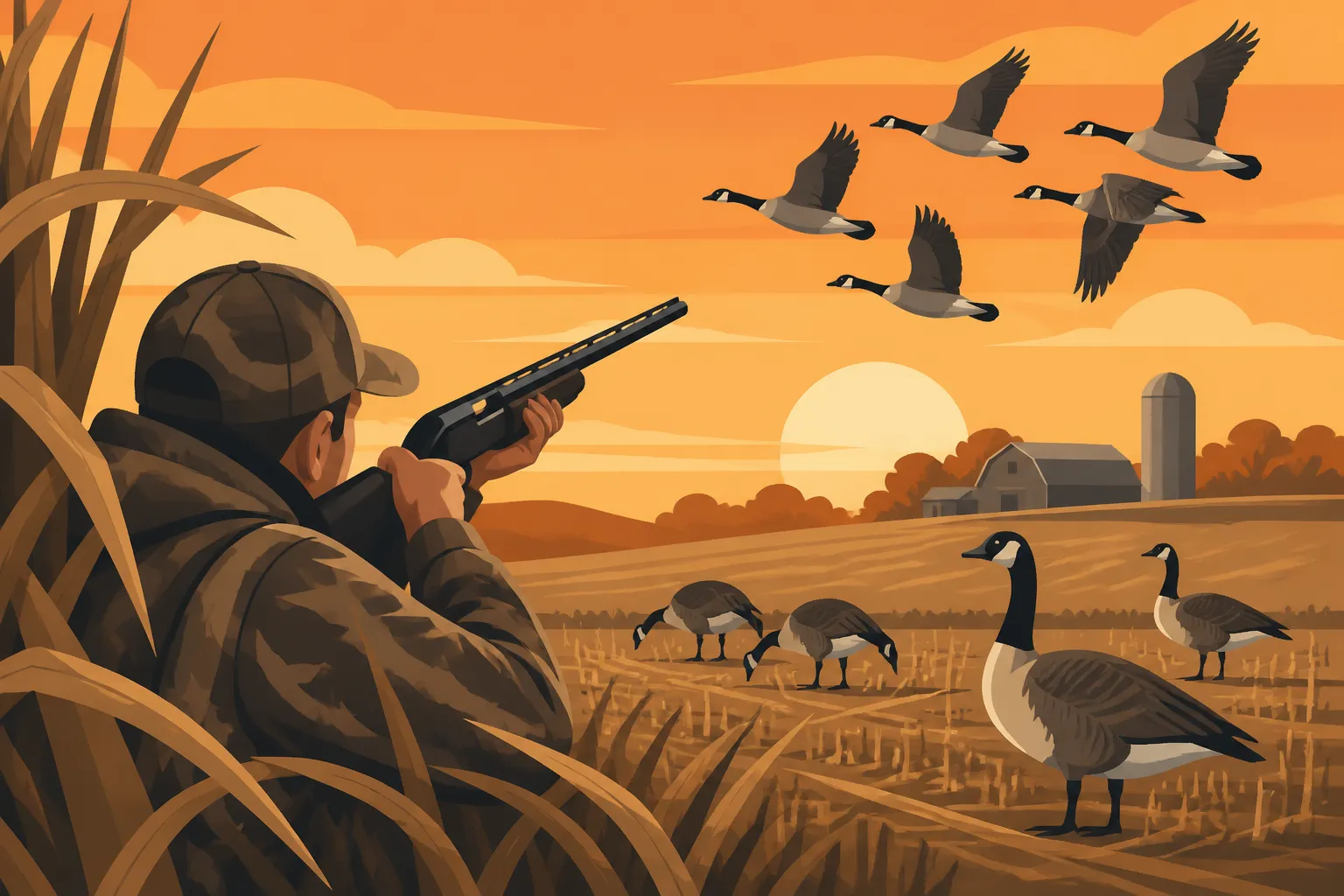
There's nothing quite like the sight of a perfect "V" formation of Canada geese silhouetted against a crisp Illinois sky, their distant honking growing louder as they lock wings and descend into a harvested cornfield. It's a classic waterfowl scene that gets the blood pumping for so many of us, but let's be honest, hunting Canada geese on Illinois farmland isn't always as picturesque as those magazine covers make it seem. You face everything from battling unpredictable weather to dealing with highly pressured birds that have seen every trick in the book. This guide is here to walk you through the nuances of targeting these magnificent birds in the vast agricultural landscapes of our great state, helping you understand their patterns, refine your strategies, and ultimately, put more geese in your spread.
Understanding the Allure and Challenge of Canada Geese on Illinois Farmland
For many waterfowlers in Illinois, Canada geese represent a significant portion of their season's success. These birds are abundant, offer thrilling hunting opportunities, and provide a substantial amount of table fare. Yet, their intelligence and adaptability, especially when interacting with human activity, make them a formidable challenge. They learn quickly, remember decoy spreads, and can become incredibly wary after just a few encounters.
Why Geese Gravitate Towards Farmland
Canada geese are creatures of efficiency, and Illinois farmland offers an unparalleled buffet. After the fall harvest, vast expanses of corn and soybean fields become prime feeding grounds, littered with waste grain that provides a high-energy diet. It's an easy meal, plentiful and accessible, which is exactly what these birds are looking for as they prepare for colder weather or simply maintain their robust health.
Think about it from their perspective: why expend extra energy digging for roots or foraging in less productive areas when a perfectly good, easily digestible meal is waiting in an open field? This is especially true for the massive flocks that migrate through or winter in Illinois, using our rich agricultural lands as a crucial refueling stop on the Mississippi Flyway. Beyond the food, these open fields offer excellent visibility, allowing geese to spot predators, including hunters, from a great distance. This combination of abundant food and perceived safety makes Illinois farmland an irresistible magnet for Canada geese, and understanding this fundamental attraction is your first step toward successful hunting.
The Hunter's Perspective: A Love-Hate Relationship
As hunters, our relationship with Canada geese on farmland is often one of profound appreciation mixed with deep frustration. We love the spectacle of thousands of birds in the sky, the challenge of trying to fool them, and the sheer joy of a successful hunt. There's a certain primal satisfaction in calling a big flock into range and watching them cup their wings over your decoys.
However, anyone who has spent countless hours lying in a frozen field, battling icy winds, only to watch flock after flock veer off a quarter-mile out, knows the intense frustration. Geese can be incredibly fickle. One day they might commit beautifully, and the next, they act as if they've earned PhDs in hunter avoidance. This unpredictability, coupled with the often-demanding physical nature of setting and retrieving a large decoy spread, means that goose hunting on farmland can test even the most patient hunter. It's this very challenge, though, that makes the successful hunts so incredibly rewarding, proving that you outsmarted one of nature's most intelligent waterfowl.
Identifying Key Farmland Habitats and Behavior
To consistently fool Canada geese, you need to think like them. This means understanding not just what they eat, but where and how they prefer to do it. Farmland isn't just one big field; it's a mosaic of different habitats, each playing a role in a goose's daily routine.
Crop Fields: The Ultimate Dinner Plate
When we talk about hunting geese on Illinois farmland, we're almost always talking about crop fields. Specifically, harvested corn and soybean fields are gold mines. Corn fields, especially, leave behind substantial waste grain, which is high in carbohydrates and perfect for energy-hungry geese. Soybean fields also offer valuable forage, particularly in the early season.
It’s not just any part of the field, either. Geese often prefer to land in areas with slightly lower stubble, where they can move around more easily and spot potential threats. They also favor higher ground within a field, giving them an even better vantage point. You'll often find them working the edges, or sometimes even concentrating on a particular "hot spot" within a vast field where grain was spilled during harvest. Scouting these specific feeding locations is paramount. Using tools like aerial maps or even specialized hunting apps like GoHunt can help you pinpoint these subtle variations in terrain and understand how different fields connect to larger waterfowl patterns.
Water Sources: Essential for Roosting and Resting
While geese feed in fields, they almost always need a nearby water source for roosting, resting, and drinking. This could be anything from large lakes and reservoirs to smaller farm ponds, flooded timber, or even wide sections of a river. These water bodies offer safety from land predators at night and provide a comfortable place to preen and socialize during the day.
Understanding the relationship between feeding fields and roosting water is critical. Geese will typically leave their roosts in the morning, fly to a feeding field, spend several hours gorging, then often return to water to rest before an afternoon feed, or head directly back to the roost for the night. Your scouting efforts should always include identifying these primary water sources. If you can locate a major goose roost, you can then begin to predict their flight paths to and from feeding areas, which is invaluable for setting up a successful hunt. Consider how these patterns might shift if you're Hunting River Bottom Funnels or other key geographical features.
Flight Patterns and Scouting for Success
Geese are creatures of habit, and their flight patterns often follow predictable routes between roosting and feeding areas. These routes can be influenced by terrain, wind direction, and existing cover. Learning these patterns is where the true art of goose hunting lies. This requires dedicated, patient scouting.
Spend time observing birds from a distance, noting their entry and exit points in fields, the height at which they fly, and any preferred corridors they use. Look for major pinch points, saddles, or breaks in timber that might funnel geese. A calm morning before the hunt, when you're observing from afar with binoculars, can tell you more than a dozen hours spent in the wrong field. Don't be afraid to drive around, knock on doors for permission, and simply watch the birds. The more you scout, the better you'll become at anticipating their movements, and the more effective your decoy spreads will be. Remember, the birds will tell you what to do if you just pay attention.
Essential Strategies for Hunting Farmland Geese
Once you've done your homework and understand where the geese want to be, it's time to put your plan into action. Effective goose hunting on farmland relies on a blend of art and science: presenting a believable spread, remaining perfectly hidden, and communicating with the birds through calling.
Decoy Spreads for Different Scenarios
Decoy spreads are your silent salesmen, trying to convince wary geese that your field is the safest, most appealing place to land. There's no single "perfect" spread; it all depends on the field, the wind, the number of birds you're seeing, and the pressure they've been under.
- The "J" or "U" Spread: These are classic designs that create a landing zone in the curve, directly in front of your blind. Geese naturally want to land into the wind, so position the open end of the "J" or "U" facing the wind. The "hook" of the J or the bottom of the U should be where your kill zone is, giving geese a clear approach and a safe feeling as they come in. Consider adding a few feeder decoys upwind and away from the main group, simulating contented birds that have already landed.
- Family Groups: Geese often fly and feed in family units. Break up your spread into smaller clusters of 3-6 decoys, spaced out to mimic natural feeding behavior. Don't crowd them too much. Leave plenty of open space, especially in your landing zone. Mixing in different types of decoys – full bodies, shells, and even silhouettes – can add realism. Many hunters swear by a mix of postures: some feeding, some looking around, a few sentinels standing guard.
- Less is More (Sometimes): While a huge spread can be impressive, sometimes a smaller, more realistic spread can be more effective on highly pressured birds, particularly if you're on public ground or facing educated flocks. A dozen well-placed, natural-looking decoys can often out-perform fifty poorly arranged ones. Focus on realism and movement; add a few motion decoys or flags to bring your spread to life.
Mastering the Art of Concealment
Geese have incredible eyesight. They can spot anything out of place from hundreds of yards, or even a quarter-mile up. Without proper concealment, even the best decoy spread and calling won't matter. You simply have to disappear into the landscape.
- Layout Blinds: These are the bread and butter of farmland goose hunting. They allow you to lie low in the field, brushing them in with stubble, corn stalks, or whatever natural vegetation is present in the field. Make sure your blind is completely covered and blends in seamlessly. Pay attention to the edges and any shiny parts. Getting in before first light allows you to brush in your blind meticulously, taking advantage of the natural cover available.
- Natural Cover: If the field offers it, sometimes natural cover is your best friend. A fencerow with tall weeds, a ditch, or a small patch of standing crops can provide excellent concealment without the need for a manufactured blind. However, be mindful of your shooting lanes and how visible you become when sitting up.
- Dark Clothing: Even inside a blind, wear dark clothing, especially a dark face mask or paint. The smallest flash of skin or a light-colored hat can give you away against the dark interior of a blind. Be aware of glare from glasses or shiny equipment.
Calling Tactics to Seal the Deal
Goose calling is about communication, not just making noise. You're trying to replicate the sounds of contented geese feeding and socializing, reassuring incoming flocks that all is well.
- Patience and Observation: Don't just blast away on your call. Watch the birds. Start with softer greeting calls or clucks when birds are distant. As they respond and get closer, you can increase the volume and intensity, mimicking excited geese. If they start to veer off, try a comeback call, a series of quick honks to get their attention again.
- Variety of Calls: A good goose caller uses a range of sounds: deep honks, short clucks, murmurs, and even excited double clucks. Practice these sounds and learn when to deploy them. A little bit of "murmuring" can add a lot of realism to your setup.
- The "Lonesome Honker": Sometimes, a single, plaintive honk from your call can entice a distant flock, especially if they are high and seem uninterested. It suggests one bird is calling to the others, a sound that resonates with their social nature.
- Group Calling: If you're hunting with partners, coordinate your calling. Have one person be the lead caller, while others add clucks and murmurs, mimicking a natural flock. This adds depth and realism to your sound. Just like when you're Rattling Volume in Thick Cover for deer, knowing when to be loud and when to be subtle is key to goose calling.
Gear and Equipment for Farmland Goose Hunting
Having the right gear won't guarantee success, but it will certainly improve your odds and make the experience much more enjoyable. Farmland goose hunting can be demanding, so reliable equipment is a must.
Shotguns, Ammunition, and Choke Selection
Your shotgun is your primary tool, and choosing the right combination of gun, load, and choke is crucial for effectively harvesting geese.
- Shotgun: Most goose hunters opt for 12-gauge shotguns, often with 3-inch or even 3 ½-inch chambers to handle heavier loads. Pump-action and semi-automatic shotguns are popular choices for their reliability and quick follow-up shots. Ensure your shotgun is clean and well-maintained, as cold, muddy conditions can quickly cause malfunctions.
- Ammunition: Steel shot is legally required for waterfowl hunting. For Canada geese, larger shot sizes like BB, BBB, or T are typically favored. These larger pellets retain energy better over distance, providing the penetration needed for larger birds. Experiment with different brands and shot sizes to see what patterns best in your shotgun. The cost of ammunition can add up, so choosing effective, reliable shells is a good investment.
- Choke Selection: A modified or improved modified choke is a good starting point for geese, offering a balance between pattern density and spread at typical shooting distances. For those longer shots, a full choke might be preferred, but be aware that it can open up quickly at closer ranges, potentially leading to blown patterns. Understanding Which Shotgun Gauges Illinois Allows for Deer can help inform your general shotgun knowledge, but remember, waterfowl has specific requirements.
Blinds, Layouts, and Other Essential Concealment Tools
As discussed, concealment is paramount. Investing in quality blinds and related tools is non-negotiable for serious goose hunters.
- Layout Blinds: Modern layout blinds are comfortable, offer excellent concealment, and are designed to be brushed in quickly. Look for durable construction, a comfortable headrest, and easy-access flagging holes. Brands like Avery, Final Approach, and Rogers Sporting Goods offer a variety of styles and features. Make sure you get one that is spacious enough for you and your gear.
- Concealment Netting/Fabrics: Sometimes, you might need extra netting or specialized fabrics to further break up your outline or augment natural cover. Drab colors that match the harvested fields are ideal.
- Field Flags: Goose flags are handheld flags designed to mimic the flapping wings of geese, adding crucial motion to your spread, especially when birds are distant or hesitant. They can often be the final convincing element that brings birds into range. Learning to use them effectively, with slow, natural movements, is an art form in itself.
Apparel and Comfort for Long Waits
Illinois weather can be notoriously unpredictable, especially during waterfowl season. Dressing appropriately for cold, wet, and windy conditions is essential not just for comfort, but for safety and your ability to remain still and effective.
- Layering: The key to staying warm is layering. Start with a moisture-wicking base layer, add insulating mid-layers (fleece or down), and top it off with a waterproof, windproof outer shell in camouflage patterns that match your field. Remember that you'll be exerting yourself setting decoys, then sitting still for long periods, so adjust layers accordingly.
- Warmth for Extremities: Your hands, feet, and head are critical for retaining body heat. Waterproof, insulated gloves, warm wool socks, and insulated boots are essential. Many hunters also swear by hand warmers and toe warmers to combat the bitter cold of a December morning.
- Comfort: A good quality, comfortable hunting hat or balaclava is vital. Even a small detail like a comfortable pair of earplugs (to protect your hearing from shotgun blasts) can make a huge difference over a long day. Staying comfortable helps you stay focused and minimizes fidgeting that might spook birds.
Here’s a quick comparison of popular goose hunting blind types:
| Blind Type | Pros | Cons | Ideal Scenario |
|---|---|---|---|
| Layout Blind | Excellent concealment, mobile, comfortable | Can be heavy, requires brushing, setup time | Open fields, large spreads, multiple hunters |
| Panel Blind | Quick setup, good for small groups, versatile | Can be less concealed, prone to wind, visibility issues | Field edges, ditches, quick pop-up hunts |
| A-Frame Blind | Good for larger groups, provides shelter | Less mobile, takes more setup time, more visible | Semi-permanent setups, higher cover availability |
| Natural Blind | Free, perfect concealment when available | Limited by available cover, can be uncomfortable | Ditch lines, fencerows, standing corn/beans |
Navigating Regulations and Ethical Considerations
Hunting Canada geese in Illinois, like all hunting, comes with a set of rules and an implied code of ethics. Adhering to both is crucial for sustainable populations, maintaining public perception of hunting, and ensuring your own legal standing. The Illinois Department of Natural Resources (IDNR) provides detailed guidelines every year.
Understanding Illinois Waterfowl Zones and Seasons and Bag Limits
Illinois is divided into three distinct waterfowl zones – North, Central, and South – each with its own specific season dates and bag limits. These zones are established to account for the varying migration patterns of waterfowl across the state.
- Zone-Specific Seasons: It's absolutely critical to know which zone you are hunting in and to be aware of the exact opening and closing dates for Canada geese in that zone. These dates can shift slightly year to year based on federal guidelines and biological data. Always double-check the current year's IDNR waterfowl regulations booklet or website.
- Bag Limits: The daily bag limit for Canada geese can also vary by zone and sometimes even within the season (e.g., during a special conservation season). There's also a possession limit, which dictates how many birds you can have in your possession after a certain number of days hunting. Exceeding these limits can lead to severe penalties.
- Other Requirements: Beyond your Illinois hunting license, you'll need a state habitat stamp and a federal duck stamp. Additionally, hunters of migratory birds are required to register for the Harvest Information Program (HIP). Make sure all these requirements are met before you head to the field. You can usually find information on these requirements when obtaining your Illinois Hunting Licenses and What They Cost.
Ethical Hunting Practices and Respect for Landowners
Ethical hunting goes beyond simply following the law; it's about respecting the game, the land, and your fellow hunters. This is especially true when hunting on private farmland.
- Clean Kills: Strive for clean, humane kills. This means knowing your effective range and only taking shots when you have a high probability of a quick, ethical harvest. Wounded birds that fly off often suffer and may never be recovered.
- Retrieval: Make every effort to retrieve downed birds, even if it means a long walk or battling tough terrain. A good hunting dog can be invaluable for this, saving you countless lost birds and upholding your ethical responsibility.
- Landowner Relations: If you are hunting on private land, respect the landowner's property as if it were your own, or even better. Close gates, don't drive on wet fields, pick up all spent shells, and never leave trash behind. A "thank you" or an offer of some processed goose meat can go a long way in securing future access. Remember that Getting Private Land Permission in Illinois is a privilege, not a right, and maintaining good relationships is key.
- Fair Chase: Avoid unfair advantages, such as shooting at roosting birds on the water or using illegal electronic callers. The challenge is part of the sport.
Dealing with Hunting Pressure on Illinois Farmland
Illinois farmland, especially prime goose habitat, can experience significant hunting pressure. This pressure makes geese incredibly wary and can change their behavior patterns quickly.
- Adapt and Adjust: When geese are heavily pressured, they become educated. They'll flare from common decoy spreads, recognize poorly brushed blinds, and become highly sensitive to calling. You might need to adjust your tactics: scale down your spread, enhance your concealment, or try different calling sequences.
- Find Unpressured Areas: If possible, seek out fields or areas that see less hunting pressure. These might be smaller, less obvious spots, or fields that are harder to access. Sometimes, moving just a short distance from a heavily hunted area can make all the difference. This might involve Finding Ground Others Walk Past or focusing on less popular fields.
- Timing: Consider hunting on weekdays when pressure is often lower than on weekends. Also, pay attention to weather patterns. A sudden cold front can bring new, less pressured birds into the area, offering a brief window of opportunity before they too become educated.
- Scout Smarter: When pressure is high, your scouting needs to be even more precise. Look for fresh tracks, droppings, and feeding activity. Find exactly where the geese are putting down, not just where they might land. Using mapping tools like GoHunt to analyze aerial imagery for subtle changes in field use can be incredibly helpful when birds are facing high pressure.
Post-Hunt: Care, Cleaning, and Conservation
The hunt doesn't end when the shot is fired. Proper care of your harvested goose ensures that the meat is of the highest quality and that you fulfill your responsibilities as a hunter. It's also an opportunity to contribute to the long-term health of the species.
Field Dressing and Transporting Your Harvest
Taking care of your goose immediately after the shot can significantly impact the quality of the meat.
- Cooling Down: Geese, like any game, should be cooled down as quickly as possible. If you're hunting in warmer weather, consider removing the entrails (field dressing) soon after recovery. This helps dissipate body heat and prevents bacterial growth. In cold Illinois weather, immediate field dressing might not be strictly necessary, but it's still a good practice.
- Plucking or Breast Filleting: You have a choice: either pluck the entire bird or simply remove the breasts and legs. Plucking offers more meat, especially from the legs and thighs, but it's a messy and time-consuming process. Breast filleting is much faster and cleaner. Regardless of your choice, ensure you have a wing attached to the bird (or breast meat) for identification during transport, as required by law.
- Transport: Transport your geese carefully, keeping them cool and clean. A cooler with ice is ideal, especially if you have a long drive home. Make sure they are not stacked too tightly in a warm vehicle.
Preparing Your Goose for the Table
Canada goose meat is dark, rich, and lean. Many hunters are intimidated by cooking geese, but with the right preparation, it can be incredibly delicious.
- Soaking: Many recipes suggest soaking goose breasts in a brine, buttermilk, or saltwater solution for a few hours or overnight. This can help tenderize the meat and draw out any strong flavors, though some prefer the unadulterated taste.
- Cooking Methods: Goose breasts are excellent when seared quickly to medium-rare, then sliced thin against the grain. They can also be slow-cooked, roasted, or used in stews and chilies. The legs and thighs, if harvested, are best slow-cooked or braised due to their tougher connective tissues.
- Fat Content: Goose fat is incredibly flavorful and can be rendered down and saved for cooking. It's similar to duck fat and makes excellent roasted potatoes or other dishes. If you're looking for more general culinary advice, you can find tips on Cooking a Wild Turkey Breast which can offer transferable skills for game bird preparation.
Contributing to Conservation Efforts
As hunters, we are critical conservationists. Every license, stamp, and permit we purchase contributes directly to wildlife management and habitat restoration efforts in Illinois.
- Harvest Information Program (HIP): By registering for HIP, you're providing vital data to wildlife biologists, helping them monitor migratory bird populations and set appropriate season lengths and bag limits. Completing any post-season harvest surveys you receive is also important.
- Federal Duck Stamp: The federal duck stamp program is one of the most successful conservation programs in history, with 98 cents of every dollar going directly to acquire and restore wetlands for waterfowl and other wildlife. Buying extra stamps, even if you don't need them for hunting, is a fantastic way to contribute.
- Reporting Violations: If you witness poaching or other wildlife violations, report them to the IDNR. Protecting our shared wildlife resources is everyone's responsibility. Your involvement ensures that future generations will also have the opportunity to experience the thrill of hunting Canada geese on Illinois farmland.
Disclaimer
This article is for general informational purposes only and does not constitute professional advice. Laws, prices and regulations vary by location and change over time. Consult a qualified professional for guidance on your specific situation.