Why Pike County Produces So Many Trophy Bucks
For any serious whitetail hunter, the name "Pike County, Illinois" conjures up images of absolute giants, bucks that seem almost mythological in their size and antler growth. It can be incredibly frustrating to hunt year after year in other areas, seeing only smaller deer, and wonder what magic potion Pike County holds. If you've ever dreamt of understanding why this particular corner of Illinois consistently produces some of the biggest trophy bucks in the world, you've come to the right place. This guide is going to break down the real factors behind Pike County's legendary status.
The Legend of Pike County: What Makes It So Special?
Pike County isn't just a place on a map; it's a destination that has achieved near-mythical status among deer hunters worldwide. When you talk about trophy whitetails, it's one of the first places that comes to mind, and for good reason. But what exactly is it about this region that allows deer to consistently grow to such impressive sizes, leaving hunters in awe and, frankly, a little jealous? It’s a combination of history, geography, and a unique confluence of environmental factors that have created a perfect storm for big bucks.
Historical Reputation and Big Buck Legacy
The legend of Pike County didn't just appear overnight; it's been built over decades of incredible deer harvests and record-breaking bucks. Long before the internet made every trophy buck a viral sensation, hunters whispered tales of giants from this region. This reputation has only solidified with time, as countless hunters have shared their success stories, and taxidermy shops across the country have mounted evidence of Pike County's exceptional deer. This consistent production of colossal whitetails has created a powerful feedback loop: more hunters are drawn to the area, further cementing its place in hunting lore. It's a place where you truly feel like any rub or scrape could be from the buck of a lifetime, and that anticipation is a huge part of the experience. The history isn't just about big antlers; it's about a culture that appreciates and strives for quality deer management.
Geographic Advantage: Terrain and River Influence
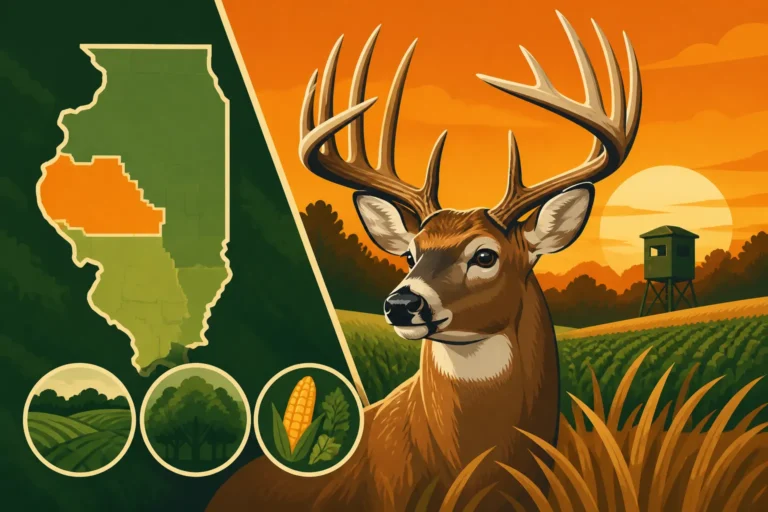
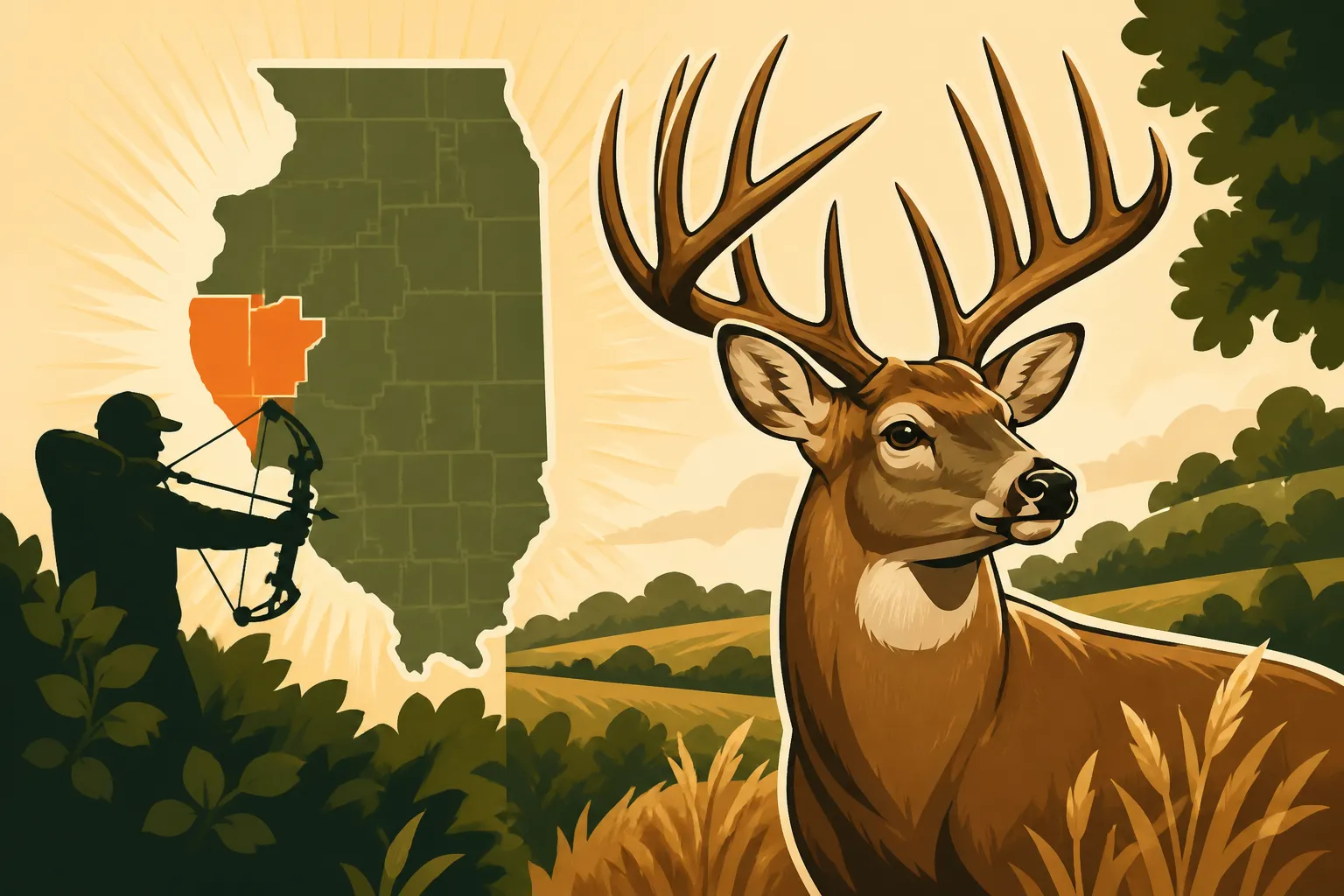
Geographically, Pike County is situated in a sweet spot in West-Central Illinois, bordered on the west by the mighty Mississippi River. This isn't just any river; the Mississippi creates incredible river bottom habitats, with fertile soils, diverse vegetation, and natural travel corridors for deer. The county itself is a fascinating mix of rolling hills, deep ravines, agricultural fields, and dense timber blocks. This varied topography provides everything a whitetail needs: food, water, and plenty of cover. The elevation changes, while not mountainous, are significant enough to create natural funnels and bedding areas that can be highly advantageous for mature bucks looking to avoid pressure. Imagine trying to find a deer in a flat, open field versus navigating a maze of timbered draws and brushy creek bottoms – the latter offers far more sanctuary for an old warrior. Understanding how the Mississippi River Public Hunting Access impacts deer movement is key to appreciating this geography.
Prime Habitat: The Recipe for Monster Whitetails
You can have great genetics, but without exceptional habitat, those genes will never fully express their potential. Pike County's success lies heavily in its prime habitat, which acts like a five-star resort for deer, providing everything they need to thrive and grow old. From abundant food sources to secure bedding areas, the landscape is almost perfectly tailored for producing not just healthy deer, but truly massive ones.
Rich Agricultural Resources
One of the most significant contributors to Pike County's trophy buck production is its incredibly rich agricultural landscape. This region is blanketed with vast fields of corn, soybeans, and alfalfa – a veritable buffet for deer. These crops provide a high-protein, high-energy diet that is absolutely crucial for antler growth and overall body size. Bucks can literally eat their fill from late summer through fall, packing on mass and nutrients. When deer have access to such consistent and nutritious food sources, they don't have to expend as much energy searching for sustenance, allowing more of their biological resources to be diverted to antler development. It’s a stark contrast to areas where food is scarce or less nutrient-dense. This abundance is a major reason Why Pike County Produces So Many Trophy Bucks.
| Crop Type | Nutritional Benefit | Impact on Deer |
|---|---|---|
| Corn (mature) | High Carbohydrate, Energy | Excellent for putting on body fat for winter and late-season antler growth. |
| Soybeans (green) | High Protein, Digestible | Critical for early antler growth and overall body development in spring/summer. |
| Soybeans (dry) | High Protein, Energy | Great late-season food source, especially after harvest, providing vital calories. |
| Alfalfa | High Protein, Minerals | Supports antler growth, milk production for does, and overall herd health. |
| Winter Wheat/Clover | Protein, Green Forage | Provides year-round nutrition, especially important in early spring and late fall. |
Diverse Cover and Sanctuary
Beyond the food, Pike County offers an incredible array of diverse cover that provides mature bucks with the sanctuary they need to survive hunting pressure and reach old age. Think about it: a wise old buck isn't going to spend his days munching on soybeans in a wide-open field. He needs thickets, dense timber, overgrown creek bottoms, and deep ravines where he can bed down, feel secure, and vanish at the first sign of danger. The patchwork of hardwoods, brush, and unharvested areas between agricultural fields creates a perfect hiding ground. This isn't just about survival; it's about minimizing stress. A deer that constantly feels pressured or exposed will not allocate as much energy to antler growth. This diverse cover allows deer to move freely and discreetly, especially during high-pressure seasons like the Illinois First Firearm Season Dates. Hunters often find themselves Hunting Central Illinois Farmland Deer by focusing on these crucial transition zones.
Water Sources and Travel Corridors
Every living creature needs water, and Pike County is crisscrossed with numerous creeks, streams, and small ponds, ensuring that deer always have access to hydration. This might seem like a minor point, but consistent, clean water sources are vital for deer health and metabolism. Furthermore, these water features often create natural travel corridors. Deer will follow creek bottoms, drainage ditches, and timbered draws that lead from bedding areas to food sources and back again. These natural funnels become prime spots for hunters, especially during the rut when bucks are on the move. Knowing how to recognize and set up on these natural pathways, such as Hunting Illinois River Bottom Funnels, can make all the difference. The combination of easy water access and sheltered travel routes reduces energy expenditure for deer, again contributing to their overall health and antler development.
Management Practices and Hunting Pressure
While habitat provides the foundation, human influence plays an undeniable role in cultivating trophy deer. Pike County isn't just naturally blessed; it benefits from deliberate management choices and a unique hunting culture that prioritizes quality over quantity. This isn't always easy, and it often requires discipline, but the results speak for themselves.
Landowner Ethic and Quality Deer Management (QDM)
Perhaps one of the most critical factors is the widespread adoption of Quality Deer Management (QDM) principles by landowners in Pike County. This isn't a universally mandated program; it's an ethic that has been embraced by many, from small private landowners to large outfitters. QDM typically involves three main pillars:
- Protecting Young Bucks: Hunters voluntarily pass on young bucks, allowing them to mature. This is perhaps the single most impactful decision. A buck needs time to grow big antlers, often not reaching its full potential until 4.5, 5.5, or even 6.5 years old.
- Balancing Doe Harvest: Maintaining a healthy buck-to-doe ratio helps reduce stress on the habitat and ensures a more focused rut, which is healthier for the herd.
- Habitat Improvement: Actively managing timber, planting food plots (like clover or brassicas), and creating bedding cover further enhance the deer's environment.
This collective commitment to letting bucks walk has transformed the age structure of the herd, ensuring that more deer live long enough to develop truly impressive racks. When many hunters use tools like GoHunt to scout and plan their hunts, they can identify areas where these QDM practices are likely in place, indicating a higher potential for mature deer.
Balancing Public and Private Land Access
Pike County, like much of Illinois, is predominantly private land. This reality has significant implications for deer management and hunting pressure. While there is some public land, the vast majority of hunting occurs on private properties, often controlled by individual landowners, hunting leases, or professional outfitters. This private ownership allows for more controlled hunting pressure compared to areas with extensive, easily accessible public land. Landowners can decide how many hunters are allowed on their property, for how long, and with what antler restrictions. This selective access means that many areas serve as de facto sanctuaries, allowing deer to mature undisturbed. While this can make it challenging for the average hunter to find access, it's a key part of the formula for large deer. Understanding the Illinois Hunting Lease Costs can give insight into the value placed on these controlled hunting opportunities.
Impact of Outfitting and Lease Culture
The prevalence of outfitters and hunting leases in Pike County also plays a dual role in its trophy buck reputation. On one hand, outfitters are often strong proponents of QDM, as their business depends on producing big bucks for their clients. They invest heavily in habitat management, food plots, and strict antler regulations, ensuring a consistent supply of mature animals. Many outfitters leverage platforms like GoHunt for detailed property analysis and deer movement tracking. This concentrated management on large tracts contributes significantly to the number of older-aged bucks.
On the other hand, the demand for these trophy hunts can drive up lease prices and contribute to a more exclusive hunting culture. However, even with the commercial aspect, the overall effect is often beneficial for the deer herd in terms of age structure and antler quality, as financial incentives align with sound deer management principles. If you're considering a guided hunt, understanding What a Guided Illinois Trophy Deer Hunt Costs will give you a sense of the investment involved in hunting these managed properties.
Genetics and Age Structure: The Biological Edge
At the core of any trophy buck program are two fundamental biological components: genetics and age. You can have the best food and cover in the world, but without the right genetic potential and enough time to grow, a deer will never reach its true antler size. Pike County truly shines in both these aspects.
Superior Genetics in the Herd
While habitat and age are paramount, there's little doubt that the deer herd in Pike County, and indeed across much of Illinois, possesses strong genetic potential for large antlers. Generations of whitetails have bred in this rich environment, passing down genes for superior antler growth. It's not about "super deer" being introduced; it's more about natural selection favoring deer that thrive in this particular environment, leading to a population with robust genetics. When deer are healthy, well-fed, and face minimal stress, their genetic blueprint for antler development can truly express itself. This means that a buck in Pike County, given enough time, often has the inherent ability to grow a bigger, heavier, more complex rack than a buck of the same age in a less optimal environment. Hunters often study Illinois Deer Population Estimate reports and Illinois Deer Harvest Records to gauge the overall health and genetic potential of regional herds.
Allowing Bucks to Reach Maturity
This is arguably the most crucial factor of all. No matter how good the genetics or how abundant the food, a buck cannot grow trophy-class antlers if he doesn't live long enough. Antler growth is directly correlated with age, with bucks typically reaching their peak antler size between 4.5 and 7.5 years old. In Pike County, the combination of extensive private land, QDM practices, and perhaps even savvy deer that learn to avoid pressure, means that a higher percentage of bucks survive into these older age classes.
When hunters on managed properties consistently pass on 1.5-year-old and 2.5-year-old bucks, those animals get the chance to return year after year, adding inches and mass to their racks. A 3.5-year-old buck might be a nice deer, but a 5.5-year-old buck is often in a different league entirely. This commitment to letting young bucks walk is a testament to the patient hunter and the dedicated landowner, and it's why Pike County has earned its reputation. For those looking to maximize their odds, using advanced scouting tools like GoHunt to understand terrain and historical deer movement can help you target areas with older age-class bucks. Recognizing When the Illinois Rut Peaks is also critical for targeting mature bucks when they are most active.
Disclaimer
This article is for general informational purposes only and does not constitute professional advice. Laws, prices and regulations vary by location and change over time. Consult a qualified professional for guidance on your specific situation.