Illinois Coyote Diet in Farm Country
Understanding what coyotes eat in Illinois farm country is a common puzzle for many hunters and landowners. You might observe coyotes patrolling field edges or hear their distinct calls at night, leaving you to wonder what sustenance they're actually finding out there. This guide aims to pull back the curtain on the diverse and often surprising diet of the Illinois coyote, offering insights into their opportunistic feeding habits and how they thrive in our agricultural landscapes.
The Opportunistic Hunter: Why Coyotes Thrive in Farmland
Coyotes are incredibly adaptable creatures, a trait that allows them to flourish in a wide range of environments, from wilderness areas to suburban fringes, and especially throughout Illinois's vast agricultural regions. They aren't picky eaters, which is a significant advantage when food sources can fluctuate due to seasons, farming practices, or prey population cycles. In farm country, where habitats can be fragmented and food chains altered by human activity, this adaptability makes the coyote a highly successful predator.
Their keen senses and intelligence allow them to exploit nearly every food opportunity that arises. This means they are constantly on the lookout, whether it's for a scurrying mouse in a freshly tilled field, a forgotten apple under a tree, or even the remnants of a deer carcass left behind by hunters or a vehicle collision. It's a testament to their survival instincts that they can pivot their diet so readily, consuming whatever is most abundant and easiest to acquire. This opportunistic nature is key to understanding Illinois Coyote Range and Density and how they've become such a pervasive presence.
Exploiting the Agricultural Landscape
Illinois's farm country offers a unique blend of resources that coyotes are exceptionally good at tapping into. While vast fields of corn and soybeans might seem like a food desert at first glance, they actually provide critical shelter and foraging opportunities. During the growing season, these fields become dense cover for small mammals, birds, and insects, all of which are on the coyote's menu. Come harvest time, the sudden removal of cover can expose prey, making them easier to hunt, while spilled grains and crop residues become an unexpected food source.
Beyond the row crops, the ditches, fencerows, and small woodlots that dissect farm fields are vital corridors and habitat. These linear features often concentrate prey, creating natural hunting grounds for coyotes. A dense fencerow might be home to a family of rabbits, while a small pond in a pasture can attract frogs and waterfowl. Coyotes know these areas intimately and use them to their full advantage, traveling along them unseen and ambushing unsuspecting prey. Understanding these patterns is critical for effective management or hunting, as discussed in Coyote Calling in Illinois Farm Country.
The Benefits of a Diverse Diet
Unlike highly specialized predators that rely on one or two main prey species, coyotes cast a wide net when it comes to their diet. This diversity is a major factor in their resilience. If one food source becomes scarce, they simply shift their focus to another. For instance, a poor mast crop year might mean fewer acorns for deer and squirrels, but coyotes can pivot to eating more rodents or insects. This prevents them from suffering drastic population declines due to a lack of a single food item, making them incredibly robust.
This dietary flexibility also means they can exploit seasonal gluts of certain foods. When fruit trees drop their harvest in late summer, coyotes will readily consume fallen apples or berries. When insect populations boom, especially grasshoppers or cicadas, they'll spend time gleaning these protein-rich morsels. This constant adaptation to what's available ensures they maintain energy levels and successfully reproduce, contributing to their widespread presence across the state.
Primary Food Sources in Illinois Farm Country
In the heart of Illinois's agricultural expanses, a coyote's diet is largely dictated by what's most readily available and energy-efficient to obtain. While they're known for their adaptability, certain categories of food consistently make up the bulk of their meals, proving time and again to be the backbone of their survival in these human-modified landscapes.
Small Mammals: The Staple of the Coyote Diet
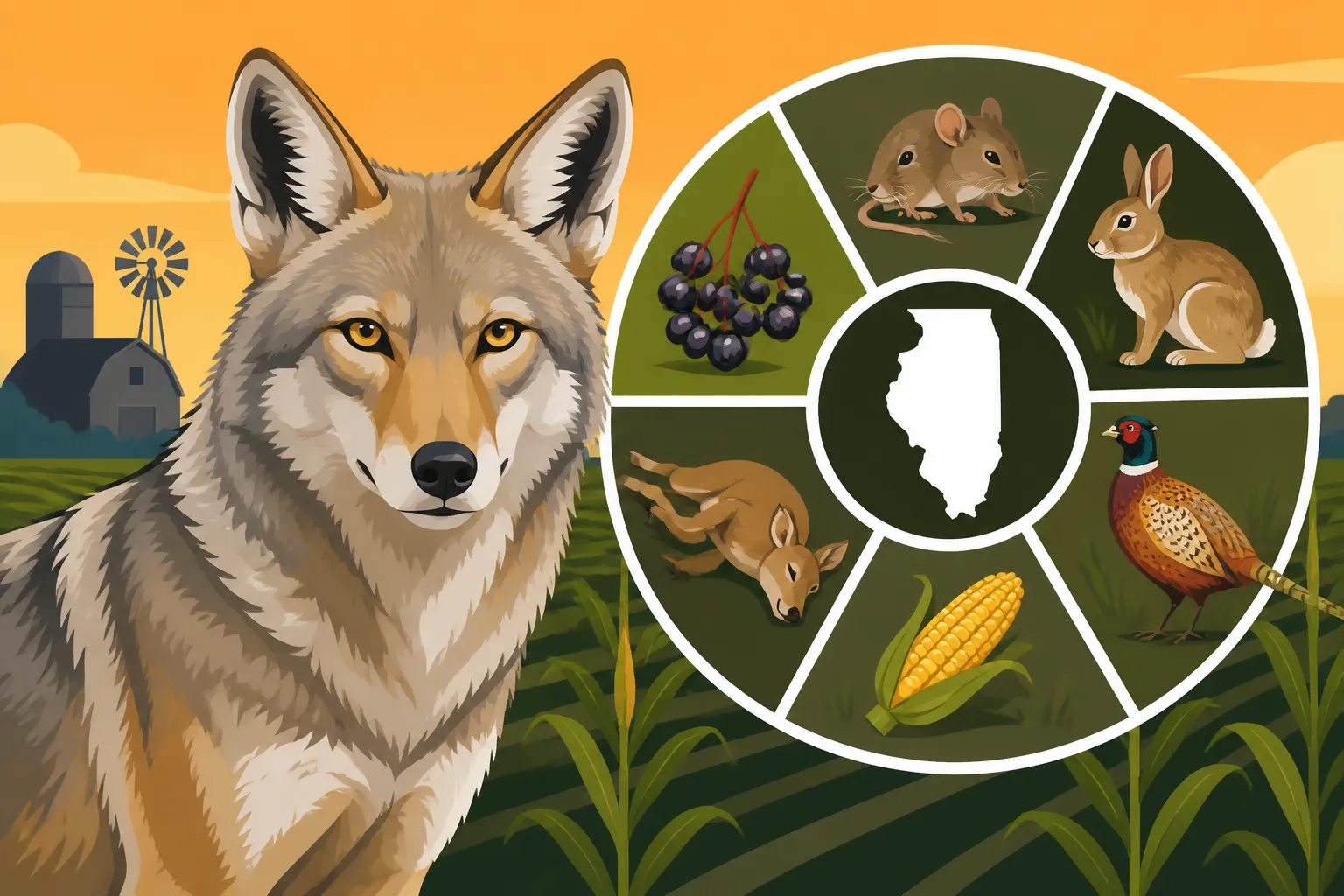
When you talk about a coyote's primary food source in Illinois farm country, small mammals are undeniably at the top of the list. These animals are abundant, reproduce quickly, and provide a consistent source of protein and fat. Voles, mice, shrews, and other rodents often make up a significant portion of a coyote's stomach contents. These little guys thrive in the grassy borders of fields, crop stubble, and drainage ditches, places coyotes frequent. A single coyote can consume dozens of these rodents in a night, making them an incredibly efficient food source.
Beyond the tiny rodents, larger small game animals like cottontail rabbits are also critically important. Rabbits are widespread across Illinois, preferring brushy fencerows, field edges, and overgrown areas that break up large agricultural fields. Coyotes are adept at hunting rabbits, using their keen sense of hearing and smell to pinpoint them in thick cover. A single rabbit can provide a substantial meal, and their presence directly influences where coyotes establish their territories. This is why understanding Illinois Rabbit Hunting Thick Illinois Brush can also offer insights into coyote hunting spots. Groundhogs, another common sight in Illinois, also fall prey to coyotes, especially when they emerge from their burrows to feed on crops.
Insects and Fruits: Surprising Supplements
While you might envision coyotes as pure carnivores, their diet in farm country is surprisingly diverse, incorporating a significant amount of insects and fruits, especially during specific times of the year. During the warmer months, when insect populations explode, coyotes will readily consume large quantities of grasshoppers, beetles, and even cicadas. These provide an easy source of protein and moisture, requiring less energy to catch than a quick-footed rabbit. It's not uncommon to find insect remnants in coyote scat during late summer.
As summer transitions to fall, and into early winter, fruits become an important dietary component. Wild berries, persimmons, apples from abandoned orchards, and even cultivated fruits that have fallen to the ground offer a sugary energy boost. Coyotes will actively seek out these sources, showing just how non-specialized their palates truly are. These plant-based foods, along with occasional grasses, contribute to a well-rounded diet, helping to supplement their meat intake when hunting success is low.
Scavenging and Opportunistic Predation: Deer and Livestock
It's a common misconception that coyotes are solely responsible for decimating deer herds or livestock. While they certainly can and do prey on vulnerable deer, especially fawns, and occasionally livestock, a significant portion of their consumption of larger animals comes from scavenging. In Illinois farm country, roadkill deer are a frequent find, and coyotes are quick to exploit this free meal. After hunting seasons, gut piles and discarded carcasses also become valuable food sources. Understanding this scavenging behavior helps us interpret observations of coyotes around larger animals.
When it comes to deer, coyotes are primarily fawn predators. They target young, vulnerable fawns during the spring and early summer when they are still developing their escape instincts. However, healthy adult deer are usually too fast and strong for a lone coyote. While a pack might be able to take down a weakened or injured adult, this is less common than often imagined. For farmers, livestock predation, particularly on smaller animals like chickens, lambs, or young calves, can be a serious concern. However, often, instances of livestock damage attributed solely to coyotes can also involve feral dogs or a combination of factors. This leads to crucial discussions about Illinois Predator Impact on Fawn Recruitment and how to best manage conflicts with livestock.
Seasonal Shifts and Adaptability in Diet
The beauty of a coyote's survival strategy in Illinois farm country lies in its ability to adapt its diet with the changing seasons. What they eat in the lush bounty of summer looks quite different from their winter menu, and understanding these shifts is key to comprehending their ecological role and behavior.
Spring and Summer Bounty
When spring arrives in Illinois, bringing with it new growth and a burst of life, the coyote's menu expands dramatically. This is the season of birth for many prey species, meaning an abundance of young, vulnerable animals. Small mammal populations, like voles and mice, begin to boom, providing easy pickings for hungry coyotes. Bird nests become targets, with eggs and nestlings offering a high-protein meal. Illinois Small Game and Furbearers are generally most vulnerable during these early life stages.
Most notably, spring and early summer are fawn season for white-tailed deer. While adult deer are typically too agile for coyotes, newborn fawns, with their limited mobility and reliance on camouflage, are highly susceptible. Coyotes will actively search for fawns bedded down in tall grass, woodlots, or even crop fields. This period is critical for coyote pups, as a consistent food supply helps them grow rapidly. As summer progresses, the diet becomes even more varied with the emergence of insects and the ripening of early fruits and berries.
Autumn's Harvest and Winter Scarcity
As Illinois transitions into autumn, the agricultural landscape changes dramatically, and so does the coyote's diet. The harvest of corn and soybeans removes dense cover, exposing rodents and rabbits, making them easier to hunt. This can be a boon for coyotes, as they can more efficiently stalk and capture prey in open fields. However, with winter approaching, food sources will become scarcer. This is when the opportunistic nature of the coyote truly shines, as they become even more reliant on whatever they can find.
Winter presents the biggest challenge. Deep snow can make hunting small mammals difficult, and plant-based foods become non-existent. This is when coyotes become prime scavengers. They'll actively seek out roadkill, as well as the carcasses of deer that have died from disease, injury, or severe weather. Late-Season Food Sources for Illinois Whitetails are often prime spots for coyotes to hunt or scavenge, as deer will congregate around remaining forage. Hunter-killed deer that aren't immediately recovered can also provide a meal. This scarcity often forces coyotes to travel greater distances in search of food and can sometimes lead to increased pressure on weakened or diseased animals. Using mapping tools like GoHunt can help identify potential travel corridors and food sources during these tougher months.
Minimizing Conflicts and Understanding Coyote Behavior
While coyotes are a natural part of the Illinois ecosystem, their presence in farm country can sometimes lead to concerns for landowners, particularly regarding livestock or small game populations. Understanding their diet and behavior is the first step in coexisting or managing their numbers effectively.
Protecting Livestock and Poultry
For farmers, the most pressing concern regarding coyote diet often revolves around the safety of their livestock. While coyotes generally prefer wild prey, they are opportunistic and will take advantage of easy targets like unprotected chickens, lambs, or even young calves. Implementing preventative measures is usually more effective than reactive responses. Strong, predator-proof fencing, especially electric fencing, can be a significant deterrent around pastures and poultry pens. Donkeys or llamas are sometimes used as guard animals, as their inherent protectiveness can ward off coyotes.
Proper disposal of carcasses and securing feed can also reduce attraction. Leaving dead animals in pastures can draw coyotes to the area, increasing the risk to live stock. Similarly, spilled grain or pet food left outdoors can become a regular food source, habituating coyotes to human-occupied areas. When planning land use or managing property, considering these factors can significantly reduce the likelihood of conflict. Tools like GoHunt can help landowners visualize their property's vulnerabilities, identifying areas where improved fencing or deterrents might be most effective.
Impact on Game Species and Habitat Management
Coyotes undeniably impact populations of small game and deer in Illinois, but their role is complex. While they do prey on rabbits, pheasants, and deer fawns, they also help control rodent populations, which can consume significant amounts of agricultural crops and compete with game for food. The overall health of game populations is often more influenced by habitat quality and weather patterns than by coyote predation alone. A robust habitat with plenty of cover and food sources typically means healthy prey populations that can withstand some predation.
Hunters and land managers often seek to reduce coyote numbers to boost game populations, and there are various methods to do so, from trapping to calling. Understanding what coyotes are currently eating in your specific area can inform your hunting strategy. For example, if you know they're heavily keying in on rabbit populations in thickets, those might be prime areas for setting traps or calling. For more on hunting these predators, check out Predator Calling Southern Illinois Ridgelines. Remember, balance is key; coyotes play a natural role, and complete eradication is rarely feasible or beneficial for the ecosystem.
Coyote Diet in Illinois Farm Country: A Summary Table
To help visualize the broad spectrum of a coyote's diet in Illinois farm country, here's a breakdown of common food items and their seasonal availability:
| Food Category | Examples | Primary Season(s) | Typical Contribution to Diet | Notes |
|---|---|---|---|---|
| Small Mammals | Mice, voles, shrews, rabbits, groundhogs | Year-round | High | Staple food; especially critical in winter. |
| Insects | Grasshoppers, beetles, cicadas | Spring, Summer | Moderate to High | Excellent protein source during population booms. |
| Fruits & Berries | Wild berries, persimmons, apples, grapes | Late Summer, Fall | Moderate | Important for energy, especially before winter. |
| Deer | Fawns, carrion (roadkill, hunter waste) | Spring (fawns), Year-round (carrion) | Moderate | Scavenging is more common than adult predation. |
| Birds | Ground-nesting birds, eggs, young birds | Spring, Summer | Low to Moderate | Vulnerable during nesting and fledgling stages. |
| Reptiles/Amphibians | Frogs, snakes, turtles (occasionally) | Spring, Summer | Low | Opportunistic; taken when encountered. |
| Livestock/Poultry | Chickens, lambs, young calves (unprotected) | Year-round | Low (but can be localized) | Usually opportunistic, targets vulnerable animals. |
| Grains/Vegetation | Spilled corn/soybeans, grasses (minor) | Fall, Winter | Low to Moderate | Scavenged from fields, minimal nutritional value. |
This table clearly shows the flexibility of the coyote's diet, shifting from abundant live prey in warmer months to more scavenging and opportunistic feeding during leaner times. For hunters looking to understand game dynamics, monitoring Illinois Wildlife Disease Monitoring can also provide context for the availability of easy meals for coyotes.
Disclaimer
This article is for general informational purposes only and does not constitute professional advice. Laws, prices and regulations vary by location and change over time. Consult a qualified professional for guidance on your specific situation.