How Many Deer Have Tested CWD-Positive in Illinois
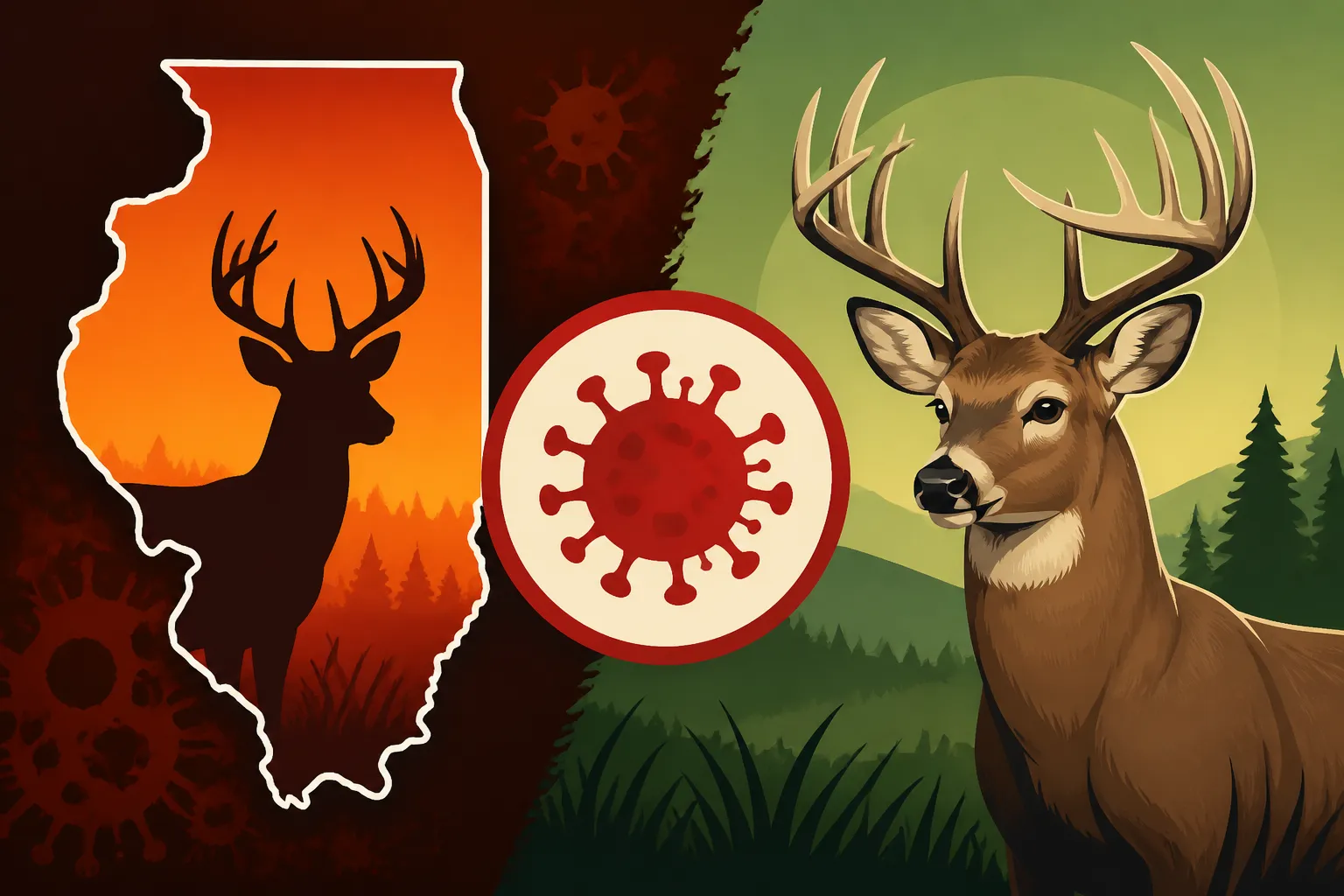
The discovery of Chronic Wasting Disease (CWD) in Illinois deer populations has been a source of anxiety and frustration for hunters for a long time. It raises questions not just about the health of our beloved whitetail herd, but also about the safety of the venison we harvest and the future of our hunting traditions. Understanding the scale of this problem, specifically how many deer have tested positive, is crucial for Illinois hunters to make informed decisions and contribute to the ongoing management efforts. This guide will walk you through the history of CWD in Illinois, discuss the cumulative number of positive cases over the years, and explain what these figures mean for you as a hunter in the Prairie State.
The First Alarms: CWD's Arrival in Illinois
It feels like yesterday, but it's been a significant period since CWD first cast its shadow over Illinois. For many of us, the news felt like a gut punch, a new threat to an already challenging pursuit. The disease was initially detected in northern Illinois way back in 2002. This wasn't some isolated incident in a remote corner of the state; it was found in a captive deer facility in Boone County, a place that quickly became known as Why Boone County Became Ground Zero for CWD. The immediate concern was, of course, whether it had already jumped to our wild deer. Sadly, it hadn't taken long for that fear to become a reality.
The Illinois Department of Natural Resources (IDNR) acted swiftly, initiating an aggressive surveillance and management program. They began testing wild deer in the surrounding areas, and it wasn't long before positive cases started appearing in the free-ranging herd. This initial spread was a critical moment, confirming that CWD was no longer just a hypothetical threat but a very real challenge facing our state's deer. It sparked discussions about herd health, potential impacts on hunting, and the long-term commitment needed to manage this insidious disease. The early days were marked by intense monitoring, targeted culling efforts in some areas, and a massive education campaign to get hunters involved in submitting samples.
This wasn't just a biological problem; it was an emotional one for many of us who cherish Illinois's rich hunting heritage. The idea that something could slowly decimate the deer population, or make our venison unsafe, was unsettling to say the least. Hunters became key partners in the fight, often providing the very samples needed to track the disease's movement and prevalence.
Tracking the Cumulative Numbers: A Long-Term Battle
When we talk about "how many deer have tested CWD-positive in Illinois," it’s important to understand that this isn't a static number that gets updated once a year and then stays fixed. CWD is a persistent, chronic disease, and the number of positive cases in Illinois has been steadily accumulating since that first detection in 2002. Think of it as a running tally, a cumulative total that reflects the ongoing battle against this disease. While it's crucial to always check the official IDNR website for the most current figures, the overarching trend shows a concerning increase in detected cases over the decades.
From those initial few positives in Boone County, the number has unfortunately grown into the thousands. This growth reflects a combination of factors: the slow but relentless spread of the disease itself, and enhanced surveillance efforts by the IDNR, often supported by dedicated hunters. Every year, during the various deer seasons – archery, firearm, muzzleloader, and youth hunts – thousands of deer samples are collected, primarily from CWD-management zones. Each positive test adds to that cumulative total, painting a clearer, albeit sometimes grim, picture of the disease's footprint.
The majority of these positive cases have historically been concentrated in the northern part of the state, particularly in counties around the original detection site. However, over time, the disease has slowly but surely expanded its range. While the prevalence rate might still be relatively low in many areas, the cumulative number underscores that CWD is not going away on its own. It's a long-haul challenge, and the number of positive tests reflects our state's ongoing commitment to tracking its progression. This cumulative count is vital for biologists to understand the overall trajectory and impact of the disease across Illinois.
The Geography of CWD Positives
The distribution of CWD positive deer isn't uniform across Illinois, which is why understanding the geography of the disease is as important as the raw numbers. The IDNR divides the state into zones, and some counties are designated as CWD-management areas due to confirmed positive cases. The focus of surveillance and testing naturally intensifies in these areas.
Historically, the highest concentrations of CWD-positive deer have been found in the northern Illinois counties that form the core of the CWD management zone. Counties like Boone, Winnebago, McHenry, and DeKalb have consistently shown higher prevalence rates. Over the years, surveillance has expanded, and unfortunate new positives have emerged further south, indicating a slow creep of the disease into previously unaffected areas. This southward spread is a particular concern for biologists and hunters alike, as it brings CWD closer to regions with different deer densities and habitats, potentially changing the dynamics of the disease. You can dive deeper into this by looking at Illinois CWD Prevalence in the Northern Zone or understanding How CWD Spread From Boone County.
For hunters, this means that even if the overall statewide numbers seem high, the risk and regulations can vary significantly depending on where you hunt. A hunter pursuing deer in deep southern Illinois might have different concerns and requirements than one hunting in a northern CWD hot zone. Staying informed about your specific hunting county and its CWD status is paramount. Resources like GoHunt can be immensely helpful for hunters looking to quickly determine if their target hunting area is within a CWD-affected county and what specific regulations might apply there.
The Role of Hunter Submissions
It’s easy to look at the statistics and feel overwhelmed, but it’s crucial to remember that every single positive CWD test represents a collected sample, and a significant portion of those samples come directly from hunters. Without hunter participation, our understanding of CWD's spread and prevalence would be severely limited. The IDNR relies heavily on hunters voluntarily submitting heads from harvested deer for testing, especially in designated CWD-management zones. This partnership between the state agency and the hunting community is the backbone of Illinois's CWD surveillance program.
Think about it: during deer firearm seasons, check stations are set up, and hunters are encouraged, and sometimes even mandated, to bring their deer in for testing. During archery season, specific drop-off locations are often available. This isn't just a bureaucratic hurdle; it's a vital contribution to scientific data collection. Each submitted sample helps biologists map the disease, identify new hot spots, and track Illinois CWD Prevalence Rate Trends. Your decision to participate directly impacts the accuracy of the CWD data and, by extension, the effectiveness of management strategies. It’s a tangible way to give back to the resource we all cherish.
The Broader Picture: What These Cumulative Numbers Mean for Hunters
So, what does this cumulative total of thousands of CWD-positive deer really mean for you, the individual hunter in Illinois? It means a few significant things that directly impact how we hunt, how we handle our harvests, and how we think about the future of deer hunting. This isn't just about statistics; it's about practical considerations in the field.
First and foremost, it means heightened awareness and responsibility. If you're hunting in or near a CWD-affected county, it's not enough to just know the season dates and bag limits. You also need to be keenly aware of CWD regulations, which are designed to slow the spread of the disease. These rules often include mandatory CWD testing in certain areas and restrictions on how you can transport deer carcasses. Neglecting these rules not only puts you at risk of fines but, more importantly, could contribute to the further spread of CWD.
Secondly, it means a continued focus on herd health. While CWD may not immediately decimate a deer population like some other diseases, its long-term effects on herd dynamics, age structure, and overall health are a serious concern. The cumulative positive numbers serve as a constant reminder that this is an ongoing battle that requires our collective vigilance. We need healthy deer for healthy hunting, and CWD is a direct threat to that. Tools like GoHunt can provide alerts and critical updates on disease management news, helping you stay connected to the health of the herd you pursue.
Navigating CWD Regulations and Mandatory Testing
The presence of CWD, and the accumulation of positive cases over time, has directly led to specific hunting regulations that hunters in Illinois need to understand and follow. These aren't suggestions; they are rules implemented to combat the disease. One of the most significant impacts is the institution of mandatory testing in certain CWD-management counties. This means if you harvest a deer in one of these designated areas, you are required to submit a sample for CWD testing. This can involve bringing the deer to a check station during firearm season or utilizing designated drop-off sites during archery season. Understanding Mandatory Testing Inside an Illinois CWD County is not optional.
Beyond mandatory testing, there are also strict Illinois Carcass Movement Restrictions. If you harvest a deer in a CWD-positive county, you often cannot transport the entire carcass out of that county or state. This is to prevent the physical movement of the prions (the infectious agents of CWD) to new, unaffected areas. Typically, only deboned meat, antlers attached to a clean skull plate, or taxidermy-ready hides are allowed to cross county lines out of CWD zones. These rules can be a hassle, especially for non-resident hunters or those traveling long distances, but they are absolutely critical to preventing further disease spread.
Staying on top of these regulations can feel like a moving target, as zones and rules can be adjusted based on surveillance data. Regularly checking the IDNR website is crucial, but apps like GoHunt can also be a handy reference for quick information about CWD zones and regulations while you're in the field or planning your trip.
Ongoing Efforts and Hunter Participation
The fight against Chronic Wasting Disease in Illinois is far from over, and it's a marathon, not a sprint. The continued accumulation of CWD-positive deer in the state emphasizes the need for ongoing efforts from both wildlife agencies and the hunting community. It's a testament to the IDNR's dedication that they have been tracking this disease for over two decades, as seen in Illinois's Twenty-Three Year Fight Against CWD.
The IDNR consistently conducts surveillance, research, and outreach programs to monitor the disease. They analyze the data from submitted samples to understand prevalence rates, geographical spread, and potential impacts on deer populations. This scientific work is the foundation of all management strategies. However, these efforts would be significantly hampered without the active participation of hunters.
Every hunter who submits a deer head for testing, adheres to carcass movement restrictions, and reports unusual or sick deer plays a direct role in the collective effort. Finding an Illinois CWD Sampling Location might add a few minutes to your harvest process, but it's an invaluable contribution to the health of the herd. Reporting sick deer you encounter in the wild, which might be showing signs like emaciation, excessive drooling, or neurological issues, is also crucial for early detection of new cases and Illinois Wildlife Disease Monitoring. This commitment to stewardship is what will ultimately determine our ability to manage CWD in the long term.
Hunter's Role in Future Management
As hunters, our responsibility extends beyond simply harvesting an animal. It includes being stewards of the resource and active participants in its management. When it comes to CWD, this means staying informed, complying with regulations, and contributing data. We are literally the frontline in the ongoing surveillance.
One way to contribute is by utilizing available CWD testing resources. If you hunt in a CWD-affected county, make it a priority to get your deer tested. Information on Illinois CWD Testing for Hunters is readily available through the IDNR. Even if you're not in a mandatory testing zone, if you have concerns, voluntary testing is often an option and provides valuable data. Your participation helps biologists understand not just how many deer are positive, but where they are positive, allowing for more targeted management efforts.
Furthermore, advocating for sound wildlife management policies that prioritize herd health and disease prevention is essential. This includes supporting funding for IDNR's CWD programs and staying engaged in discussions about management strategies. While the decision to end targeted sharpshooting in some areas, as discussed in What Ending Sharpshooting Means for Hunters, marked a shift in strategy, the need for hunter involvement in surveillance remains paramount. Our collective actions, informed by accurate data and a commitment to conservation, are the best tools we have to face the challenges CWD presents to Illinois's cherished whitetail herd.
Hunter Actions in CWD Zones
| Action | Purpose | Key Information Source |
|---|---|---|
| Check County CWD Status | Determine if hunting area is within a CWD management zone | IDNR website, official hunting guides, mapping tools like GoHunt |
| Mandatory Testing Compliance | Contribute to disease monitoring and surveillance | Designated check stations, drop-off sites, IDNR CWD program details |
| Carcass Movement Restrictions | Prevent the physical spread of CWD prions | IDNR guidelines for CWD-positive counties, detailed in annual hunting summaries |
| Report Sick Deer | Aid in early detection of new CWD cases or clusters | IDNR hotline, local conservation police, wildlife biologists |
| Clean Equipment Thoroughly | Minimize potential prion transfer between locations | Best practices for deer processing and field hygiene |
| Stay Informed | Understand evolving regulations and scientific findings | IDNR publications, reputable hunting news sources, conservation organization updates, GoHunt |
Disclaimer
This article is for general informational purposes only and does not constitute professional advice. Laws, prices and regulations vary by location and change over time. Consult a qualified professional for guidance on your specific situation.