Illinois Woodcock Singing Ground Surveys
If you've ever walked through a damp, brushy woodland in early spring, right around dusk, you might have heard a peculiar "peent!" call followed by a whistling flight and then a series of chirps as a bird performs a mesmerizing aerial display. That, my friends, is the American woodcock, and these fascinating birds are the subject of critical research through Illinois Woodcock Singing Ground Surveys. For hunters and conservationists alike, understanding these surveys is key to appreciating the health of our woodcock populations and the future of migratory bird hunting in the state.
What are Woodcock Singing Ground Surveys?
Woodcock singing ground surveys are a standardized method used across the eastern and central United States to monitor the population status of American woodcock. These quirky, long-billed migratory birds are a beloved, albeit sometimes overlooked, game species, and these surveys give us vital clues about their breeding success and overall numbers. Without these dedicated efforts, it would be incredibly difficult to track a species that, while not rare, is certainly elusive and specialized in its habitat needs.
The Purpose Behind the "Peent"
The primary goal of the singing ground surveys is to provide long-term population trend data. Think of it like a yearly census for woodcock. Biologists and trained volunteers drive specific routes during the woodcock's breeding season, listening for the distinctive "peent" calls made by male woodcock. Each call represents a male establishing his territory and attempting to attract a mate. By counting these calling males year after year, wildlife agencies can identify whether populations are increasing, decreasing, or remaining stable. This information is absolutely crucial for setting hunting seasons and bag limits, as well as for identifying areas where habitat conservation efforts are most needed. It helps ensure that we can continue to enjoy the spectacle of their courtship and the challenge of hunting them for generations to come.
Anatomy of a Woodcock's Aerial Display
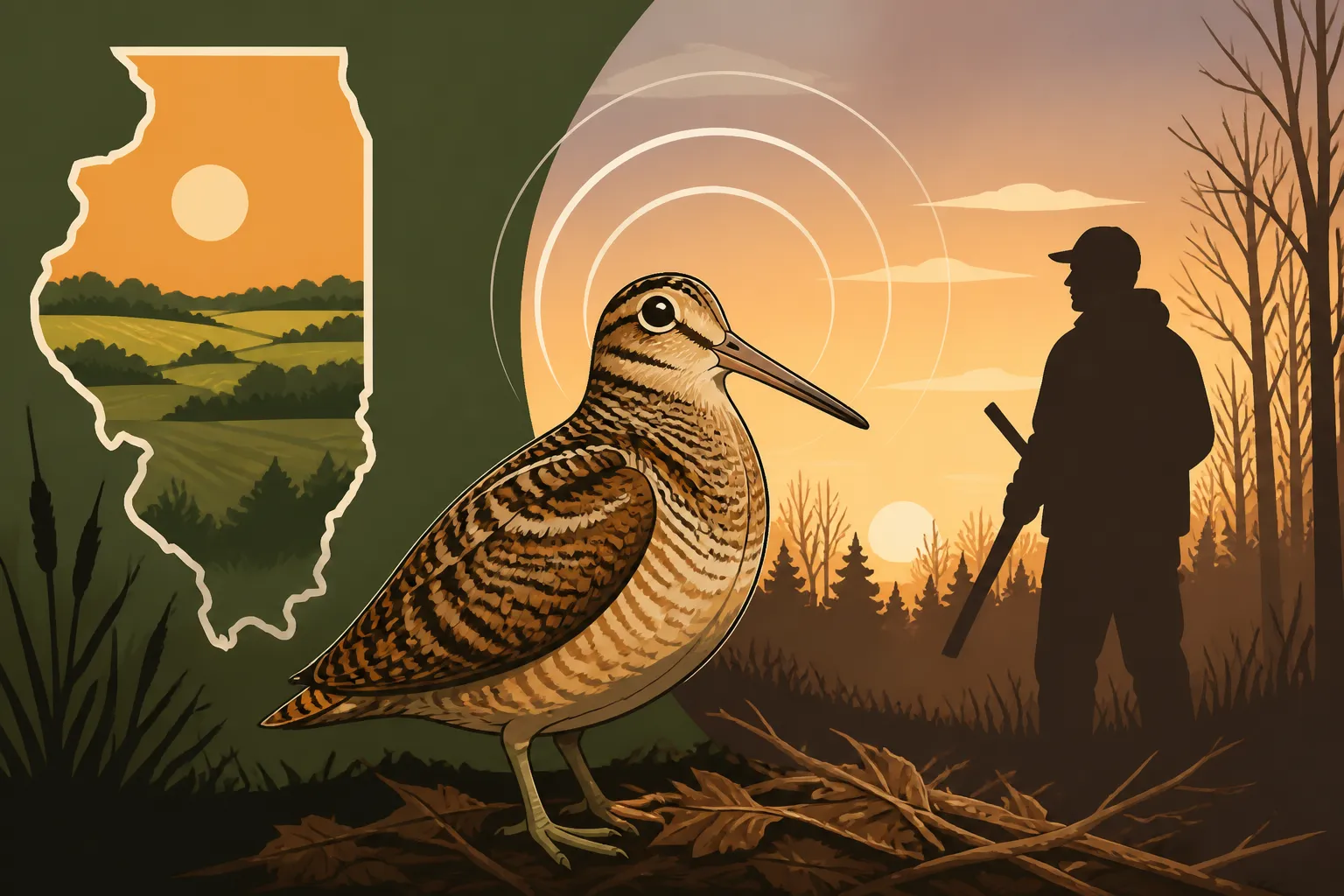
The "singing ground" isn't really a song in the traditional sense, but rather a complex courtship ritual. As dusk settles, male woodcock emerge from dense cover into small clearings or open spots, known as singing grounds. They begin with that loud, nasal "peent" call from the ground. Then, with an explosive burst of wings, they spiral upwards, often hundreds of feet into the air, creating a unique, twittering whistle with their specialized wing feathers. At the peak of their flight, they hover momentarily before descending in a zig-zag pattern, uttering a liquid, chirping song as they fall back to earth, typically landing near where they started. This entire sequence is repeated every few minutes. The sound and visual display are unmistakable once you've witnessed it, and it's this very predictable, ground-based "peenting" that allows surveyors to effectively count them. It’s a true marvel of the bird world, and quite a sight for anyone lucky enough to observe it.
How Illinois Conducts These Vital Surveys
Illinois plays a significant role in these continent-wide surveys, as our state sits right in the heart of the woodcock's breeding range. The Illinois Department of Natural Resources (IDNR), often with the help of dedicated volunteers, coordinates these efforts to contribute to the national understanding of woodcock populations. It's a testament to long-term wildlife management that these surveys have been consistently conducted for decades, providing an invaluable dataset.
The Dedicated Survey Routes
The surveys are conducted along established roadside routes, each approximately 3.6 miles long with 10 listening stops. These routes are carefully selected to pass through areas of suitable woodcock breeding habitat, such as young forests, thickets, and old fields. Surveyors drive to each of these 10 stops, park their vehicle, and listen intently for two minutes for any "peenting" woodcock. They record the number of individual males heard at each stop. This standardized approach ensures that the data collected across different routes and by different observers is consistent and comparable. It's a quiet, patient process that demands a keen ear and a commitment to the mission. The routes themselves are often in rural areas, taking surveyors through some of the state's lesser-traveled backroads, offering a unique glimpse into Illinois's wilder side.
Timing is Everything for Data Accuracy
The timing of these surveys is absolutely critical for obtaining accurate data. Woodcock singing ground surveys are typically conducted in the spring, primarily from late March through mid-May, after the birds have migrated north to their breeding grounds but before the foliage becomes too dense to obscure sounds. More specifically, they are usually conducted within 40 minutes after sunset. This narrow window is chosen because it's when male woodcock are most actively performing their courtship displays. Weather conditions are also a major factor; surveys are only conducted on clear, calm evenings with little to no wind and mild temperatures. Rain, heavy wind, or cold snaps can suppress woodcock activity, leading to inaccurate counts. Therefore, surveyors often have a tight schedule, waiting for optimal conditions to hit their routes, sometimes having only a few prime evenings to complete their assigned sections.
Here’s a general overview of typical survey conditions:
| Aspect | Ideal Conditions | Impact on Survey |
|---|---|---|
| Season | Late March – Mid-May (Spring) | Peak breeding activity, birds established on territory |
| Time of Day | 20-40 minutes after sunset | Maximum male woodcock calling activity |
| Temperature | Above 40°F (4°C) | Warmer temperatures encourage activity |
| Wind Speed | Light or no wind (under 8 mph) | Prevents sound distortion and enhances hearing |
| Precipitation | No rain, light fog acceptable | Rain suppresses activity and muffles sound |
| Cloud Cover | Clear or partly cloudy is fine | No direct impact, but can affect temperature |
| Lunar Phase | No significant impact, but dark nights can feel more active | Not a primary factor for accuracy |
Volunteer Efforts and Scientific Rigor
While IDNR biologists oversee the program and analyze the data, a significant portion of the fieldwork is often carried out by dedicated volunteers. These are often experienced birdwatchers, hunters, or other conservation-minded individuals who understand the importance of scientific data collection. Volunteers undergo training to ensure they can correctly identify woodcock calls and follow the standardized survey protocols precisely. Their contributions are invaluable, extending the reach of the surveys across a broader geographic area than agency staff could cover alone. This collaborative effort between citizens and professional biologists is a hallmark of successful wildlife management and conservation. It demonstrates that a passion for the outdoors, combined with a commitment to scientific methodology, can yield powerful insights into species like the American woodcock. Illinois Wildlife Disease Monitoring also relies on public input for certain observations, showing how important citizen scientists are.
Decoding the Data for Illinois Hunters
For those of us who enjoy Squirrel and Small Game Hunting in Illinois, understanding the results of the woodcock singing ground surveys is more than just academic curiosity. It provides real, tangible insights into the health of a species we pursue and can even inform our scouting and hunting strategies. While woodcock might not generate the same buzz as trophy deer, they offer a unique and challenging hunting experience, and keeping an eye on their populations is vital for future opportunities.
Understanding Population Trends
The annual reports, often released by the U.S. Fish and Wildlife Service, synthesize the data from all participating states, including Illinois. These reports detail long-term population trends, providing crucial context. For example, if the survey data consistently shows a decline over a decade, it signals a need for increased conservation efforts or adjustments to hunting regulations. Conversely, stable or increasing trends offer reassurance that current management strategies are effective. For hunters, knowing these trends helps manage expectations and highlights the importance of ethical hunting practices and supporting habitat initiatives. We all want healthy game populations, and these numbers give us the scientific basis to understand what's truly happening out in the woods. You can often find summaries of these findings in the Reading an Illinois Harvest Report for migratory birds.
Habitat Insights for Better Hunting
Woodcock are habitat specialists, preferring young, successional forests, alder thickets, and moist bottomlands with rich soil that supports their primary food source: earthworms. The survey routes themselves, by necessity, traverse these types of areas. If a route consistently shows low counts, it might indicate a localized decline in suitable habitat due to forest maturation, development, or changing land use. This knowledge can indirectly guide hunters toward areas that do possess the ideal habitat conditions. When you're out Scouting Illinois Public Land Before Season for deer, keep an eye out for these moist, brushy areas, especially in places like Hunting Illinois Bottomland Hardwoods. These could be prime woodcock spots. Many hunters use mapping tools, like those offered by GoHunt, to analyze satellite imagery and topographic maps to pinpoint areas with dense, early-successional cover and proximity to water or damp soil – exactly the kind of places woodcock love to "peent." Identifying these characteristics on a map can be a real game-changer for finding good hunting grounds.
Planning Your Woodcock Hunt in Illinois
While woodcock are migratory, and their exact presence can vary with weather patterns and migration timing, understanding the general health of the breeding population in Illinois can still inform your hunting strategy. A robust local breeding population generally means more birds are produced in the state, potentially leading to better local hunting opportunities during the season. However, woodcock hunting in Illinois often relies heavily on migratory birds passing through. This means that a strong breeding population in northern states and Canada, combined with good habitat here in Illinois, are both important factors. Your best bet for hunting woodcock is often to target the first major cold front of fall, which pushes birds south. Look for dense cover along creek bottoms, wet fields, and brushy edges – places where birds will hold up to feed and rest. Don't forget your Illinois Migratory Bird Certification and Illinois HIP Certification for Bird Hunters before heading out!
Supporting Woodcock Conservation in Illinois
As hunters, we have a vested interest in the health of game populations, and woodcock are no exception. Active conservation efforts are crucial for these unique birds, whose habitat needs are often at odds with modern land use trends. By understanding and supporting these efforts, we help ensure that the "peent" and the whistling flight remain a familiar sound in Illinois's wild places.
The Role of Habitat Management
The biggest threat to woodcock populations is habitat loss and degradation. They thrive in young forests and early-successional habitats – areas that are often created by timber harvests, controlled burns, or natural disturbances. Without active management, these areas naturally mature into older forests, becoming less suitable for woodcock. Therefore, many conservation programs, including those on Illinois Fish and Wildlife Areas, focus on creating and maintaining these specific habitat types. Landowners, too, can play a vital role by implementing practices that promote young forest growth, such as selective logging or maintaining brushy areas. Programs that encourage landowners to manage for diverse wildlife, rather than just mature timber, are incredibly beneficial. GoHunt often provides layers within its mapping software that show different forest ages or timber harvest data, which can be invaluable for identifying potential woodcock habitat beyond just a visual inspection.
How Hunters Can Get Involved
Hunters are often at the forefront of conservation, and there are several ways you can contribute to woodcock conservation in Illinois. One direct way is to participate in surveys yourself, if you have the time and dedication to be trained as a volunteer surveyor. This hands-on involvement provides invaluable data and connects you directly with the science behind wildlife management. Beyond direct participation, supporting organizations like the Ruffed Grouse Society and American Woodcock Society (RGS/AWS) is critical. These groups advocate for habitat management that benefits woodcock and other early-successional species. Finally, being mindful of your harvest and accurately reporting your take contribute to the data used by wildlife agencies. Every little bit helps paint a clearer picture of population health. Understanding Illinois Small Game Season Rules and adhering to them conscientiously is a simple yet powerful way to contribute to conservation. Even simply reporting a Sick Animal in Illinois can help biologists track broader ecological health.
Disclaimer
This article is for general informational purposes only and does not constitute professional advice. Laws, prices and regulations vary by location and change over time. Consult a qualified professional for guidance on your specific situation.