Avian Influenza in Illinois Birds
The news about avian influenza, commonly known as bird flu, can really cast a shadow over our time afield, especially for those of us who cherish Illinois's incredible bird hunting opportunities. It's frustrating to hear about diseases potentially impacting our cherished wild game populations, and it naturally brings up a lot of questions about safety, responsible hunting, and the health of the birds we love to pursue. This guide aims to break down what avian influenza means for Illinois hunters, how it impacts our feathered friends, and what steps we can all take to stay informed and keep ourselves and the wildlife safe.
Understanding Avian Influenza and Its Impact on Illinois Birds
Avian influenza is a serious concern, not just for domestic poultry but increasingly for wild birds. For Illinois hunters, understanding this virus is crucial because it directly affects the health of duck, goose, pheasant, and turkey populations, and by extension, our hunting seasons and practices.
What is Avian Influenza and How Does It Spread?
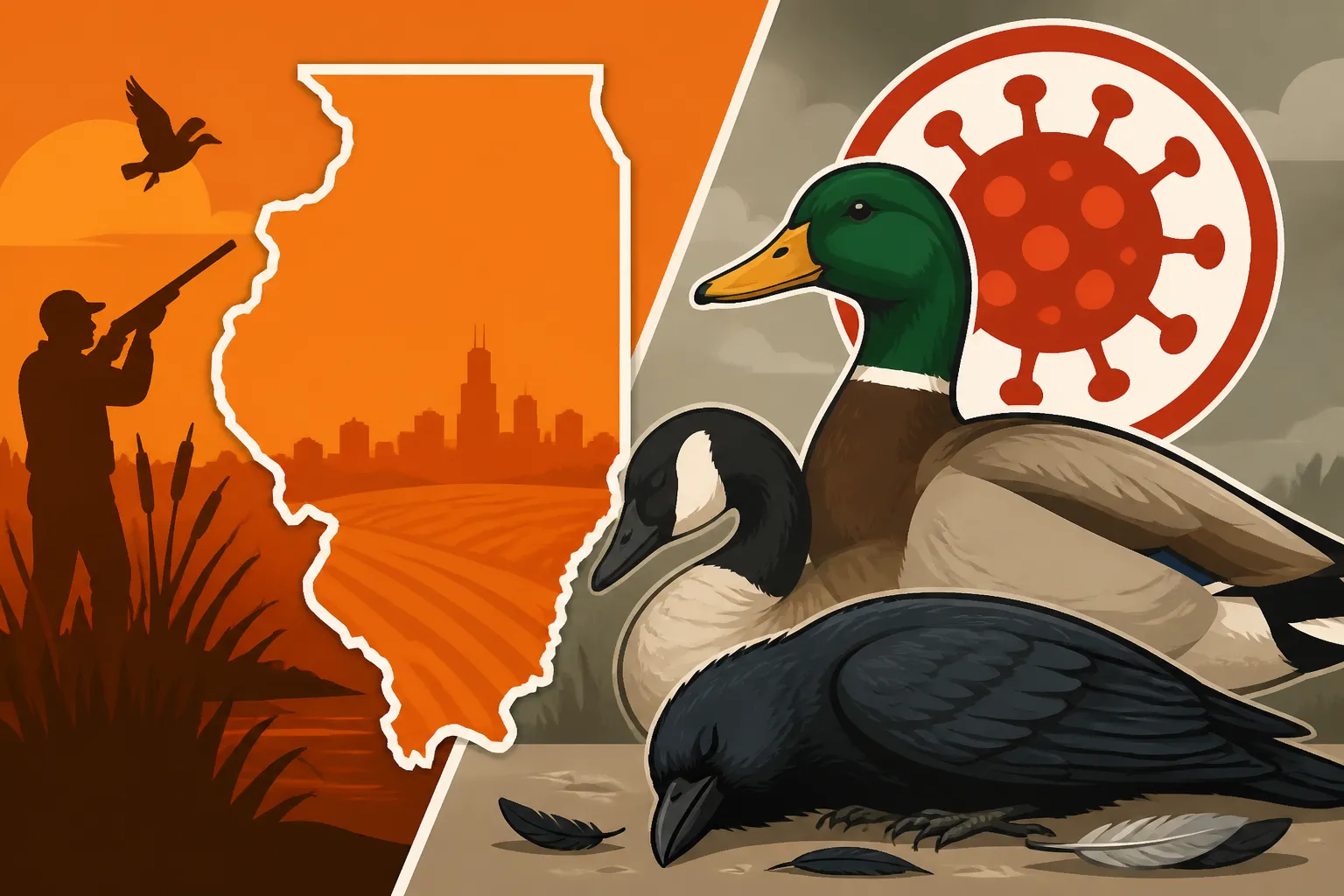
Avian influenza (AI) is a highly contagious viral disease that primarily affects birds. There are many different strains, but the ones that capture headlines are usually the "highly pathogenic" strains (HPAI) that can cause severe illness and death in a wide range of bird species. These aren't new; AI viruses circulate naturally among wild aquatic birds worldwide and can be carried without symptoms. The concern arises when a strain becomes more virulent or jumps to domestic poultry, often causing devastating outbreaks.
Wild waterfowl—ducks, geese, and shorebirds—are considered natural reservoirs for these viruses. They can carry and shed the virus in their droppings, nasal secretions, and saliva without showing obvious signs of illness. When these birds migrate through Illinois, they can introduce the virus into new areas. Other birds can then pick it up directly from infected birds, from contaminated water sources, or from surfaces exposed to infected droppings. This makes wetland areas and dense bird concentrations potential hotspots for transmission. It’s a complex cycle, and a challenging one to fully understand, let alone control.
Recognizing Signs of Avian Influenza in Wild Birds
One of the biggest anxieties for hunters is not knowing what to look for. How do you tell if a bird is sick, especially when you're out in the field focused on the hunt? While many wild birds might not show obvious signs, especially carriers, HPAI can cause severe symptoms in others. These can vary, but generally, you'd be looking for birds that appear lethargic, disoriented, or are stumbling and falling.
Other signs might include swelling of the head, eyelids, comb, and wattles (especially in gallinaceous birds like pheasants or turkeys), purple discoloration of the wattles, combs, and legs, or a lack of coordination. You might see nasal discharge, coughing, sneezing, or diarrhea. Sometimes, you'll simply observe dead birds in an area without any obvious cause of death. If you encounter birds exhibiting these symptoms, or find unusually high numbers of dead birds, especially waterfowl, it's a definite red flag. The instinct might be to investigate, but it's really best to keep your distance and report it.
Historical Outbreaks and Their Reach in Illinois
Illinois, being a critical part of the Mississippi Flyway, has certainly seen its share of avian influenza activity. While specific dates and numbers fluctuate, the pattern is generally that these viruses are introduced by migratory birds. Outbreaks tend to wax and wane, sometimes causing significant mortality events in wild bird populations, especially waterfowl and certain raptors. These aren't necessarily "new" events in the grand scheme of wildlife diseases, but the severity and spread of particular HPAI strains in recent years have heightened concern.
The Illinois Department of Natural Resources (IDNR) and other agencies continuously monitor these situations. What we often see is an increase in reports during peak migration periods when diverse bird populations congregate. It’s a constant battle to understand the spread and impact, and it reminds us that wildlife health is a dynamic, ever-changing situation. The key takeaway here is that AI is a recurring visitor, not a one-time event, and ongoing vigilance is paramount for all of us who spend time in Illinois's great outdoors.
Protecting Yourself and Other Wildlife While Hunting
It's natural to feel a bit apprehensive about hunting birds when avian influenza is a concern. The good news is that by taking some common-sense precautions, you can significantly reduce any potential risks to yourself and help prevent further spread among wildlife. These practices are really just extensions of good hygiene that every hunter should already be employing.
Best Practices for Handling Harvested Birds
When you harvest a bird in Illinois, especially during periods when AI is a known concern, taking extra steps is a smart move. First and foremost, always wear rubber or disposable gloves when handling wild game, especially when field dressing. This isn't just for AI; it's good practice for preventing exposure to any potential pathogens or bacteria. After field dressing, dispose of the gloves properly.
Wash your hands thoroughly with soap and warm water immediately after handling game and before eating or touching your face. If soap and water aren't available, a hand sanitizer that is at least 60% alcohol will work in a pinch until you can properly wash. When it comes to cleaning the bird, do so in a well-ventilated area, and make sure all surfaces that come into contact with the bird (knives, cutting boards, counter tops) are thoroughly cleaned and disinfected afterward. Standard household disinfectants work perfectly. The good news is that proper cooking kills avian influenza virus, so thoroughly cooking your game meat to an internal temperature of at least 165°F (74°C) eliminates any risk of foodborne illness. There's no need to stop enjoying your hard-earned wild game.
Preventing Further Spread in the Field
Our responsibility as hunters extends beyond personal safety to the health of the wildlife populations themselves. One of the most critical things we can do is prevent the accidental spread of the virus. If you observe any sick or dead birds, do not handle them. It can be tempting to investigate or retrieve them, but this is a situation where hands-off is best. Simply note the location and report it.
Cleaning your gear after each hunt, especially if you've been in areas with high bird concentrations, is also vital. Waders, boots, decoys, boat surfaces, and even dog vests can potentially harbor the virus if they come into contact with contaminated water or droppings. A simple scrub with soap and water, followed by a disinfectant, goes a long way. Make sure to let everything dry thoroughly. This is also where a tool like GoHunt can come in handy; if you're using it to mark locations or scout new areas, you can also use it to make a mental note of where you've seen high bird concentrations or areas that might warrant extra cleaning precautions. Avoiding hunting in areas where there's been a known die-off or a significant number of sick birds is also a wise decision, giving the local population a chance to recover and minimizing your own exposure.
Waterfowl and Upland Birds: Specific Considerations
While avian influenza can affect many bird species, waterfowl often get the most attention because they are the primary natural carriers and can concentrate in large numbers during migration. This means that hunters targeting ducks and geese need to be particularly diligent. Wetlands, river systems like the Illinois River, and agricultural fields where waterfowl feed and rest are all areas where viral transmission could occur. Familiarizing yourself with Illinois Waterfowl Zones and Seasons and understanding waterfowl behavior can help you assess risk.
For upland birds like pheasants and turkeys, the risk profile can be a bit different. While they can contract HPAI, they are not typically considered reservoir species in the same way waterfowl are. However, if domestic poultry outbreaks occur in an area, wild turkeys or pheasants could be exposed. Keep an eye on any local advisories concerning Illinois Pheasant Season and Stocking or Spring Turkey Hunting in Illinois in your chosen hunting zones. The general hygiene practices outlined above remain equally important regardless of the species you're pursuing. Always err on the side of caution.
Monitoring and Reporting Suspected Cases in Illinois
As much as we rely on state agencies to monitor wildlife health, the sheer vastness of Illinois means that every hunter and outdoor enthusiast becomes an extra set of eyes and ears. Your observations in the field are incredibly valuable for tracking and understanding avian influenza.
How Illinois Tracks Avian Influenza
The Illinois Department of Natural Resources (IDNR) works in conjunction with other state and federal agencies to monitor wildlife diseases, including avian influenza. This often involves surveillance efforts, collecting samples from wild birds, and investigating reported die-offs. Their goal is to understand the prevalence and distribution of the virus, identify any new strains, and assess the potential impact on both wild populations and domestic poultry. They rely heavily on laboratories for testing and analysis to confirm the presence of the virus.
This is a continuous, year-round effort, not just something that happens during hunting season. They track migrations, observe population changes, and compile data to get the fullest picture possible. Understanding this ongoing effort can help ease some of the anxiety, knowing that dedicated professionals are working to safeguard our wildlife. For more on general disease monitoring, you can look into Illinois Wildlife Disease Monitoring.
Your Role as a Hunter or Outdoor Enthusiast
Your active participation in reporting unusual observations is one of the most powerful tools in monitoring avian influenza. If you encounter sick or dead wild birds—especially groups of them, or individual birds showing severe neurological signs—it's crucial to report it. Do not touch or move the birds.
How to Report:
- Contact the IDNR: Reach out to your local IDNR office or call their main number.
- Be Specific: Provide as much detail as possible.
- Exact location: GPS coordinates are best, but detailed descriptions (e.g., "south side of the wetland near the old oak tree on Elm Road") are very helpful. A mapping app like GoHunt can be invaluable for pinpointing precise locations.
- Date and time of observation.
- Number and species of birds observed.
- Observed symptoms or condition of the birds.
- Your contact information so they can follow up if needed.
The IDNR will then assess the report and determine if further investigation or testing is warranted. Every report, even if it doesn't lead to a confirmed AI case, helps paint a clearer picture of wildlife health across the state. Remember, when in doubt, it's always better to report than to ignore a potential issue. More details on general reporting can be found in Reporting a Sick Animal in Illinois.
Understanding Illinois's Response to Outbreaks
When avian influenza is detected or widespread, the IDNR and other state agencies have protocols in place. Their response can range from issuing public advisories on best practices (like the ones we're discussing here) to more significant measures if the situation demands it. This might include:
- Increased surveillance: Focusing testing and monitoring efforts in affected areas.
- Public land closures: In very severe cases, specific areas might be temporarily closed to hunting or other activities to prevent further spread or protect vulnerable populations. This is rare for wild birds but has occurred with domestic poultry outbreaks.
- Changes to hunting regulations: While not common for AI, in extreme scenarios, bag limits or season lengths for certain species could potentially be adjusted, or specific hunting methods might be discouraged, to protect populations or slow spread.
- Communication: Providing updates to hunters and the public through press releases, their website, or social media.
The overall goal is always to protect both wildlife populations and public health. These responses are adaptive and depend entirely on the specific strain, its prevalence, and its impact. It's important for hunters to pay attention to official IDNR communications, especially as hunting seasons approach, to stay abreast of any changes that might affect their plans.
Implications for Hunters and the Future of Illinois Bird Populations
The presence of avian influenza is a stark reminder that hunting isn't just about the chase; it's about being deeply connected to the natural world and understanding the challenges facing wildlife. Its implications extend beyond individual seasons to the long-term health of the birds we cherish.
Long-Term Health of Illinois Bird Species
The long-term impact of avian influenza on Illinois's wild bird populations is something that wildlife biologists constantly study. For species like waterfowl, which can be carriers without severe symptoms, the concern is often more about the potential for widespread transmission rather than catastrophic die-offs of the entire population. However, certain HPAI strains can lead to significant localized mortality events, especially in specific species of ducks, geese, or even raptors like bald eagles that prey on sick birds. This can certainly impact Illinois Duck Harvest Numbers or Illinois Turkey Population Trends in a given year or region.
The resilience of wild bird populations is remarkable, and they have faced various diseases throughout history. The long-term health often depends on the duration and severity of outbreaks, coupled with other environmental factors like habitat quality and breeding success. What's crucial is continued monitoring and understanding which species are most vulnerable and how populations respond over time. Hunters, by being observant and reporting, contribute directly to this understanding.
How Avian Flu Affects Hunting Regulations
Historically, avian influenza has not led to widespread, permanent changes in Illinois hunting regulations for most game birds. The IDNR generally operates on a principle of adaptive management, meaning they respond to specific threats as they arise. Rather than blanket restrictions, responses are usually targeted and temporary.
For example, if a severe outbreak impacts a specific wetland area, there might be temporary closures or advisories for that particular location. Regulations might emphasize enhanced cleaning protocols or advise against harvesting birds that appear visibly ill. It's more about responsible hunting practices and less about shutting down seasons entirely. However, the potential is always there for adjustments to Illinois Duck and Goose Bag Limits or season lengths if populations were severely impacted by a widespread, high-mortality event. The best approach for hunters is to remain informed through official IDNR channels and be prepared to adapt their practices if new guidance is issued.
Remaining Vigilant and Informed
Staying informed about avian influenza and other wildlife health issues is an ongoing responsibility for every hunter. This isn't a "set it and forget it" kind of situation; the dynamics of wildlife diseases can change quickly. Make it a habit to check the Illinois Department of Natural Resources (IDNR) website for updates, especially before and during hunting seasons. They are the primary source for accurate, up-to-date information regarding wildlife health in the state.
Beyond official channels, educational resources from organizations focused on wildlife conservation and hunting ethics can also provide valuable context and advice. Remember, our passion for hunting is deeply intertwined with a commitment to conservation and the health of the wild places and creatures we pursue. By being proactive, practicing good hygiene, and reporting anything unusual, we all play a vital role in safeguarding Illinois's incredible bird populations for generations of hunters to come.
Disclaimer
This article is for general informational purposes only and does not constitute professional advice. Laws, prices and regulations vary by location and change over time. Consult a qualified professional for guidance on your specific situation.