Applying for a Nonresident Deer Permit Through a Guide
Trying to hunt whitetails in Illinois as a nonresident can feel like navigating a dense thicket without a compass. The permit system, especially for coveted firearm seasons, is notoriously competitive and can be incredibly confusing, leaving many hunters frustrated before they even step foot in a blind. This guide will walk you through the intricacies of applying for an Illinois nonresident deer permit, specifically exploring how working with an experienced outfitter can potentially simplify the process and enhance your chances of a successful hunt.
Understanding the Illinois Nonresident Deer Permit System
Illinois is a bucket list destination for many deer hunters, and for good reason—the state consistently produces giant whitetails. But that allure means intense competition, particularly for those of us coming from out of state. The Illinois Department of Natural Resources (IDNR) works hard to manage the herd and hunter numbers, which translates into a sometimes-complex permit system designed to give residents priority.
The Permit Lottery's Tough Reality
Let's be honest, securing a nonresident firearm or muzzleloader deer permit in Illinois often feels like winning the lottery, because, well, it pretty much is. There are a limited number of permits available to nonresidents, and demand far outstrips supply, especially for the prime counties and hunt periods. You're competing with thousands of other hunters who all dream of tagging a Prairie State giant. Missing a deadline, making a mistake on your application, or simply having bad luck in the draw can mean another year without an Illinois tag in hand. It’s a gut-punch when you get that rejection letter or see the draw results online without your name on the successful list. Many nonresidents feel completely in the dark about how to best navigate this system, and it can be discouraging. You can learn more about the overall process in Illinois Deer Season Structure Explained.
The lottery system prioritizes residents in the first few rounds, and what's left over, if anything, then goes into a pool for nonresidents. Even when you apply, there are different hunt periods and weapon types to consider, each with its own allocation. For example, the first firearm season often has different availability and draw odds than the second. It’s a lot to keep track of, and the fear of messing it up is real.
Different Permit Types and What They Mean for Nonresidents
Illinois offers various types of deer permits, and understanding them is crucial, especially for nonresidents. Your options largely depend on the weapon you plan to use and the time of year you want to hunt.
| Permit Type | Typical Availability for Nonresidents | Notes |
|---|---|---|
| Archery | Generally better (over-the-counter after lottery) | Nonresident archery permits are usually offered through an initial lottery, and then any remaining permits become available over-the-counter. While still competitive, your chances are often much better than with firearm permits. These permits are typically for one deer (either sex) and one antlerless deer, or two antlerless only. Bowhunting Illinois's Long Archery Season covers this in detail. |
| Firearm | Highly competitive (lottery only) | This is the tough one. Nonresident firearm permits are allocated via a lottery system, often in multiple rounds. Success rates can be quite low, especially for prime counties. You'll need to specify your desired county and hunt period (e.g., Illinois First Firearm Weekend Dates or Illinois Second Firearm Weekend Dates). |
| Muzzleloader | Competitive (lottery only) | Similar to firearm permits, muzzleloader permits for nonresidents are also awarded through a lottery. While potentially slightly less competitive than general firearm season in some areas, they are still very difficult to draw. The Illinois Muzzleloader-Only Season Dates offers a unique challenge and experience. |
| Youth | Specific youth weekend (lottery) | Illinois has a dedicated youth deer hunt weekend. Nonresidents under a certain age can apply, but again, it's a lottery system. This can be a great opportunity to introduce a young hunter to Illinois deer hunting if you can secure a permit. |
| Landowner (Not directly applicable to nonresidents without land) | N/A (requires significant land ownership) | True landowner permits are for actual property owners residing in Illinois who meet specific acreage requirements. Nonresidents cannot simply "buy" a landowner permit. However, some outfitters who own or lease significant tracts of land might have permits tied to their property, which they can then make available as part of a guided hunt package. This isn't a separate permit category for nonresidents but rather a way an outfitter might provide access through their own permit allocation. This is a critical distinction that often confuses hunters. |
It's important to remember that most of these permits are for a specific county and a specific season. You can't just buy a general statewide deer permit for an entire season. The specificity can add another layer of complexity to your application strategy. Always check the official IDNR website for the most current rules and application periods, as these can change year to year.
How Outfitters Can (and Cannot) Help with Permits
This is where the idea of applying for a permit "through a guide" comes into play. It's not that an outfitter can magically hand you a permit; rather, they can be an invaluable resource in navigating the system, improving your chances, and ultimately providing a place to hunt.
Simplifying the Application Process
For many nonresidents, the sheer volume of information and the strict deadlines are overwhelming. An experienced Illinois outfitter can act as your personal guide through the bureaucratic maze. They often have an intimate understanding of the IDNR's permit application process, including specific county draw odds, preferred hunt dates, and all the little nuances that can easily lead to a rejected application. They can remind you of crucial application windows, help you correctly fill out forms, and ensure you submit everything on time.
Imagine having someone who knows exactly when the application window opens for Illinois Quota Hunt Application Window or Illinois Site Permit Draw Process, and can ensure your forms are flawless. They can also advise you on how to apply for the less competitive archery permits, which might offer a more realistic chance for nonresidents, especially if you're flexible on weapon choice or timing. Companies like BookYourHunt and GoHunt, while primarily booking services or information platforms, can connect you with outfitters who offer this kind of administrative assistance.
Accessing Landowner Permits and Quota Hunts
This is perhaps the most significant way an outfitter can facilitate your Illinois deer hunting experience, sometimes making it seem like they're "providing" a permit. Many reputable outfitters own or lease substantial amounts of land. If they meet the IDNR's requirements as a landowner, they may be eligible for landowner permits (which are actually issued to them as the landowner, not to you directly). When you book a guided hunt with such an outfitter, you're not applying for a permit through them in the traditional sense; rather, you're buying a hunt package that includes the use of a permit they've legitimately acquired for their property.
Additionally, some outfitters operate on specific properties that participate in quota hunts or special draw areas. These hunts often have their own unique application processes and sometimes slightly better odds, but again, an outfitter will know the ins and outs. When you pay for their service, you're not just paying for their guiding expertise; you're also paying for access to their private land and, in some cases, the permit that comes with it. This is particularly common with high-demand firearm hunts where public permits are nearly impossible to draw. This is the closest you'll get to "applying for a nonresident deer permit through a guide," as they're providing the vehicle for you to legally hunt.
What an Outfitter Cannot Do
It's absolutely vital to understand the limitations. An outfitter cannot create permits out of thin air, nor can they illegally transfer a permit to you. All permits must be legitimately acquired through the IDNR. If an outfitter claims they can "get you a permit" outside of the official lottery or landowner programs, that's a massive red flag, and you should walk away immediately. It's a serious violation of state law, and you as the hunter could face severe penalties.
They also can't guarantee you'll draw a permit in the general nonresident lottery. They can only advise you on the best strategy for applying, help you with the paperwork, and ensure your application is submitted correctly. For the general lottery permits, the outcome is still entirely up to the IDNR's draw process. Their primary value, especially for firearm and muzzleloader, often lies in their access to private land and any associated landowner permits they may legally utilize. Why Nonresident Deer Permits Are So Limited explains the challenges of the system in more detail.
Choosing the Right Outfitter to Assist You
If you're going to invest your time, money, and hunting dreams into a guided Illinois hunt, choosing the right outfitter is paramount. This isn't just about finding a good hunting spot; it's about finding a reputable partner who understands the legalities and logistics.
Vetting Their Knowledge and Reputation
Start by looking for outfitters with a long-standing presence and excellent reviews. Websites like BookYourHunt or hunting forums can offer starting points, but always dig deeper. Talk to past clients. Ask about their success rates, but also ask about their ethics and their adherence to state regulations. A good outfitter should be transparent about how permits are obtained and what their services entail. They should clearly explain if they are assisting with a general lottery application or if they are offering a hunt package that includes the use of their own legitimate landowner permits.
Pay close attention to how they talk about the permit process. If they seem cagey or make claims that sound too good to be true, they probably are. A truly reputable outfitter will educate you on the challenges of drawing nonresident permits and manage your expectations realistically. They should have a deep understanding of Illinois Nonresident Deer Permit Costs and any associated fees.
Clarifying Their Role in Permit Acquisition
Before you book anything, get absolute clarity on how the permit situation works. Ask these specific questions:
- "Am I applying for a general nonresident permit through the IDNR lottery, and you're just helping with the application process?"
- "Are you providing a hunt that comes with a permit you've acquired as a landowner?"
- "If it's a landowner permit, can you show me documentation that confirms your eligibility and the permit's legitimacy?"
- "What happens if I don't draw a general permit, but I've booked a hunt with you?"
A trustworthy outfitter will be able to answer these questions directly and provide verifiable information. They should also detail what Illinois Resident License Options and Illinois Nonresident License Options you, as the hunter, are responsible for acquiring on top of the deer permit. Checking an Illinois Guide's License Status is also a critical step to ensure they are operating legally.
Questions to Ask Before Committing
Beyond the permit specifics, there are many other questions to ask to ensure you're booking a quality experience. Here's a table of important considerations:
| Category | Key Questions to Ask | Why it Matters |
|---|---|---|
| Permits & Licenses | How do nonresident permits work for your hunts? What is my responsibility? | Avoids misunderstandings about how you'll obtain your tag. |
| Hunt Structure | What are the typical daily hunting hours? Are stands provided or do I bring my own? | Helps you prepare and understand the day-to-day logistics. |
| Accommodation | What kind of lodging is included? Are meals provided? | Essential for planning your trip and understanding the overall cost. |
| Guiding Style | Is it fully guided, semi-guided, or unguided access? How many hunters per guide? | Determines the level of assistance you'll receive and the overall hunting experience. |
| Success Rates | What are your typical harvest rates for the specific season I'm interested in? | Provides a realistic expectation, but remember, hunting is never a guarantee. Look for honesty, not outlandish claims. |
| Game Care | What happens after I harvest a deer? Is field dressing, caping, or processing included? | Critical for managing your trophy and meat. Understand local services for taxidermy and butchering. |
| References | Can you provide references from past nonresident clients? | Direct feedback from other hunters is invaluable for vetting the outfitter's reputation and client experience. |
| Booking Terms | What are the deposit, cancellation, and refund policies? | Protects your investment in case of unforeseen circumstances or permit draw failure. Carefully review their Illinois Outfitter Contracts and What to Read. |
| Ethics & Rules | What are your specific rules regarding shot placement, recovery, and fair chase? | Ensures alignment with your own ethical hunting standards and compliance with all Illinois Deer Reporting Requirements. |
Asking these questions upfront, and getting clear, consistent answers, is key to a smooth and successful experience. Don't be shy; a good outfitter will appreciate your thoroughness. The more you educate yourself using resources like GoHunt's comprehensive articles and platforms like BookYourHunt to compare services, the better equipped you'll be.
Navigating the Hunt Once Permits Are Secured
Once you've successfully secured your nonresident deer permit, whether directly through the lottery or as part of a guided package, the real fun begins. But even after the permit is in hand, there are still important steps to take to ensure a smooth and legal hunt in Illinois.
Preparing for Your Illinois Whitetail Hunt
With your permit secured, the focus shifts to preparation. If you're hunting with an outfitter, they will provide a lot of guidance here, but you still have a role to play.
Firstly, understand the specific regulations for your chosen season and weapon. Legal Weapons During Illinois Firearm Season is a great resource, but always double-check the current year's IDNR digest. This includes understanding blaze orange requirements during firearm season, legal shooting hours, and any specific rules for the public land or private property you'll be hunting. Your outfitter should be well-versed in these, but a quick review on your part ensures you're both on the same page.
Secondly, gear up appropriately. Illinois weather, particularly in the fall and winter, can be highly unpredictable. Be prepared for everything from mild, rainy days to bitter cold and snow. Good quality layers, waterproof outerwear, and insulated boots are essential. Many outfitters will provide stands, but confirm this and understand the type of stands (ladder, hang-on, ground blind) you'll be using. If you're bringing your own crossbow, make sure you're aware of Crossbow Rules During Illinois Archery Season.
Finally, physically prepare. While some areas of Illinois are relatively flat farmland, others, particularly in Southern Illinois, can be surprisingly rugged. Long walks to stands, dragging deer, and climbing into elevated positions require a certain level of fitness. A guided hunt is still a hunt, and you'll want to be ready for the demands of the field.
Understanding Reporting Requirements
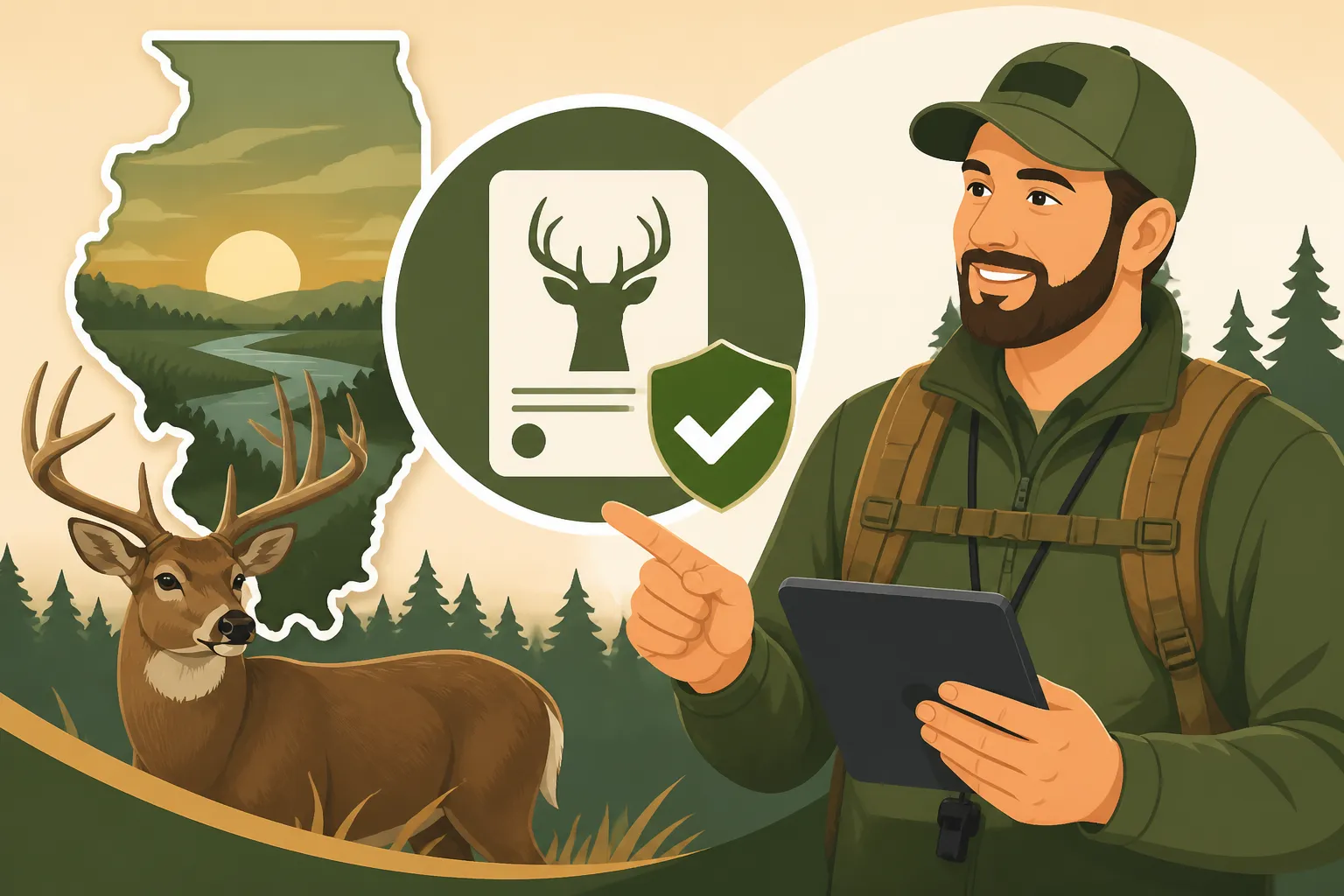
Illinois has strict deer reporting requirements, and this is a non-negotiable step after harvesting an animal. Even if you're hunting with an outfitter, the ultimate responsibility for reporting your deer falls on you, the hunter. Typically, you need to report your harvest by 10 PM on the same calendar day the deer was killed. This can be done online through the IDNR website or via their mobile app.
Your outfitter should remind you of this and may even assist you if you have questions or difficulty with the online system. However, don't rely solely on them; make sure you understand the process before you head into the field. You'll need information like the permit number, date of harvest, county of harvest, and type of deer (antlered or antlerless). Proper reporting ensures the IDNR can accurately track harvest data, which is crucial for managing the state's deer herd. Failing to report a deer is a serious violation and can result in fines and loss of hunting privileges.
Disclaimer
This article is for general informational purposes only and does not constitute professional advice. Laws, prices and regulations vary by location and change over time. Consult a qualified professional for guidance on your specific situation.