Hunting After a Poor Acorn Year
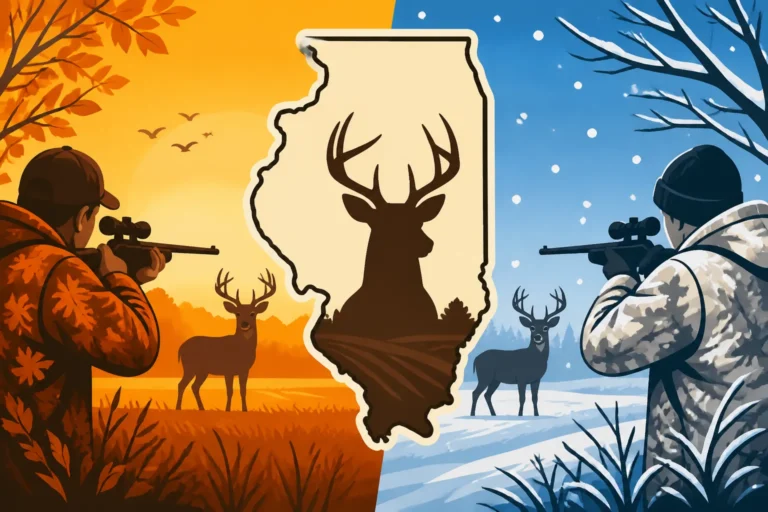
When a good acorn crop fails in Illinois, it can feel like the bottom drops out of your deer season plans. Hunters across the state often rely on those crunchy morsels to funnel deer into predictable patterns, making scouting and stand placement relatively straightforward. But when the oaks produce poorly, whitetails become less concentrated, more unpredictable, and much harder to pin down, leaving many hunters scratching their heads about where to even begin. This guide will walk you through exactly how a lean acorn year impacts deer behavior and, more importantly, how you can adapt your hunting strategies to still find success when nature throws a curveball.
Understanding the Impact of a Poor Acorn Crop on Illinois Deer
Acorns are more than just a snack for deer; they're a cornerstone of their diet and a massive factor in their seasonal movements. When this vital food source is diminished, the entire ecosystem feels the ripple effect, and understanding these changes is the first step in successful hunting.
The Acorn's Role in Deer Ecology
Think of acorns as nature's energy bar for deer. These nutrient-dense nuts, particularly from white oaks, are packed with carbohydrates and fats, providing a critical energy boost that deer need to pack on weight before the harsh Illinois winter and fuel the demands of the rut. In years with a bumper crop, deer will actively seek out oak flats, sometimes abandoning other food sources almost entirely. They'll spend hours gorging themselves, moving only short distances between bedding areas and these plentiful feasting grounds. This predictability is what many hunters key in on, setting up stands along trails leading to and from these hot spots. Without this readily available, high-quality food, deer have to work harder, travel further, and diversify their diet, which fundamentally changes their daily routines.
The impact isn't just about immediate hunger; it's about long-term health and reproductive success. Does that enter winter in poor condition due to lack of good food sources might struggle to conceive or carry fawns to term. Bucks, too, rely on good nutrition to develop robust antlers and maintain their energy throughout the exhausting rut period. A string of poor acorn years can even affect the overall herd health and future deer population estimates. So, when the oak trees aren't dropping, it's a big deal for every deer in the woods.
Immediate Behavioral Changes in Deer
When the acorns aren't falling, deer don't just sit around moping; they immediately adapt. The most noticeable change you'll observe is an increase in travel. Instead of spending their days milling around a preferred oak stand, deer will expand their home ranges, constantly searching for alternative sustenance. This means more movement across the landscape, often exposing them more often during daylight hours, but also making their patterns harder to predict. You might find deer moving earlier in the morning and later in the evening, driven by the need to fill their bellies.
In the early season, when acorns would typically be a primary draw, deer will immediately pivot to other soft mast like persimmons, wild grapes, or even honeysuckle. As the season progresses into late fall and early winter, they'll become even more focused on agricultural fields or areas with native browse that retains nutritional value. This shift isn't subtle; it's a complete overhaul of their routine. They're going to be on the move, probing new areas, and checking every available food source. This can actually work in a hunter's favor, as increased movement means increased opportunities, but you have to be in the right place, which is rarely a traditional oak flat in these years.
Identifying Alternative Food Sources When Acorns Are Scarce
A poor acorn year forces deer to look elsewhere, and as a savvy hunter, so should you. Instead of lamenting the lack of acorns, view it as an opportunity to broaden your understanding of deer diet and find new hotspots.
Agricultural Fields Become Primary Targets
In agricultural states like Illinois, when acorns are scarce, farm fields become the absolute magnetic north for deer. Corn, soybeans, alfalfa, and winter wheat suddenly become the five-star restaurants. Deer that might normally stick to timber will venture out into fields more frequently and often for longer durations. This is especially true after harvest when waste grain becomes available. Learning about how to spot Entry Routes Through Standing Corn or effectively Hunting a Standing Soybean Field becomes paramount.
Hunters should focus their scouting efforts heavily on field edges, pinch points, and cover leading to and from these agricultural areas. Pay close attention to trails, fresh tracks, and browse lines along the edges of standing crops or harvested fields. Trail cameras are invaluable here, helping you identify specific travel routes and peak feeding times. Many deer will bed down in timber nearby and make consistent movements to these fields, especially under the cover of darkness, but the sheer need for calories often pulls them out in daylight during a lean acorn year. Remember, a poor acorn year often means deer need more food, and these fields offer a concentrated, easy-to-access buffet.
Native Browse and Soft Mast Step Up
Beyond agricultural fields, don't underestimate the power of native browse and other soft mast. When acorns aren't present, deer will turn to a variety of natural food sources found within the timber. Think about those often-overlooked persimmon trees, wild grapevines, or even dogwoods. These soft mast sources, though usually secondary to acorns, become critical during a lean year. They don't last as long as acorns, typically dropping earlier in the fall, but they offer a valuable food bridge.
Additionally, deer will rely more heavily on browse. This includes the tender new growth of briars, honeysuckle, greenbrier, and various saplings. Scouting for these takes a different eye than looking for acorn trees. You'll need to identify areas with dense, young undergrowth where deer can both feed and find cover. Look for clipped twigs and leaves, indicating active browsing. These areas can be gold mines, especially in thicker timber or creek bottoms where such vegetation thrives. Learning to Still-Hunting Southern Illinois Ridgelines or other wooded areas for these subtle signs can prove incredibly effective when the oak flats are barren.
Food Plots and Supplemental Feeding Where Legal
For those hunting on private land or specific managed public areas, food plots become even more attractive to deer during a poor acorn year. A well-maintained food plot can act as a massive draw, concentrating deer that are desperately seeking nutrition. Clover, brassicas (like rape or turnips), oats, and winter wheat are excellent choices that can provide sustained forage throughout the fall and winter. These plots can offer a consistent, high-quality food source that deer will travel to access.
It’s crucial to know the specific regulations regarding food plots and supplemental feeding in Illinois. While food plots for hunting purposes are generally permitted, outright supplemental feeding (e.g., piles of corn) may have restrictions, especially within Illinois's Chronic Wasting Disease Zone, due to concerns about disease transmission. Always check current IDNR regulations for your specific hunting area and county. If legal, these managed food sources can provide predictable patterns for deer that are struggling to find natural forage, making them prime spots for a stand. Consider the benefits of Hunting a Green Field Planted for Deer during such times.
| Food Source Type | Examples | Peak Availability | Deer Preference in Lean Acorn Year | Scouting Focus |
|---|---|---|---|---|
| Agricultural Crops | Corn, Soybeans, Alfalfa, Winter Wheat | Fall (post-harvest), Winter | High (for calories) | Field edges, connecting cover, waste grain |
| Soft Mast | Persimmons, Wild Grapes, Crabapples, Dogwood | Early Fall | Medium to High | Individual trees/vines, clearings, travel routes |
| Native Browse | Honeysuckle, Greenbrier, Briars, Young Saplings | All Fall/Winter | Medium | Thick cover, creek bottoms, recent timber cuts |
| Food Plots | Clover, Brassicas, Oats, Winter Rye | Late Summer, Fall, Winter | High (if managed) | Plot edges, adjacent bedding areas, trails |
Adjusting Your Hunting Strategy for a Lean Acorn Year
A poor acorn year isn't a reason to give up; it's a reason to get smarter. Your old reliable stand in the oak flat might be useless, but new opportunities will arise for those willing to adapt.
Intensive Scouting and Trail Camera Usage
When the acorn crop is a bust, your boots on the ground and your trail cameras become more important than ever. Forget old assumptions about deer movement; they're no longer valid. You need to identify new travel patterns and feeding areas. Start by using mapping tools like GoHunt to analyze aerial imagery. Look for different types of timber, especially areas with known persimmon trees, thick briar patches, or natural browse. Identify where these alternative food sources are located in relation to thick bedding cover. Tools like GoHunt can help you visualize the landscape, identify likely Where Shawnee National Forest Bucks Bed, and pinpoint potential travel corridors between these areas and agricultural fields.
Set up trail cameras not just on field edges, but also deep in the timber where browse is plentiful, or near those soft mast trees you might have overlooked in previous years. Pay attention to changes in patterns day by day. Are deer hitting a particular type of browse hard? Are they traveling through a specific funnel to reach a new food source? This data is critical for making informed decisions on stand placement. Remember, deer are on a mission to find food, so their movement will often be more determined, making travel corridors between newly discovered food sources and bedding areas incredibly productive. Don't be afraid to move your cameras frequently to follow the deer's changing preferences.
Adapting Stand Placement and Hunting Times
This is where you really need to be flexible. If your stand is in an oak flat that isn't dropping, it's time to move it. Instead, focus on those alternative food sources you identified through scouting. This could mean setting up on the edge of a standing soybean field, or deep in a thicket where honeysuckle is being heavily browsed, or along a creek bottom where greenbrier is thriving. Think about Hunting a Funnel Between Two Woodlots that now connects a newly discovered food source to a bedding area.
Consider hunting times as well. With deer having to work harder for food, you might find them moving more frequently during midday. Instead of strictly sticking to dawn and dusk, consider an all-day sit, especially if you're on a travel corridor between a bedding area and a preferred food source. Deer under pressure and seeking food will often move when it's quietest in the woods, which can be those middle hours. Moreover, in a year with scarce food, deer may be less particular about daylight movement, driven by hunger.
Considering Deer Drives or Still-Hunting
When deer are scattered and aren't concentrating on a specific food source, traditional stand hunting can be tough. This is where tactics like Deer Drives on Illinois Public Land or still-hunting can really shine. If deer are spread out across a large timber block, a small, well-executed drive with a few hunters can push deer past waiting standers, or simply get them moving enough to create shot opportunities. This works particularly well on public land or larger private tracts where deer have plenty of space to roam and aren't tied to a specific acorn patch.
Still-hunting, too, becomes a highly effective method. Instead of waiting for deer to come to you, you slowly and deliberately move through the woods, stopping frequently to glass, listen, and scan for subtle deer movement. Focus your still-hunting efforts on areas with high concentrations of alternative browse or along creek bottoms and thickets. This allows you to cover more ground and actively seek out deer that are likely doing the same – moving slowly and browsing as they search for food. It's a more active approach that perfectly matches the deer's behavior during a lean acorn year.
Long-Term Considerations and Habitat Management
While the immediate concern is often about the current hunting season, a poor acorn year can also prompt us to think about long-term strategies and habitat improvements.
Diversifying Food Sources on Private Land
For those who manage private hunting land in Illinois, a bad acorn year highlights the importance of habitat diversity. Relying solely on oak trees for deer forage leaves you vulnerable to the whims of nature. Diversifying your food sources can create a more resilient deer population and more consistent hunting opportunities year after year. This means planting a variety of soft mast trees like persimmon, wild plum, or crabapple. Consider native shrub species that provide year-round browse and cover, such as dogwood, elderberry, or even blackberry patches.
Implementing a rotational food plot strategy can also pay dividends. Instead of just corn, consider a mix of clover, brassicas, and winter grains. This not only provides different nutritional profiles but also staggers food availability throughout the year, ensuring deer always have something to fall back on. Think about areas for Late-Season Food Sources for Illinois Whitetails like standing corn or brassicas that remain palatable long after other foods are gone. The goal is to create a buffet that offers options regardless of what the oaks are doing.
Understanding Regional Differences
It's also important to remember that Illinois is a diverse state, and a poor acorn year might not affect every region equally, nor does every region rely on acorns to the same degree. The heavy timber of Shawnee National Forest Hunting in Southern Illinois, for instance, often has a higher density of oaks and deer that rely heavily on them. A poor acorn year there can have a profound impact on deer movement and hunter success.
In contrast, central Illinois, with its vast agricultural landscapes, might see deer simply shift from one food source (acorns) to another (corn and soybeans) with less drastic changes in overall movement patterns, though they'll still be looking for those timbered bedding areas and travel routes. Understanding the Southern Hill Country Versus Prairie Deer dynamics is key. Different oak species also have different cycles; white oaks are typically preferred, but red oaks, which often drop later, can become more critical in their absence. Staying informed about local conditions and acorn production reports from your specific hunting area will give you a significant edge.
Disclaimer
Hunting is an activity with inherent risks. This guide provides information for educational purposes and should not replace professional advice or local regulations. Always prioritize safety, adhere to all Illinois Department of Natural Resources (IDNR) hunting laws, and obtain necessary licenses and permits before engaging in any hunting activities. Respect private property and always secure permission before hunting on land you do not own. Conditions in the field can change rapidly, and hunter safety should always be your top priority.