Posting a Drive Around a Woodlot
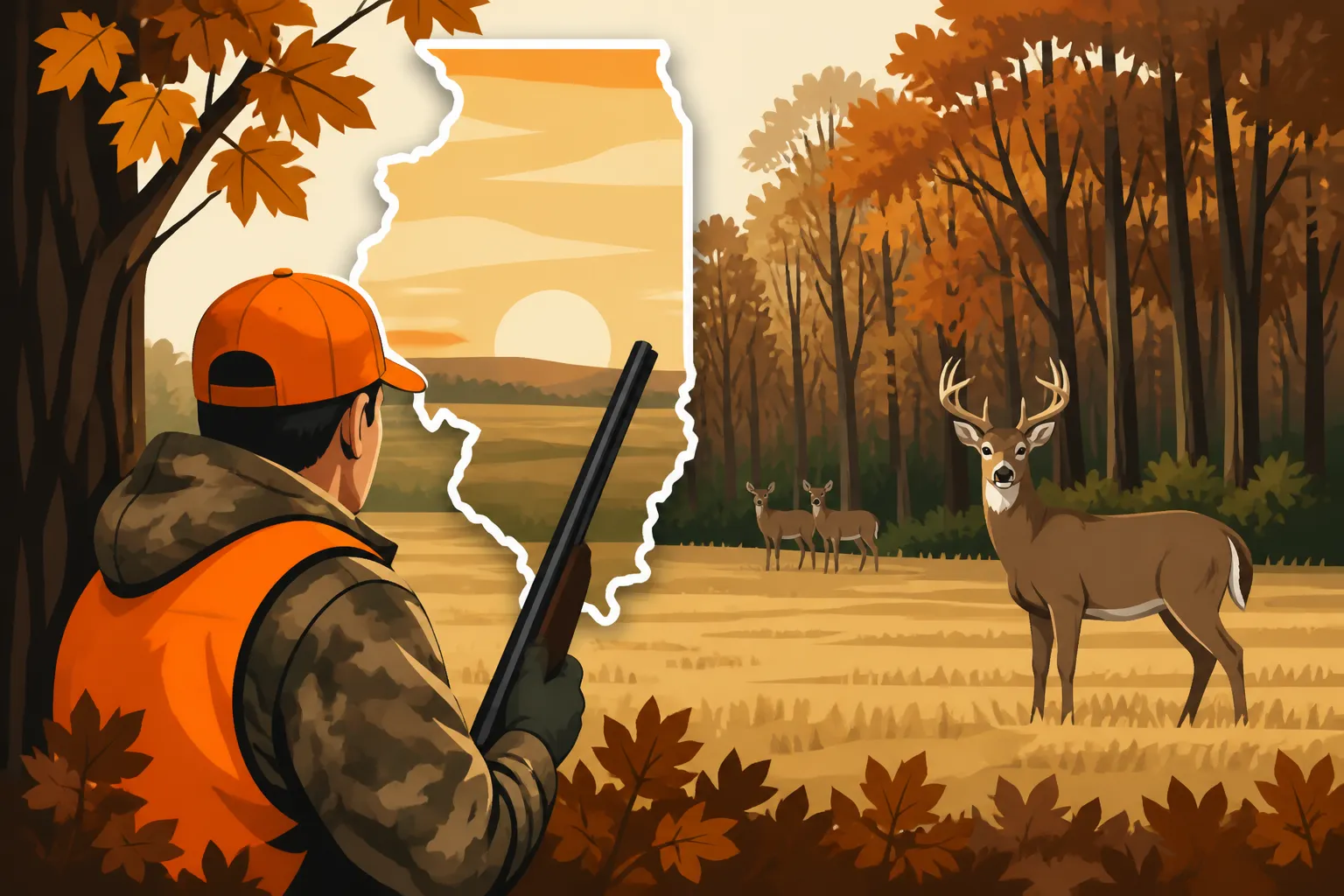
It's a familiar scenario for many Illinois deer hunters: you've scouted a promising woodlot, seen the sign, maybe even had a close encounter, but those wily whitetails always seem to slip away just out of range. Whether it's a small patch of timber on a sprawling farm or a secluded stand in larger public lands, deer often use these woodlots as daytime bedding areas or quick escape routes. The frustration of watching them ghost through the thickets, seemingly invisible, can be immense. This guide is here to walk you through a highly effective tactic for those challenging spots: posting a drive around a woodlot, ensuring you and your hunting party can strategically position yourselves for success and safety.
Understanding the "Posting" Strategy for Deer Drives
Deer drives, especially those where hunters "post" around a woodlot, are a time-honored tradition in Illinois hunting, particularly when dealing with stubborn deer that prefer to hold tight. It’s a method that relies on cooperation, clear communication, and a deep understanding of deer behavior. Instead of simply pushing deer randomly, a well-executed post-and-drive is a strategic chess match designed to gently nudge deer into specific, pre-determined shooting lanes where stationary hunters are waiting.
Why Woodlot Drives are Effective in Illinois
Small woodlots, often nestled amidst vast corn and soybean fields in areas like Hunting Central Illinois Farmland Deer, serve as critical sanctuaries for whitetails. These patches of timber provide cover from the elements, a place to bed down, and often contain vital food sources or act as travel corridors. Deer, especially mature bucks, learn quickly how to use these isolated cover islands to their advantage, often laying low until pressure passes or sneaking out the back side. A focused drive around a woodlot works precisely because it disrupts this pattern. It applies calculated pressure, forcing deer to move when they otherwise wouldn't.
The effectiveness also comes down to the size and nature of Illinois woodlots. Many are relatively compact, making them manageable for a small group of hunters. Deer can't simply run for miles through dense forest; they're often forced to choose between breaking cover into open fields or attempting to slip through the "posted" perimeter. By understanding how deer will react to pressure within these specific confines, hunters can anticipate their escape routes. This is particularly true in fragmented habitats common across the state, even bordering larger tracts. Knowing how to hunt Hunting Small Private Tracts in Illinois can make all the difference, and a woodlot drive is often a primary tactic for these scenarios.
Roles and Responsibilities: Posters Versus Drivers
A successful woodlot drive hinges on clearly defined roles and responsibilities. There are generally two primary roles: the "posters" (sometimes called "blockers" or "standers") and the "drivers" (or "pushers"). Each role is equally vital, and understanding their distinct tasks is paramount for both effectiveness and, most importantly, safety.
Posters: These hunters position themselves silently and strategically around the perimeter of the woodlot, typically along known escape routes or where deer are likely to exit. Their job is to remain absolutely still and quiet, watching for deer that have been pushed their way. Posters must be ready to make an ethical, safe shot when a deer presents itself. They are the receivers of the deer movement, the ones waiting for the action to come to them. Patience and a keen eye are critical for posters.
Drivers: These hunters enter the woodlot, often from one end, and systematically work their way through, pushing deer towards the posters. Drivers can move quietly, trying to surprise deer, or they can make more noise to actively push deer out. The choice depends on the terrain, wind, and the desired outcome, but the goal is always to move deer in a controlled manner towards the waiting posters, not to scatter them wildly. Drivers need to be aware of their position relative to the posters and avoid pushing deer out of safe shooting lanes. The synergy between these roles is what turns a group of hunters into an effective deer-driving unit.
Strategic Setup for a Successful Woodlot Drive
Executing a successful woodlot drive is far more than just walking through the woods and hoping for the best. It requires careful planning, scouting, and strategic placement of your hunting party. Every woodlot is different, but the principles of identifying escape routes, understanding the wind, and coordinating your team remain constant.
Selecting Key Posting Positions
The success of a woodlot drive often comes down to where your posters are set up. You need to think like a deer. Where would a deer try to escape if pressured? Look for natural funnels, saddles in ridges, low spots in fences, creek crossings, or areas of thicker cover that provide a sense of security before breaking into the open. Deer will almost always choose the path of least resistance or the route that offers the most cover. Using tools like GoHunt, you can analyze topographical maps, aerial imagery, and property boundaries to identify these pinch points and escape corridors even before you set foot on the ground. This virtual scouting is invaluable for pinpointing the best spots for your posters.
Consider the wind direction carefully. Deer will almost always try to escape into the wind or crosswind, using their superior sense of smell to detect danger. Posters should ideally be positioned downwind or crosswind of these escape routes, giving them the advantage of surprise. Understanding Wind and Thermals on a Southern Illinois Ridge is just as crucial in a small woodlot as it is in a sprawling forest. Spacing between posters is also key; they need to be close enough to cover potential escape lanes but far enough apart to allow for safe shooting. A general rule of thumb is to be able to see and safely identify your fellow posters, but not necessarily be within whispering distance. In a hypothetical small, 10-acre woodlot bordering a cornfield, you might place posters at each corner of the timber closest to the field, and possibly one along a ditch line that acts as a natural travel corridor between the woodlot and another patch of cover. This creates a strategic barrier to deer movement.
Guiding the Drive: Driver Tactics
The drivers' role is to apply steady, consistent pressure to move deer out of the woodlot towards the waiting posters. This is not about running through the woods making as much noise as possible; it's about controlled, deliberate movement. Drivers should move in a line, maintaining visual contact if possible, and ensuring they cover the entire width of the woodlot. The pace should be slow enough to allow deer to get up and move, but not so fast that they panic and try to double back or slip through the line of drivers.
For small woodlots, often only two or three drivers are needed. In fact, a small group doing Deer Drives With Three or Four Hunters can be incredibly effective. Drivers might choose to walk quietly, hoping to jump bedded deer and send them moving, or they might make intermittent noise – yelling, clapping, or using deer calls – to keep deer moving ahead of them. Again, the wind is a factor for drivers. By pushing crosswind or with the wind at their back, drivers are less likely to push deer directly into their scent trail, which could cause them to circle back or bolt in an unpredictable direction. Using natural cover within the woodlot, like thick brush or downed trees, to their advantage, drivers can steer deer naturally towards the predetermined exit points where the posters are waiting. The goal is to funnel the deer, not scatter them.
Essential Safety and Communication Protocols
Deer drives, by their very nature, involve multiple hunters moving through or positioned around an area where deer are likely to be on the move. This makes safety and clear communication absolutely paramount. Without strict adherence to safety protocols and a robust communication plan, a potentially effective hunting tactic can quickly become dangerous.
Prioritizing Hunter Safety
Before any drive begins, every member of the hunting party must be on the same page regarding safety. First and foremost, all hunters participating in a drive in Illinois must adhere to blaze orange requirements. Illinois law mandates that during firearm deer seasons, hunters must wear at least 400 square inches of solid blaze orange material, including a blaze orange hat. Understanding How Much Blaze Orange Illinois Requires is non-negotiable for safety. This highly visible clothing ensures that every hunter is easily seen by others in the field, drastically reducing the risk of accidental shootings.
Beyond visible clothing, each poster must meticulously scout their shooting lane before the drive starts. This means identifying potential hazards, clearly defining their safe zone of fire, and understanding what lies beyond their target – a concept known as having a safe backstop. Never shoot at sound or movement in thick cover; you must positively identify your target and be absolutely certain of what is behind it. Establishing "no-shoot" zones, especially if there are homes, roads, or other non-hunting areas nearby, is also critical. Shooting at running deer through dense brush can be incredibly dangerous, as bullets can deflect unpredictably. It's far better to let a deer pass than to take an unsafe or unethical shot. Remember, the primary rule of firearm safety always applies: be sure of your target and what is beyond it.
Pre-Drive Briefing and In-Drive Communication
Effective communication starts with a thorough pre-drive briefing. Before anyone sets foot in the woods, the entire hunting party should gather to discuss the plan. This includes:
- Assigning Roles: Clearly designate who are posters and who are drivers.
- Mapping the Drive: Review the exact boundaries of the woodlot, the intended path of the drivers, and the precise locations of each poster. GoHunt can be invaluable here, allowing you to share digital maps with marked waypoints for everyone's position.
- Escape Routes: Discuss the likely escape routes deer will use and why posters are placed where they are.
- Signals: Establish clear verbal or radio signals for common situations. This might include "Deer Spotted" (followed by direction), "Driver Location Update," or "Drive Complete."
- Safety Check: Reiterate all safety rules, including blaze orange, shooting lanes, and target identification.
During the drive, communication is just as vital. Walkie-talkies are an excellent tool, especially in areas where cell service might be spotty, which can be the case even in parts of central Illinois. Ensure all radios are on the same channel and that everyone understands proper radio etiquette (e.g., keeping transmissions brief and clear). The hunt leader, often the one organizing the drive, should maintain awareness of everyone's position and progress, providing updates as needed. For example, a driver might periodically call out their progress or a poster might alert the group if a deer is approaching their position. This constant feedback loop helps maintain safety, coordinates movement, and increases the overall effectiveness of the drive, preventing deer from sneaking out undetected or pushing them where they shouldn't go.
Post-Drive Considerations and Ethical Hunting
The hunt doesn't end when the shot is fired. Ethical hunting practices extend to the crucial moments immediately following the shot and involve continuous learning to improve future efforts. A successful drive isn't just about getting a deer to move; it's about the entire process, from ethical shot placement to diligent recovery.
Tracking and Recovery
Once a shot is taken, patience is often the hardest, but most important, virtue. If a deer is hit, it's generally best to wait a period of time – typically 30 minutes to an hour for a well-placed shot, and even longer (3-4 hours or more) if the shot felt marginal. This allows the deer to bed down and expire, making tracking and recovery much easier. Mark the exact spot where the deer was standing when you shot and where you last saw it. These reference points are crucial for beginning a successful blood trail.
When you begin tracking, move slowly and deliberately. Look for blood, hair, bone fragments, and disturbed earth. Pay attention to the type of blood – bright red, frothy blood often indicates a lung hit; darker, thick blood can suggest a liver shot. In Illinois, especially during late fall or early winter, dwindling daylight can make tracking challenging. Understanding techniques for Blood Trailing After Dark in Illinois can be a game-changer. If the blood trail becomes sparse or disappears, organize a grid search with your hunting party. A collective effort greatly increases the chances of a successful recovery. If the deer crosses onto private land where you don't have permission, refer to Illinois trespass laws (e.g., What Illinois Trespass Law Requires) before pursuing. Ethical hunters make every effort to recover any animal they shoot.
Adapting and Learning from Each Drive
Every woodlot drive, whether successful or not, offers valuable learning opportunities. After each drive, take a few minutes to debrief with your hunting party. Discuss what worked well: Were the poster positions effective? Did the drivers move at the right pace? What could have been done better? Perhaps the deer consistently broke cover in an unexpected direction, indicating a previously overlooked escape route. Maybe the drivers pushed too fast, causing deer to scatter.
Analyzing these outcomes helps refine your tactics for the next drive. Consider different strategies for various conditions. For instance, a very windy day might necessitate a quieter push, as deer will be less likely to hear drivers. A day with fresh snow will make tracking easier, but also expose deer movement more readily. Use the data you've gathered – whether mental notes or actual marked waypoints in GoHunt – to adjust your approach for similar woodlots or different weather conditions. This continuous cycle of planning, executing, debriefing, and adapting is what transforms a casual hunt into a highly effective deer management strategy, especially when applied across various pieces of property you hunt.
| Role | Key Responsibilities | Safety Notes | Success Factors |
|---|---|---|---|
| Poster | – Remain stationary and silent | – Wear blaze orange (required in IL) | – Proper placement on escape routes |
| – Identify safe shooting lanes and backstops | – Never shoot towards other hunters or unseen areas | – Patience and stillness | |
| – Be prepared for an ethical shot | – Positively identify target before shooting | – Knowledge of deer behavior | |
| Driver | – Systematically move through the woodlot | – Maintain awareness of poster positions and safety zones | – Consistent, controlled movement |
| – Apply controlled pressure to move deer | – Communicate frequently with posters | – Understanding of wind and terrain | |
| – Be aware of other hunters' positions | – Avoid scattering deer unpredictably | – Effective noise/silence tactics to direct deer |
Disclaimer
The information provided in this guide is for educational purposes only and is not a substitute for professional instruction. Hunting involves inherent risks, and adherence to all local, state, and federal hunting laws and safety regulations is the sole responsibility of the individual hunter. Always prioritize safety, respect wildlife, and practice ethical hunting. Ensure you have all required Illinois licenses and permits before heading afield.