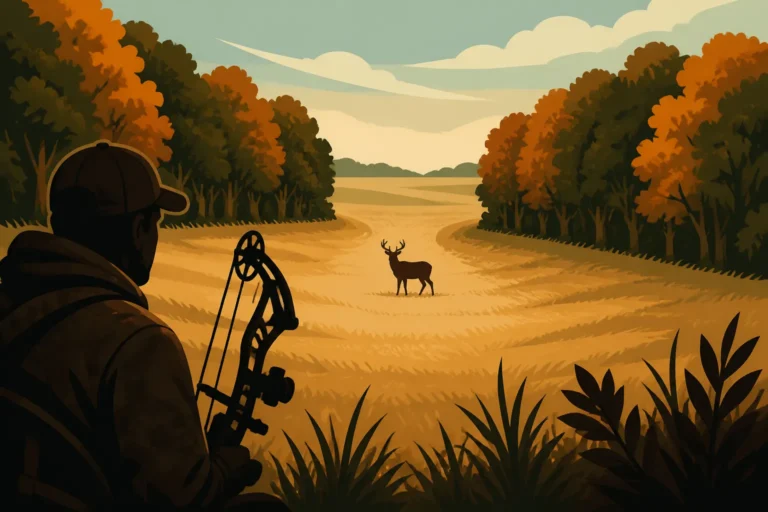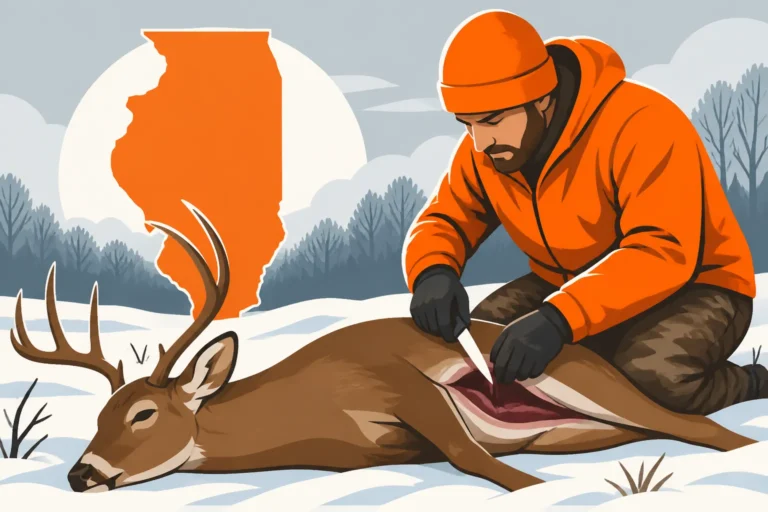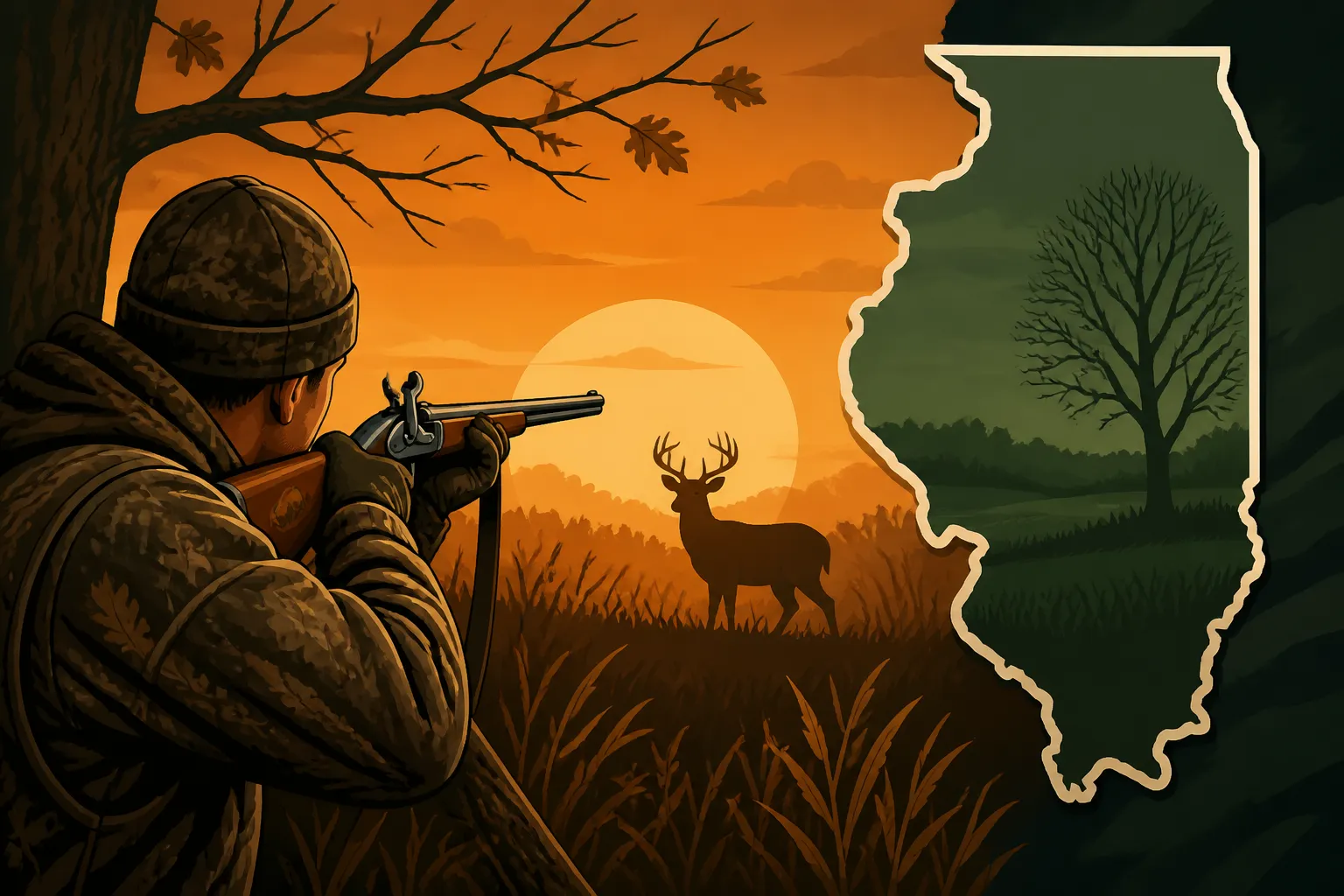
Hunting Into the December Muzzleloader Close
Hunting in Illinois during December, especially as the muzzleloader season draws to a close, presents a unique set of challenges. The biting cold, dwindling food sources, and increased deer pressure can make success feel elusive. This guide aims to equip you with the knowledge and strategies to navigate these late-season conditions, helping you understand deer behavior, refine your tactics, and choose the right gear to punch your tag before the season ends.
Understanding Illinois's December Muzzleloader Season Dynamics
The Illinois deer season structure is designed to offer various hunting opportunities, and the late muzzleloader period is a critical component. However, many hunters find this window tough. It often falls after other firearm seasons, meaning deer have been pressured, and the landscape has changed dramatically from early fall.
Key Dates and Regulations for the Muzzleloader Close
Illinois's muzzleloader-only deer season typically provides a short, intense hunting window, usually in mid-December. This period follows the second firearm season, which means deer have likely encountered hunters, heard gunshots, and are on high alert. To participate, you'll need a valid hunting license, an Illinois State Habitat Stamp, and a specific muzzleloader deer permit. Always double-check the Illinois Department of Natural Resources (IDNR) website for the exact dates and regulations each year, as they can shift slightly.
When it comes to legal weapons, you're restricted to muzzleloaders, which are single-shot, cap-and-ball or in-line rifles firing a single projectile (not shot). There are specific minimum bullet diameters, usually around .44 caliber, and often restrictions on powder types and sabots. Understanding these nuances is crucial, as an illegal setup could result in serious penalties. Once you've harvested a deer, remember the stringent Illinois Deer Reporting Requirements, which mandate reporting your harvest online or via phone by 10 PM on the same day the deer was killed. It’s a vital step that contributes to the state’s deer management data.
The Impact of Overlapping Seasons and Pressure
The late muzzleloader season often feels like the final sprint, and it happens on a landscape that's been thoroughly hunted. Deer have grown incredibly wary. They've adapted to human presence, learned to differentiate safe zones from high-pressure areas, and their movement patterns often become almost entirely nocturnal, especially during daylight hours. This pressure is compounded if the muzzleloader season directly overlaps or immediately follows other firearm seasons. The constant scent of hunters, the sound of gunshots, and the sight of camouflaged figures force deer into tight, secure cover.
This makes scouting even more critical. While earlier seasons might allow for more aggressive tactics, the late muzzleloader close demands extreme caution. Deer will quickly pick up on any mistakes – a noisy walk-in, an improperly placed stand, or even a sudden shift in wind. You're no longer just hunting deer; you're hunting deer that have survived weeks or even months of intense hunting pressure, making them the most challenging and often the most mature animals in the herd. It requires patience, precision, and an almost invisible approach.
Late-Season Deer Behavior and Movement
As winter truly sets in across Illinois, deer behavior shifts dramatically. Their primary drivers become survival: finding enough calories to sustain themselves and seeking adequate thermal protection from the elements. Understanding these fundamental needs is the key to unlocking late-season success.
Prioritizing Food and Thermal Cover
When temperatures plummet and snow blankets the ground, a deer's focus narrows down to two critical resources: high-energy food and dense thermal cover. Agricultural fields, especially standing corn or beans that haven't been fully harvested, become absolute magnets. These forgotten crops offer a high-calorie reward that deer desperately need to maintain body heat. Other late-season options include unharvested soybeans, winter wheat, clover plots, or areas where leftover acorns might still be accessible under a light snow cover. This is when knowing your Late-Season Food Sources for Illinois Whitetails really pays off.
Beyond food, thermal cover is paramount. Think dense cedar thickets, large stands of pines, thick regenerating clear-cuts, or even thick creek bottoms with downed timber and heavy brush. These areas provide crucial insulation from bitter winds and deep snow, allowing deer to conserve energy. Often, deer will bed on south-facing slopes, catching any available sunlight, which can be just enough to make a difference on a frigid day. Identifying these bedding areas adjacent to primary food sources and understanding the travel corridors between them is where you’ll find success. A tool like GoHunt's mapping features can be invaluable here, helping you pinpoint these specific habitat types and potential transition routes on a cold December morning.
Adapting to Cold Fronts and Weather Shifts
Deer, like most wildlife, are highly attuned to changes in weather. A significant cold front rolling through Illinois, particularly one preceded or accompanied by snowfall, can trigger a burst of feeding activity. Deer know instinctively that harsher weather is coming, and they'll try to pack in as many calories as possible before conditions worsen. This makes the day before or the day of a major weather event a prime time to be in the woods.
Conversely, during periods of extreme, sustained cold and heavy snow, deer may limit their movement to only the most necessary feeding forays. They'll often move at midday, or during short windows, to minimize energy expenditure. This demands flexibility from the hunter. You might need to adjust your Cold-Weather Sitting Strategy in Illinois, opting for shorter hunts during peak movement times or focusing on areas that offer maximum thermal comfort for yourself, allowing you to stay longer. Don't be afraid to hunt midday during these periods; sometimes, that's when a mature buck makes his only appearance. Understanding how deer react to "Hunting Deer After a Cold Front" can give you a significant edge in these challenging conditions.
Strategic Tactics for December Muzzleloader Hunting
Hunting into the December muzzleloader close requires a refined approach. Deer have been educated, the landscape is open, and every move you make is scrutinized. Precision, patience, and minimizing your impact are key.
Glassing and Patient Observation
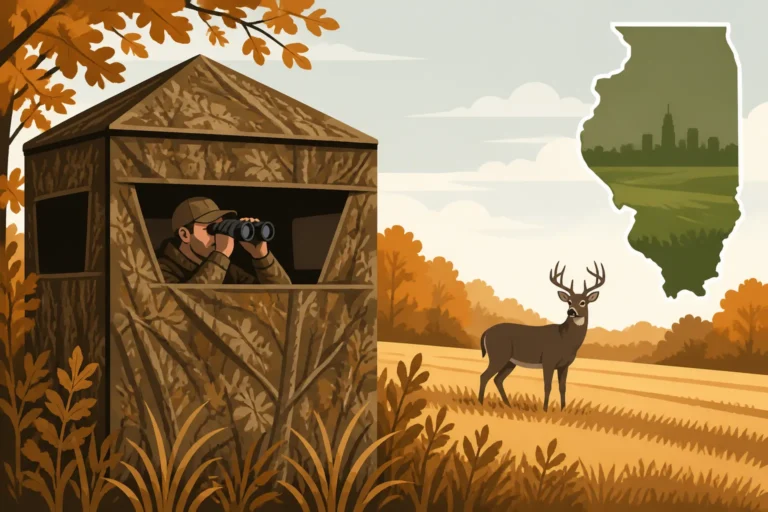
In the late season, especially in open Illinois farm country, your optics are arguably your most important tool. Spend significant time glassing fields, CRP (Conservation Reserve Program) fields, and distant timber edges from a vantage point well before legal shooting light. A good pair of binoculars or a spotting scope can reveal deer activity without you ever having to step foot in their core areas. Look for subtle movements, a flick of an ear, or deer emerging from cover to feed. This approach minimizes pressure and allows you to confirm current food sources and travel patterns.
This patient observation is even more critical for areas like the Rock River Valley or Central Illinois farmland, where large, open fields are common. You're not looking for deer to chase; you're looking for patterns you can intercept. Once you identify consistent movement, you can then plan an ambush. For instance, if you're seeing deer filter out of a specific woodlot into a standing bean field every evening, you can then focus your efforts on setting up a ground blind or a treestand along that specific travel corridor, downwind, and during the midday, to avoid spooking them. Having high-quality maps on an app like GoHunt can help you mark these observations and plan your approach routes without disturbing the area.
Still-Hunting and Stand Placement Near Sanctuaries
When deer are heavily pressured, they seek out sanctuaries – areas of dense, overlooked cover where they feel safe. These can be small, forgotten pockets of thicket, deep creek bottoms, or even just the hardest-to-reach corners of a public timber block. Still-hunting, which involves moving through the woods very slowly and deliberately, pausing frequently to observe and listen, can be incredibly effective in these tight, thick areas. Focus on the nuances of Hunting Illinois River Bottom Funnels or deep ravines where deer might be holed up. You're not trying to push deer; you're trying to sneak up on them in their hiding spots.
When it comes to stand placement, aim for the edges of these sanctuaries or along transition routes leading to known food sources. Think about bottlenecks, where deer are funneled through a narrow strip of cover. Since foliage is minimal in December, concealment is paramount. Ground blinds brushed in effectively can be highly successful, as they offer good concealment and warmth. When hanging a treestand, choose trees that offer excellent cover from multiple angles, and ensure your access and exit routes are silent and avoid disturbing the sanctuary itself. Always prioritize being downwind of your anticipated deer movement and pay meticulous attention to scent control.
Leveraging Public Versus Private Land Challenges
Hunting public land in Illinois during the late muzzleloader season can be a tough grind. Many areas have seen heavy pressure, and the remaining deer are often ghosts. However, don't despair! Public lands often hold "hidden gems" – pockets of thick cover that most hunters overlook or deem too difficult to access. These can be steep draws, tangled clear-cuts, or swamps. Being willing to walk further, navigate tougher terrain, and use mapping tools to find these less-pressured spots can yield dividends. Look into hunting specific Illinois State Fish and Wildlife Areas or lesser-known county-owned lands, but be prepared for company.
Private land, on the other hand, often offers greater control and potentially less pressure, especially if it's managed specifically for deer. Securing Getting Private Land Permission in Illinois for late-season access can be a game-changer. Farmers are often more amenable to late-season hunting, particularly if you're offering to help manage their deer population or if unharvested crops are still out. Private land allows you to focus on specific food plots, unharvested fields, or secure bedding areas without the constant intrusion of other hunters. Regardless of whether you’re on public or private land, GoHunt's detailed satellite imagery and property line overlays can significantly help in planning your approach and understanding the surrounding landscape.
Essential Gear and Preparation for the December Cold
Hunting in December in Illinois isn't just about finding deer; it's about enduring the elements. The cold can be brutal, and proper gear isn't just a comfort; it's a safety necessity.
Muzzleloader Maintenance and Ammunition Choices
Your muzzleloader is your connection to the deer, and cold, damp conditions can wreak havoc on its performance. Moisture is the enemy of black powder and primers. Ensure your muzzleloader is meticulously cleaned before each hunt, and consider using a desiccant pack in your gun case to absorb moisture. Protect the muzzle from snow and rain with electrical tape or a balloon. Carry spare primers in a waterproof container and keep them warm, perhaps in an inner pocket. Cold primers can lead to misfires.
When it comes to ammunition, experiment with different bullet and sabot combinations to see what performs best in your rifle. Saboted projectiles often offer better accuracy and velocity for longer shots, which can be critical in open late-season fields. Consider heavier bullets for better energy retention at longer distances. Ensure your powder charge is consistent, and always practice shooting in cold weather to understand any potential shifts in point of impact. The last thing you want is a missed shot due to a cold bore or a finicky primer. This preparation will set you up for success during the crucial Hunting Into the December Muzzleloader Close.
Staying Warm and Concealed
Layering is non-negotiable for late-season Illinois hunting. Start with a moisture-wicking base layer against your skin. Add insulating layers like fleece or down for warmth, and top it off with a waterproof, windproof outer shell. Don't forget extremities: a warm hat (or two), insulated gloves or mittens (with finger access for shooting), and insulated boots with wool socks are crucial. Chemical hand and foot warmers are your best friends in extreme cold. They can make the difference between a miserable hunt and a tolerable, even enjoyable, one.
While concealment is important, especially with the limited natural cover, remember Illinois's blaze orange requirements during firearm deer seasons. You'll need to wear a minimum amount of solid blaze orange on your head, chest, and back. Modern blaze orange can be integrated into warm, insulated hunting apparel, allowing you to stay safe and warm without compromising too much on stealth. The goal is to maximize your time on stand comfortably, as patience is often the ultimate virtue during this final, challenging deer season.
| Late-Season Food Source | Description | Deer Appeal (1-5) | Typical Location | Hunter Strategy |
|---|---|---|---|---|
| Standing Corn | Unharvested corn stalks in agricultural fields. | 5 | Farm fields | Field edge stands, ambush points along entry/exit |
| Unharvested Soybeans | Leftover soybean pods, high in protein and fat. | 4 | Farm fields | Similar to corn, often browsed at night |
| Winter Wheat/Clover Plots | Green browse still accessible under light snow. | 3 | Food plots, crop rotations | Overlooking green fields, often early morning |
| Oak Groves (Acorns) | Acorns remaining on the ground, especially White Oak. | 2-3 (variable) | Timbered ridges, creek bottoms | Scouting for remaining nuts, still-hunting |
| Browse (Dogwood, Sumac) | Woody browse, bark, and twigs. | 2 | Thick cover, clear-cuts, swamps | Still-hunting thickets, transition areas |
Disclaimer
Hunting is an inherently dangerous activity. This guide is for informational purposes only and does not replace professional instruction, landowner permission, or strict adherence to all local, state, and federal hunting laws and regulations. Always prioritize safety, practice ethical hunting, and respect wildlife and private property. Check current Illinois DNR regulations before heading afield, as rules and dates can change annually.