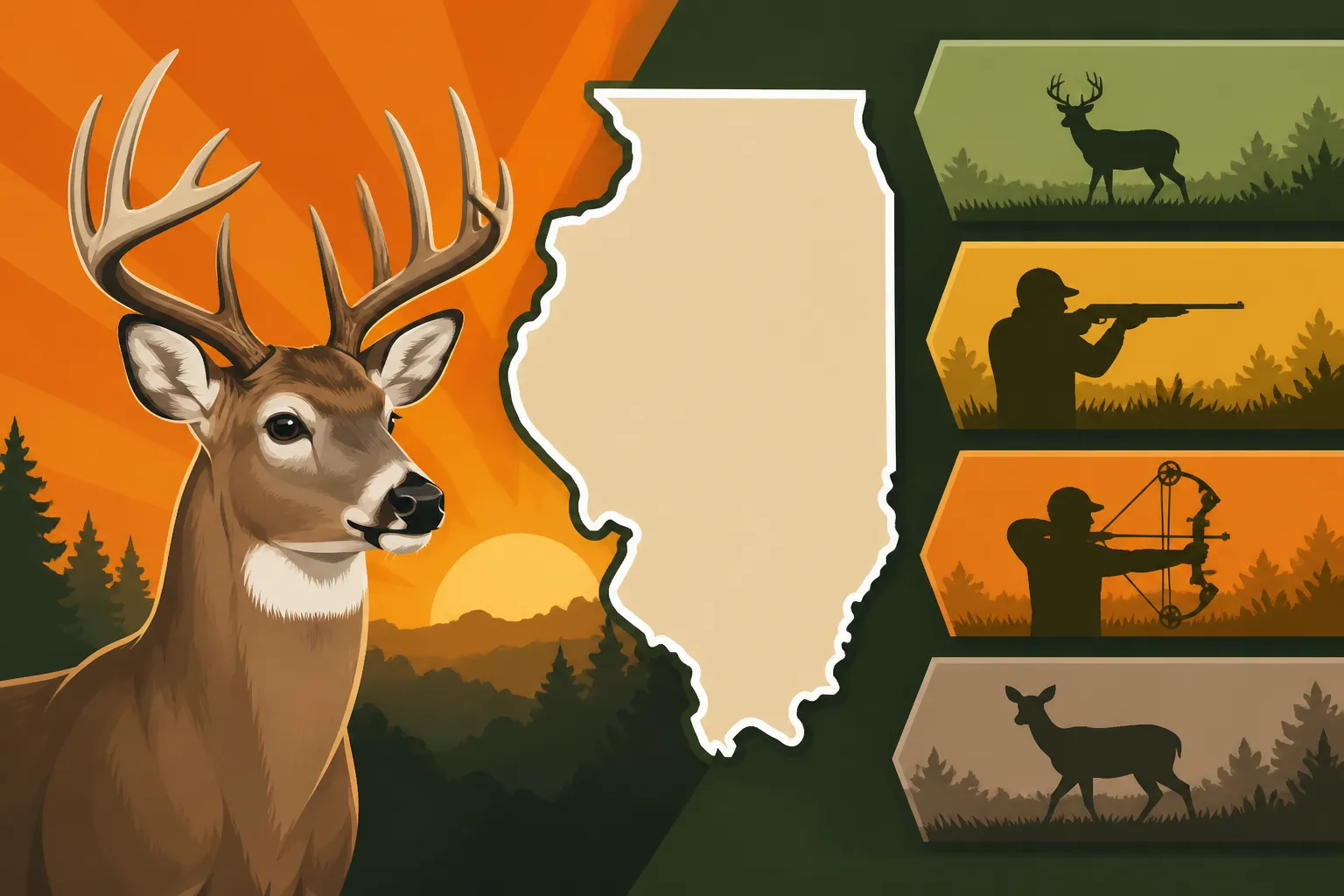
Illinois Deer Season Structure Explained
Navigating Illinois's deer hunting seasons can feel like trying to untangle a giant ball of yarn, especially with all the different weapon types, permit requirements, and regional variations. It’s a lot to keep track of, and missing a crucial detail can mean missing out on valuable time afield. This comprehensive guide is designed to break down the complexities of the Illinois deer season structure, helping you understand each phase, what you need to hunt it, and how to maximize your chances of success in the field.
Understanding the Illinois Deer Hunting Philosophy
Illinois manages its deer herd with a multi-faceted approach, balancing recreational opportunities for hunters with conservation goals and population control. Unlike some states with simpler season structures, Illinois offers a variety of seasons tailored to different hunting preferences and equipment. This approach ensures diverse hunting experiences while working to maintain a healthy deer population and mitigate issues like crop damage and deer-vehicle collisions. It can seem overwhelming at first, but each season serves a specific purpose in the grand scheme of managing Illinois's impressive whitetail herd.
The Rationale Behind Multiple Seasons
The primary reason for Illinois's varied deer seasons is to provide maximum opportunity for hunters while still effectively managing deer numbers. The state recognizes the different interests and capabilities of its hunting population, from the traditional archer who spends months in the woods to the firearm hunter who looks forward to the intensity of the short, high-harvest firearm periods. Each season, whether it's the lengthy archery stretch or the targeted late-winter antlerless hunts, plays a crucial role. These structured periods help distribute hunting pressure, target specific segments of the deer population (like antlerless deer for herd control), and allow for different hunting methods to be employed safely and effectively. It’s all about creating a system that works for both the deer and the hunters who pursue them.
General Season Overlaps and Considerations
It's important to remember that while deer hunting is primarily thought of as a fall activity, some seasons do overlap, and certain rules apply universally. For instance, Archery season is often open alongside the Youth Deer Season and even parts of the Muzzleloader and Late-Winter seasons in specific areas. During any open firearm season, archers in the field are generally required to wear hunter orange, even if they aren't using a firearm. This is a critical safety measure, so always double-check the current year's regulations before heading out. Moreover, the state uses a permit system that often dictates which specific counties or zones you can hunt, adding another layer of planning to your hunting strategy. Tools like GoHunt can be incredibly useful for keeping these dates and regulations straight, ensuring you're always in compliance and maximizing your time in the woods.
The Lengthy Archery Deer Season
The archery season in Illinois is a marathon, not a sprint, offering the longest continuous period for deer hunting in the state. This is where many hunters spend the bulk of their time afield, from the crisp days of early fall right through the colder stretches of late winter. It's a season that demands patience, keen observation, and an understanding of deer behavior throughout different phases of the year.
When the Bowhunting Action Begins and Ends
Illinois's archery season typically kicks off on October 1st each year, stretching all the way through to mid-January. This gives bowhunters an incredible window of opportunity, covering the early season, the peak of the rut, and the late season. For many, the anticipation for When Illinois's Archery Season Opens on October 1st is palpable, marking the true beginning of the deer hunting calendar. The season then generally closes around January 14th or 15th, depending on the year's calendar, giving hunters a chance to pursue deer even after the firearm seasons have concluded and the landscape has transformed with snow and cold. This long season allows for diverse hunting strategies, adapting to everything from early-fall feeding patterns to late-winter survival modes.
During the firearm deer seasons, archers are still permitted to hunt, but they must adhere to specific safety requirements, primarily wearing blaze orange. This overlap means hunters need to be extra vigilant and aware of other hunters in the woods, especially on public lands where pressure can be higher during the firearm periods.
Equipment and Crossbow Rules for Archery Season
The beauty of the archery season lies in its traditional roots, primarily involving compound bows, recurves, and longbows. However, Illinois has also embraced modern archery technology by allowing crossbows. Understanding the nuances of Crossbow Rules During Illinois Archery Season is crucial. Essentially, crossbows are legal during the entire archery season for all hunters, without any special permits or age restrictions, unlike in some other states. This inclusivity has opened up archery hunting to more individuals, including those with physical limitations or those who prefer the increased stability and range a crossbow can offer.
Regardless of whether you choose a traditional bow or a crossbow, ethical shot placement and effective range are paramount. Broadheads must be a minimum of 7/8 inch in width, and arrows should have an overall length of at least 20 inches. Practicing regularly with your chosen equipment is essential to ensure a quick, humane harvest when the moment of truth arrives. It's not just about what's legal, but what's ethical and responsible.
Illinois's Intensive Firearm Deer Seasons
The firearm deer seasons in Illinois are short, intense, and often yield the highest harvest numbers. These periods are broken into two distinct weekends, designed to concentrate hunting pressure and provide opportunities for hunters using modern firearms, shotguns, and straight-wall cartridge rifles. These seasons are a major event for many Illinois hunters, often involving family traditions, deer drives, and a strong sense of community.
The Two Distinct Firearm Splits
Illinois strategically divides its firearm deer hunting into two separate weekends to manage hunter density and harvest. The first firearm season usually occurs in mid-November, often coinciding with or just after the peak of the whitetail rut. This period is highly anticipated, as it offers hunters the chance to catch bucks still actively chasing does. The second firearm season follows in early December, typically a week or two after the first, providing a colder, post-rut opportunity when deer patterns have shifted. You can read more about How Illinois's Two Firearm Seasons Are Split to truly grasp the strategy behind these dates.
Many hunters will participate in both seasons, adapting their tactics as the deer behavior changes from the frantic energy of the rut to the more focused search for food in colder weather. The high hunter turnout during these short windows means that understanding deer movement patterns, especially on pressured public land, becomes even more critical.
Legal Weapons and Ammunition Requirements
One of the most common questions revolves around Legal Weapons During Illinois Firearm Season. Illinois has evolved its firearm regulations over the years to adapt to modern cartridges and hunter preferences. For many years, shotguns with slugs were the primary firearm choice, and they remain extremely popular. However, in recent years, the state has permitted the use of straight-wall cartridge rifles, offering increased accuracy and range for deer hunters. This includes cartridges like .45-70 Government, .350 Legend, and .450 Bushmaster, among others. These rifles must meet specific criteria regarding bullet diameter and case length.
Here’s a quick overview of legal weapon types:
| Weapon Type | Legal During Firearm Seasons | Specifics |
|---|---|---|
| Shotguns | Yes | 10, 12, 16, 20 gauge using only a single projectile (slug). |
| Muzzleloaders | Yes | .45 caliber or larger, loaded with a single projectile. |
| Handguns | Yes | .30 caliber or larger, with a minimum barrel length of 4 inches, using a case length of .900 to 2.0 inches, with certain exceptions for longer straight-wall cartridges. |
| Rifles (Straight-Wall) | Yes | Centerfire, straight-wall cartridge rifles with a minimum caliber of .30 and a maximum case length of 1.4 inches, or larger straight-wall cartridges with case lengths between .900 and 2.0 inches. No bottleneck cartridges allowed. |
| Archery Equipment | Yes (with blaze orange) | Bows, crossbows (as per archery season rules). |
It's absolutely vital to verify the exact specifications for your chosen firearm and ammunition each year, as regulations can be updated. This ensures you're compliant and ready for the field. Choosing between these options often comes down to personal preference, hunting terrain, and comfort with the specific weapon.
Navigating the First and Second Firearm Seasons
Hunting the first firearm season often means contending with an active rut and potentially higher hunter numbers. Deer are on the move, but so are other hunters, which can shift patterns dramatically. Many hunters focus on stands near known travel corridors, food sources, or bedding areas, using tactics like rattling and grunting in Illinois. It's a high-energy time, and success often comes to those who are patient and adaptable. The second firearm season, conversely, often features colder weather and a deer herd that has settled back into more predictable patterns, often revolving around key food sources. This is a great time to focus on Hunting the Second Firearm Season in December, where understanding late-season food sources and bedding cover is paramount. Deer drives can also be highly effective on Illinois public land during these periods, especially if you have a group of hunters working together. Regardless of the season, proper planning and scouting are key to a successful hunt.
Dedicated Muzzleloader-Only Season
For those who enjoy a more traditional challenge, Illinois offers a dedicated muzzleloader-only season. This period provides an exclusive opportunity for hunters using front-loading firearms, often in colder weather, fostering a unique hunting experience that blends historical methods with modern advancements in black powder technology.
Dates and Restrictions for Muzzleloader Hunters
The Illinois Muzzleloader-Only Season Dates typically fall between the first and second firearm seasons, or sometimes immediately following the second firearm season, usually for a short, concentrated window of about 3-4 days. This placement offers a slightly less pressured hunting environment compared to the general firearm seasons, as fewer hunters participate. Muzzleloaders are also legal during the general firearm seasons, but this dedicated period is specifically for those who choose to use only a muzzleloader.
Hunters must use a .45 caliber or larger muzzleloading rifle or shotgun, loaded with a single projectile. Modern inline muzzleloaders are common, but traditional flintlock and percussion cap rifles are also legal. The key is understanding that these are primitive weapons that require a different approach to shooting and tracking than modern cartridge firearms. This distinct season allows hunters to embrace that challenge fully.
Strategies for Muzzleloader Success
Success during the muzzleloader-only season often hinges on several factors. First, preparation is everything. Muzzleloaders require more careful cleaning and loading procedures, so practicing at the range is crucial. Knowing your firearm's effective range and trajectory is non-negotiable. Second, given the often colder temperatures, deer will be focused heavily on reliable food sources. Hunting Illinois River Bottom Funnels or timbered creek bottoms where deer travel between feeding and bedding areas can be highly effective.
Many muzzleloader hunters prefer still-hunting or setting up in ground blinds near known deer activity. The slower loading time and often single-shot nature of muzzleloaders mean that making the first shot count is even more critical. Cold weather also means you need to be prepared for tracking, as blood trails can be more challenging to follow in snow or frozen ground. This season truly rewards patient, methodical hunters who have a deep understanding of deer behavior and their equipment.
Late-Winter Antlerless-Only Season
Illinois also implements a Late-Winter Antlerless-Only season, a targeted effort to manage deer populations, particularly in counties where herd control is a priority. This season is specifically designed to reduce the female deer population, which directly impacts overall herd growth.
Purpose and Eligibility
The primary purpose of the Illinois Late-Winter Antlerless Season Rules is population control. In certain counties where deer numbers are higher than desired, or where Chronic Wasting Disease (CWD) is a concern, targeting antlerless deer (does and fawns) helps to bring the population into balance with available habitat and reduce disease transmission. This season typically runs for a few days in January, often immediately following the close of the regular archery season. It provides an additional opportunity to harvest a deer, specifically to help with herd management goals.
To participate, hunters usually need a valid firearm deer permit for the specific county in which they intend to hunt, and it must be an antlerless-only permit. Not all counties are open for this season, so checking the current year's regulations for participating counties is vital. It’s an opportunity to contribute directly to wildlife management efforts while extending your time in the deer woods.
Tactics for Late-Season Antlerless Success
Hunting during the late-winter antlerless season presents unique challenges and opportunities. By mid-January, deer have been pressured for months, and food sources are often scarce, especially after severe cold or heavy snow. Deer will be highly concentrated around the best available sustenance. This makes scouting for Late-Season Food Sources for Illinois Whitetails absolutely critical. Think standing crop fields, food plots (if on private land), and areas with remaining hard mast like oaks.
Movement patterns are often highly predictable: deer will travel from thick thermal cover (bedding) to food sources, often in large groups. Setting up ground blinds or treestands along these travel routes, especially on wind-protected slopes or thickets, can be very effective. Since only antlerless deer can be harvested, patience in identifying your target is key. This season is less about trophy hunting and more about putting venison in the freezer and contributing to healthy herd management.
The Youth Deer Hunting Weekend
Illinois is committed to fostering the next generation of hunters, and the Youth Deer Season is a testament to that dedication. This special weekend provides young hunters with an exclusive, less pressured opportunity to harvest a deer, often with a mentor by their side.
Dates and Requirements for Young Hunters
The Hunting the Illinois Youth Deer Weekend Dates typically occur in early October, usually preceding the statewide firearm season. This timing is intentional, as it places young hunters in the field when temperatures are generally mild, deer are less pressured, and the rut is often just beginning to stir. It creates a fantastic, comfortable environment for learning and success. To participate, youth hunters (typically under 18 years old, though age ranges can vary slightly by year) must have a valid hunting license, a Habitat Stamp, and an antlerless-only or either-sex youth deer permit for the county they are hunting.
Crucially, each youth hunter must be accompanied by an adult who holds a valid Illinois hunting license and a Habitat Stamp. This adult cannot hunt or carry a firearm, but they are there to mentor, guide, and ensure safety. This creates a valuable bonding experience and a crucial opportunity for mentorship in the field.
Mentorship and Learning in the Field
The Youth Deer Season is as much about education and experience as it is about harvesting a deer. It's a chance for mentors to teach vital skills like ethical hunting practices, firearm safety, wildlife identification, and patience. The relaxed atmosphere, often with fewer hunters in the woods, allows for more teaching moments and less pressure to perform. This is a perfect time to take a young hunter on Scouting Illinois Public Land Before Season, teaching them how to read sign and identify prime hunting spots.
Many families create lasting memories during this weekend, whether or not a deer is harvested. It's about instilling a love for the outdoors, respect for wildlife, and understanding conservation. For many, this is their first step into the wider world of hunting, setting the stage for a lifetime of outdoor adventure. The adult mentor's role is absolutely crucial in making this a positive and educational experience for the youth hunter.
Illinois Deer Permit System
Understanding the Illinois deer permit system is perhaps the most critical, and often the most confusing, aspect of hunting in the state. From resident vs. nonresident permits to various lottery systems and over-the-counter options, it requires careful attention to detail and timely application.
Resident Versus Nonresident Permits
Illinois has a two-tiered permit system: one for residents and another for nonresidents, with Illinois Resident Deer Permit Options generally being more accessible and affordable. Residents have access to a broader range of permits, including various archery, firearm, and muzzleloader options, often through an online lottery or over-the-counter sales. Many resident archery permits are available over-the-counter and are generally valid statewide, though some specific public sites have their own permits.
Nonresidents, on the other hand, face stiffer competition and higher costs, as outlined in Illinois Nonresident Deer Permit Costs. Nonresident permits, especially for firearm and archery, are often allocated through a lottery system and are quota-based per county. This means nonresident hunters must apply well in advance, often in late spring or early summer, and hope they are drawn for their desired county and season. Securing a nonresident firearm permit can be particularly challenging due to high demand for Illinois's reputation for trophy whitetails.
Navigating the Lottery and Over-the-Counter Sales
Most firearm and some archery permits are allocated through an online lottery system managed by the Illinois Department of Natural Resources (IDNR). Hunters apply for specific counties and permit types (e.g., antlerless-only, either-sex). The Illinois Site Permit Draw Process for specific public lands also follows a similar lottery structure. If unsuccessful in the initial lottery, there are often subsequent lottery phases or leftover permit sales. For general archery permits, residents can usually purchase them over-the-counter (OTC) at license vendors or online, providing much greater flexibility.
Nonresidents generally rely heavily on the lottery, and securing a permit often dictates their hunting plans. It's a good idea to research draw odds and consider applying for less popular counties if your primary goal is simply to hunt. Keep a close eye on the IDNR website for application deadlines, as these are strict and unforgiving. Utilizing resources like the GoHunt app or website can help track application periods and permit availability, ensuring you don't miss out on an opportunity.
Mandatory Deer Reporting and CWD
Harvesting a deer in Illinois doesn't end when the animal is down. There are mandatory reporting requirements and, depending on your hunting location, important considerations regarding Chronic Wasting Disease (CWD). These steps are crucial for wildlife management and disease monitoring.
Reporting Your Deer Harvest
Once you've harvested a deer, Illinois Deer Reporting Requirements mandate that you report your harvest to the IDNR by 10 p.m. on the same day the deer was killed. This can be done online through the IDNR website or via their mobile app. You'll need your permit number and details about the harvest location (county, nearest town), sex of the deer, and approximate age class. This data is incredibly valuable to wildlife biologists, helping them track harvest numbers, monitor population trends, and make informed management decisions for the state's deer herd.
Failing to report a harvest is a violation and can result in penalties. It's a simple, quick process, and it's a fundamental responsibility of every hunter in Illinois. Before you even head out, ensure you know how to access the reporting system, whether that's through the app or by bookmarking the website on your phone.
Chronic Wasting Disease and Carcass Movement
Illinois has been actively fighting Illinois's Chronic Wasting Disease Zone for over two decades. CWD is a fatal neurological disease affecting deer and other cervids. Certain counties, primarily in northern Illinois but expanding, are designated as CWD counties. If you hunt in one of these counties, specific rules apply. The IDNR often encourages or sometimes mandates CWD testing for harvested deer within these zones. You can find drop-off locations or check stations for sampling.
Crucially, Illinois Carcass Movement Restrictions are in place to prevent the spread of CWD. If you harvest a deer in a CWD-positive county, you cannot transport the whole carcass out of that county. Only deboned meat, clean skull plates, antlers, and certain other processed parts are allowed to cross county lines. This is a critical regulation, and violating it can have serious consequences for both hunters and the health of the broader deer herd. Always check the latest IDNR CWD regulations for the most up-to-date information, especially if you plan to hunt in or near a known CWD management area. Knowing these rules beforehand will save you a lot of headache and ensure you're doing your part to keep Illinois's deer healthy.
Disclaimer
Always consult the official Illinois Department of Natural Resources (IDNR) hunting regulations for the current year before participating in any hunting activity. Regulations can change annually, and it is the hunter's responsibility to be aware of and comply with all applicable laws and rules.