Illinois Blaze Orange Requirements
One of the trickiest parts about venturing into Illinois's beautiful woods and fields, especially when multiple hunting seasons overlap, is figuring out exactly what safety gear you need to wear. It can feel like a constantly shifting puzzle, and nobody wants to be out there feeling unsafe or, worse, running afoul of the law. This guide is going to meticulously break down all the Illinois blaze orange requirements, ensuring you're not just compliant, but genuinely safe and confident every time you step afield.
The Rationale Behind Blaze Orange Regulations
Let's be honest, sometimes regulations feel like red tape, right? But when it comes to blaze orange, these rules are literally about life and death. The goal is simple: to make hunters highly visible to other hunters, reducing the risk of accidental shootings. Illinois, like many states, has learned through decades of experience and unfortunately, tragic accidents, that high-visibility clothing is a crucial component of hunter safety. It’s not about spooking game, as many might initially think; it’s about making sure every hunter returns home safely at the end of the day.
The Science of Visibility
The human eye, especially in varying light conditions and through dense foliage, can play tricks on you. What looks like a deer or turkey to one hunter might simply be a fellow sportsman in camouflage. Blaze orange, or hunter orange, isn't just a bright color; it's specifically designed for high contrast against natural environments like greens, browns, and grays. It's not a color found in nature, which makes it pop to the human eye, even for those with certain types of color blindness. While deer and most other game animals are largely colorblind to reds and oranges, seeing these colors as shades of gray, humans perceive blaze orange with incredible clarity. This biological fact is the bedrock of why it's so effective. It allows you to be seen by other hunters without necessarily alerting the game you're pursuing.
Historical Impact on Hunting Safety
Before widespread blaze orange requirements, hunting accidents were a more common and devastating occurrence. Early hunting seasons were often characterized by hunters dressed in drab colors, blending into the very environment they were trying to hunt in. This led to tragic misidentifications, particularly in low light or thick cover. Once states began implementing mandatory blaze orange laws, the statistics on accidental shootings plummeted dramatically. It stands as one of the most successful and impactful hunter safety initiatives ever introduced. The regulations aren't just arbitrary rules; they are the result of careful analysis and a commitment to ensuring that hunting remains a safe and enjoyable pastime for everyone involved. The continuous effort to update and refine these regulations, as seen with the introduction of blaze pink, shows an ongoing dedication to improving hunter safety standards.
Illinois Specific Blaze Orange Requirements for Deer Hunting
Illinois has specific regulations regarding blaze orange, primarily focusing on deer hunting seasons where the use of firearms is permitted. It's absolutely crucial to understand these nuances, especially with the state's varied hunting opportunities and overlapping seasons. Neglecting these rules isn't just a fine waiting to happen; it’s a serious safety risk.
Firearm Deer Season Rules
During Illinois's two separate firearm deer seasons – the first and second — and the Illinois Muzzleloader-Only Season Dates, wearing blaze orange is not just recommended, it's mandatory. The rules are pretty straightforward: every hunter, regardless of whether they are actively hunting or just accompanying a hunter, must wear an outer garment of solid blaze orange that covers at least 400 square inches of their body. This usually means a vest and a hat. The key here is "solid" blaze orange, meaning it shouldn't be broken up by large camouflage patterns or other colors that reduce its visibility.
The idea is to create a large, unmistakable block of color that signals "human hunter" from a distance. Even if you're deep in the timber during the Illinois First Firearm Weekend Dates or Illinois Second Firearm Weekend Dates, that splash of orange is your best defense against another hunter mistaking you for game. Remember, this applies to all individuals present in the hunting party, even if they aren't carrying a weapon. Safety is a collective responsibility, and Illinois’s regulations reflect that commitment.
Archery Season During Firearm Overlap
This is where things can get a little confusing for some hunters, and it’s a point of frequent questions. Illinois’s archery deer season is a long one, often overlapping with the brief but intense firearm deer seasons. If you're a bowhunter enjoying Bowhunting Illinois's Long Archery Season and find yourself in the woods during any of the firearm deer seasons (shotgun, muzzleloader, or the youth firearm hunt), you must wear blaze orange, even if you are only carrying a bow. The same 400 square inches rule applies.
This overlap is critical to understand. Just because you're using a bow doesn't exempt you from the blaze orange requirement if firearm hunters are also legally present in the field. The rationale is purely safety-driven: during these high-pressure firearm seasons, visibility is paramount for everyone. Many bowhunters prefer to avoid these overlap periods precisely to steer clear of the added gear and potential for increased hunting pressure, but if you choose to hunt then, donning your orange is non-negotiable. Using tools like a GoHunt subscription can help visualize these season overlaps on property maps, ensuring you're aware of other user types during your hunt.
Special Seasons and Permit Requirements
Beyond the general firearm and archery overlap rules, Illinois also has specific mandates for certain other hunting opportunities. For instance, during the Hunting the Illinois Youth Deer Weekend, all youth hunters and their accompanying adult mentors must adhere to the blaze orange requirements. This usually includes the 400 square inches rule, ensuring maximum safety for our youngest hunters and their guardians.
Similarly, specific permit hunts on public lands, such as those at state parks or fish and wildlife areas, often reiterate or even expand upon these requirements. Always double-check the specific regulations for any managed or quota hunts you participate in, as they might have additional site-specific rules beyond the statewide mandates. While the general rules for Illinois Deer Season Structure Explained provide a good baseline, understanding that individual sites or special seasons might have tighter restrictions is part of being a responsible hunter. This diligence prevents misunderstandings and ensures a safe experience for all participants.
Small Game and Other Species Regulations
While deer hunting often takes center stage when discussing blaze orange, it's important to remember that these visibility requirements can extend to other species and seasons in Illinois. The goal is always the same: to minimize the risk of accidents when multiple hunters might be in the same general area, pursuing different game.
Upland Game and Migratory Birds
When it comes to small game like rabbits and squirrels, or upland birds such as pheasant and quail, Illinois has clear guidelines. Hunters pursuing upland game, especially during controlled pheasant hunting programs or during open seasons on state-managed lands, are typically required to wear blaze orange. The rationale is similar to deer hunting: you have multiple hunters, sometimes with dogs, moving through cover. The chance of someone being in an unexpected spot is higher, making visibility crucial. Specific requirements for Illinois Pheasant Season and Stocking often mandate a certain amount of blaze orange, like a hat and vest.
However, for many migratory bird species, like dove or waterfowl, blaze orange is generally not required, and in fact, camouflage is preferred for concealment. Imagine trying to hunt ducks or geese in a layout blind with a bright orange vest! That just wouldn't work. The key is understanding the context: if you're hunting in an area where other hunters might be using firearms for larger game, or if you're specifically targeting upland game where visibility is key, wear the orange. Always check the current Illinois Small Game Season Rules for the most up-to-date information, as regulations can sometimes change or have specific exceptions based on the location or game being pursued.
Predator Hunting Considerations
Predator hunting, particularly for species like coyotes, can fall into a gray area regarding blaze orange requirements, mainly because it often involves camouflage and concealment. During specific regulated seasons for furbearers, or when predator hunting during a firearm deer season, the blaze orange rules often align with the primary deer season regulations. If you're calling coyotes in an area where deer hunters might also be present during a firearm deer season, then yes, you absolutely need to be wearing your blaze orange. The danger isn't that you'll spook a coyote, but that a deer hunter might mistake your movement or profile for their target.
However, if you're pursuing Predator Hunting in Illinois during an archery-only deer season, or at night, or in an area with no overlapping firearm seasons, then blaze orange is typically not required. Many predator hunters prioritize camouflage to get close to their quarry. The common sense rule of thumb is: if there's any chance of other firearm hunters being in the vicinity, especially during daylight hours, err on the side of safety and put on your blaze orange. While using a resource like GoHunt can help you understand public land boundaries and potential hunting pressure, ultimately, it's up to each hunter to assess their situation and prioritize safety.
Understanding Minimum Coverage and Placement
Just knowing that "blaze orange is required" isn't enough; understanding the specifics of how much and where to wear it is equally important. Illinois is quite precise in its requirements, and adhering to these details is what truly makes the regulation effective for hunter safety.
Vest, Hat, and Outerwear Requirements
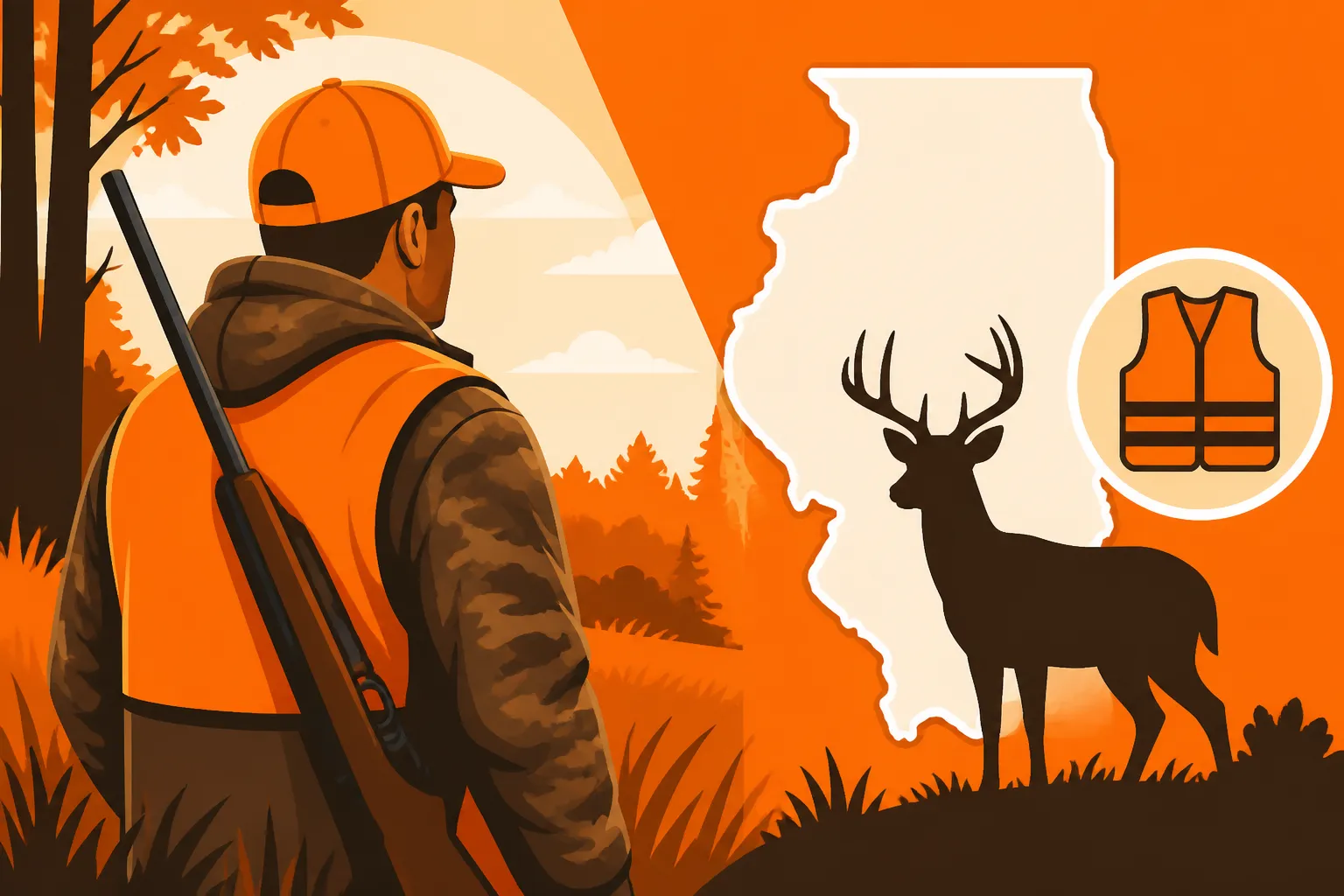
Illinois law states that hunters must wear at least 400 square inches of solid blaze orange on their outermost garment, and this must include a blaze orange cap or hat. The "outermost garment" part is key. You can't just wear a blaze orange t-shirt under a camo jacket and call it good. The orange needs to be visible from all directions, front, back, and sides, and it needs to be the first thing another hunter sees. This typically means a blaze orange vest or jacket worn over your regular hunting clothes, combined with a blaze orange cap.
The 400 square inches is usually met by a standard-sized blaze orange vest and hat. When you're out there, imagine another hunter trying to spot you in dense cover. A little patch here or there won't cut it. The goal is to make your presence undeniable. It’s not about blending in, it's about standing out, emphatically. Ensuring that your blaze orange is clean and not faded also contributes to its effectiveness. A dingy, washed-out orange offers less visibility than a vibrant, fresh garment.
Blaze Pink as an Alternative in Illinois
In a forward-thinking move aimed at encouraging more diverse participation in hunting, Illinois has joined a number of other states in allowing blaze pink as an alternative to blaze orange. Illinois Blaze Pink Options Under Illinois Law are the same as blaze orange: hunters must wear at least 400 square inches of solid blaze pink on their outermost garment, including a blaze pink cap or hat. This offers hunters a choice while maintaining the same high standard of visibility.
Scientific studies have shown that blaze pink is equally, if not more, visible to the human eye, especially in low light conditions, and like blaze orange, it doesn't alarm game animals. For hunters who prefer it, or perhaps for those with certain types of color blindness where blaze pink might be more distinguishable, it's a fantastic option. The important thing is the high visibility, not the specific hue of the safety color itself. It's about personal preference meeting public safety.
| Season Type | Blaze Orange/Pink Required? | Minimum Coverage | Exceptions/Notes |
|---|---|---|---|
| Firearm Deer Seasons (Shotgun, Muzzleloader) | Yes (Mandatory for all hunters/companions) | 400 sq. inches outermost garment + cap/hat | Applies to all firearm deer seasons, including youth hunts. |
| Archery Deer Season (during firearm overlap) | Yes (Mandatory for all hunters/companions) | 400 sq. inches outermost garment + cap/hat | If any firearm deer season is open in your county, bowhunters must wear it. |
| Archery Deer Season (no firearm overlap) | No | N/A | Concealment is generally preferred. |
| Upland Game (Pheasant, Quail, Rabbit) | Yes (Mandary for some controlled areas, highly recommended elsewhere) | Varies by site/season, often vest + hat | Check specific site regulations, especially for public land hunting. |
| Migratory Birds (Ducks, Geese, Dove) | No | N/A | Camouflage is preferred for concealment. |
| Predator Hunting (during firearm overlap) | Yes | 400 sq. inches outermost garment + cap/hat | If any firearm deer season is open, or if you're on public land with other hunters present. |
| Predator Hunting (no firearm overlap/night) | No | N/A | Concealment is preferred. |
Common Misconceptions and Best Practices
Even with clear regulations, certain myths and misunderstandings persist regarding blaze orange. Addressing these can further enhance safety and ensure hunters make informed decisions, going beyond mere compliance to truly embracing safety as a core hunting ethic.
Public vs. Private Land Differences
A common misconception is that blaze orange requirements only apply to public hunting land. This is absolutely false in Illinois. The blaze orange regulations for firearm deer season, and during overlap periods, apply statewide, regardless of whether you're hunting on public or private property. Illinois law doesn't differentiate here; if the season requires it, you must wear it. This is a critical point, as many private land hunters might assume they are exempt or "safer" because they control access. However, accidents can happen anywhere, and the law reflects the universal need for visibility during firearm seasons. Whether you're hunting the vast expanses of the Shawnee National Forest or a small private woodlot in central Illinois, the rules for blaze orange remain the same.
Another aspect often misunderstood is landowner exemption. Sometimes, a landowner who lives on their property and is engaged in farming or other non-hunting activities might not be required to wear blaze orange, but this is a very specific exemption and does not apply to them if they are actively hunting or accompanying a hunter. If you're given permission to hunt private land in Illinois, it's your responsibility to know and follow all statewide regulations, including those concerning blaze orange. A helpful resource for understanding land use and potential conflicts is the onX Layers for Illinois Land Status, which can provide context about surrounding properties and public access points that might influence safety considerations.
The Role of Hunter Orange Beyond Legal Mandates
While legal mandates dictate minimums, smart hunters understand that blaze orange has benefits that extend far beyond simply avoiding a ticket. It's about personal responsibility and ethical hunting. Even if a specific season or scenario doesn't require blaze orange, many seasoned hunters will still wear a blaze orange hat or an extra piece of material if they're moving through dense cover, tracking game, or going in and out of their stand in low light. This is especially true during archery season in areas of high hunter traffic on public land where another archer might be moving in.
Think about the unexpected. What if you slip and fall, or get disoriented? That bright splash of color can be your best friend when search and rescue efforts are underway. It's a beacon. Furthermore, if you're taking a youth hunter out for Illinois Youth Deer Season Rules, ensuring they wear plenty of blaze orange, even if just for a scouting trip, helps instill those critical safety habits from a young age. It becomes second nature, a non-negotiable part of preparing for the hunt. It’s an investment in your safety and the safety of those around you.
Equipping Mentored Youth Hunters
Illinois offers a fantastic program for new and young hunters through its Illinois Apprentice Hunter License Rules. This program allows individuals to hunt under the direct supervision of a licensed adult without first completing a hunter education course. For these mentored youth hunts, especially during any firearm season, the blaze orange requirements are paramount. The youth hunter, as well as the accompanying mentor, must both meet the 400 square inch blaze orange/pink requirement.
For young hunters, who may be less experienced at identifying game or other hunters, this high visibility is even more critical. It protects them and helps the mentor keep track of their location, especially when moving through brush or when visibility is reduced. Parents and mentors should not only ensure their youth hunters have the correct blaze orange gear but also teach them why it's important. Explaining the safety aspect helps them understand and respect the regulations, turning compliance into a lifelong safety habit. Many outdoor apparel companies, like Huntworth, offer youth-sized blaze orange options, making it easier to properly equip young hunters.
Penalties for Non-Compliance and Enforcement
Ignoring blaze orange requirements in Illinois isn't just a lapse in judgment; it's a violation of hunting regulations with real consequences. The Illinois Department of Natural Resources (IDNR) takes these rules very seriously because of their direct link to hunter safety.
Conservation Police Officer Authority
Illinois Conservation Police Officers (CPOs) are the primary enforcers of hunting regulations in the state. They are fully commissioned law enforcement officers with the authority to stop, question, and cite hunters for violations, including those pertaining to blaze orange. CPOs conduct patrols across public and private lands, often focusing their efforts during peak hunting seasons like the firearm deer hunts. If a CPO encounters a hunter who is not in compliance with the blaze orange requirements, they have the authority to issue a citation.
These officers are not just looking to write tickets; their main goal is to promote safe hunting practices. They are often approachable and willing to answer questions, but they will not hesitate to enforce regulations when necessary. It’s their job to ensure that everyone in the field is adhering to the rules designed to prevent accidents. Being respectful and cooperative with a CPO is always the best approach, even if you find yourself in a situation where you might be cited.
Fines and Other Consequences
The specific penalties for failing to wear the required blaze orange in Illinois can vary, but generally, it's considered a conservation offense. This typically means a monetary fine, and like other conservation violations, it can potentially lead to points against your hunting license or even the suspension of hunting privileges in more severe or repeated cases. The exact fine amount can depend on the specific circumstances and the discretion of the court, but it's safe to say it's more than the cost of a blaze orange vest and hat.
Beyond the legal penalties, there’s the far more serious consequence of increased risk. Failing to wear blaze orange puts you and others in the field at a higher risk of being involved in a hunting accident. No fine or loss of hunting privileges can compare to the potential for injury or even death that comes from neglecting basic safety measures. Investing in proper blaze orange gear and consistently wearing it during required seasons is a small price to pay for your safety and the safety of your fellow hunters. Always ensure you are familiar with the Illinois Hunting Licenses and What They Cost and adhere to all accompanying regulations.
Disclaimer
Please note: The information provided in this article is intended for general guidance and informational purposes only. Hunting regulations, seasons, and requirements can change. Always consult the most current Illinois Department of Natural Resources (IDNR) hunting regulations and laws before planning or engaging in any hunting activities. It is the hunter's responsibility to know and adhere to all applicable state and federal laws and regulations.