Illinois Turkey Tag Transport Rules
There's nothing quite like the rush of a spring gobbler sounding off on the roost or the sudden appearance of a fall flock. But once that hard-earned bird is on the ground, the excitement can quickly turn to anxiety if you're not absolutely sure about the rules for getting it home legally. Many hunters worry about making a mistake with their turkey tag, especially when adrenaline is high and you're miles from the truck. This guide is here to walk you through every step of Illinois's turkey tag transport rules, ensuring you can celebrate your harvest without a single legal worry.
The Essentials of Carrying Your Turkey Tag in Illinois
Before you even step foot into the woods, knowing how to properly handle your turkey tag is paramount. It’s not just a piece of paper; it’s your legal permission slip, directly linking you to your harvested bird. The Illinois Department of Natural Resources (IDNR) takes tag compliance very seriously, and for good reason—these rules are designed to manage wildlife populations effectively and prevent illegal harvesting.
Why Your Tag Must Always Be On Your Person
Imagine spending hours perfecting your turkey calls, enduring cold mornings, and finally calling in that wary gobbler. You make the shot, and the bird is down. In that moment of triumph, the last thing you want is a conservation officer asking to see a tag that’s sitting back in your truck or, worse, at home on the kitchen counter. Illinois law is clear: your valid turkey permit, including the attached tag, must be on your person while you are hunting. This isn't just a suggestion; it's a legal requirement. This means tucked into your vest, secured in a pocket, or within immediate reach. It’s your proof that you have the legal right to harvest a bird in that specific zone and period. Trying to explain why your tag isn't with you is a situation no hunter wants to be in. Some hunters even use mapping apps like GoHunt to mark their vehicle's location and ensure they don't wander too far from where they expect to return with a bird, but your tag needs to be with you, not just accessible back at the vehicle.
Understanding Physical Versus Electronic Tags
Illinois generally provides hunters with physical turkey permits, which include the actual tag portion you'll use in the field. When you purchase your Illinois Hunting Licenses and What They Cost and subsequent turkey permits, you'll receive these documents. For spring turkey hunting, these are typically paper permits that need to be carried. While many states are moving towards fully digital tagging systems, Illinois still largely relies on a physical tag that you detach and affix to your bird. This is a crucial distinction. It means you can't just rely on a screenshot on your phone or an electronic record for field tagging. You need the tangible tag in your hand, ready to be attached the moment your bird hits the ground. Always double-check the current year's regulations on the IDNR website, as rules can occasionally evolve, but for turkey, the physical tag remains the standard.
Field Tagging Your Illinois Gobbler: The Crucial First Steps
This is where the rubber meets the road. The moment your turkey is down, the clock starts ticking on your responsibilities as a legal hunter. Incorrect or delayed field tagging can lead to significant issues, so understanding this process precisely is non-negotiable.
Attaching the Tag Immediately After Harvest
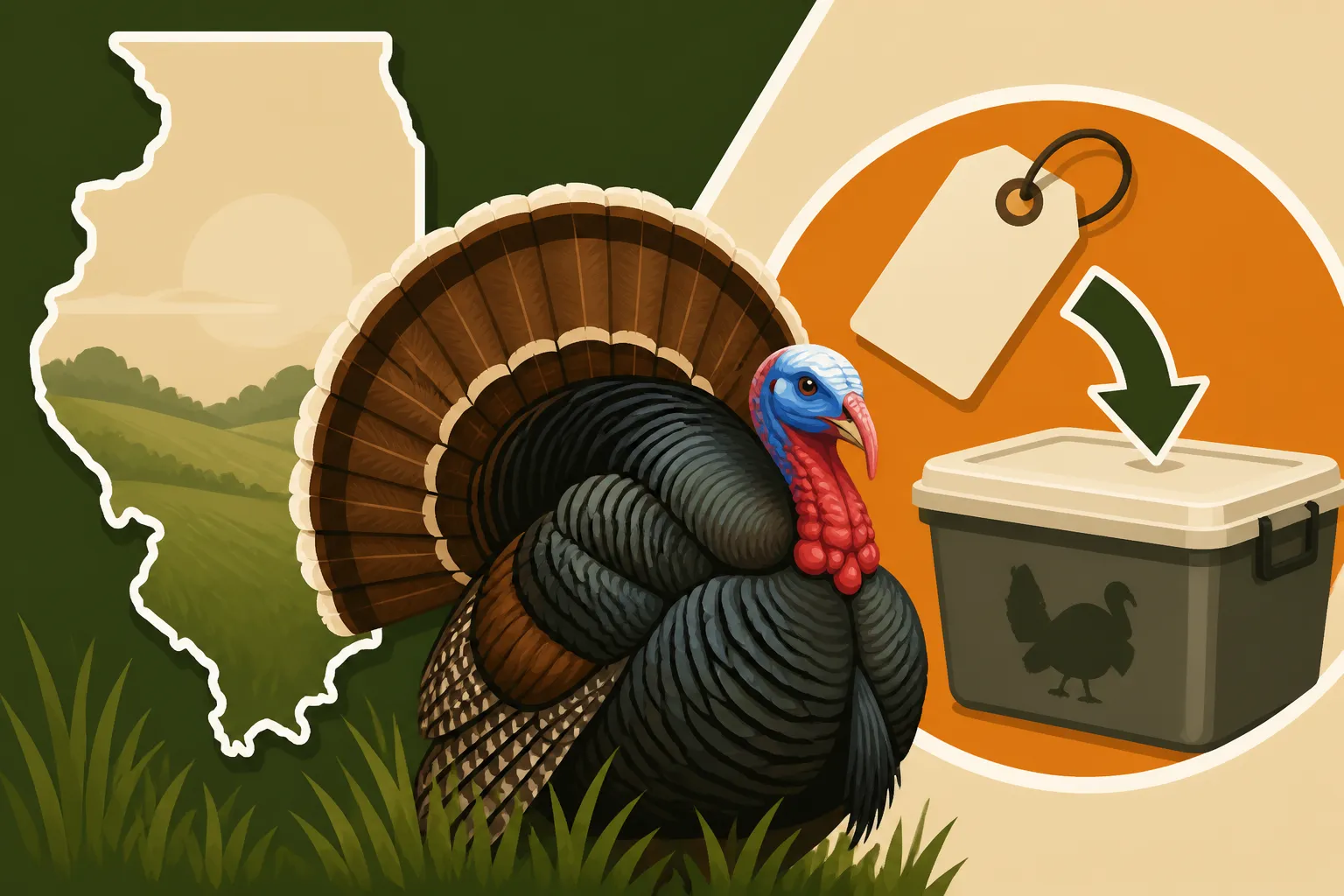
The rule is straightforward: immediately after killing a turkey, you must detach the tag from your permit and attach it to the bird. This isn't something you do when you get back to the truck, or when you’ve dragged it to the road, or certainly not when you get home. It’s an instant action at the kill site. The tag must be securely affixed through the leg or wing of the turkey, and it needs to stay attached until the bird is checked and processed. Don’t just drape it over a feather; make sure it’s fastened in a way that it won't fall off during transport. For many hunters, this means using a zip tie or a sturdy piece of string (which they carry specifically for this purpose) to reinforce the tag once it's punched through the leg. This extra step can save you a lot of grief if you have a long drag out of the timber after Roost Hunting Illinois Gobblers in some dense river bottom.
Filling Out Your Tag Accurately
The act of attaching the tag is only half the battle; filling it out correctly is equally important. Each turkey tag has specific fields that need to be completed in the field at the time of harvest. This typically includes the date of harvest, the time of harvest, and often the county where the bird was taken. Use a permanent marker to ensure the information won't smudge or wash off if you encounter rain or dew during your drag. An illegible tag is as good as no tag at all in the eyes of the law.
Consider this scenario: You're hunting in Perry County, known for its strong turkey populations. You harvest a bird mid-morning. You must correctly write "Perry" for the county and the exact date and time on the tag. It sounds simple, but in the excitement and shaking hands after a successful hunt, it’s easy to rush and make a mistake. Take a deep breath, confirm the details, and make sure every required field is filled in clearly and accurately before you move your bird an inch. For hunters who may have multiple permits for different Illinois Spring Turkey Zones and Periods, it's also critical to ensure you're using the correct tag for the specific zone and period you're hunting in. Misapplying a tag from an incorrect period or zone is another common, yet avoidable, infraction.
Transporting Your Turkey Home After Field Tagging
Once your turkey is properly field-tagged, you can begin the journey home. However, Illinois law still has specific requirements about how the bird must be transported, particularly regarding its physical integrity, until it reaches its final destination for reporting and processing.
The "Head and One Leg Attached" Rule
This rule is a cornerstone of legal game transport in Illinois. When you are transporting your harvested turkey prior to reporting it, the head and one leg must remain naturally attached to the carcass. Why this specific rule? It’s primarily for species identification and sex verification by conservation officers. A turkey's head (especially if it's a gobbler with a beard) and leg (showing spur development) are key indicators of species, sex, and often age. If you've just finished a vigorous Run-and-Gun Turkey Tactics on Public Land hunt and harvested a bird, resist the urge to immediately clean or butcher it in the field, no matter how convenient it might seem. The bird must remain largely intact with those specific parts attached until you’ve completed the official reporting process.
This applies whether you're dragging the bird out of a remote woodlot, strapping it to an ATV, or placing it in the bed of your truck. The only exception to this rule is after the turkey has been officially reported to the IDNR system. Once reported, you can then fully process the bird as you see fit. Planning your route home, especially if it's a long one, is where a tool like GoHunt can be invaluable. You can use it to map the most efficient path from your hunting location to your home or a designated check station, all while ensuring you comply with transport regulations.
Reporting Your Harvest
After successful transport from the field, the next critical step is reporting your harvest. Illinois law mandates that all legally harvested turkeys must be reported to the IDNR. This can typically be done online, through the IDNR's mobile app, or by phone. You need to report your turkey by 10 p.m. on the day of harvest. This is where the information you carefully wrote on your physical tag comes into play. You'll need details like the permit number, the date and time of harvest, the county, and the species (turkey).
It's a two-part process: field tagging and then reporting. Don't confuse the two. The physical tag must be on the bird until it's reported. Once reported, you'll receive a confirmation number. While the physical tag remains on the bird until it’s ready for final processing, the confirmation number is your digital proof that the bird has been legally checked. Always keep a record of this confirmation number. For a comprehensive overview of how and when to report your birds, refer to our guide on Illinois Turkey Checking Requirements. This system helps the IDNR gather vital harvest data, which in turn informs future season dates, permit allocations like Illinois Spring Turkey Permit Limits, and overall wildlife management strategies.
Common Misconceptions and Best Practices for Transport
Navigating hunting regulations can sometimes feel like a maze, and turkey tag transport is no exception. Clearing up common misunderstandings and adopting best practices can prevent headaches and ensure a smooth experience.
Avoiding Pitfalls: Don't Leave Your Tag Behind
One of the most frequent mistakes new and even seasoned hunters make is getting so caught up in the pre-hunt excitement that they forget their tag or leave it somewhere "safe" back at camp or in the truck. Remember, the law states the tag must be on your person while hunting. If a conservation officer stops you in the field before you've harvested a bird, and you don't have your tag, you could still face a citation. It's not just about what happens after you shoot.
Consider making it part of your routine: before you leave the house or camp, check for your shotgun/bow, ammo, calls, and then physically touch your turkey tag in your vest pocket. This simple ritual can save a lot of stress. Also, be mindful of where you stash it during the hunt. You don't want it to fall out while crawling into position for some Turkey Tactics for Farmland Field Edges or running through brush during a chase. Secure it in a zippered pocket if possible.
What Happens After Reporting and Beyond Illinois Borders
Once you’ve successfully reported your turkey to the IDNR and received your confirmation number, the “head and one leg attached” rule for transport is lifted. At this point, you can fully process your bird—feather it, gut it, and quarter it for the freezer. However, the physical tag must remain with the parts of the turkey until it reaches its final destination (e.g., your freezer or a taxidermist). This ensures that if any part of the bird is later inspected, the origin can be verified.
If you are a nonresident hunter or plan to travel out of Illinois with your harvested turkey, the rules become a bit more complex. You'll need to be aware of the wildlife transport laws of any state you pass through, as well as your destination state. Many states require proof of legal harvest (your tag and reporting confirmation) and may have specific rules about transporting game across state lines. Always check with the wildlife agencies of the relevant states before you travel. Failing to do so can lead to legal complications far from home.
Practical Tips for Tag Security
- Laminate or Protect: While not legally required, some hunters laminate their paper tags or carry them in a clear, waterproof pouch to prevent damage from rain, sweat, or heavy brush. You can usually get a free plastic holder from your local sporting goods store when you get your Illinois Resident License Options.
- Zip Ties/String: Always carry a few small zip ties or a length of durable string in your turkey vest. These are invaluable for securely attaching the tag to the bird's leg or wing, especially if the tag's built-in attachment method feels flimsy.
- Permanent Marker: Keep a fine-point permanent marker, like a Sharpie, readily accessible. Pens can get wet or run out of ink, making it impossible to fill out your tag accurately in the field.
- Pre-Hunt Checklist: Create and use a physical or mental checklist before every hunt that includes "Turkey Tag." This simple step can prevent an oversight.
- Understand the "Why": Knowing that these rules exist to combat poaching and help manage wildlife populations can help you appreciate their importance and motivate you to follow them meticulously.
By understanding and adhering to Illinois's turkey tag transport rules, you not only comply with the law but also uphold the ethical standards of hunting. Whether you're trying to Call an Illinois Gobbler Off the Roost or hunting Illinois's Over-the-Counter Fall Turkey Season, being prepared for the moment of truth extends beyond the shot itself.
Key Turkey Tag Transport Steps in Illinois
| Step | Requirement | Notes |
|---|---|---|
| Before Hunting | Valid permit with tag on your person. | Tag must be physically with you in the field. Electronic proof alone is not sufficient for tagging. |
| Immediately After Harvest | Detach, fill out, and securely attach tag to bird. | Use a permanent marker for date, time, and county. Affix through leg/wing to prevent loss. |
| Transport to Reporting | Head and one leg must remain naturally attached to the carcass. | No field dressing or butchering beyond gutting. Bird must be identifiable. This is before reporting. |
| Reporting Harvest | Report to IDNR by 10 p.m. on harvest day via online, app, or phone. | You'll need permit number, date, time, county. Get a confirmation number. |
| Post-Reporting Transport | Physical tag must remain with the parts of the turkey until final disposition. | After reporting, the "head and one leg attached" rule is lifted. You can process the bird, but the tag stays with the meat/trophy until it's permanently stored or mounted. |
| Interstate Transport | Check laws of all states involved. | Each state has its own regulations for transporting game. Always verify requirements if traveling outside Illinois. |
Disclaimer
The information provided in this guide is intended for general informational purposes only and does not constitute legal advice. Hunting regulations can change, and interpretations may vary. It is always the hunter's responsibility to consult the most current Illinois Department of Natural Resources (IDNR) regulations and laws before engaging in any hunting activities. Always ensure you are compliant with all local, state, and federal hunting laws.