Public Hunting Land in Illinois
If you're an Illinois hunter, you know the struggle: finding reliable, accessible land can feel like an impossible task. Our state is a patchwork of agriculture, and much of the prime hunting ground is privately owned. For those of us without a family farm or a pricey lease, public hunting land becomes our vital connection to the outdoors, offering a fair chance to pursue our passion, even if it means working a little harder for it. This guide is here to help you navigate the landscape of public hunting opportunities in Illinois, from understanding the various types of land available to mastering the strategies that will lead to success.
The Reality of Public Land Hunting in Illinois
Let's be honest, hunting public land in Illinois isn't always a walk in the park. It's often misunderstood, sometimes overlooked, and almost always requires a different approach than hunting on private ground. But don't let the initial challenges discourage you; with the right mindset and a willingness to put in the effort, public land can yield incredible experiences and even trophy animals.
The Uphill Battle for Public Access
Illinois is, by and large, an agricultural state. Drive through vast stretches of central Illinois, and you'll see endless fields of corn and soybeans, with small pockets of timber scattered between. This landscape means that large, contiguous blocks of public hunting ground are rare, especially outside of our southern reaches. Many hunters feel the frustration of constantly searching for a place to go, dealing with "no trespassing" signs, or simply having nowhere to start. The sheer dominance of private ownership often makes the public parcels feel like hidden gems, requiring diligent searching and a keen eye to even locate them on a map. For many, public land isn't just an option; it's the only option, and that reality means these areas often see a significant amount of pressure.
This scarcity creates a unique dynamic. When you do find a public piece, it's likely that other hunters have found it too. This isn't necessarily a bad thing, but it certainly shapes how you approach your hunt. You can't always expect solitude or perfectly undisturbed game. Instead, you need to understand how deer, turkeys, and other game animals react to human presence and adjust your tactics accordingly. It's a constant puzzle, a game of chess with both the animals and your fellow hunters, where knowing how to find unpressured pockets within a pressured area is key.
Why Public Land is Worth the Effort
Despite the challenges, public land hunting in Illinois offers immense rewards that often transcend the size of the animal you harvest. There's a deep satisfaction that comes from earning a successful hunt on public ground, knowing that every step, every hour of scouting, and every cold morning in the stand was part of a hard-won victory. It forces you to become a better hunter, honing your woodsmanship, your scouting skills, and your ability to adapt on the fly. You're not relying on someone else's land management or established food plots; you're relying on your own two feet and your brain.
Beyond the personal achievement, public land offers a crucial connection to wild spaces. In a state where natural habitats are often fragmented, these public areas serve as vital refuges for wildlife and offer a glimpse into what Illinois was like before extensive development. Hunting these lands connects you to that heritage, allowing you to experience the rhythms of nature in a way that often isn't possible elsewhere. It's a classroom, a gym, and a sanctuary all rolled into one, providing endless opportunities for learning and growth, whether you fill your tag or not.
Illinois's Diverse Public Land Offerings
Illinois offers a surprising variety of public hunting lands, each with its own character, rules, and opportunities. Understanding these different types of areas is the first step to planning a successful hunt. From the rolling timber of the south to the scattered pockets of the central plains, there's a unique experience waiting if you know where to look.
State Fish and Wildlife Areas: Managed for Hunters
The Illinois Department of Natural Resources (IDNR) manages a network of State Fish and Wildlife Areas (FWAs) across the state. These lands are often specifically acquired and managed with hunting, fishing, and other outdoor recreation in mind. You'll find a range of habitats, from timbered tracts to wetlands to grassland prairies, all designed to support healthy wildlife populations. These are often your best bet for consistent public land opportunities, as they are intentionally set aside for us to enjoy. You can learn more about these specific sites and their offerings by looking into Illinois State Fish and Wildlife Areas.
FWAs come with their own unique sets of rules, which can vary significantly from one site to the next. Some are "open access," meaning you can hunt during statewide seasons with the appropriate licenses, often just requiring a sign-in/sign-out at a kiosk. Others operate under a quota hunt system, requiring you to apply for a site-specific permit through a lottery, especially for highly sought-after deer or turkey seasons. Before you ever set foot on an FWA, it's absolutely crucial to check the specific site regulations, which are usually available on the IDNR website or at the site office. You might find different hunting hours, weapon restrictions, or even designated zones for different species.
These areas are generally well-managed for various game species, providing opportunities for White-Tailed Deer Across Illinois, wild turkeys, waterfowl, and a variety of small game. For example, sites like Jim Edgar Panther Creek State Fish and Wildlife Area in central Illinois offer diverse habitat for deer and pheasant, while others along the rivers are prime for duck and goose hunting. The habitat work done by the IDNR on these lands, such as prescribed burns, timber stand improvement, and food plot plantings, directly benefits wildlife and, in turn, the hunters who pursue them. It's a testament to dedicated conservation efforts and provides vital public access in a state where private land dominates.
Shawnee National Forest: A Wilderness Experience
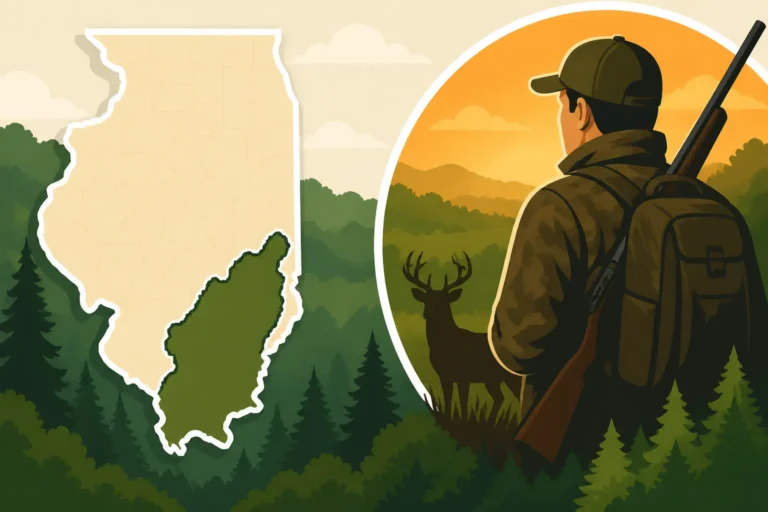
In the southernmost reaches of Illinois lies the magnificent Shawnee National Forest, a truly unique and expansive public land treasure. Spanning over 280,000 acres across 13 counties, it feels like a different world compared to the flat farmlands up north. Here, you'll find rugged hills, deep valleys, rock outcroppings, and dense hardwood forests that offer a more wilderness-like hunting experience. For many, it's the closest thing Illinois has to true mountain hunting, providing a physical challenge and a sense of solitude that's hard to replicate elsewhere in the state. If you're looking for vast, unbroken timber, Shawnee is your destination, and it's worth exploring the details found in Shawnee National Forest Hunting.
Hunting the Shawnee National Forest is a different beast altogether. The sheer scale of the land means you can often find unpressured areas by simply walking farther and deeper than most other hunters are willing to go. However, this also means navigation can be tricky, and the terrain is demanding. You'll be climbing steep ridges, traversing creek bottoms, and pushing through thick cover. Deer and turkey here are often spread out, but the rewards can be significant, including mature bucks that have rarely seen human presence. It’s an ideal setting for still-hunting or setting up mobile treestands, allowing you to adapt to the forest's ever-changing moods. More tactical insights can be found in Hunting the Shawnee Hills Region.
Unlike many state-managed sites, National Forests generally operate under broader federal regulations, which can sometimes be more flexible, but still require diligence. While there aren't usually site-specific permit drawings for general deer and turkey hunting, you're still subject to statewide seasons and bag limits. The primary challenge isn't access, but rather effectively scouting and navigating such a vast and often uniform landscape. It demands solid map reading skills and a good compass or GPS (we'll talk about those tools in a bit!) to ensure you don't get turned around in the sprawling timber.
Other Opportunities: State Parks and National Refuges
Beyond the major FWAs and the Shawnee, Illinois offers a few other categories of public land that might provide hunting opportunities, though often with stricter or more limited access. Some Illinois State Parks, while primarily focused on recreation, do offer hunting in designated areas or through special quota hunts. These opportunities are typically limited and highly regulated, so it’s critical to check each park's specific rules. For example, some parks might have special archery-only seasons or very specific dates. Before planning a hunt, it's essential to consult resources like Illinois State Park Hunting to understand what's allowed.
National Wildlife Refuges (NWRs), such as Crab Orchard National Wildlife Refuge or Cypress Creek National Wildlife Refuge, are managed by the U.S. Fish and Wildlife Service. These refuges are often critical habitat for migratory birds and other wildlife, and hunting is a secondary use. Access is frequently very limited, often requiring special permits obtained through a lottery system, and usually has specific seasons and bag limits that differ from statewide regulations. Waterfowl hunting is often a prime focus on NWRs, and competition for permits can be intense.
Additionally, some smaller county or municipal parks might offer limited hunting, especially for deer management purposes near urban or suburban areas. These are rare but can provide unique opportunities if you're willing to do the legwork to find and understand their specific programs. The key takeaway for all these "other" categories is this: always double-check the regulations for the specific site you intend to hunt. Assumptions can lead to fines or worse.
Navigating Permits and Site-Specific Access
Hunting public land in Illinois isn't as simple as just showing up with your license. Many prime spots require additional permits or have specific access rules you absolutely must follow. This system can be daunting for new hunters or those unfamiliar with the process, but it's designed to manage pressure, ensure fair chase, and protect wildlife populations.
Understanding the Permit Lottery System
For many of the most desirable public hunting areas, especially State Fish and Wildlife Areas, the IDNR employs a permit lottery system. This is particularly common for deer and turkey hunting seasons, where demand often far outstrips available spots. Hunters must apply within specific application periods, hoping their name is drawn for a coveted site-specific permit. This process is detailed further in Illinois Site Permit Application Process. The competition can be fierce for popular sites, especially for opening periods or during the peak of the rut.
The lottery system helps distribute hunting pressure and offers an equitable chance for all hunters to access quality areas. If you're new to the lottery, don't get discouraged if you don't draw a permit on your first try. Some hunters apply for years before they get their desired site. It’s wise to research success rates for different sites and consider applying for less popular areas to increase your odds, especially as you gain experience. Also, always keep an eye out for leftover permits that may be sold over the counter after the initial lottery draws; these can offer great last-minute opportunities.
Deciphering Site-Specific Rules
This cannot be stressed enough: every single public hunting site in Illinois has its own unique set of rules. What's allowed at one State FWA might be strictly prohibited just a few miles down the road at another. These rules cover everything from hunting hours (some sites close earlier or open later than statewide regulations) to weapon restrictions (e.g., archery-only zones, specific shotgun slug-only areas, or even straight-wall rifle allowances in some counties during firearm season), and even blaze orange requirements. Some sites may require a check-in/check-out system, where you physically sign in at a kiosk before your hunt and sign out afterward, often reporting your harvest or even just your effort.
Finding these rules typically involves visiting the IDNR website, navigating to the specific site's page, and downloading their hunting fact sheet or brochure. Many sites also have kiosks at parking areas with printed rules. Don't assume anything. Forgetting to check in, using a prohibited weapon, or hunting outside designated hours can result in hefty fines and the loss of hunting privileges. It’s your responsibility as a hunter to be fully informed before you step into the woods. If you're ever in doubt, call the site superintendent or the local IDNR office for clarification.
Essential Licenses and Stamps You'll Need
Before you can even think about drawing a site-specific permit or checking in at a public land kiosk, you need to ensure you have the foundational licenses and stamps required by the State of Illinois. First and foremost, you'll need a valid Illinois hunting license, along with a State Habitat Stamp. These are the bare minimum for any hunting activity. For detailed costs and options, check out Illinois Hunting Licenses and What They Cost.
Beyond the base requirements, your specific quarry will dictate additional permits. If you're deer hunting, you'll need an Illinois deer permit (archery or firearm, resident or non-resident, antlered or antlerless) for the season and county you plan to hunt. Turkey hunters require a valid Illinois turkey permit. Waterfowl hunters need a Federal Duck Stamp and an Illinois Migratory Waterfowl Stamp, along with a HIP (Harvest Information Program) registration. Small game hunters generally only need the base license and habitat stamp. Always ensure you have physical or digital proof of all required licenses and permits with you while afield, as conservation police officers conduct regular checks on public lands.
Major Public Hunting Destinations Across Illinois
Illinois is a long state, stretching from the rugged Shawnee Hills in the south to the flat farmlands and glacial moraines of the north. The public hunting opportunities, like the landscape itself, vary dramatically by region. Understanding these regional differences can help you pinpoint the best areas for your desired hunting experience.
Southern Illinois: Rugged Hills and Vast Forests
Southern Illinois, particularly the region encompassing the Shawnee National Forest and its surrounding State Fish and Wildlife Areas, is a public land hunter's paradise by Illinois standards. Here, you'll find the largest contiguous blocks of timber, deeply dissected terrain, and a feeling of true wildness. This area is a prime destination for Hunting the Shawnee Hills Region, offering challenges and rewards not found elsewhere in the state. Expect steep climbs, dense cover, and the need for solid navigation skills.
Beyond the vastness of the Shawnee, you'll find other significant public parcels like Pyramid State Recreation Area, Illinois's largest state park, offering thousands of acres of diverse habitat including reclaimed strip mines, timber, and lakes. Other key sites include Ferne Clyffe State Park, Giant City State Park (with specific hunting areas), and various smaller FWAs like Devil's Island and Kinkaid Lake. These areas typically offer excellent deer and turkey hunting, and some provide good squirrel and rabbit opportunities in the hardwood bottoms. Waterfowl can also be found on the many small lakes and impoundments within these areas. The deer in these rugged areas often grow into impressive mature bucks, using the difficult terrain as sanctuary from pressure.
Central Illinois: Farmland Pockets and River Bottoms
Central Illinois presents a different public land landscape. Here, the dominant feature is agriculture, with public hunting areas often taking the form of smaller, isolated timber blocks, creek drainages, or extensive river bottomlands. While these parcels might not offer the vastness of Shawnee, they can be incredibly productive, as they often serve as crucial cover and travel corridors for deer and turkeys amidst a sea of open fields. If you're looking to hunt deer in this region, understanding Hunting Central Illinois Farmland Deer becomes paramount.
Key public hunting areas in central Illinois often hug major river systems, such as the Illinois River and its tributaries, or are associated with larger state parks and recreation areas. Examples include Jim Edgar Panther Creek State Fish and Wildlife Area, Sangchris Lake State Park, and numerous smaller IDNR sites. These areas, though smaller, are often surrounded by high-quality private land, meaning deer and turkeys will utilize them heavily for bedding, sanctuary, and travel. Tactics here often involve hunting pinch points, funnels between woodlots, or focusing on the thickest cover where deer feel safe. Access points can be limited, and pressure can be concentrated, so careful scouting is essential to find unpressured pockets.
Northern Illinois: Scarce Land in CWD Zones
Public hunting land becomes significantly scarcer as you move into northern Illinois. The landscape is even more heavily agricultural and developed, leaving fewer and smaller parcels for public use. However, opportunities still exist, primarily along river corridors, smaller state parks, and some specific Fish and Wildlife Areas. Hunters in this region need to be even more diligent in their research and scouting, as prime spots are few and far between and often experience intense pressure.
A major consideration for hunting in many northern Illinois counties is the presence of Chronic Wasting Disease (CWD). Many counties in the northern zone are designated CWD-positive, meaning hunters need to be aware of carcass movement restrictions and potential mandatory CWD testing requirements during firearm seasons. You can find out more about the geographical implications by checking Illinois's Chronic Wasting Disease Zone. While CWD doesn't prevent hunting, it adds a layer of responsibility and awareness for hunters in these areas. Despite the challenges, these smaller public land parcels can hold surprising numbers of deer and turkeys, particularly those that offer excellent cover or act as travel corridors between larger private holdings. It often comes down to finding that one overlooked thicket or an obscure corner that other hunters walk past.
Essential Tools and Strategies for Public Land Success
Success on Illinois public land rarely comes by accident. It's the result of diligent preparation, smart use of technology, and a willingness to adapt. The playing field is often leveled by hunting pressure, so your ability to outthink both the game and other hunters becomes your greatest asset.
Mastering Digital Mapping and Pre-Season Scouting
In today's hunting world, digital mapping apps are not just a luxury; they're an absolute necessity for public land hunters. Tools like onX Hunt or GoHunt provide an incredible advantage, allowing you to identify public land boundaries, parcel ownership, topographic features, and satellite imagery all from your phone. You can mark potential stand locations, track your movements, and identify crucial funnels or bedding areas without ever stepping foot in the woods. This is especially vital in central Illinois, where public land often borders private, and knowing exact property lines can prevent trespassing. Use these apps to scout from your couch, pinpointing areas of thick cover, water sources, and natural bottlenecks that might attract game.
Pre-season physical scouting, often combined with your digital maps, is the next critical step. Long before opening day, hit the woods to locate fresh deer sign, turkey roosting areas, or prime waterfowl spots. Look for trails, rubs, scrapes, and bedding areas. Identify potential entry and exit routes that are quiet and won't spook game. Pay attention to how the terrain funnels deer movement. For a deep dive into how to prepare, consider looking at Scouting Illinois Public Land Before Season. The more you know about your chosen spot before the season starts, the better equipped you'll be to adapt to changing conditions and hunting pressure.
Adapting to Hunting Pressure
Let's face it: public land, especially the accessible kind, often sees significant hunting pressure. This isn't a reason to despair; it's a factor you need to understand and use to your advantage. Deer and turkeys quickly learn where hunters frequent and will adapt their patterns. This often means becoming more nocturnal, moving into the thickest, nastiest cover, or using obscure travel routes that human hunters tend to avoid. You can find more strategies for dealing with crowded woods in Hunting Pressure on Illinois Public Land.
Your strategy should evolve to counter this pressure. One common tactic is to "walk farther." Most hunters will stick close to parking areas or well-worn trails. By pushing deeper into the woods, especially in larger areas like Shawnee National Forest, you can often find unpressured sanctuaries. Another approach is to hunt during off-peak times – weekdays instead of weekends, or during less popular seasons (e.g., late archery instead of opening weekend of firearm). Consider hunting atypical cover; don't just look for big, open timber. Often, the thickest, briar-choked messes are where mature animals hide from pressure. Be flexible; if your primary spot is occupied, have a backup plan ready.
Choosing the Right Stands and Blinds
When hunting public land in Illinois, flexibility and portability are key when it comes to your setup. Many public land sites have strict rules regarding stands and blinds, often prohibiting permanent structures or screw-in steps that damage trees. You can delve into the rules further by checking Treestand Rules on Illinois Public Land. Lightweight hang-on stands, climbing stands, and mobile ground blinds are your best friends. The ability to quickly move your setup based on changing game patterns or pressure is invaluable.
For treestands, always prioritize safety. Use a full-body harness, and ensure your stand is secure. Think about your approach and exit; can you get to and from your stand without spooking game? On public land, you might have to walk a considerable distance in the dark, so stealthy gear is important. For ground blinds, brush them in well to break up their outline, especially if you're using a pop-up. Natural cover is your best ground blind, and learning to sit still and blend into your surroundings can be incredibly effective, particularly in areas with limited tree options or high pressure. Remember the "leave no trace" ethic: pack out everything you pack in, including any flagging tape or scent wicks.
Respecting Regulations and Fellow Hunters
Hunting public land is a privilege, not a right. To ensure these opportunities remain available for everyone, it’s imperative that all hunters understand and adhere to the rules, practice strong ethics, and prioritize safety. Violations can jeopardize public access for all, and a disrespectful attitude detracts from the shared outdoor experience.
Knowing the Letter of the Law
Ignorance of the law is never an excuse, especially when afield. The regulations on public land can be more nuanced than statewide rules, making it critical to do your homework. This includes understanding bag limits, season dates, legal weapon types for specific sites, and required check-in/check-out procedures. Always carry your valid hunting license, habitat stamp, and any necessary site-specific or game permits (deer, turkey, migratory bird stamps). Ensure you know the Illinois Deer Reporting Requirements for your harvest, as failing to check in a deer or turkey properly can result in fines.
Beyond the specific site rules, remember general hunting laws: never bait, always identify your target and what's beyond it, and adhere to blaze orange requirements during firearm seasons. Some sites might even have specific rules about trail cameras, dog training, or ATV use. It's your responsibility to be informed. If you're ever unsure about a rule, err on the side of caution or contact the IDNR for clarification. Our conservation police officers are out there to enforce these rules, not just for compliance, but to ensure fair and safe hunting for all.
Practicing Ethical Hunting and Courtesy
Public land is a shared resource, and a big part of successful hunting on it is simply being a good neighbor. This means practicing hunter ethics and courtesy at all times. If you arrive at a parking area and see another vehicle, consider moving to a different spot to give them space. Avoid setting up too close to another hunter's established location, even if you found it first through scouting. A good rule of thumb is to give ample space, usually several hundred yards or more, depending on the terrain and cover. Sometimes, a friendly nod or brief chat at the parking lot can diffuse potential conflicts and foster a sense of camaraderie.
Noise discipline is also crucial. When walking into your stand or blind in the dark, try to be as quiet as possible, especially if you know other hunters might be nearby or if you're trying to avoid spooking game. If you're calling turkeys, be mindful of where your calls might carry and if they could interfere with another hunter's setup. Leave the land better than you found it; pack out all your trash, and if you see litter that isn't yours, consider packing that out too. Respecting the land and your fellow hunters ensures a positive experience for everyone and helps maintain public access for future generations.
Prioritizing Safety in Shared Spaces
Hunting is an inherently challenging activity, and doing it on public land adds another layer of considerations. Safety should always be your number one priority, both for yourself and for those around you. When sharing the woods with other hunters and general recreationists, awareness is key. Wear blaze orange during firearm seasons, even if it's not strictly required by site rules (like during archery season on many sites), especially when walking to and from your stand. Always assume other people are in the woods.
Never compromise on firearm safety: keep the muzzle pointed in a safe direction, treat every firearm as if it's loaded, and keep your finger off the trigger until you are ready to shoot. Be absolutely certain of your target and what lies beyond it before taking a shot. On public land, there could be hikers, dog walkers, or other hunters just beyond your line of sight. If using a treestand, a full-body harness is non-negotiable. Tell someone exactly where you're going and when you expect to return. Carry a fully charged cell phone (though service can be spotty in remote areas), a first-aid kit, and enough water and emergency supplies for unexpected delays. Be prepared for rapidly changing weather conditions; Illinois weather can be unpredictable.
Hunting Various Game Species on Illinois Public Land
Illinois public lands, despite their challenges, offer opportunities for a range of game species. While deer and turkey are often the primary targets, don't overlook the potential for waterfowl and small game, which can provide excellent hunting and often face less pressure than the big game species.
Pursuing Whitetail Deer
Public land whitetail hunting in Illinois is a demanding but deeply rewarding pursuit. Unlike private lands where deer might be accustomed to food plots and minimal pressure, public land deer are often more elusive, wary, and prone to using the thickest cover available. You'll need to adjust your strategy to target these pressured animals. Early season success often comes from scouting out natural food sources – acorns, wild fruits, or overlooked crop edges near deep cover. As the season progresses, focusing on thermal cover, south-facing slopes, or dense security cover becomes critical. You can explore the habits of our state's flagship game animal in White-Tailed Deer Across Illinois.
Tactics need to be flexible. In large tracts like the Shawnee National Forest, this might mean still-hunting ridge lines or deep creek bottoms, covering a lot of ground until you find fresh sign or jump a deer. In smaller central Illinois woodlots, it's often about identifying narrow funnels or bedding areas that deer retreat to during daylight hours. Access points are crucial: don't just hunt near the parking lot. The further you're willing to walk, the better your chances of encountering less pressured deer. Patience, stealth, and a deep understanding of deer behavior in pressured environments are your greatest assets.
Chasing Wild Turkeys
Public land turkey hunting in Illinois is incredibly popular, especially during the spring season. The sound of a gobbler ringing through the woods on a crisp April morning is a powerful draw. However, these birds quickly become call-shy and pressured due to the number of hunters. Your tactics will need to be sharp. Success often involves aggressive "run-and-gun" tactics, covering ground and trying to locate unpressured birds deeper in the woods. You can find more detail on this dynamic approach in Run-and-Gun Turkey Tactics on Public Land.
Pre-season scouting for roost trees is paramount. Knowing where birds are bedding down allows you to set up strategically before daylight, giving you the best chance for an opening morning encounter. Be prepared to move if the birds don't cooperate. Calling needs to be realistic and often subtle; over-calling pressured birds can often send them running. Decoy use on public land is a mixed bag: it can work, but it also increases your profile and potentially draws in other hunters. Always be aware of your surroundings and make sure you have a safe backdrop if using decoys. Often, simply good woodsmanship, knowing how to get into position silently, and using terrain to your advantage will be more effective than flashy calling.
Waterfowl and Small Game Options
While deer and turkey get a lot of attention, Illinois public lands offer fantastic opportunities for waterfowl and small game, often with less competition. The Illinois River Valley, in particular, is a renowned waterfowl mecca, with numerous State Fish and Wildlife Areas and National Wildlife Refuges offering public access to ducks and geese. These hunts often involve designated blinds or walk-in access to river backwaters and flooded timber. Understanding the nuances of Waterfowl Hunting the Illinois River Valley is key if you plan to target ducks and geese. These hunts often require specific permits and can be highly regulated, so always check the site rules.
For small game hunters, public land is a treasure trove. Squirrels and rabbits are abundant across many public timber tracts and brushy fencerows, providing excellent action and a fantastic way to introduce new hunters to the sport. Unlike big game, small game seasons are often longer and less pressured, offering a more relaxed hunting experience. Exploring areas like bottomland hardwoods for squirrels or thick brush and fencerows for rabbits can be incredibly rewarding. Learn more about these opportunities in Squirrel and Small Game Hunting in Illinois. These hunts also offer a chance to sharpen your woodsmanship and scouting skills without the intense pressure of a big game hunt.
Embracing the Public Land Challenge: Rewards and Realities
Public land hunting is not for the faint of heart. It demands more effort, more resilience, and a deeper understanding of wildlife and habitat than often required on private ground. But for those who embrace the challenge, the rewards are often far greater than just a filled tag.
The Inevitable Difficulties You'll Face
Let's be realistic about the grind. Hunting public land in Illinois means you'll probably encounter other hunters, sometimes in your chosen spot. You'll likely walk farther, push through thicker cover, and endure more silent sits than your private-land counterparts. Game animals on public land are often more skittish, more nocturnal, and harder to pattern due to constant pressure. This can lead to frustration, missed opportunities, and the feeling that you're constantly playing from behind.
The physical demands can also be significant, especially in the rugged terrain of southern Illinois. Hauling a stand in, traversing steep hills, and dragging a harvested animal out of a remote location requires grit and physical fitness. The mental game is equally tough; staying positive after multiple days without seeing a deer or hearing a gobbler requires a special kind of dedication. It's easy to get discouraged, question your methods, and wonder if it's all worth the effort.
The Deep Satisfaction of Earning Your Harvest
And yet, despite all these difficulties, public land hunting in Illinois offers a profound satisfaction that is truly unparalleled. When you finally connect with an animal, knowing that you earned it through sheer effort, skill, and persistence on shared ground, the feeling is immense. It's a testament to your hard work, your ability to adapt, and your dedication to the hunt. This isn't just a kill; it's a hard-won triumph forged through challenges.
Beyond the harvest itself, public land offers solitude, connection with nature, and a continuous learning experience. Each hunt, successful or not, teaches you something new about the animals, the landscape, or yourself. You learn to read the subtle signs of the woods, to move quietly, and to think like the game you pursue. You might even forge connections with other public land hunters, sharing tips and stories, creating a community around this shared passion. Public land hunting is more than just bagging an animal; it's about the journey, the challenge, and the deeply personal connection you forge with the wild places still left in our state. So, grab your maps, lace up your boots, and get out there – Illinois's public lands are waiting.
| Public Land Type | Typical Size | Primary Management | Common Game Species | Access Method / Regulations |
|---|---|---|---|---|
| State Fish and Wildlife Areas | Small to Medium (100s to 1000s of acres) | IDNR (State) | Deer, Turkey, Waterfowl, Small Game | Varies: Open Access (sign-in/out), Quota Hunts (lottery), Site-Specific Rules |
| Shawnee National Forest | Very Large (280,000+ acres) | US Forest Service (Federal) | Deer, Turkey, Small Game | General Statewide Seasons, No Site Permits, Backcountry Hunting, Less Restrictive |
| State Parks (Hunting Portions) | Small to Medium | IDNR (State) | Deer, Turkey (limited) | Very Specific Designated Zones, Often Quota Hunts or Archery-Only, Strict Rules |
| National Wildlife Refuges (NWRs) | Medium to Large | US Fish & Wildlife (Federal) | Waterfowl, Deer (limited) | Highly Regulated, Often Lottery-Based Permits, Very Strict Seasons and Methods |
| County/City Parks | Very Small | Local Government | Deer (for management) | Rare, Highly Specific Archery-Only Programs, Lottery or Special Permit |
Disclaimer
This article is for general informational purposes only and does not constitute professional advice. Laws, prices and regulations vary by location and change over time. Consult a qualified professional for guidance on your specific situation.