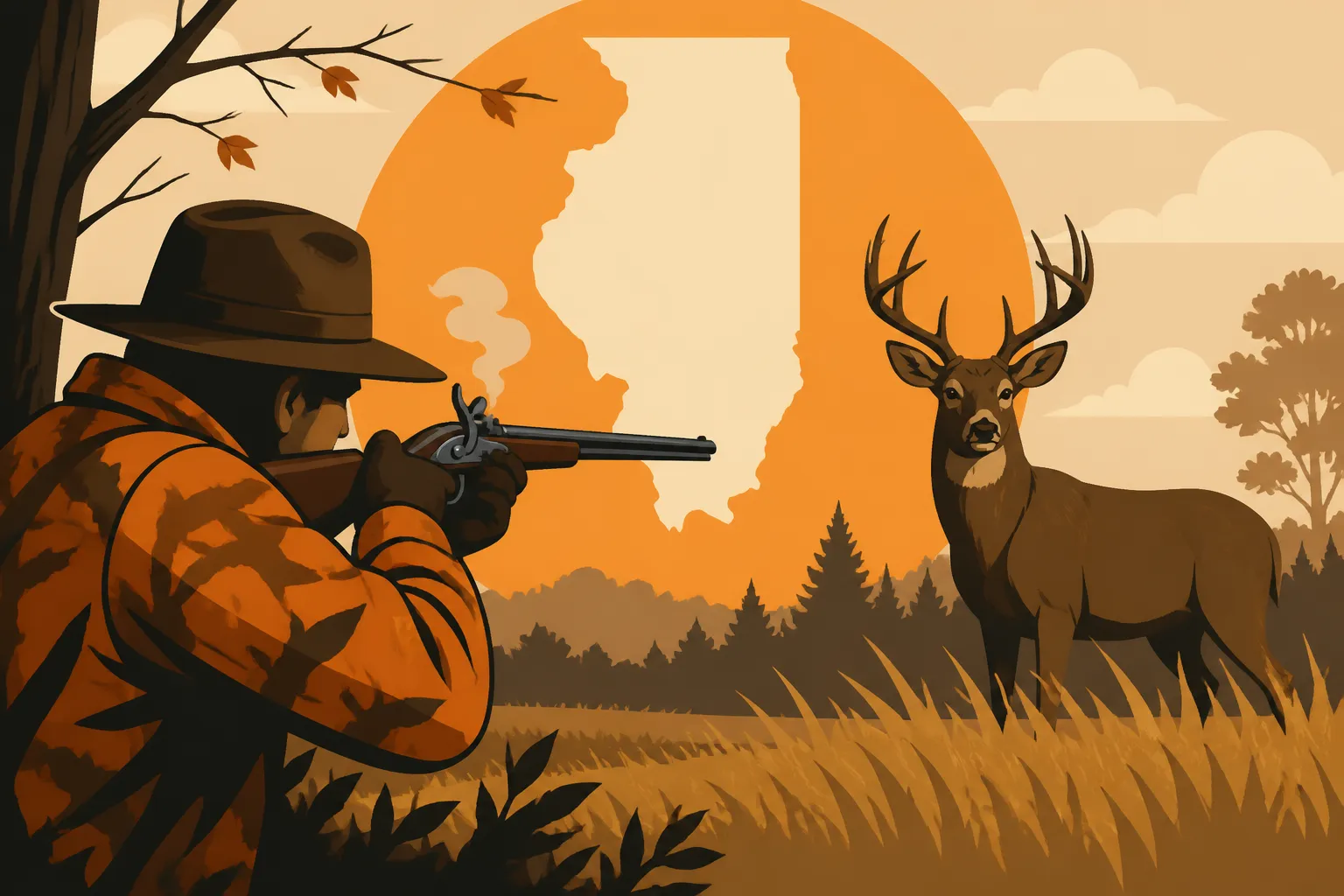
Muzzleloader Deer Hunting in Illinois
Many Illinois deer hunters feel a distinct shift as the leaves fall, temperatures drop, and the general firearm seasons pass. If you've ever felt that post-rut lull or found yourself wishing for just one more chance to be in the woods with a deer tag in your pocket, then muzzleloader hunting might be exactly what you need. This guide will walk you through everything you need to know about pursuing whitetails with a muzzleloader in the Prairie State, from understanding the unique regulations to mastering the equipment and tactics that lead to success.
The Unique Appeal of Muzzleloader Deer Hunting in Illinois
There's something truly special about heading into the Illinois woods with a muzzleloader. It’s not just about the hunt itself; it’s about connecting with a more primal, traditional method of hunting that forces you to slow down, be more deliberate, and truly appreciate every moment spent afield. Many hunters, especially after the fast-paced, sometimes crowded, general firearm seasons, find a certain peace in the muzzleloader's single-shot challenge.
Embracing the Challenge and Tradition
The biggest draw for many is the challenge. Unlike modern centerfire rifles, muzzleloaders typically offer a single shot, requiring precise aiming and a calm demeanor. There's no quick follow-up if you rush a shot. This limitation transforms the hunt into a more thoughtful endeavor. You become acutely aware of range, shot placement, and ethical hunting boundaries. It forces you to get closer to your quarry, to hone your stalking skills, and to read the landscape with greater intensity. For some, it's a way to step back in time, to experience hunting much like our ancestors did, just with more reliable ignition systems! The crack of the cap and the puff of smoke add an almost theatrical element to the experience that a modern rifle simply can't replicate.
Furthermore, the tradition associated with muzzleloading is profound. Many hunters pass down their muzzleloaders through generations, sharing stories and techniques that have been refined over decades. It's a method that commands respect for the animal and the hunt itself. You'll often find muzzleloader enthusiasts talking about the "romance" of the smoke pole, and it's easy to see why. The smell of burnt powder hanging in the crisp autumn air, the meticulous process of loading each shot – these elements create a rich, immersive experience that transcends simply harvesting an animal. It’s about the journey, the preparation, and the deep satisfaction of success earned through patience and skill.
Expanded Hunting Opportunities
Beyond the romantic appeal, Illinois's muzzleloader season often provides a valuable extension to the deer hunting calendar, especially if you missed out on tags during the earlier firearm lotteries or simply want more time in the woods. The Illinois Deer Season Structure Explained often includes specific windows for muzzleloader-only hunting. This additional season allows hunters to target deer after the initial firearm pressure has subsided, often leading to different deer movement patterns and less competition from other hunters.
The timing of the muzzleloader season can vary, but it frequently aligns with the late season, sometimes overlapping with the tail end of the archery season or falling just after the second firearm season. This means you might be hunting deer that have settled into winter patterns, focusing heavily on available food sources, which can present unique opportunities for observation and ambush. For those who didn't fill their tags or are looking for a bonus opportunity, the muzzleloader season is a fantastic way to extend your hunting enjoyment. It allows for more time afield, more chances to scout and learn deer behavior, and ultimately, more opportunities to put venison in the freezer or pursue a late-season trophy. It truly maximizes your time in the Illinois outdoors.
Understanding Illinois's Muzzleloader Season and Regulations
Before you even think about stepping into the field with your muzzleloader, it's absolutely crucial to have a solid grasp of Illinois's specific regulations. These rules are designed to ensure safety, manage the deer population effectively, and define what exactly constitutes legal muzzleloader hunting in the state. Don't assume anything; always consult the current Illinois Department of Natural Resources (IDNR) hunting guide or their website for the most up-to-date information.
Key Dates and Permit Information
The Illinois muzzleloader-only season typically occurs in early December, often following the second firearm deer season. It's usually a short, concentrated window, so knowing the exact Illinois Muzzleloader-Only Season Dates is paramount for planning your hunt. These dates can shift slightly year to year, so double-checking the official IDNR calendar is a must. During this special season, only muzzleloading firearms are permitted, giving hunters who choose this traditional method a dedicated opportunity without the added pressure of modern firearms.
To participate, you'll need the appropriate permits. Typically, this means securing an Illinois Resident or Nonresident Muzzleloader-Only Deer Permit. These permits are usually acquired through a lottery application process, similar to the general firearm permits, though sometimes over-the-counter permits might be available in certain zones or later in the application periods if quotas aren't met. It’s essential to pay close attention to application deadlines and any specific county restrictions or bonus antlerless tag opportunities that might exist. For example, some counties within the CWD management zones might offer additional permits or special considerations during this time, so always check the specific rules for your intended hunting area. The GoHunt platform can be a great resource for tracking these deadlines and understanding the permit allocation process.
Legal Muzzleloader Specifications
Illinois has very specific requirements for what qualifies as a legal muzzleloader for deer hunting. You can't just show up with any antique firearm and expect it to pass muster. Generally, during the muzzleloader-only season, hunters are restricted to single-shot muzzleloading rifles that are at least .45 caliber or larger. This means no repeating muzzleloaders are allowed.
Furthermore, the type of powder and projectile is also regulated. You'll typically be using black powder or a black powder substitute (like Pyrodex or Triple Seven) and a projectile that is loaded from the muzzle. Sabots are generally permitted, allowing hunters to use smaller diameter projectiles (like .40 or .42 caliber) encased in a plastic sabot that peels away upon exiting the barrel, effectively allowing a smaller bullet to be fired from a larger bore (.50 caliber, for instance). Make sure your muzzleloader does not have electronic ignition; Illinois regulations usually specify percussion caps, musket caps, or 209 primers as the ignition source. Any modifications that speed up loading or allow for multiple shots, or use modern smokeless powder, are typically prohibited during this dedicated season. Always confirm these details in the current hunting digest to avoid any legal complications.
Reporting Your Harvest
Just like during other deer seasons in Illinois, successfully harvested deer during the muzzleloader season must be reported to the IDNR. This critical step provides valuable data for wildlife biologists to manage the state's deer population. The reporting process is usually straightforward and can be completed online via the IDNR website, through a dedicated mobile app, or by phone.
You'll need to report your harvest within a specific timeframe, often by 10 PM on the same day the deer was killed. Failure to report a harvest can result in fines and other penalties. Make sure you have your permit number handy, as well as details about the deer (e.g., sex, antler points if a buck, county of harvest, and hunting site). This information is vital for the IDNR to track harvest numbers, assess deer density, and make informed decisions about future season structures and quotas. Keeping a physical copy or screenshot of your successful harvest report is also a good practice, just in case any questions arise.
Essential Muzzleloader Equipment for Illinois Whitetails
Stepping into the field with a muzzleloader requires more than just the firearm itself. There's a whole system of components that work together to make your hunt successful and safe. From the rifle to the powder and optics, each piece plays a vital role. Understanding these elements and choosing the right gear is fundamental to effective muzzleloader hunting in Illinois.
Selecting Your Muzzleloader Type
When it comes to muzzleloaders, you generally have a few main types to consider, each with its own pros and cons. The most common choice for deer hunting today is the in-line muzzleloader. These are modern designs that feature a straight-line ignition system, where the primer (usually a 209 shotgun primer) is directly behind the powder charge. This setup offers highly reliable ignition, excellent accuracy, and is generally easier to clean than traditional models. Brands like Traditions, CVA, and Thompson/Center are popular choices in this category. They often feature synthetic stocks and modern rifle sights or bases for scope mounting.
Then there are traditional sidelock muzzleloaders, often caplock or flintlock. These require a bit more skill and attention to detail. Caplocks use percussion caps placed on a nipple, while flintlocks use a piece of flint striking steel to create a spark. While incredibly traditional and deeply satisfying to shoot, they are generally less reliable in wet weather and require more intricate loading and cleaning procedures. For the dedicated traditionalist or those seeking an extra challenge, they are rewarding, but for a new muzzleloader hunter in Illinois, an in-line is often the more practical and forgiving choice. Considerations like weight, balance, and ease of maintenance should also factor into your decision, especially if you're planning on hiking through tough terrain in the Shawnee National Forest Hunting area.
Powder, Primers, and Projectiles
The ammunition for a muzzleloader isn't a single cartridge; it's a collection of components. Your powder choice is critical. Black powder is the original, but modern black powder substitutes like Pyrodex, Triple Seven, and Blackhorn 209 are much more popular. Blackhorn 209, for instance, offers cleaner burning, higher velocities, and less corrosion, making it a favorite for many hunters. However, it requires 209 primers and specific cleaning solvents. Always check if your chosen powder is legal for the Illinois muzzleloader season and if it's compatible with your specific firearm.
Primers are what ignite the powder. For most in-line muzzleloaders, 209 shotgun primers are the standard, offering hot, reliable ignition. For traditional caplocks, you'll need percussion caps. Finally, projectiles come in various forms:
- Sabots: These plastic sleeves allow you to shoot smaller, aerodynamic bullets (like .40 or .42 caliber) from a larger bore (.50 caliber is common). They offer excellent accuracy and flatter trajectories.
- Conical bullets: These are solid lead projectiles designed to fit snugly in the bore, such as Hornady's SST-ML or PowerBelt bullets. They provide excellent knockdown power but often have a more rainbow-like trajectory at longer ranges.
- Round balls: Primarily for traditionalists, these are simple lead balls patched with lubricated fabric. While effective at close range, they are less accurate and powerful than modern options.
Always match your projectile to your bore size and twist rate for optimal accuracy.
Optics and Accessories for Success
While some traditional muzzleloaders are hunted with open sights, most modern in-line muzzleloaders benefit greatly from a quality scope. A low-power variable scope (e.g., 1-4x, 2-7x, or 3-9x) is often ideal, as muzzleloader shots are typically taken at shorter ranges than with modern rifles. A good scope will gather light well in low-light conditions, crucial during dawn and dusk, and help with precise shot placement. Ensure your scope is mounted securely and zeroed properly.
Beyond the firearm and "ammo," several essential accessories will make your hunt safer and more efficient:
- Loading accessories: A speed loader is a game-changer for quick reloading (though remember, it's still a single-shot). You'll also need a bullet starter, powder measure, and possibly a short ramrod extension for easier loading at the stand.
- Cleaning kit: Muzzleloaders get dirty, fast. A dedicated cleaning kit with a bore brush, patches, jags, and appropriate solvent is non-negotiable for post-hunt maintenance and to prevent corrosion.
- Waterproof storage: Keep your primers, powder, and projectiles dry. A small, waterproof container for your shooting supplies is invaluable, especially when hunting in unpredictable Illinois weather.
- Rangefinder: Knowing your exact distance to the target is critical for ethical muzzleloader hunting, given their often-more-pronounced bullet drop compared to high-velocity rifles. A rangefinder like those from Sig Sauer or Leupold can make all the difference.
- Blaze Orange/Pink: Illinois requires blaze orange or blaze pink during firearm seasons, including muzzleloader season. Make sure you have enough visible outerwear to meet safety regulations.
- GoHunt Subscription: For detailed maps, public land boundaries, and hunt planning tools, a platform like GoHunt can provide immense value. It can help you find suitable terrain and assess potential hunting spots before you even leave home.
Mastering Muzzleloader Shooting and Maintenance
Hunting with a muzzleloader isn't just about loading it up and heading into the woods. It requires a commitment to practice and diligent maintenance to ensure reliability and accuracy. Neglecting these aspects can lead to missed opportunities, frustration, or worse, an unethical shot. Taking the time to master your chosen firearm at the range and understand its care is paramount for success in the field.
Range Practice and Ballistics
Before your hunt, extensive range practice is non-negotiable. Muzzleloaders have different ballistic characteristics than modern rifles, often with more pronounced bullet drop and slower velocities. You need to know exactly how your specific load — the powder type and charge, primer, and projectile — performs at various distances. Start at 25 yards to ensure you're hitting paper, then move to 50, 75, and 100 yards. Practice shooting from various field positions: off-hand, kneeling, and using shooting sticks or a bipod, as these mimic real hunting scenarios.
Don't just shoot once and assume you're good. Fire several shots, cleaning between each shot or every few shots (depending on your powder and rifle) to simulate actual hunting conditions. Pay close attention to consistency. A minor change in loading pressure, powder volume, or even how you seat the bullet can dramatically affect accuracy. Understanding your rifle's effective range is also crucial. While a modern muzzleloader can be accurate out to 200 yards for some shooters, most hunters limit their shots to 100-150 yards to ensure an ethical kill. GoHunt's ballistic calculators can sometimes help you visualize bullet drop with different loads, but nothing beats real-world testing at the range. Knowing your limits, and your rifle's, is a sign of a responsible hunter.
Loading Procedures and Safety
Loading a muzzleloader is a methodical process, and safety must always be your top priority. Start by ensuring the barrel is clear and the primer is removed (or none is present). Then, measure your powder charge precisely using a volumetric powder measure. Never eyeball it. Pour the powder down the barrel. Next, place your projectile (with sabot if using one) on the muzzle and use a bullet starter to get it seated flush. Finally, use your ramrod to firmly seat the bullet all the way down onto the powder charge. You'll feel it "bottom out" with firm, consistent pressure. Ensure it’s fully seated – an air gap between the bullet and powder can be extremely dangerous.
After loading, and only when ready to shoot, place your primer. For 209 primers, this means inserting it into the breech plug. Never load a primer until you are prepared to fire. Always point the muzzle in a safe direction. Always use appropriate eye and ear protection at the range. Never exceed the manufacturer's recommended powder charge for your specific firearm. Remember, most muzzleloaders are designed for black powder or approved substitutes, not smokeless powder. Using the wrong powder can cause catastrophic failure and serious injury. Familiarize yourself thoroughly with your specific muzzleloader's manual.
Cleaning and Storage for Longevity
Muzzleloaders, particularly those using traditional black powder or some substitutes, are notorious for fouling and corrosion. Proper cleaning immediately after each use is essential to prevent damage and ensure reliable performance. Black powder residue is corrosive and can quickly pit and rust your barrel if not removed promptly.
Start by removing the breech plug (if your rifle has one). This is a critical step for proper cleaning and allows for thorough scrubbing of the bore. Using warm, soapy water (Windex works surprisingly well for black powder) or a dedicated muzzleloader solvent, scrub the bore with a brush, followed by patches until they come out clean. Pay special attention to the breech plug and the firing pin channel, as these areas accumulate a lot of residue. Once clean, dry all components thoroughly and apply a rust preventative oil or preservative to the bore and all metal parts. Store your muzzleloader in a dry environment, ideally in a climate-controlled gun safe, and ensure it's unloaded and unprimed. Regular, meticulous cleaning not only prolongs the life of your firearm but also ensures its accuracy and safety for future hunts.
Effective Muzzleloader Hunting Strategies in Illinois
Muzzleloader hunting in Illinois demands a thoughtful and adaptive approach. Often falling after the primary firearm seasons, deer can be warier and their patterns may have shifted. Successful muzzleloader hunters understand the importance of thorough scouting, adapting to changing conditions, and mastering the art of the close-range shot.
Scouting for Late-Season Success
By the time the muzzleloader season rolls around, many deer have already experienced significant hunting pressure. This means that a lot of the pre-season scouting you did for the early archery or firearm seasons might need an update. Deer will likely be bedded in the thickest cover available, venturing out primarily during low-light conditions to access critical food sources. Focus your Scouting Illinois Public Land Before Season efforts (or private land) on identifying these secure bedding areas and the most direct, safest travel corridors to prime food.
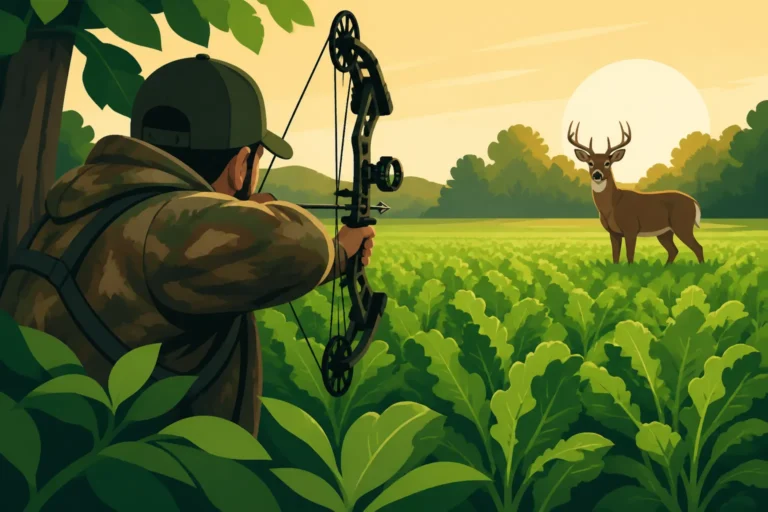
Late-season food sources are king. This often means standing crops like corn or soybeans that haven't been harvested yet, cut crop fields with remaining waste grain, or brassica plots planted specifically for deer. Natural food sources like acorns might be depleted, but browse, persistent soft mast, or even newly emerging greens can be attractive. Use resources like aerial photos on platforms like GoHunt or by doing some Reading Aerial Photos for Southern Illinois Deer to identify potential transition zones between bedding and feeding, particularly along creek bottoms, timbered fence lines, or dense river bottom funnels. Look for fresh tracks, droppings, and browse lines that indicate current deer activity. During this period, deer are driven by survival and calorie intake, making food a powerful magnet.
Adapting Tactics to Weather and Terrain
The weather during Illinois's muzzleloader season can be notoriously unpredictable, ranging from mild, damp days to bitter cold with snow. Successful hunters adapt their tactics to these conditions. On cold, clear days, deer might move more in the mid-morning or late afternoon, trying to warm up in sun-drenched areas or feed aggressively before nightfall. Conversely, during a warm front, movement might be more sporadic. Cold-Weather Sitting Strategy in Illinois becomes crucial; dress in layers, utilize hand warmers, and have a good thermos of coffee or soup to stay comfortable and focused for extended periods.
Terrain also dictates strategy. In the rolling hills and timbered ridges of Southern Illinois, deer will often utilize thermal currents, bedding on south-facing slopes during cold mornings to catch the sun. In flat, agricultural areas of Central Illinois, understanding how deer use fencerows, small woodlots, and standing cover for security is key. Hunting the downwind side of these travel corridors or setting up on a field edge where deer enter a food source can be highly effective. Understanding how deer use topography to their advantage, particularly in wind and snow, will give you an edge. Think about how deer will move to conserve energy and find shelter, and position yourself accordingly.
Tracking and Recovery Considerations
The single-shot nature of muzzleloaders and the typical late-season timing place a premium on careful shot placement and diligent tracking. Even a well-placed shot with a muzzleloader can result in a deer running a considerable distance. It’s imperative to take a moment after the shot to listen for the sound of a crash or the direction the deer ran. Mark your shooting location and the last place you saw the deer.
Waiting an appropriate amount of time before tracking is often the hardest part, but it's critical. For a gut shot, a minimum of 6-8 hours, or even until morning if shot late in the evening, is often recommended. For a good lung or heart shot, waiting 30-60 minutes can still allow the deer to expire quietly. When you begin to track, move slowly and methodically, looking for blood, broken twigs, and disturbed leaves. Cold weather can sometimes make blood trailing more challenging, but snow can be a massive advantage. If you lose the trail, back out and reassess, or bring in a skilled tracking dog if legal in your area. Successfully performing Blood Trailing After Dark in Illinois can be aided by a bright headlamp, but often waiting until morning light is safer and more effective. Remember, a responsible hunter does everything in their power to recover game.
| Muzzleloader Season Hunting Strategy Comparison | Early Archery Season | Firearm Season | Muzzleloader Season |
|---|---|---|---|
| Deer Pressure | Low | High | Moderate to High |
| Primary Deer Movement Driver | Food, Rut (mid-season) | Rut, Escape | Food, Security |
| Key Scouting Focus | Trails, Rubs, Scrapes | Funnels, Bedding | Food, Bedding |
| Weather Conditions | Warm-Cool | Cool-Cold | Cold, Potential Snow |
| Shot Opportunities | Often close, unhurried | Varied, fast | Close, deliberate |
| Best Time of Day | Dawn/Dusk, Rut hours | All Day (drives) | Dawn/Dusk, Mid-Day (cold) |
Where to Hunt Muzzleloader Deer in Illinois
Illinois offers diverse landscapes, each presenting unique opportunities and challenges for muzzleloader hunters. Whether you prefer the solitude of public land or the potential of well-managed private properties, understanding the nuances of each area can greatly increase your chances of success.
Navigating Public Land Opportunities
While Illinois isn't renowned for its vast expanses of public land compared to some western states, there are still significant opportunities for the diligent muzzleloader hunter. Public Hunting Land in Illinois includes State Fish and Wildlife Areas, State Parks (with specific hunting programs), and the expansive Shawnee National Forest Hunting in the southern part of the state. These areas can experience considerable pressure during the early firearm seasons, but by the muzzleloader season, the crowds often thin, especially on weekdays.
When hunting public land, detailed reconnaissance is key. Use mapping tools like GoHunt, or the Illinois DNR's online resources, to identify remote areas that are difficult for other hunters to access. These "sanctuaries" often hold deer that have learned to avoid high-traffic zones. Look for areas with steep topography, dense cover, or significant walking distances from parking areas. Creeks, river bottoms, and draws can act as natural funnels for deer movement, particularly when they're traveling between bedding and feeding areas. Always be aware of specific site regulations for public lands, as some areas may have unique rules regarding stand placement, access points, or even specific hunting periods. For example, some sites might require a permit drawing even for muzzleloader season, so always check ahead.
Securing Private Land Access
For many Illinois hunters, particularly in the prime agricultural regions, private land access is the most consistent path to success. The majority of Illinois is privately owned, and much of it offers excellent deer habitat. While knocking on doors can feel intimidating, it’s often the best way to gain permission. Approach landowners respectfully, neatly dressed, and during non-busy times of year. Offer to help with chores, respect their property, and clearly communicate your intentions. Emphasize that you'll be hunting with a muzzleloader, which often carries a more traditional, less disruptive image than modern centerfire rifles.
Developing a good relationship with a landowner is invaluable. Many farmers are dealing with deer damage to their crops, and a responsible hunter can be a welcome solution. Offering to fill antlerless tags can be a great way to gain favor. Remember to inquire about any specific rules the landowner might have regarding access, vehicle use, or areas off-limits to hunting. A well-placed ground blind or treestand along a timber edge bordering a standing cornfield or a food plot can be incredibly effective during the late muzzleloader season when deer are focused on nutrition.
Specific Regional Considerations
Illinois's diverse geography means that muzzleloader tactics can vary significantly depending on where you hunt:
- Southern Illinois (Shawnee Hills): This region, dominated by the Shawnee National Forest, offers rugged terrain, steep ridges, and dense timber. Deer here are accustomed to pressure and will often use elevation and thick cover for security. Focus on Hunting Shawnee Hills Ridgelines, creek bottoms, and saddles that connect different terrain features. Deer will move through these areas looking for acorns (if any remain), browse, and thermal cover. Identifying hidden benches or thick clear-cuts can lead to unpressured deer.
- Central Illinois (Farmland): This is classic big-buck country, characterized by vast agricultural fields interspersed with woodlots, fencerows, and creek drains. During muzzleloader season, deer will heavily rely on unharvested crops like standing corn or soybeans for both food and cover. Hunters often focus on pinch points where deer travel between these fields and wooded bedding areas. Hunting Central Illinois Farmland Deer often means sitting on field edges, brushy draws, or small timber blocks that provide sanctuary. Pay attention to wind direction, as deer will often scent-check open fields before entering.
- Illinois River Valley: This area is characterized by river bottoms, bluffs, and extensive timber. Deer often utilize the thick cover along the river and its tributaries. Hunting Illinois River Bottom Funnels between bedding areas on the bluffs and feeding areas in the river bottom can be highly productive. Flooding can alter deer movement dramatically, so current conditions need to be assessed. Food sources here might include remaining acorns, persimmons, or browse in sheltered areas. The river itself often acts as a natural barrier and funnel, concentrating deer movement in predictable patterns.
Field Dressing and Post-Harvest Considerations
Successfully taking a deer with a muzzleloader is a rewarding experience, but the work isn't over when the shot is fired. Proper field dressing and subsequent handling of the venison are crucial to preserving the quality of the meat, especially during the often-cold Illinois muzzleloader season.
Quick and Clean Field Processing
Once you've recovered your deer, the priority is to field dress it as quickly and cleanly as possible. This involves removing the internal organs to allow the carcass to cool down rapidly, which is essential for meat quality. Even in cold weather, body heat can quickly spoil meat, especially around the core. Lay the deer on its back, ideally on a slight incline if possible, for easier drainage. Use a sharp knife to carefully make an incision from the breastbone to the pelvis, avoiding puncturing the intestines or stomach.
Carefully sever the windpipe and esophagus, then roll the deer to let the entrails spill out. If you're planning on a head mount, ensure you cut around the brisket rather than straight up through it. Remove all internal organs, paying special attention to the bladder and lower intestine to prevent contamination. Field Dressing a Deer in Cold Weather can be more comfortable, as insects are usually not an issue, and the cold air aids in cooling. However, your hands can get very cold, so consider bringing latex gloves and possibly a pair of insulated utility gloves to wear over them. Once complete, prop open the cavity with a stick or spreader to maximize airflow.
Transporting Your Harvest
Transporting a field-dressed deer from the woods to your vehicle and then home requires a plan. If you're deep in public land, this can be the most physically demanding part of the hunt. Consider using a deer cart or a sled, especially if snow is on the ground, to make the drag easier. Always ensure the deer is clearly visible if you're transporting it on a vehicle, especially when driving on public roads. Illinois law typically requires that proof of sex be naturally attached to the carcass when being transported. This usually means the head or antlers for a buck, and evidence of sex for a doe.
Before putting the deer into your truck bed or trailer, consider lining it with a tarp. This helps keep your vehicle clean and can make cleanup much easier. If the weather is unseasonably warm during the muzzleloader season, or if you have a long drive home, consider packing the cavity with bags of ice to aid in cooling. For heavier deer, a come-along or a winch can be invaluable for loading it into a vehicle. The GoHunt community forums often share clever tips and tricks for efficient deer retrieval in various terrains.
Venison Care in Cold Weather
The cold temperatures typical of Illinois's muzzleloader season are a blessing for venison care. Cold weather acts as a natural refrigerator, allowing you to age your deer meat, which can significantly improve its tenderness and flavor. After field dressing, if temperatures are consistently between 35-45°F, you can hang the deer whole for several days to a week. This "aging" process allows natural enzymes to break down muscle fibers.
Ensure the carcass is protected from scavengers (like coyotes or opossums) and extreme temperature fluctuations. A garage or a shed where you can control the temperature is ideal. If it gets too warm, you'll need to process the meat sooner. If it freezes solid, the aging process stops. If you can't hang the whole deer, quarter it and place the pieces in coolers packed with ice, draining the melted water daily. Properly cared-for venison from a muzzleloader hunt is truly a delicacy, a testament to a well-executed hunt from shot to table.
Disclaimer
Please note: Hunting regulations and season dates can change. Always consult the official Illinois Department of Natural Resources (IDNR) website or the current Illinois Hunt & Trap Digest for the most up-to-date and accurate information before planning any hunting trip.