Scott County CWD Zone Ground
Discovering that your favorite hunting grounds, or a new area you’re scoping out, falls within an Illinois Chronic Wasting Disease (CWD) Zone can bring a mix of emotions – from concern for the herd to confusion about what rules apply to you. It's frustrating to feel like you're navigating a maze of regulations on top of just trying to enjoy your time outdoors. This guide is here to untangle the complexities of hunting in Scott County, an identified CWD Zone, offering clear, actionable advice so you can hunt responsibly and confidently.
Understanding Scott County's CWD Zone Designation
When you hear that a county, like Scott County, has been designated a CWD Zone, it’s natural to feel a bit uneasy. It immediately brings up questions about deer health, hunting restrictions, and what this means for your venison. This designation isn't just a label; it's a critical management tool by the Illinois Department of Natural Resources (IDNR) to monitor and try to contain this always-fatal neurological disease affecting deer.
What Being a CWD Zone Means for Hunters
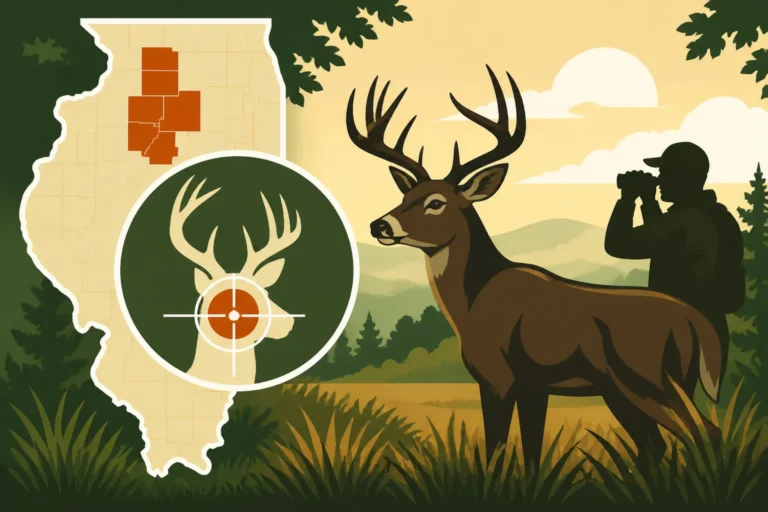
For hunters, a CWD Zone designation means a few things are likely to be different from areas where the disease hasn't been detected or isn't as prevalent. First and foremost, it signals an area where CWD has been found in wild deer populations, meaning the IDNR is actively implementing specific management strategies. These strategies can include targeted surveillance, mandatory or voluntary CWD testing of harvested deer, and restrictions on how deer carcasses or certain parts can be moved out of the county. The goal is to gather data to understand the disease's spread and prevalence, while also taking steps to prevent its further distribution. It's a collective effort, and hunters play a vital role in providing the data necessary for sound management decisions. Understanding these nuances is key to hunting successfully and responsibly within these zones.
This designation often means that the IDNR is trying to keep a closer eye on the health of the local deer herd. They might be looking for any changes in deer behavior or population dynamics that could be linked to CWD. For you, the hunter, this translates to a heightened awareness of the deer you’re seeing and harvesting. It’s not about fear-mongering, but about informed participation in wildlife management. This active monitoring is precisely why counties like Scott County, along with others such as Effingham, have drawn significant attention from biologists. Why Effingham and Scott Counties Worried Biologists is a good read to understand the concerns that lead to these designations.
The History and Spread of CWD in Illinois
Chronic Wasting Disease made its first appearance in Illinois in 2002, initially identified in deer harvested in Boone County. Since then, Illinois's Twenty-Three Year Fight Against CWD has been ongoing, a testament to the persistent challenge this disease presents to wildlife management. From those initial detections, CWD has slowly but surely spread to other counties, primarily in the northern and north-central parts of the state. Scott County's inclusion in the CWD Zone reflects this gradual expansion, highlighting that no single region is entirely immune to the disease's potential reach.
The spread of CWD is complex, driven by factors like deer density, natural deer movement, and sometimes, human activities such as the improper disposal of infected carcasses. The disease can be transmitted directly through animal-to-animal contact or indirectly through environmental contamination from bodily fluids. This means areas with higher deer densities or specific habitat features that concentrate deer can be more susceptible to the disease taking root and spreading. Understanding this history helps contextualize why certain regulations are in place today and why hunters' cooperation is so crucial in managing Chronic Wasting Disease in Illinois Deer. We’re all part of the solution, whether we realize it or not.
Practical Implications for Hunting Deer in Scott County
Hunting in a CWD Zone isn't about avoiding the woods; it's about hunting smarter and with a deeper understanding of your role in wildlife conservation. The presence of CWD introduces specific considerations and responsibilities that are designed to protect the overall deer herd and, by extension, future hunting opportunities. It’s important to be proactive and informed, rather than letting the unknown deter you from enjoying the chase.
Mandatory Testing and Carcass Movement Restrictions
One of the most significant practical implications for hunting in a CWD Zone like Scott County is the potential for mandatory CWD testing. While regulations can change, hunters should always be prepared for the possibility that harvested deer might need to be submitted for testing, especially during the opening weekend of firearm season or other designated periods. The IDNR uses these testing efforts to monitor the prevalence and geographical spread of CWD, helping them make informed management decisions. It might feel like an extra step, but it’s a vital one. When Mandatory Testing Inside an Illinois CWD County is in effect, specific drop-off locations and procedures will be announced, and it's your responsibility to follow them.
Beyond testing, strict rules often govern the movement of deer carcasses out of CWD-positive counties. These rules are designed to prevent the inadvertent spread of the disease to uninfected areas. Generally, only certain parts of a deer—like deboned meat, antlers (with brain tissue removed), capes, or hides—can be transported out of a CWD Zone. The skull plate must be cleaned of all brain matter before transport. This means you might need to process your deer differently or make arrangements for processing within the CWD county itself. You can find Finding an Illinois CWD Sampling Location or specific carcass movement rules on the IDNR website. Always double-check the latest guidelines, as they can vary by season and specific circumstances. Moving a Deer Carcass Out of a CWD County is a crucial topic to review before you head afield.
Gear, Scent Control, and Best Practices
When hunting in a CWD zone, it’s not just about the deer; it’s also about your gear and practices. While there's no evidence that CWD can be transmitted to humans through contact with hunting gear, practicing good hygiene is always a smart move. After field dressing or handling a deer, make sure to thoroughly clean and disinfect knives, saws, and any other tools that came into contact with the animal. A simple bleach solution (10% bleach, 90% water) works effectively. This isn't just for CWD; it helps prevent the spread of other potential pathogens, too.
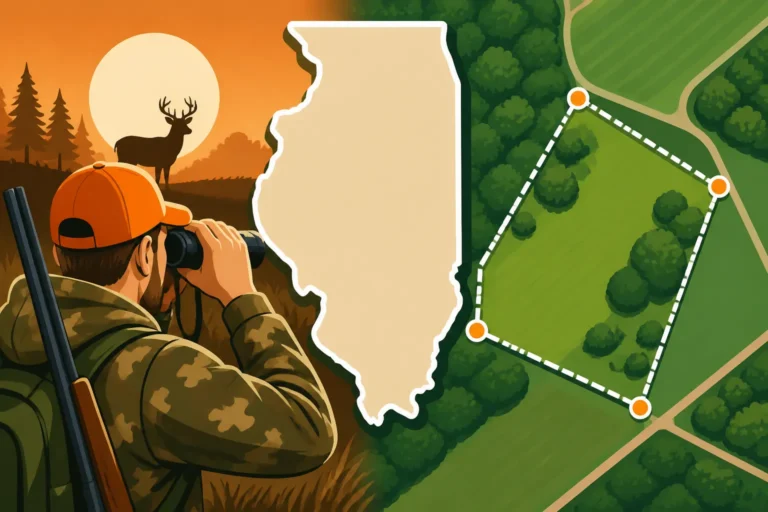
Beyond cleaning, consider how you handle and dispose of carcass waste. The best practice is to leave any parts of the carcass that cannot be legally moved (like the brain, spinal cord, and lymph nodes) at the kill site or dispose of them in a licensed landfill within the CWD zone. This minimizes the risk of environmental contamination. For general hunting, especially if you're trying to stay hidden from wary whitetails, employing good scent control strategies is paramount. Your typical scent-eliminating sprays, charcoal-lined clothing, and proper storage of hunting apparel are still essential. And speaking of being prepared, utilizing mapping tools like onX Hunt can be incredibly helpful in understanding property boundaries, especially when you're hunting near the edge of public and private land, or trying to avoid sensitive areas where CWD management might be concentrated. Tools like these ensure you know exactly where you are and what regulations might apply to that specific parcel. GoHunt also offers valuable mapping insights that can help in pre-season scouting and in-field navigation.
Navigating Public and Private Hunting Opportunities in Scott County
Hunting in Scott County, even with its CWD Zone designation, still offers opportunities for ethical and successful hunts. The key is to be informed and strategic about where and how you choose to pursue deer. Both public and private lands in the county have their unique considerations, especially when factoring in CWD management.
Finding Accessible Hunting Land in a CWD Zone
Like many Illinois counties, Scott County offers a mix of public and private hunting opportunities. However, public land can be more limited compared to some other regions, making private land access highly sought after. When you're looking for accessible hunting ground in a CWD Zone, your scouting efforts need to be even more meticulous. On public lands, be aware of any specific site regulations or CWD-related requirements that might be posted at entry points or on the IDNR website. Some public areas might have designated CWD sampling stations during firearm seasons, or specific rules about baiting or feeding that are stricter in CWD Zones.
For private land, getting permission is often the first hurdle. Once you have it, it's a good idea to discuss CWD concerns with the landowner. They might have their own practices or preferences for carcass disposal or testing. This open communication builds trust and ensures everyone is on the same page. Whether public or private, using a robust mapping app like onX Hunt is indispensable. It allows you to clearly identify property boundaries, mark potential deer travel corridors, and locate CWD sampling stations, ensuring you stay within legal hunting areas and adhere to all regulations. Knowing exactly where you are, and where CWD management efforts are concentrated, empowers you to make smarter in-field decisions.
Managing Your Harvest and Responsible Hunting
Harvesting a deer in a CWD Zone comes with added responsibilities, particularly regarding reporting and carcass management. After a successful hunt in Scott County, you'll need to report your harvest according to Illinois regulations. The easiest and most common way to do this is through the IDNR's online portal or their mobile app. Make sure you complete the process promptly, adhering to The Illinois Deer Reporting Deadline. This data is crucial for the IDNR to track harvest numbers and manage the deer herd effectively, especially in areas where disease prevalence is a concern.
Beyond reporting, carefully consider what you'll do with the venison. While CWD has not been shown to be transmissible to humans, public health agencies generally advise against consuming meat from animals that test positive for CWD. If you choose to have your deer tested, wait for the results before consuming the meat. If your deer tests positive, specific guidelines will be provided by the IDNR regarding its disposal. For deer that test negative or are harvested when mandatory testing isn't in effect, proper field dressing and processing are still vital. If you’re concerned about Handling Venison From an Illinois CWD County, it’s always best to consult the latest guidance from the IDNR or a local meat processor experienced with CWD protocols. Donating venison to programs like Farmers and Hunters Feeding the Hungry is a fantastic way to give back, and many processors involved in these programs are well-versed in CWD guidelines.
Maximizing Your Chances While Minimizing Risk
Hunting in a CWD Zone doesn't mean your chances of success are diminished, but it does mean a more thoughtful approach to your scouting, strategy, and overall engagement with the local deer population. It's about being a savvy hunter who understands the environment and contributes positively to wildlife management.
Scouting and Strategy Adjustments in a CWD Zone
When CWD is present, changes in deer behavior or population density can occur, which might influence your scouting and hunting strategy. While the Illinois Deer Herd Size remains robust statewide, localized impacts from CWD can sometimes alter patterns. Healthy deer herds tend to be more active, predictable, and responsive to hunting pressure. If CWD is causing localized declines or changes in herd dynamics, you might notice fewer deer, or deer exhibiting unusual behavior. This isn't always the case, but it's something to be aware of. Using resources like the Illinois Deer Population Estimate and county-specific harvest data can help you get a general idea of the local deer numbers, but nothing beats boots-on-the-ground scouting.
Pay close attention to fresh sign, trail camera intel, and the overall health of the deer you observe. Look for deer that appear emaciated, stumbling, or exhibiting unusual neurological symptoms – these are potential signs of CWD, and such animals should not be harvested for consumption. Instead, report such sightings to the IDNR. Focus your efforts on healthy, active deer. Understanding key travel corridors, bedding areas, and food sources remains critical, but also consider how deer might be distributed if the disease has impacted specific pockets of the county. Adaptability is your best friend when hunting in any dynamic environment, especially one influenced by disease management.
Staying Informed and Community Involvement
Staying current with the latest information from the Illinois Department of Natural Resources (IDNR) is paramount when hunting in a CWD Zone. Regulations can be updated annually, or even mid-season, based on new data and disease management needs. The IDNR website is your go-to source for the most accurate and up-to-date information regarding CWD in Scott County, including testing requirements, carcass movement restrictions, and sampling station locations. Don't rely solely on word-of-mouth; always verify information directly from the source. Joining local hunting forums or groups can also be a good way to stay connected to community discussions, but always cross-reference with official IDNR channels.
Beyond following regulations, consider how you can be actively involved in the solution. Participating in voluntary CWD testing, even when it's not mandatory, provides valuable data to biologists. Spreading accurate information to fellow hunters and dispelling misinformation helps foster a more responsible and informed hunting community. The fight against CWD is a long-term endeavor that requires the cooperation of every hunter. By taking these extra steps, you're not just ensuring a successful hunt for yourself; you're contributing to the health and future of Illinois's deer herd, ensuring that future generations can enjoy the rich hunting heritage we cherish.
Here's a quick look at common CWD symptoms to help you identify potentially infected deer:
| Symptom | Description |
|---|---|
| Emaciation/Weight Loss | Progressive and severe loss of body condition, often described as "wasting away," despite continued eating. |
| Behavioral Changes | Subtle at first, progressing to lethargy, disorientation, walking in set patterns, holding head in a lowered position, or showing a lack of fear of humans. |
| Excessive Salivation | Drooling or excessive slobbering, sometimes with a wet coat around the chin and neck. |
| Increased Thirst/Urination | Deer may drink and urinate more frequently than normal. |
| Neurological Signs | Loss of coordination, tremors, or an inability to stand. |
| Difficulty Swallowing | May appear to have trouble swallowing food or water, leading to further weight loss. |
| Pneumonia | Can be a secondary symptom, leading to respiratory distress. |
If you observe a deer exhibiting any of these symptoms, it's crucial not to harvest it. Instead, contact your local IDNR office or Conservation Police Officer immediately to report the sighting.
Disclaimer
This article is for general informational purposes only and does not constitute professional advice. Laws, prices and regulations vary by location and change over time. Consult a qualified professional for guidance on your specific situation.