Finding a Turkey Guide in Illinois
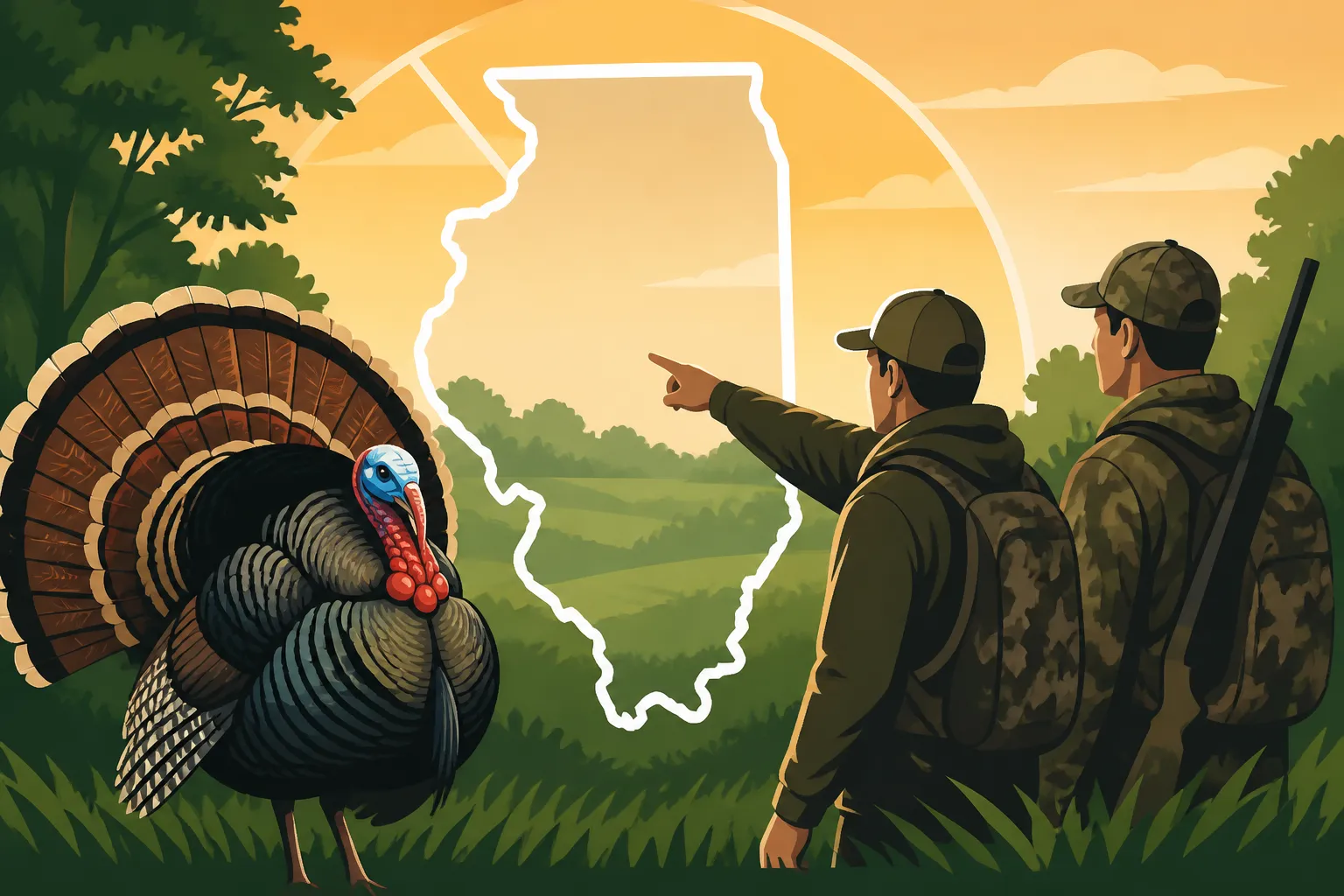
Trying to find a reliable turkey guide in Illinois can feel like searching for a needle in a haystack, especially if you're unfamiliar with the local terrain, bird habits, or even where to begin your search. Many hunters, whether seasoned or new to the sport, face the challenge of securing prime hunting ground, understanding complex regulations, and finding the time to scout effectively. This guide is here to walk you through everything you need to know about finding and booking an Illinois turkey guide, helping you transform that frustration into a successful and memorable hunt.
Why Consider a Guided Turkey Hunt in Illinois?
Illinois offers some fantastic turkey hunting, but it's not always easy to access or understand, particularly if you're coming from out of state or just don't have the time to dedicate to extensive scouting. That's where a quality guide can become your best asset, bridging the gap between your hunting aspirations and the realities of a successful hunt. Think of it as fast-tracking your knowledge and access.
Overcoming Access Challenges on Public Land
One of the biggest hurdles for any hunter, especially those new to an area, is simply finding a good place to hunt. Illinois has a mix of public lands, but these often come with heavy pressure, specific site regulations, and require significant legwork to scout effectively. Imagine arriving at a public site only to find every promising ridge already dotted with hunter vehicles; it's a demoralizing experience.
A good turkey guide usually operates on private land, which they’ve likely leased or gained permission to hunt. This immediately removes the stress of public land crowds and the uncertainty of finding birds. These guides often manage their properties specifically for wildlife, meaning they know where the turkeys roost, feed, and travel, giving you access to prime, less-pressured territory that would be nearly impossible to secure on your own. It's not just about finding land, but finding quality land with a higher probability of encountering birds.
Gaining Expertise from Experienced Local Hunters
Turkey hunting is an art form, a blend of woodsmanship, calling prowess, and an intimate understanding of turkey behavior. If you're new to turkey hunting, or even if you're experienced but unfamiliar with Illinois gobblers, a guide offers an invaluable education. They've spent countless hours in the woods, learning the nuances of calling, understanding how specific weather patterns affect bird movement, and knowing when to sit tight versus when to Run-and-Gun Turkey Tactics on Public Land.
Picture this: you've set up, called for an hour, and nothing. A guide, however, might interpret a subtle change in the wind, a distant hen call, or even the lack of response as a cue to change tactics, move locations, or try a different call. Their experience can turn a silent morning into a successful encounter, teaching you invaluable lessons along the way. They often know specific roost trees, common strutting zones, and escape routes, all insights that take years for an individual hunter to accumulate.
Maximizing Limited Time in the Woods
Let's be honest, life is busy. Many of us don't have weeks to scout before a hunt or days to sit patiently hoping a gobbler shows up. For hunters traveling from out of state, or those with demanding schedules, a guided hunt is the ultimate time-saver. You arrive, and the guide has already done the legwork: scouting, setting up blinds, understanding the current bird patterns, and often even locating roosted birds for a morning ambush.
Instead of spending precious hunting time figuring out terrain, accessing maps, or walking countless miles looking for sign, you're immediately in a position to hunt. This efficiency means your limited vacation days or precious weekends are spent actively hunting, not merely searching. It significantly increases your odds of success within a shorter window, making the investment in a guide pay off in experiences and opportunities you might not otherwise have.
Understanding Illinois Turkey Seasons and Zones
Illinois offers excellent turkey hunting opportunities, but understanding the various seasons and zones is critical, especially when planning a guided trip. The state's system is designed to manage pressure and ensure healthy turkey populations, which means hunters need to be aware of how and when they can legally pursue these birds.
Navigating Spring Turkey Periods and Locations
Illinois's spring turkey season is a big deal, and it's split into multiple hunting periods and zones to distribute hunter effort and provide ample opportunity. The state is divided into North and South zones, each with its own set of five hunting periods. Generally, the South Zone seasons open earlier, sometimes by as much as a week or two, which can be a significant factor for hunters trying to time their hunt with the peak of gobbling activity. A good guide will specialize in specific zones and periods, often having multiple leases across different areas to maximize their chances with the birds, irrespective of which Illinois Spring Turkey Zones and Periods you're looking to hunt.
When you book a guided hunt, your outfitter will typically advise you on the best periods to hunt based on their experience and historical success rates. For instance, many guides will focus intensely on the earlier periods in the South Zone, knowing that birds are often less pressured and more responsive to calling. Later periods can still be successful, but birds might be "henned up" or more wary. Your guide’s knowledge of these nuances is invaluable for planning. Understanding the permit system is also crucial; often, guides will help non-residents navigate the lottery system or suggest periods when over-the-counter permits are more readily available, ensuring you have the necessary tag to hunt. You can read more about specific timing in posts like Hunting an Early South Zone Turkey Period or Hunting a Late North Zone Turkey Period.
The Different Regulations for Fall Turkey Seasons
While spring hunting for gobblers tends to steal the spotlight, Illinois also offers a fall turkey season, which presents a completely different challenge and experience. Fall turkey hunting typically involves hunting either sex of turkey and often focuses on breaking up flocks and then calling the scattered birds back together, particularly the young birds. The regulations for Hunting Illinois's Fall Turkey Zones differ from spring, and not all guides offer fall turkey hunts.
If you're interested in a fall turkey experience, it's essential to confirm that your chosen guide offers this specific type of hunt. The tactics are different; instead of calling a lovesick gobbler to a decoy, you're mimicking lost turkeys or trying to gather a scattered flock. This often involves more walking and active hunting rather than sitting and calling from a blind. Your guide will have a different set of skills and property knowledge suited to fall patterns, such as where flocks tend to roost and feed as they prepare for winter. They can advise on the best times in the fall when flocks are most responsive and accessible, away from the intense breeding behaviors of spring.
Impact of Weather and Timing on Success Rates
Weather plays a monumental role in turkey hunting, regardless of whether you're guided or self-guided. A guide's expertise here becomes even more critical. They understand how different weather conditions, from sudden cold snaps to torrential rain, influence turkey behavior. For example, turkeys might be less vocal on cold, windy mornings, preferring to stay on the roost longer. Or, after a heavy rain, they might move to higher ground or open fields to dry off.
A knowledgeable guide will use their understanding of local weather patterns to adjust hunting strategies. This might mean moving to a different part of the property, changing calling sequences, or even shifting hunting times to align with when the birds are most active. They can also provide real-time advice on what to wear and how to prepare for the specific conditions you'll encounter. Timing your hunt within the season is also important, as birds' behaviors shift from early breeding to late-season "gobbler burnout." A good guide helps you pick the optimal time for the best chance at success, and will have contingency plans when Mother Nature throws a curveball.
Types of Illinois Turkey Guides and Services
Just like any service, guided turkey hunts in Illinois come in various flavors, each offering a different level of service, flexibility, and price point. Understanding these options can help you choose the experience that best suits your budget, hunting style, and desired level of involvement.
Fully Guided All-Inclusive Packages
This is often the dream for many hunters looking for a truly hassle-free experience. A fully guided all-inclusive package means that almost everything is taken care of from the moment you arrive until you depart. These packages typically include professional guiding services, which means your guide will scout, call, set up blinds or decoying strategies, and handle the in-field logistics. Beyond the hunt itself, these packages often cover lodging, meals, and sometimes even transportation once you've arrived at the lodge or designated meeting point.
For instance, you might arrive at a cozy Illinois lodge, have dinner with your guide and other hunters, wake up to a hearty breakfast, and then be driven directly to a pre-scouted location. Your guide will be with you every step of the way, handling the calls and helping you with shot placement. After a successful harvest, they’ll often assist with field dressing and transportation of the bird back to the lodge. These packages are ideal for hunters who want to focus solely on the hunting experience without worrying about any of the logistics. While they tend to be the most expensive option, they offer unparalleled convenience and a high level of personalized service. Many of these top-tier outfits are found through platforms like BookYourHunt, which aggregates listings with detailed inclusions.
Day-Rate Guided Hunts
A step down in comprehensiveness, day-rate guided hunts typically cover the guiding service for a single day (or perhaps a half-day) of hunting. This means you'll pay a flat fee per day for the guide's expertise, access to their private land, and in-field assistance. What's usually not included are lodging, meals, or sometimes even transportation to the hunting property itself. You'll often be responsible for arranging your own accommodations and food, and you'll meet your guide at a predetermined spot each morning.
These hunts are a popular choice for hunters who prefer to handle their own lodging and meals, perhaps staying in a local hotel or with friends nearby. They offer more flexibility and are generally more budget-friendly than all-inclusive options. However, you're still getting the critical advantage of an experienced local guide and access to private land. This can be a great option if you have family nearby, or if you simply prefer the independence of managing your own off-hunt logistics. For those new to an area, this can be a good way to test the waters with a guide without committing to a full multi-day, all-inclusive package. Single-Day Turkey Guide Rates in Illinois can vary quite a bit depending on the guide's reputation and location.
Semi-Guided and Lodging-Only Options
Semi-guided hunts offer a middle ground, providing some support without the constant presence of a guide in the field. With a semi-guided package, you might get access to private property, a map of known turkey hot spots, and general advice from the outfitter. They might show you to a pre-set blind or suggest areas to hunt, but you'll be responsible for your own calling, decoying, and overall in-field strategy. Some semi-guided packages might include lodging, but meals are often on your own.
Lodging-only options are even more basic. Here, you're essentially just paying for a place to stay that is conveniently located to good turkey hunting ground, often with access to private land. You'll be entirely self-sufficient in the field, responsible for all aspects of the hunt. These options are perfect for experienced turkey hunters who are confident in their own abilities but struggle with finding private land access or prefer the convenience of staying on or near the hunting property. It's also typically the most economical way to access private ground through an outfitter. These choices are great for those who value independence but still want a leg up on property access, which is often the biggest hurdle.
| Service Type | Guide in Field | Private Land Access | Lodging Included | Meals Included | Best For |
|---|---|---|---|---|---|
| Fully Guided | Yes | Yes | Yes | Yes | New hunters, busy professionals, ultimate convenience |
| Day-Rate Guided | Yes | Yes | No | No | Hunters with own lodging, more budget-conscious |
| Semi-Guided | No (often) | Yes | Sometimes | Rarely | Experienced hunters needing private access, some guidance |
| Lodging-Only | No | Yes | Yes | No | Experienced hunters needing private access, full independence |
What to Look For in an Illinois Turkey Guide
Choosing the right turkey guide is paramount to a successful and enjoyable hunting experience. It's not just about finding someone with access to land; it's about finding a reputable, ethical, and knowledgeable professional who will put your safety and success first. Doing your homework up front can save you a lot of grief and disappointment later on.
Vetting a Guide's Experience and Reputation
When you're looking for an Illinois turkey guide, the first thing to consider is their experience and reputation. Don't just go by fancy websites or flashy social media posts. Dig deeper. How long have they been guiding turkey hunts specifically in Illinois? Do they specialize in turkey, or is it just one of many species they guide for? A guide who focuses heavily on turkey hunting will generally have a much deeper understanding of the birds, their patterns, and effective calling techniques in their specific region.
Ask for references from past clients, and don't be shy about contacting them. Speak to previous hunters about their overall experience: Was the guide professional? Were the properties well-managed? Did they feel safe? Check online reviews on independent hunting forums, review sites, or platforms like BookYourHunt. Look for consistent positive feedback and pay attention to how the guide responds to any negative comments. A guide with a long-standing positive reputation, built on client satisfaction and consistent success, is often a very good sign. A guide's reputation is their livelihood, and the best ones guard it fiercely with hard work and integrity.
Confirming Licensing and Insurance
This is a non-negotiable step. Any legitimate hunting guide or outfitter in Illinois should be properly licensed and insured. Licensing ensures they meet state requirements for operating a commercial hunting business, while insurance protects both you and the guide in case of an unforeseen accident or incident. Don't assume; always ask for proof. A reputable guide will be transparent and happy to provide this information without hesitation.
Inquire about their specific outfitter or guide license numbers and confirm that their insurance coverage is current and adequate. While it might seem like a formality, this due diligence protects you legally and financially. Hunting involves inherent risks, and knowing your guide is operating above board provides peace of mind. If a guide is cagey about their licensing or insurance, consider it a major red flag and look elsewhere. This is your safety and investment at stake, so don't cut corners here.
Essential Questions to Ask Before Booking
Once you've narrowed down your choices, prepare a list of detailed questions. This conversation is crucial for setting expectations and ensuring you and the guide are on the same page. Here are some key questions to ask:
- What is your typical success rate for turkey hunters, and how do you define "success" (harvest, shot opportunity, calling in birds)? Be realistic; turkey hunting is never 100%.
- What properties will we be hunting, and how much pressure do they typically receive? Get a sense of the land and potential competition.
- What is included in the price (guide, lodging, meals, transportation, field dressing, caping, etc.) and what is not? Clarify every detail to avoid surprises.
- What is your policy on cancellations, deposits, and refunds? Understand the financial commitments and contingencies.
- What gear should I bring (calls, decoys, clothing, weapon)? The guide might provide some items, but you need to know what's expected of you.
- What are the physical demands of the hunt? Will you be hiking rugged terrain, or sitting in a blind?
- What is the group size? Will I be hunting alone with the guide, or with other hunters? This affects personalized attention.
- How do you handle tag requirements and reporting requirements? Especially for non-residents navigating the permit system and Illinois Turkey Checking Requirements.
- What happens if weather conditions are unfavorable? Do you have alternative plans?
- Can you provide contact information for recent references?
Asking these questions upfront will clarify expectations, help you compare guides effectively, and ultimately lead to a more satisfactory hunting trip. Don't be afraid to take notes during these conversations, and don't feel pressured to book on the spot. This is a significant investment of time and money, and you deserve to feel confident in your choice.
Cost and Booking Logistics for Illinois Turkey Hunts
Understanding the financial aspects and timing of booking your guided Illinois turkey hunt is crucial for a smooth process. Costs can vary wildly based on the guide's reputation, the services offered, and the duration of your hunt. Being prepared for these logistics will help you budget effectively and secure your spot.
Understanding Pricing Structures and Inclusions
The price of a guided turkey hunt in Illinois isn't just a number; it reflects a bundle of services, access, and expertise. Fully guided, all-inclusive packages will naturally be at the higher end, typically covering multiple days of hunting, lodging, meals, and the constant presence of your guide. These packages aim to provide a seamless, worry-free experience where most of the logistical heavy lifting is done for you. A multi-day all-inclusive package might cost significantly more than a single day, but it gives you more opportunities and less stress.
On the other hand, day-rate hunts are more focused on the in-field guiding service and private land access. You'll pay for the guide's time and expertise for a set number of hours or days, but you'll be responsible for your own accommodations, food, and often transportation to the meet-up point. Semi-guided and lodging-only options will be the most economical, as they offer less direct guiding service, primarily focusing on access to prime hunting ground and possibly a place to stay. Always get a detailed breakdown of what's included versus what's an extra cost. Things like taxidermy services, meat processing, or even specific calls or ammunition might not be covered. Ensure you understand the total cost before you commit, including any potential hidden fees.
Navigating Deposits, Cancellations, and Tipping
Booking any guided hunt almost always requires a deposit upfront. This deposit secures your dates and helps the outfitter manage their schedule and expenses. Deposit amounts can vary, often ranging from 25% to 50% of the total hunt cost. Make sure you understand the guide's deposit policy clearly, including whether it's refundable, transferable, or if it can be applied to a future hunt if you need to reschedule. Life happens, and unforeseen circumstances can arise, so a clear cancellation policy is incredibly important. Read the fine print!
Tipping your guide is also customary and a significant part of their income. While there's no hard-and-fast rule, a typical range for a good experience might be 15-20% of the hunt's cost. This is usually given directly to the guide at the end of the hunt. If multiple guides or staff (e.g., cooks, lodge managers) contribute to your experience, ensure you understand how tips are distributed or if you should tip them individually. Your guide works incredibly hard to give you the best chance at success, from scouting months in advance to waking up hours before dawn. A generous tip is a direct way to show your appreciation for their efforts.
When to Book Your Illinois Turkey Hunt
Turkey permits in Illinois operate on a lottery system for residents and non-residents, particularly for the spring season. This means that highly sought-after periods and zones can be booked up incredibly fast, sometimes more than a year in advance for top outfitters. If you're targeting a specific zone or an early period, like the Illinois South Zone Turkey Opening Period, you absolutely need to plan well ahead.
For non-residents, the permit application process often opens in the winter months, and permits are limited. Many guides will help you navigate this process or advise on the best periods to apply for to maximize your chances of drawing a tag. If you're hoping for an opening weekend hunt in a prime area, booking at least 6-12 months out is not uncommon. Later season periods or fall hunts might have more flexibility, but popular guides still fill up. Don't wait until the last minute, especially if you have specific dates or locations in mind. Early booking gives you the best selection of guides, dates, and ensures you have enough time to secure your necessary permits and prepare for your trip. This forward planning is crucial to avoid disappointment.
Preparing for Your Guided Illinois Turkey Hunt
Once you've booked your Illinois turkey hunt, the excitement starts to build! But don't just sit back and wait. Proper preparation can significantly enhance your chances of success and ensure you have a comfortable and enjoyable experience. This goes beyond just packing your bag; it involves physical, mental, and regulatory readiness.
Physical and Mental Preparation
Turkey hunting, while not always as physically demanding as, say, chasing elk in the mountains, can still involve a fair amount of walking, sitting for long periods, and remaining alert. If your hunt involves "run-and-gun" tactics, you might be covering significant ground across varied terrain, from creek bottoms to ridgelines. Getting in reasonable physical shape – being able to walk a few miles comfortably with your gear – will make the experience much more enjoyable. Practice sitting still for extended periods, as patience is a turkey hunter's best friend.
Mentally, prepare for the realities of hunting. Turkeys can be incredibly challenging animals. There will be slow mornings, missed opportunities, and days where the birds just don't cooperate. Go into it with a positive attitude and an open mind, ready to learn from your guide regardless of the outcome. Enjoy the process, the solitude of the woods, and the thrill of the chase. A relaxed, patient hunter is often a more successful hunter. Remember, the experience itself is as valuable as the harvest.
Essential Gear and Clothing Considerations
Your guide will typically provide a detailed packing list, but here are some general categories to consider for an Illinois turkey hunt:
- Weapon: Shotgun (12 or 20 gauge with turkey choke) or crossbow (check Crossbow Rules During Illinois Archery Season if applicable for turkey, though often allowed). Make sure it's sighted in and you've patterned your turkey load.
- Ammunition: Quality turkey loads are key.
- Clothing: Layered clothing is essential, as spring mornings can be chilly and afternoons warm up fast. Full camouflage is critical. Think light, breathable, and quiet fabrics. A good rain suit is a must, as spring weather can be unpredictable. Comfortable, broken-in hunting boots are non-negotiable for walking. Don't forget a camo face mask and gloves.
- Decoys: Your guide might provide these, but ask. If you're bringing your own, confirm they fit the guide's strategy.
- Calls: Again, your guide will likely do most of the calling, but having your own calls (box, slate, mouth calls) for practice or to use if the guide asks, is a good idea. Practice before you go!
- Backpack: A small, comfortable daypack for water, snacks, extra layers, and any personal items.
- First-aid kit: Basic personal medications, blister treatment, etc.
- Bug spray: Ticks and mosquitoes can be prevalent in spring.
- Headlamp/Flashlight: For early morning walks to the blind or late-night recoveries.
Always verify the gear list with your specific guide, as their preferred tactics might dictate certain items. For instance, if you're Roost Hunting Illinois Gobblers, you might need to carry less gear than if you're setting up for a long sit in a blind.
Understanding Illinois Turkey Hunting Regulations
Illinois has specific regulations for turkey hunting, and it's your responsibility as a hunter to know and abide by them. Your guide will be knowledgeable, but you should still familiarize yourself with the basics. This includes legal hunting hours (often half an hour before sunrise to 1 p.m. in spring, but check Illinois Turkey Hunting Hours), legal methods of take, bag limits, and permit requirements.
For example, Illinois typically has a one-gobbler limit per permit in the spring, with a maximum number of permits per hunter. Fall seasons often allow for one turkey of either sex per permit. Understand any blaze orange requirements, though generally not required for spring turkey. Ensure your hunting license and turkey permit are secured well in advance of your hunt. Many permits are sold through a lottery, so missing the application window means no permit. While your guide will provide on-the-ground guidance, having a foundational understanding of the rules shows respect for the resource and the state's wildlife management efforts. You can find detailed regulations on the Illinois Department of Natural Resources (IDNR) website or app.
Maximizing Your Experience with an Illinois Turkey Guide
You've done the research, booked the hunt, and prepared your gear. Now, it's time for the actual hunt! To truly make the most of your guided Illinois turkey experience, remember that it's a partnership. Clear communication, respectful behavior, and an understanding of post-harvest logistics will ensure a smooth and successful trip for everyone involved.
Communication and Expectations During the Hunt
Effective communication with your guide is paramount. Before you even head into the woods, have a frank discussion about your expectations. Are you solely focused on harvesting a bird, or is the experience of calling in a gobbler equally important? Are you physically capable of long walks, or do you prefer stationary blinds? Knowing your preferences helps the guide tailor the hunt to you.
During the hunt, listen to your guide. They are the experts on their specific properties and the local turkeys. Follow their instructions precisely, especially regarding when to move, when to call, and when to shoot. If you have questions or concerns, voice them respectfully. For example, if you can't see a bird clearly from a certain angle, let them know immediately. Don't be afraid to ask why they're making a particular move or using a certain call—it's an excellent learning opportunity. For example, you might learn subtle nuances about Decoy Placement for Pressured Illinois Birds or how they approach Calling an Illinois Gobbler Off the Roost. Good communication fosters trust and increases your chances of success.
Post-Harvest Care and Logistics
Congratulations, you've harvested an Illinois gobbler! The work isn't quite over, though. Your guide will usually assist with field dressing your turkey. Understand their preferred method and offer to help. Ask about their process for getting the bird back to the vehicle and then to a cooler or processing facility. If you plan to have the bird mounted, discuss caping or specific cuts for the taxidermist before the bird is field dressed. The guide can often provide a cooler or advise on where to purchase ice if you're traveling a long distance.
For non-residents, especially, understanding carcass transport rules, particularly if you're hunting near any of Illinois's Chronic Wasting Disease (CWD) counties, is critical. Your guide should be able to advise on legal requirements for taking your harvested bird across state lines. Some guides even offer arrangements with local processors or taxidermists, making the post-harvest logistics much simpler. Have a plan for your bird's meat, whether you're taking it home to process yourself, or dropping it off at a local butcher.
Respecting the Land, Guide, and Game
A guided hunt is an opportunity to learn and enjoy, but it's also a chance to demonstrate your respect for the guide, their property, and the wildlife. Always arrive on time, well-rested, and ready to hunt. Leave no trace – pack out everything you pack in, including spent shell casings. Treat the guide's property, vehicles, and equipment with care. This means closing gates, not driving off-road without permission, and generally acting as a good steward of the land.
Respect the game by practicing ethical hunting. Only take clean, ethical shots. If a bird is wounded, commit to tracking and recovering it, with your guide's help. Understand that turkey populations are a precious resource, and adherence to regulations ensures continued hunting opportunities. Your guide dedicates their life to this, and showing respect for their efforts and the wild places they manage will ensure a positive experience and a potential return trip in the future.
Alternatives to Fully Guided Hunts in Illinois
While a fully guided turkey hunt offers incredible advantages, it's not the only way to experience turkey hunting in Illinois. Many hunters prefer a more independent approach, or their budget might necessitate exploring other options. Illinois offers several avenues for pursuing wild turkeys, each with its own set of challenges and rewards.
Self-Guided Public Land Strategies
Illinois boasts a decent amount of public land accessible for hunting, from state parks and wildlife areas to portions of the Shawnee National Forest Hunting. For the determined and self-reliant hunter, these public grounds offer an exciting challenge. The key to success on public land often lies in extensive pre-season scouting, utilizing mapping apps like those that can show onX Layers for Illinois Land Status, and being willing to walk further than most other hunters. Finding areas that see fewer hunters requires dedication and often means exploring rugged or less accessible terrain.
Successful public land turkey hunting demands a strong understanding of turkey behavior, excellent calling skills, and the ability to adapt to changing conditions and hunting pressure. You'll be responsible for all your own scouting, gear transport, setups, and calling. While this approach requires more effort and independence, the satisfaction of calling in a gobbler on public land you've scouted yourself is incredibly rewarding. Just be sure to check the specific regulations for each public site, as some have unique rules regarding Illinois Public Land Hunting Hours or seasonal closures.
Utilizing Illinois Pheasant Preserves or Private Leases
For those looking for private land access without the full guided experience, utilizing a pheasant preserve that also offers turkey hunting or exploring private land leases are viable options. Some shooting preserves, primarily focused on upland birds, may have wild turkeys on their properties and offer limited turkey hunting opportunities, sometimes semi-guided or with lodging-only options. This can be a good way to get access to managed property with lower hunting pressure than public land.
Alternatively, joining a private hunting lease or syndicate can provide long-term access to quality ground. While this typically involves an annual fee and commitments, it offers a consistent place to hunt year after year, allowing you to learn the property intimately. This is a popular route for groups of friends or family members who want to manage their own turkey hunting experiences. The benefit here is consistent, exclusive access to private land without the cost of a full guide on every hunt. However, you'll still need to handle all your own scouting, calling, and hunting strategies.
Mentored Youth Hunting Opportunities
Illinois is committed to fostering the next generation of hunters, and its mentored youth hunting programs provide an excellent entry point for young aspiring turkey hunters. These programs typically allow youths (often under a certain age) to hunt under the direct supervision of a licensed adult mentor, often without needing to draw a lottery permit themselves during specific youth seasons. This creates a fantastic opportunity for an experienced adult hunter to introduce a youngster to the thrill of turkey hunting in a safe and supportive environment.
While not a "guide" in the commercial sense, an adult mentor essentially acts as a personal guide for the youth, teaching them about turkey behavior, woodsmanship, gun safety, and calling techniques. The focus is less on harvesting a trophy and more on the educational experience and instilling a love for the outdoors. If you're an adult hunter looking to share your passion, or a parent considering introducing your child to turkey hunting, exploring Illinois's mentored youth programs is a wonderful alternative that provides a guided experience in a different, but equally valuable, context.
Disclaimer
This article is for general informational purposes only and does not constitute professional advice. Laws, prices and regulations vary by location and change over time. Consult a qualified professional for guidance on your specific situation.