Booking a Guided Illinois Hog Hunt
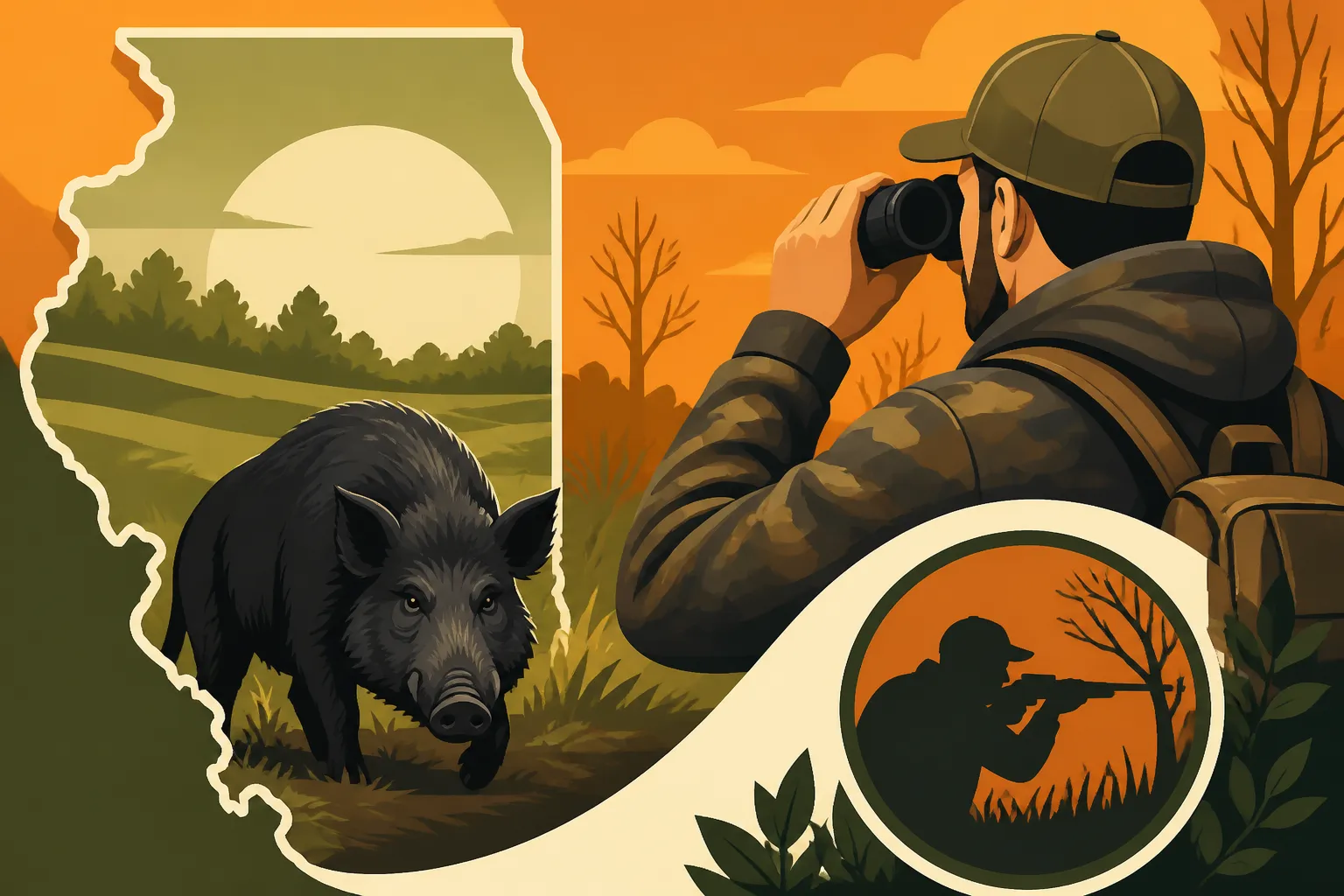
Feral hogs are a real headache across Illinois, causing significant damage to agricultural lands and sensitive natural habitats. For many hunters, especially those new to tracking these elusive and destructive animals, finding access and understanding effective tactics can feel like an impossible maze. This guide is designed to cut through that confusion, giving you a detailed roadmap to successfully booking and executing a guided feral hog hunt in the Prairie State, ensuring you're well-prepared for a challenging yet rewarding experience.
Understanding Feral Hogs in Illinois and Why They're Hunted
The presence of feral hogs in Illinois is a significant ecological and agricultural concern, and understanding their impact is key to appreciating why hunting them is encouraged year-round. These aren't native animals, and their unchecked proliferation can quickly devastate local ecosystems and farmer's livelihoods.
The Menace of Feral Hogs
Feral hogs are often referred to as "ecosystem engineers" – but not in a good way. Their constant rooting and wallowing destroy crop fields, disrupt natural soil structures, and contaminate water sources. Imagine a farmer waking up to find an entire field of corn or soybeans churned up as if a rototiller went through it overnight; that's the kind of damage these animals inflict. Beyond crops, they decimate native plant communities, predate on ground-nesting birds and their eggs, and compete directly with native wildlife like deer and turkeys for food sources. They’re also carriers of numerous diseases, some of which can be transmitted to livestock and even humans, adding another layer of concern for public health and agricultural security. The sheer scale of their destructive power is hard to overstate, making their management a top priority for landowners and conservation agencies alike.
Illinois's Unregulated Approach to Hogs
Unlike deer or turkey, feral hogs in Illinois are classified as a non-game species, often lumped in with nuisance animals. This means the state has taken a very aggressive, no-holds-barred approach to their management: there are no closed seasons, no bag limits, and hunters don't even need a specific permit or tag to hunt them, provided they have a valid hunting license. The Illinois Department of Natural Resources (IDNR) considers them an invasive species that needs to be eradicated or at least heavily controlled. This hands-off regulatory stance is meant to give hunters and landowners maximum flexibility to pursue and remove these animals whenever and wherever they are found. It creates unique opportunities for hunters who might be accustomed to strict seasons and limits for other game, offering year-round action. For a deeper dive into the specific rules, check out Illinois Feral Hog Regulations. You can also find more general information about pursuing these animals in Hunting Illinois's Year-Round Feral Hogs.
Ethical Considerations for Hog Hunting
While the state encourages the removal of feral hogs, ethical hunting practices remain paramount. This isn't about wanton destruction, but about responsible animal removal. Hunters should always strive for a clean, humane kill. This means taking responsible shots, knowing your weapon's capabilities, and being proficient with it. Unlike some other game species, hog hunting can involve methods like night hunting with thermal optics or dog-drives, which require specific training and expertise to ensure safety and ethical conduct. A good guide will always prioritize ethical hunting, teach proper shot placement, and ensure every effort is made to recover any animal hit. The goal is to remove the animal as efficiently and humanely as possible, recognizing its role as an invasive species while still affording it respect as a living creature.
Why Consider a Guided Hog Hunt in Illinois
Hunting feral hogs can be incredibly challenging. They are intelligent, elusive, and often nocturnal. For many hunters, especially those without extensive local knowledge or specialized equipment, a guided hunt simply makes the experience more feasible and enjoyable.
Access to Prime Hog Country
One of the biggest hurdles for any hunter, especially for an invasive species like hogs, is simply finding where they are. Feral hogs are often found on private land, particularly around agricultural areas, river bottoms, and dense cover where they can feed and hide. Gaining permission on these private properties can be a monumental task for an individual hunter. This is where a guided outfitter shines. Reputable hog hunting outfitters have often spent years cultivating relationships with landowners, securing exclusive access to thousands of acres of prime hog habitat. These are often properties that are experiencing significant crop damage or ecological harm from hogs, making landowners eager to have hunters on their property. This access is invaluable, eliminating the frustration of knocking on doors or endlessly scouting public lands where hog populations might be scarce or heavily pressured. It means you spend less time searching and more time hunting.
Expert Knowledge and Equipment
Feral hogs are tough animals, and they don't behave like your typical whitetail. An experienced guide brings a wealth of knowledge about hog behavior, travel patterns, feeding habits, and bedding areas specific to their hunting grounds. They know how to read the sign – rooting, wallows, rubs, and tracks – to put you in the best position. More importantly, guides often provide specialized equipment that most hunters don't own. This could include high-powered thermal imaging scopes and binoculars for Night Hunting Hogs With Lights on Private Land, ATVs or UTVs for quick access and recovery, or even trained hog dogs for specific Dog-Drive Hog Guide Services. This equipment can be expensive and requires skill to operate effectively, making a guided hunt a cost-efficient way to experience these advanced tactics without the upfront investment. Their expertise and gear transform a potentially frustrating chase into a high-odds hunting opportunity.
Maximizing Your Chances of Success
Let's be honest, everyone wants to be successful when they go hunting. With feral hogs, success isn't just about harvesting an animal; it's about making a tangible difference in controlling an invasive species. A guided hunt dramatically increases your chances of success. The combination of exclusive access, expert knowledge of hog movement, and specialized equipment means your guide can put you directly where the hogs are. They understand how factors like wind direction, temperature, recent rainfall, and moon phase influence hog activity. They've likely scouted the area extensively, often using trail cameras or drone surveys, to pinpoint current hog hotspots. This meticulous planning and on-the-ground experience translate into more encounters and, ultimately, more opportunities to take a shot. While no hunt is ever guaranteed, booking with a reputable outfitter is arguably the best way to ensure you have a memorable and productive hog hunting experience in Illinois.
Types of Guided Hog Hunts Available
Illinois hog hunting isn't a one-size-fits-all endeavor. Outfitters offer a variety of methods and packages, each with its own appeal and challenges. Understanding these options will help you choose the experience that best suits your hunting style and preferences.
Day Hunts vs. Multi-Day Packages
Most outfitters offer both single-day hunts and multi-day packages. A day hunt is typically a shorter, more intense experience, often focused on a specific time frame like a morning, afternoon, or night hunt. These are great for local hunters or those looking for a quick hog hunting fix without committing to extensive travel or lodging. They can be a good way to "test the waters" with a new outfitter or a specific hunting method.
Multi-day packages, on the other hand, provide a more immersive experience. They often include lodging, meals, and multiple hunting opportunities over two or more days. This allows for more flexibility in hunting different areas, trying various tactics, and simply enjoying the camaraderie of a hunting camp. If hogs aren't active one day due to weather or other factors, a multi-day hunt gives you more chances to connect. For out-of-state hunters or those traveling a significant distance, a multi-day package usually makes the most sense, maximizing the return on your travel investment. These longer hunts also give you more time to learn from your guide and adapt to the unique challenges of hog hunting.
Traditional Spot-and-Stalk or Stand Hunts
For hunters who prefer a more classic approach, many outfitters offer spot-and-stalk or stand hunts. Spot-and-stalk involves actively moving through known hog areas, looking for fresh sign or actually spotting hogs in fields or timber. This requires stealth, patience, and good woodsmanship. It's an active and engaging way to hunt, reminiscent of traditional deer hunting. Stand hunts, conversely, involve sitting in a pre-positioned blind or treestand overlooking a known travel corridor, feeding area, or water source. These can be particularly effective during daylight hours, especially if hogs are on a predictable pattern, or if you prefer a less physically demanding hunt. The guide will have scouted these locations thoroughly, likely with trail cameras, to determine prime sitting times. These methods appeal to hunters who enjoy the quiet solitude of observation and the challenge of a precise shot in a natural setting, without the added complexity of advanced technology or dogs.
Night Hunting with Thermal or Night Vision
Without a doubt, one of the most exciting and effective ways to hunt feral hogs in Illinois is at night, utilizing thermal or night vision optics. Hogs are largely nocturnal, especially in areas with hunting pressure, making night hunting incredibly productive. Outfitters offering these hunts will typically provide high-end thermal scopes and binoculars, allowing you to easily spot hogs in complete darkness, even through light cover. The thrill of seeing a sounder of hogs light up on a thermal imager, then executing a silent stalk under the stars, is an experience unlike any other. These hunts require specialized knowledge of thermal equipment and careful communication between hunter and guide. Illinois law allows for night hunting of feral hogs on private land with artificial lights and thermal/night vision, making it a legal and highly effective method. Outfitters providing Thermal-Assisted Hog Guide Packages often have advanced gear and tactics specifically for this nocturnal pursuit, significantly increasing your chances of success. For a detailed look at the legalities, remember to check Night Hunting Hogs With Lights on Private Land.
Dog-Drive Hog Hunts
For an adrenaline-pumping, traditional Southern-style hunt, some Illinois outfitters offer dog-drive hog hunts. This method involves using specially trained dogs to locate, bay, and sometimes catch feral hogs. The dogs wear protective vests, and hunters follow, ready to move in for a quick, humane shot once the hogs are cornered or "bayed." This isn't a passive hunt; it's active, fast-paced, and can be quite physical, often requiring hunters to navigate dense brush and challenging terrain. It's a team effort, with the dogs leading the charge and the hunters following their lead. Outfitters providing Dog-Drive Hog Guide Services are experienced in managing dog teams and ensuring hunter safety in what can be a chaotic environment. This style of hunting is deeply rooted in tradition and offers a uniquely immersive experience for those looking for a truly wild encounter with feral hogs. It's a different kind of thrill than a quiet stand hunt or a high-tech thermal stalk, appealing to those who enjoy the energy and teamwork involved.
What to Look for in an Illinois Hog Hunting Outfitter
Choosing the right outfitter can make or break your hog hunting experience. It's not just about finding someone who takes you into the woods; it's about finding a reputable, ethical, and knowledgeable professional who prioritizes safety and success.
Reputation and Client Testimonials
Before you commit to a guided hunt, do your homework on the outfitter's reputation. Look for candid client testimonials, not just the curated quotes on their website. Check third-party review sites, hunting forums, and social media groups where past clients might share their experiences. Pay attention to comments regarding communication, guide professionalism, adherence to safety protocols, and how the outfitter handles unexpected challenges like bad weather or difficult hunting conditions. A truly good outfitter will have a track record of satisfied clients who speak positively about their overall experience, not just their harvest success. They will be transparent about their operations and eager to provide references. Be wary of outfitters with no online presence or exclusively glowing, generic reviews, as this can sometimes be a red flag. Websites like BookYourHunt or GoHunt can be good starting points for finding outfitters and often feature client reviews that provide a more balanced perspective.
Inclusions and Exclusions in Packages
Always get a clear understanding of what is included and, just as importantly, what is not included in your chosen hunting package. Common inclusions might be guide services, transportation during the hunt, field dressing of your animal, and sometimes meals and lodging for multi-day trips. Exclusions often include your hunting license, personal gear (like firearms or ammo, though some outfitters offer rentals), meat processing beyond field dressing, taxidermy services, and tips for your guide. Some outfitters might have a specific number of hogs included in the price, with additional animals costing an extra fee. Make sure there are no hidden costs. A detailed written agreement or contract is crucial to avoid misunderstandings down the line. Don't be shy about asking direct questions about every line item. Knowing precisely what you're paying for allows you to budget accurately and prevents unpleasant surprises once you're on the ground.
Experience with Specific Hunt Styles
If you're dead set on a thermal night hunt or a dog-drive, ensure the outfitter has significant, proven experience with that specific method. Just because an outfitter hunts hogs doesn't mean they excel at every technique. Ask about their guides' certifications or specialized training for night hunting equipment or managing hog dogs. Inquire about the type and quality of their equipment, especially for thermal optics, which can vary widely. If you're interested in a dog hunt, ask about the breed and training of their dogs and the average size of their hunting parties. An outfitter who focuses on a few key methods and executes them exceptionally well is often a better choice than one who claims to do everything but lacks deep expertise in any particular area. Their experience in your chosen hunt style directly correlates to your safety and success. For more help with this vetting process, read Vetting an Illinois Outfitter Before You Book.
What to Pack for Your Guided Hunt
Knowing what to pack is crucial for a comfortable and successful guided hog hunt. Your guide will provide specifics, but here's a general table of essential items:
| Category | Essential Items | Notes |
|---|---|---|
| Hunting Gear | Rifle/Bow, Ammunition/Arrows, Optics (if not provided) | Confirm caliber/draw weight with guide; bring enough ammo |
| Knife, Headlamp/Flashlight | For field dressing, navigating in low light | |
| Binoculars (Day Hunts) | For spotting hogs at distance | |
| Clothing | Layered clothing (moisture-wicking, insulation) | Illinois weather can change rapidly; avoid cotton |
| Waterproof/windproof outer shell | Essential for rain or cold winds | |
| Comfortable, sturdy hunting boots | Waterproof and broken-in for stalking or long sits | |
| Blaze orange (if required/recommended by guide) | Confirm with guide, especially during shared seasons | |
| Gloves, Hat | For warmth and concealment | |
| Personal Items | License/ID, Water Bottle, Snacks | Stay hydrated and energized |
| First-aid kit, Insect repellent | Basic safety and comfort items | |
| Toiletries, Medications | For multi-day trips with lodging | |
| Cooler (for transport of meat) | If you plan to take meat home after field dressing | |
| Optional | Rangefinder, Trail Camera (if allowed/useful) | Useful for shot placement or pre-hunt scouting |
| Power bank (for electronics) | Keep phone/GPS charged | |
| Camera (for photos, not hunting) | To capture memories, always be mindful of etiquette |
This table is a general guideline; always defer to your outfitter's specific packing list, as they know the local conditions and requirements best. For more packing tips, consider checking out What to Pack for a Guided Illinois Hunt.
Navigating Costs and Booking Logistics
Understanding the financial aspects and booking process for a guided hog hunt can prevent sticker shock and ensure a smooth experience. Guided hunts are an investment, and knowing what to expect financially and logistically is key.
Understanding Pricing Structures
The cost of a guided Illinois hog hunt can vary significantly based on the type of hunt, duration, inclusions, and the outfitter's reputation. Day hunts are generally the most affordable, with prices reflecting a single outing. Multi-day packages, especially those including lodging and meals, will naturally be higher. Specialty hunts, such as Thermal Hog Hunt Package Costs or Dog-Drive Hog Hunt Pricing in Illinois, often come with a premium due to the specialized equipment, training, and increased guide effort involved. Some outfitters might charge a flat rate per hunter, while others may have a base fee with additional costs per hog harvested, or for trophy-sized animals. Always ask for a detailed breakdown of costs. For example, What a Guided Night Hog Hunt Costs might differ significantly from a daylight spot-and-stalk, so ensure you're comparing apples to apples when looking at different options. Transparency in pricing is a hallmark of a good outfitter.
Deposits, Cancellations, and Insurance
Booking a guided hunt almost always requires a non-refundable deposit to secure your dates. This deposit covers the outfitter's planning and potential lost revenue if you cancel. Understand the cancellation policy fully: what happens if you cancel a month out, a week out, or if the outfitter has to cancel due to unforeseen circumstances like severe weather? Will your deposit be forfeited, transferred to a future date, or partially refunded? Some hunters opt for travel insurance or specific hunt cancellation insurance to protect their investment, especially for more expensive multi-day trips or if they are traveling from a long distance. Discuss these possibilities with your outfitter and your insurance provider. Reading the fine print on the booking agreement regarding deposits and cancellations is non-negotiable. Don't assume anything; get it in writing.
Year-Round Booking and Availability
One of the great advantages of hog hunting in Illinois is that it's a year-round pursuit, which means you have flexibility in booking. However, that doesn't mean you can just call up an outfitter a week before and expect to get a spot. Popular outfitters, especially those known for trophy hogs or specific hunt types like thermal hunts, can book up quickly. Prime dates, like weekends or holidays, tend to fill first. If you have a specific time frame in mind, it's always best to book well in advance – often several months to a year out. This is particularly true if you're organizing a group hunt. Some outfitters might offer last-minute deals if they have openings, but don't rely on it. For maximum flexibility and to secure your preferred dates, early booking is highly recommended, as detailed in Year-Round Booking for Illinois Hog Hunts. Don't delay if you've found an outfitter you like and dates that work for you.
License and Permit Requirements
As mentioned earlier, feral hogs are an unprotected species in Illinois. This means you do not need a special hog tag or permit. However, you do need a valid Illinois hunting license and a Habitat Stamp. If you are a non-resident, you will need to purchase an Illinois non-resident hunting license. It's vital to check the current IDNR regulations for the most up-to-date information on license requirements and costs, as these can change. Most outfitters will remind you of this, but it's ultimately your responsibility to ensure you are legally licensed before you arrive. You can typically purchase these online through the IDNR website, or at authorized vendors like sporting goods stores. Always carry proof of your license while hunting. This straightforward licensing process is another reason why Illinois is an attractive destination for hog hunters, eliminating complex lottery systems or limited tag allocations.
Preparing for Your Illinois Hog Hunt
Once your hunt is booked, the real preparation begins. Being physically and mentally ready, and having the right gear, will significantly enhance your experience and increase your chances of success.
Essential Gear and Clothing
Beyond your weapon, comfortable and practical clothing is paramount. Illinois weather can be fickle, with temperatures swinging dramatically even within a single day. Layering is key: start with a moisture-wicking base layer, add insulating layers (fleece or down), and top it off with a waterproof and windproof outer shell. Even if it's not raining, a good outer layer will protect against biting winds and thick brush. Camouflage patterns are always a good idea, though dark, muted colors can work well for night hunts. Sturdy, waterproof boots are non-negotiable, especially when navigating muddy fields, creek bottoms, or dense timber. A comfortable daypack to carry water, snacks, extra layers, and small essentials is also vital. Your guide will provide a specific packing list, but generally, think durable, quiet, and weather-appropriate gear. Don't forget a good headlamp with a red light option for navigating in the dark without spooking animals, and plenty of extra batteries.
Physical Fitness and Shooting Practice
Hog hunting, depending on the method, can be physically demanding. If you're doing a spot-and-stalk hunt, you could be walking several miles through uneven terrain, climbing over downed trees, and navigating thick cover. Dog drives are often even more intense, requiring quick movements and sustained effort. While a stand hunt might be less strenuous, simply getting to and from the stand in the dark can be a challenge. Basic physical fitness—being able to comfortably walk a few miles with your gear—will make the hunt much more enjoyable and reduce fatigue.
Equally important is shooting proficiency. Hogs are tough animals, and proper shot placement is critical for a humane kill and quick recovery. Practice with your chosen weapon, whether it's a rifle, shotgun, or bow, at various distances and from different shooting positions you might encounter in the field (standing, kneeling, off-hand). Make sure you are comfortable and accurate with your setup. Hogs don't offer large vital zones like a deer, and their shoulder shield can be incredibly tough, deflecting poorly placed shots. Your guide can offer advice on optimal shot placement, but the actual execution is up to you. Don't let a lack of practice be the reason for a missed opportunity or a wounded animal.
Ethical Hunting Practices and Post-Harvest Considerations
A guided hog hunt isn't just about the shot; it's about the entire process, from ethical engagement to respectful handling of your harvest. Your guide will be instrumental in ensuring these steps are followed correctly.
Shot Placement and Animal Recovery
As emphasized earlier, taking an ethical shot is paramount. Hogs are incredibly resilient, and a poorly placed shot can lead to a wounded animal that is difficult, if not impossible, to recover. Your guide will advise you on the best shot angles and vital areas for the specific scenario you encounter. Generally, a shot through the "boiler room" (heart-lung area) just behind the shoulder is ideal. Aiming for the head can be effective but presents a smaller, more challenging target. Once a shot is fired, the recovery process begins. Your guide will lead the blood trailing effort, which can sometimes be long and arduous, especially in dense cover or after dark. Patience is key. If a hog is hit but not immediately down, every effort should be made to recover it, which often involves meticulous tracking. A good guide will not rush this process and will employ all available resources to locate a wounded animal.
Processing Your Harvest
So you've successfully harvested a hog – congratulations! Now comes the task of processing the animal. Most guided hunts include basic field dressing, where the guide will gut the animal to cool the meat quickly. Beyond that, options vary. Some outfitters have facilities on-site for skinning and quartering, or they might have arrangements with local butchers who can process the animal further for a fee. It's crucial to clarify these services and any associated costs beforehand. Asking Do Guided Hunts Include Processing? is a key question during booking. If you plan to take the meat home yourself, you'll need a large cooler with plenty of ice. Feral hog meat is delicious, but it's important to cool it quickly and process it properly, especially in warmer weather. Depending on the size of the hog and your processing plans, you might need arrangements for Shipping Game Meat Home After an Illinois Hunt if you're traveling a significant distance. Always remember to handle wild game meat safely to ensure quality and prevent spoilage.
Understanding Illinois Feral Hog Regulations for Harvest
While the state encourages hunters to harvest feral hogs due to their invasive nature, it's still important to be aware of how to handle the animal post-harvest, especially regarding disease. Although not as prevalent as CWD in deer, hogs can carry diseases like brucellosis and pseudorabies. While generally not harmful to humans if meat is cooked thoroughly, it's wise to wear gloves during field dressing and wash your hands and tools thoroughly afterward. There are typically no check-in requirements for feral hogs, unlike deer or turkey, due to their invasive status. However, your guide will ensure you understand any specific local guidelines or recommendations regarding reporting or disposal if you do not take the meat. The primary goal is removal, and responsible handling completes that cycle.
Disclaimer
This article is for general informational purposes only and does not constitute professional advice. Laws, prices and regulations vary by location and change over time. Consult a qualified professional for guidance on your specific situation.