Vetting an Illinois Outfitter Before You Book
Booking an Illinois hunt, especially if you're coming from out of state or planning a trip for a sought-after species like a trophy whitetail, is a huge investment – not just of money, but of precious time and dreams. The thought of spending hard-earned cash on a hunt that turns out to be a bust because of a shady outfitter is a nightmare no one wants to face. This guide is here to walk you through the essential steps and crucial considerations to ensure you properly vet any Illinois outfitter, so you can book with confidence and focus on the excitement of the hunt itself, rather than worrying about getting scammed or disappointed.
Why Vetting is Absolutely Critical for Your Illinois Hunt
Let's be real: hunting in Illinois, particularly for whitetails, has a reputation, and with that comes a lot of interest, both from ethical, top-notch outfitters and, unfortunately, a few less-than-scrupulous operators. You wouldn't buy a new truck or a piece of land without doing your homework, right? The same rigorous approach needs to apply when you're entrusting your hunting experience and a significant chunk of change to someone else. Failing to vet an outfitter thoroughly can lead to a host of frustrations, from minor inconveniences to outright financial loss and a completely ruined trip.
The Financial Investment at Stake
Think about what goes into an Illinois hunting trip. First, there's the cost of your permits and licenses, which, for non-residents especially, can be substantial. Then, you're looking at travel expenses: gas or flights, potentially a rental car, and lodging before or after the hunt. And that's all before you even factor in the outfitter's fees, which can range from a few thousand dollars for a basic package to well into five figures for a premier, all-inclusive trophy whitetail hunt. When you add up equipment, food, and miscellaneous expenses, you're easily talking about an investment equivalent to a significant home improvement project or a down payment on a new vehicle. To put that kind of money on the line without due diligence is simply asking for trouble.
Moreover, many outfitters require a hefty deposit upfront, often non-refundable, to secure your dates. If things go south, that money could be gone. Imagine paying a 50% deposit for a dream hunt, only to find out the outfitter has a poor track record, or worse, doesn't even have legitimate access to the land they advertised. That’s not just a bad experience; it's a direct hit to your finances and can sour you on hunting for a long time. Protecting this investment means knowing exactly who you're dealing with and what you're paying for. You'll want to get a clear picture of What a Guided Illinois Trophy Deer Hunt Costs and how those costs are structured.
Protecting Your Time and Vacation Days
For most working adults, vacation days are a precious commodity. You probably get a limited number each year, and you're carefully allocating them for family trips, special events, and perhaps one or two major hunting excursions. If you've earmarked a full week of vacation for an Illinois hunt, you're not just losing the money if it goes poorly; you're losing irreplaceable time off work, time away from family, and the opportunity to pursue other passions. A bad hunting trip can feel like a complete waste of those valuable days, leaving you frustrated and deflated.
Beyond the actual hunt dates, there's the time spent planning, researching gear, practicing with your weapon, and getting physically prepared. All that effort is also wasted if the outfitter doesn't deliver. You want to spend your time in the woods, not troubleshooting issues with your guide or wondering if you've been misled. This isn't just about bagging a trophy; it's about the entire experience, the camaraderie, the challenge, and the escape. Don't let a lack of vetting compromise that experience and steal your precious vacation hours.
Managing Expectations
Every hunter goes into a guided trip with certain expectations. Maybe you're hoping for a crack at a Pope & Young buck, or perhaps you just want a solid opportunity to harvest a mature deer. Some hunters prioritize comfort and amenities, while others are all about a rugged, challenging experience. The best outfitters are transparent about what they offer and what you can realistically expect. The worst will paint an overly rosy picture, promising the moon and delivering dirt.
Vetting helps align your expectations with reality. It allows you to understand the terrain, the typical size of animals harvested, the style of hunting, and the level of service provided. It's not about being guaranteed a giant buck – any ethical outfitter will tell you there are no guarantees in hunting – but it is about being guaranteed a fair shake, a safe environment, and the opportunities that were advertised. Knowing that you've done your homework means you can go into the field with a clear head, focusing on the hunt and enjoying the experience, rather than battling doubt or disappointment.
Initial Research: Beyond the Brochure
The first step in vetting an Illinois outfitter is to cast a wide net with your research, but then immediately begin to filter and scrutinize what you find. Don't just take a website at face value; dig deeper into their online presence and ensure they meet basic legal and operational standards.
Scrutinizing Website Claims and Social Media Presence
An outfitter's website and social media channels are their storefronts, designed to attract clients. They'll showcase their biggest trophies, most comfortable lodges, and happiest clients. This is where you start, but it's crucial to go beyond the glossy photos. Look for consistency in their messaging, the quality of the content, and the frequency of updates. Do they highlight only monster bucks, implying that every hunter shoots one? Or do they show a range of successful hunts, including younger deer or does, which might be a more realistic representation?
Check their "about us" section. How long have they been in business? Who are the guides? Do they have a clear philosophy on game management and ethical hunting? Then, move to social media. Are their posts recent and relevant? Do they engage with comments? Look for client testimonials there, but also be wary. It’s easy to cherry-pick positive comments or even fabricate them. Pay attention to the details in the background of photos. Do they consistently show the same types of terrain or lodge, suggesting a consistent operation, or do photos seem mismatched, potentially aggregated from various sources? Platforms like BookYourHunt and GoHunt can be good starting points to find outfitters and see their initial offerings, but remember, these are directories, not full endorsements. Use them as a launchpad for your own deep dive.
Checking Licensing and Insurance
This is a non-negotiable step. Any legitimate Illinois outfitter should be properly licensed to operate in the state and carry adequate liability insurance. These aren't just bureaucratic hurdles; they protect both you and the outfitter. A licensed outfitter has met state requirements, which often include background checks and adherence to certain operational standards. Insurance protects you in case of an accident, injury, or other unforeseen incident during your hunt.
Don't be shy about asking for proof of both. A reputable outfitter will readily provide their license numbers and insurance certificates. If they balk, get defensive, or claim they don't need them, that's a massive red flag. You can often verify business licenses through the Illinois Secretary of State's office or relevant state agencies. While hunting guides generally don't require a specific state-issued "guide license" in Illinois like some other states, they operate as a business and should be registered and compliant. They should also be able to explain how they secure access to Public Hunting Land in Illinois or Getting Private Land Permission in Illinois, and that access must be legitimate. Without these basic protections, you're putting yourself at unnecessary risk.
Investigating Land Access and Management
An outfitter is only as good as the land they hunt. You need to understand how they acquire their hunting ground and what kind of management practices they employ. Do they own the land outright, lease it from private landowners, or operate on public ground? Each has implications for pressure, game quality, and the overall experience. Privately owned or long-term leased land often allows for better habitat management and quality deer programs.
Ask about the acreage they hunt and the exclusivity of the hunting rights. Are other outfitters or private hunters sharing the same ground? What's their plan for managing deer populations, especially for trophy opportunities? Do they implement any quality deer management (QDM) practices, such as age-based harvest criteria or food plot programs? These details speak volumes about their commitment to providing a sustained, quality hunting experience rather than just burning through prime ground. Be specific: ask if they hunt Central Illinois Farmland Deer or Hunting the Shawnee Hills Region, as these areas present different challenges and opportunities. Understanding their approach to Food Plots on Illinois Private Land or Habitat Work on Illinois Fish and Wildlife Areas can give you insights into their dedication to sustained success.
Key Questions to Ask Every Illinois Outfitter
Once you've done your initial research, it's time to get direct. Don't rely solely on what's advertised; engage in a thorough conversation with the outfitter. Prepare a list of detailed questions, and don't hesitate to ask follow-up questions until you're satisfied with the answers.
Permit, Tag, and License Logistics
Navigating Illinois's hunting regulations, especially for deer, can be complex, particularly for non-residents. You need to know how the outfitter handles the crucial steps of securing permits and licenses. Will they assist you in applying for the necessary tags, or are you entirely on your own? For species like deer, non-resident firearm permits are often allocated through a lottery system, while archery permits are over-the-counter but have specific rules. It’s important to understand Illinois Nonresident Deer Permit Costs and how early you need to apply.
Ask about the specific type of permits you'll need for your hunt and any deadlines. Will they help you understand the Illinois Deer Season Structure Explained or the Illinois Spring Turkey Zones and Periods? What about the Illinois State Habitat Stamp and HIP certification for bird hunting? A good outfitter will be knowledgeable about all state regulations, including harvest reporting requirements, and should be able to guide you through the process, even if the ultimate responsibility for acquiring them lies with you. They should never promise to "handle" your permits in a way that implies bypassing legal requirements. Ensure they fully respect Illinois Hunter Education Requirements if applicable.
Success Rates and Harvest Data
This is where many outfitters can get murky, but it's a vital area for honest discussion. Instead of just asking, "What's your success rate?" which can be easily inflated, ask for specifics. A true "success rate" might mean 100% of hunters had an opportunity to shoot, not 100% harvested an animal. Ask for actual harvest percentages over the past few years. How many hunters came, how many harvested deer, and what was the average size or age class of those animals?
A reputable outfitter should be willing to share harvest photos from previous seasons, not just the absolute monsters. Look for a consistent stream of photos from their hunters, not just stock photos or pictures from other operations. Ask how they track their data and if they have a consistent methodology. What kind of Reading Outfitter Success Claims should you be doing? For example, if they claim a 90% success rate, ask what "success" means to them. Is it seeing a shooter, getting a shot opportunity, or harvesting an animal? Understanding the nuances of their reported success can help you set realistic expectations.
Accommodations, Meals, and Camp Life
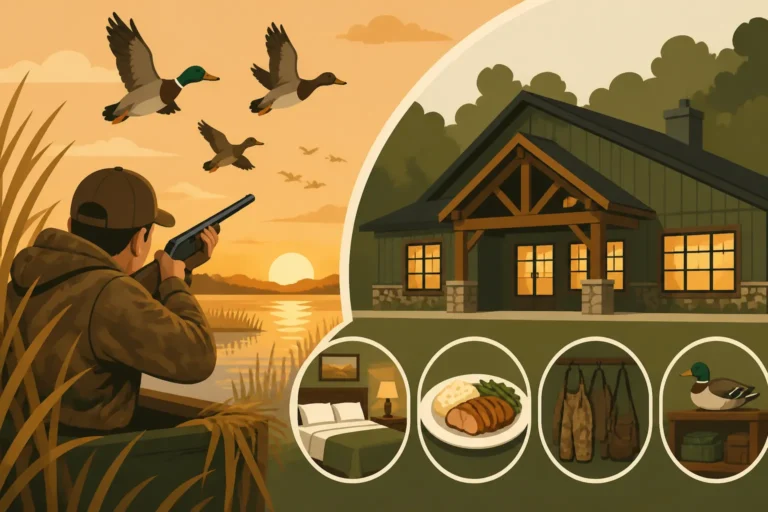
Hunting is often about more than just the pursuit of game; it's about the entire experience, and that includes where you'll be sleeping and eating. Ask for clear details about the Lodge Accommodation and Meals. Will you be in a private room, or will it be dormitory style? Are bathrooms shared or private? Are linens and towels provided? Some outfitters offer rustic cabin stays, while others boast luxurious lodges with all the comforts of home. Make sure what they offer aligns with your comfort level and expectations.
When it comes to meals, inquire about what's included. Is it three squares a day, or do you need to pack your own lunches for the field? What kind of food is served? Can they accommodate dietary restrictions? Beyond food and lodging, ask about the general camp atmosphere. Is it a family-friendly environment, or more of a "guys' trip" vibe? Is alcohol permitted? What kind of activities are available after the hunt? These details, while seemingly minor, can significantly impact your overall enjoyment of the trip. A solid outfitter will be transparent and eager to share the full camp experience, as it's often a major selling point.
Understanding Contracts, Deposits, and Cancellations
The business side of booking a hunt is often the least exciting, but it's arguably the most important. A clear, comprehensive contract protects both parties and outlines expectations, liabilities, and financial agreements. Don't ever book a hunt without one.
Decoding the Booking Agreement
A written contract is your best friend when booking a guided hunt. It should clearly outline the dates of your hunt, the species you'll be pursuing, the services included (guides, meals, lodging, transportation during the hunt), and the total cost. Pay close attention to any clauses about liabilities, waivers, and the outfitter's responsibilities. What happens if you get injured? What are the rules for weapon handling and safety? Questions to Ask Before Booking an Illinois Hunt should absolutely include a review of the contract.
Read every word of the agreement. If anything is unclear, ask for clarification in writing. Don't assume anything. For example, if the website mentions "field dressing and caping," make sure that's explicitly stated in the contract. Does it cover transport to a local processor or taxidermist? Are there any hidden fees or extra charges not initially disclosed? A professional outfitter will have a standard contract and be happy to explain its terms. If they operate on a handshake deal, run the other way.
Deposit Structures and Payment Schedules
Most outfitters require a deposit to secure your booking, often 30-50% of the total hunt cost. Understand when this deposit is due, whether it's refundable under any circumstances, and what the payment schedule is for the remaining balance. Is the final payment due upon arrival, or a certain number of days before the hunt?
Clarify acceptable payment methods (check, credit card, wire transfer). Some outfitters charge a fee for credit card transactions. Be wary of any outfitter who demands cash only or asks for payments to a personal account rather than a business account. Always get a receipt for every payment made. This isn't just about financial protection; it's a measure of professionalism. If you're looking into What an Illinois Deer Hunt Package Includes, make sure the payment terms are clear for each component.
Cancellation Policies and Weather Contingencies
Life happens, and sometimes, despite your best intentions, you might need to cancel or reschedule a trip. This is where Deposits and Cancellation Terms in Illinois become critically important. What are the outfitter's policies regarding cancellations? Is your deposit forfeit? Can it be rolled over to a future date? Is there a penalty for canceling within a certain window? These policies should be clearly spelled out in the contract.
Beyond personal cancellations, what happens if unforeseen circumstances, like extreme weather (e.g., severe ice storm, flooding along the Illinois River valley affecting access for Waterfowl Hunting the Illinois River Valley), or an outbreak of disease (like EHD in deer populations) force the outfitter to cancel or alter the hunt? Will you receive a refund, a credit for a future hunt, or will you be out of luck? While no one can predict the future, a fair and transparent cancellation policy demonstrates integrity. Some hunters even consider travel or cancellation insurance to protect their investment, especially for high-cost trips.
Reading Between the Lines: Client References and Online Reviews
After the formal questions, it's time to gather subjective, yet invaluable, information from those who have experienced the outfitter firsthand: past clients. This is often the most revealing part of the vetting process.
Getting and Contacting Past Clients
Any reputable outfitter should be willing to provide a list of recent references, ideally from clients who hunted in the past 1-3 years. Don't settle for a list of old references; you want current feedback. When you get the list, actually call them! Prepare a set of questions:
- Did the hunt meet your expectations?
- Was the outfitter honest and transparent?
- What was the guide's demeanor and knowledge like?
- Were the accommodations and meals as advertised?
- Did you feel safe?
- Would you hunt with them again?
- What were the opportunities like?
- Was the advertising accurate?
Listen not just to what they say, but how they say it. Do they sound genuinely enthusiastic, or are they hesitant? Ask if you can see photos of their harvest from the trip. These conversations are invaluable for giving you a real-world perspective that no brochure can provide. This step is crucial, and it's detailed further in Getting References From Past Illinois Clients.
Navigating Online Forums and Review Sites
In today's digital age, online forums and dedicated hunting review sites are rife with opinions. Platforms like BookYourHunt and GoHunt often have user review sections for outfitters. While these can be helpful, approach them with a critical eye. A single glowing review could be from the outfitter's friend, and a single scathing review could be from a disgruntled client with unreasonable expectations.
Look for patterns. Are there consistent complaints about specific issues (e.g., overcrowding, poor stand locations, broken promises)? Are there consistent praises for particular strengths (e.g., knowledgeable guides, excellent food, abundant game)? Pay attention to how the outfitter responds to negative reviews, if they do at all. A professional response, even to criticism, can be telling. Also, seek out independent forums or social media groups related to Illinois hunting or specific regions like Pike County Public Hunting Ground to see if the outfitter's name comes up in organic conversations, good or bad.
Interpreting Success Photos and Trophy Claims
Every outfitter's website is filled with trophy photos. It's human nature to want to see the biggest deer. But how do you interpret these photos realistically? First, look for consistency in the background and clothing. Do all the photos appear to be from the same outfitter and year, or do they look like a collection from various sources? Are there a reasonable number of photos for the number of years the outfitter claims to have been in business?
Ask about the specific circumstances of the trophy photos. Were these all free-range, fair chase hunts, or were some taken on high-fence operations (if the outfitter offers both)? What's the average size of a harvested buck, not just the top 1%? If you're specifically interested in Trophy Buck Guides in Pike and Adams Counties, you'll want to ensure their photo gallery reflects the caliber of animals those areas are known for. Also, be wary of outfitters who only show bucks, implying no does are taken or that the focus is solely on giant racks, which might not be realistic for a healthy deer population. A healthy herd management often includes harvesting does.
Red Flags and What to Avoid
While thorough vetting helps you find the good, it's equally important to recognize and avoid the bad. There are certain warning signs that should immediately make you reconsider booking with an outfitter.
Vague Answers and Evasive Communication
This is a major red flag. When you ask direct questions about licensing, land access, success rates, or specific hunt details, a reputable outfitter will provide clear, concise answers. If an outfitter is evasive, deflects your questions, changes the subject, or gives non-committal answers, that's a sign they might have something to hide. Trust your gut feeling. If something feels off during your conversations, it probably is.
For example, if you ask "What are your harvest percentages for mature bucks over the last three years?" and they respond with "We have a lot of big bucks here, you'll see plenty!" that's an evasive answer. You want data and transparency, not just sales talk. The goal is to build trust, and vague communication erodes that trust instantly. Refer back to your Red Flags When Booking in Illinois checklist and make sure to heed these warnings.
Unrealistic Guarantees and "Too Good to Be True" Deals
No ethical outfitter can guarantee a kill, especially on free-range, fair chase hunts. Hunting is, by its very nature, unpredictable. Weather, animal movement, and hunter skill all play a role. If an outfitter promises you a "guaranteed P&Y buck" or a "sure thing" kill, they are either operating unethically (e.g., high fence without full disclosure) or simply lying.
Similarly, be wary of deals that seem "too good to be true." If an all-inclusive, prime-time Illinois deer hunt is priced significantly lower than comparable outfitters in the same region, there's likely a catch. This could mean overcrowded hunting areas, minimal services, substandard lodging, or even that they don't legitimately own or lease the land they advertise. Always compare prices to established benchmarks, such as those discussed in Average Cost of a Guided Illinois Deer Hunt. If an outfitter is significantly undercutting the market, investigate why.
Pressure Tactics and Limited-Time Offers
High-pressure sales tactics are common in many industries, and guided hunting is no exception. If an outfitter tries to rush you into making a deposit or booking immediately with claims like "This is the last spot!" or "This price is only good for the next 24 hours!" without giving you adequate time to do your due diligence, consider it a warning. While popular dates do book up quickly, especially for trophy whitetail hunts, a professional outfitter will understand that you need time to make an informed decision.
Don't let FOMO (Fear Of Missing Out) override your critical thinking. A rushed decision is often a bad decision. Take your time, weigh all the information, call your references, and if the spot is gone, move on to the next reputable outfitter. There are many great experiences to be had, and you don't want to compromise your entire trip because you felt pressured into a hasty booking.
Making the Final Decision and Preparing for Your Hunt
Once you've done your due diligence, you should have a clear picture of the outfitters you're considering. Now it's time to pull all that information together and make the best choice for your hunting adventure.
Comparing Outfitters and Weighing Your Priorities
Lay out all the information you've gathered on a table, perhaps even in a spreadsheet. Compare their answers to your questions, the references' feedback, and their online presence. Create a list of your own priorities: Is it primarily about trophy quality? Price point? Lodge comfort? Guide experience? Proximity to Shawnee National Forest Hunting or Hunting Central Illinois Farmland?
| Feature / Consideration | Outfitter A (Example) | Outfitter B (Example) | Your Priority Level |
|---|---|---|---|
| Hunt Type & Species | Deer (Archery, Firearm), limited Turkey | Deer (Archery, Firearm, Muzzleloader), Waterfowl | High |
| Land Access | 2,000 acres private lease, QDM program | 1,500 acres mixed private/public, minimal QDM | High |
| Guide Experience | 2 full-time, 1 part-time (5-10 years exp.) | 3 part-time (2-5 years exp.) | Medium |
| Success Rate (Mature Bucks) | 35% opportunity, 20% harvest (last 3 years) | 40% opportunity, 15% harvest (last 3 years, less data) | High |
| Accommodations | Shared lodge, hot meals, private rooms | Bunkhouse style, self-cook kitchen | Medium |
| Cost (5-day hunt) | $4,500 | $3,000 | High |
| Deposit / Cancellation | 50% non-refundable, 60-day reschedule window | 30% non-refundable, 90-day reschedule window | High |
| Client References | 3 solid, enthusiastic references | 2 lukewarm references, one unresponsive | High |
| Online Reviews | Mostly positive, few minor complaints addressed | Mixed, some strong negatives about guide consistency | Medium |
| Permit Assistance | Provides application guidance and deadlines | Advises to check DNR website | Low |
Use this comparison to objectively weigh the pros and cons of each. Don't let one amazing photo overshadow a consistent pattern of negative feedback or vague answers. The goal is to find an outfitter that not only offers the type of hunt you're looking for but also operates with professionalism, transparency, and integrity. This comprehensive evaluation is key to making an informed decision.
What to Pack and Physical Preparation
Once you've made your choice and booked, the real fun begins: preparing for the hunt! Review the outfitter's recommended packing list carefully. This will often include specific clothing requirements (e.g., blaze orange for firearm season), gear like optics and calls, and personal items. Consider the typical weather conditions for the time of year you'll be hunting in Illinois; temperatures can vary wildly from early archery season to the Hunting the Late-Season December Lull.
Beyond gear, consider the physical demands of the hunt. Are you hunting Still-Hunting Southern Illinois Ridges in the Shawnee National Forest, which can involve steep terrain and long walks, or sitting in a blind on flat farmland? Ensure you are physically conditioned for the expected activity level. Start a walking routine, practice shooting from various positions, and ensure your equipment is in top working order. Don't let your physical preparedness be the weakest link in your hunting chain.
Finalizing Travel and Logistics
As your hunt date approaches, confirm all the final logistical details. Reconfirm your arrival and departure times with the outfitter. Discuss any specific meeting points or transportation arrangements from a local airport if that's part of your package. Double-check your licenses, permits, and any necessary tags. Make sure you have your Illinois Hunting Licenses and What They Cost squared away.
If you're traveling a long distance, finalize your flight details, rental car, and any overnight stays on the road. Share your itinerary with a trusted family member or friend. For non-residents, ensure you understand any specific regulations about transporting firearms or harvested game across state lines. A well-organized final logistics plan will help reduce stress and allow you to fully immerse yourself in the excitement of your upcoming Illinois hunting adventure.
Disclaimer
This article is for general informational purposes only and does not constitute professional advice. Laws, prices and regulations vary by location and change over time. Consult a qualified professional for guidance on your specific situation.