Blood Trailing After Dark in Illinois
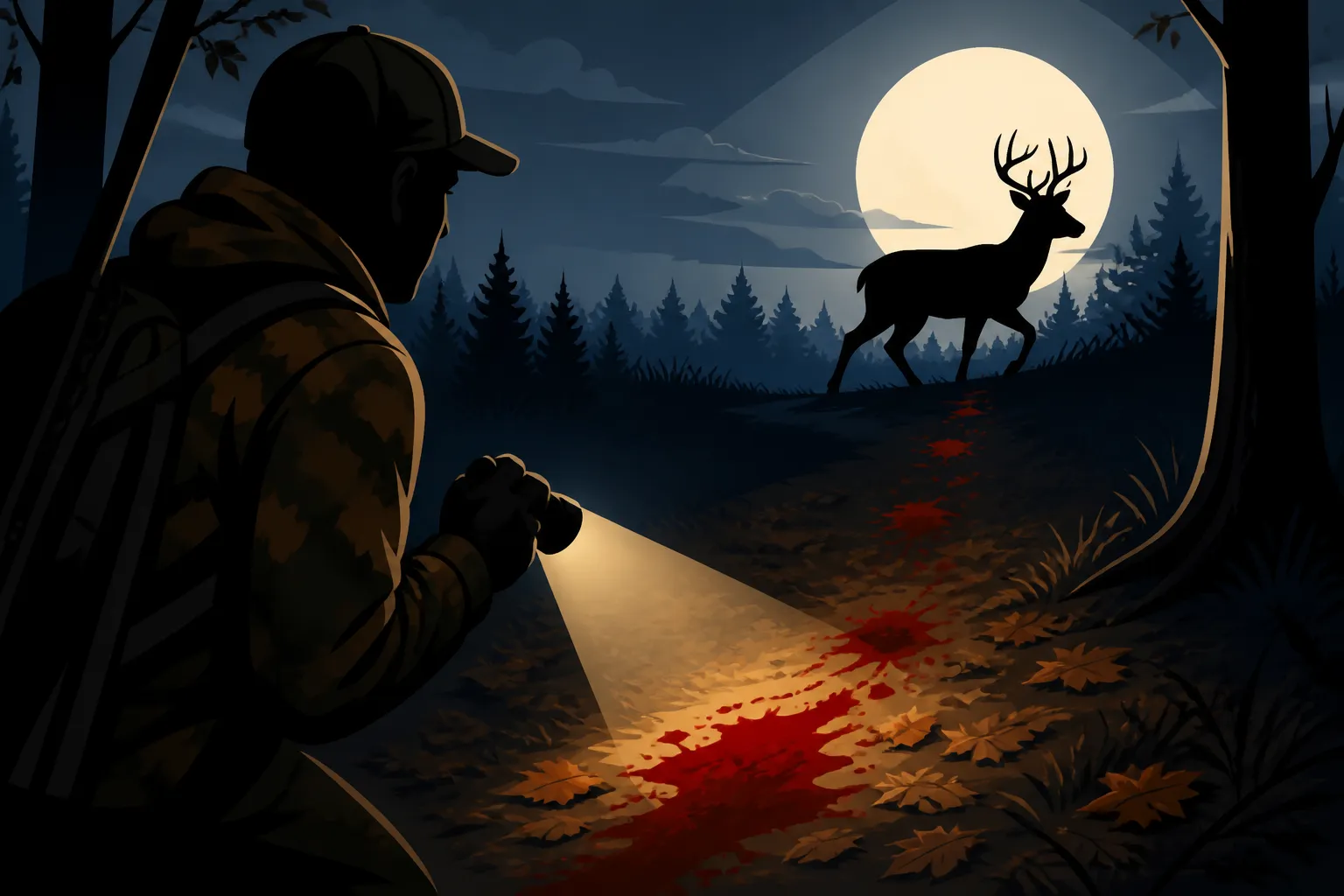
There's almost no worse feeling for an Illinois hunter than making a shot, hearing that tell-tale thwack or thump, and then watching your deer disappear into the encroaching darkness. The pit in your stomach grows as you realize that finding that animal before coyotes or the elements claim it means tackling a blood trail under the beam of a flashlight. This guide will walk you through the essential steps and techniques for effectively blood trailing a deer after dark in the diverse landscapes of Illinois, helping you make an ethical recovery when the sun has set.
The Initial Approach and Waiting Game
The moments immediately following a shot are critical, but often fraught with emotion. It's natural to want to rush in, but often, the best thing you can do for a successful recovery is to exercise patience and restraint.
Marking the Shot Site and Assessing the Hit
As soon as you release your arrow or pull the trigger, your job isn't done—it's just beginning. The first, and arguably most important, step is to meticulously mark your exact shooting location and the precise spot where the deer was standing when you shot it. Use glow sticks, reflective tacks, or even a piece of toilet paper tied to a branch. This shot site will be your reference point. Next, mark the exact location where you last saw the deer disappear. Pay close attention to its reaction: did it mule kick, tuck its tail, run with an arched back, or simply trot away? Listen intently for sounds of it crashing or running out of steam.
These observations are vital for assessing the quality of your hit. A loud "thwack" often indicates a solid body shot, while a duller "thump" might suggest a gut or muscle hit. If the deer tucked its tail between its legs and ran with an arched back, it's a strong indicator of a gut shot, which demands a much longer waiting period. Conversely, a deer that kicks its hind legs high in the air might indicate a solid heart or lung hit. While the adrenaline is pumping, try to be as objective as possible. This initial assessment will dictate your next steps. For archers, knowing your Crossbow Rules During Illinois Archery Season is also important, as proper gear ensures a clean shot when the moment arrives.
The Importance of the Waiting Period
Once you've marked your shot site and assessed the hit, the hardest part for many hunters begins: the waiting game. Pushing a wounded deer too soon is one of the biggest mistakes you can make, especially with a questionable hit. A pushed deer, even if mortally wounded, will often travel much further, making the blood trail sparser and recovery significantly harder. If left undisturbed, a wounded deer will usually bed down, stiffen up, and bleed out within a relatively short distance.
The length of your waiting period depends entirely on your perceived hit. For a definitive heart or double-lung shot, where you heard a loud thwack and saw the deer run hard for only a short distance before crashing, waiting 30 minutes to an hour might suffice. However, if you suspect a liver hit (darker blood, less frothy) or, even worse, a gut shot (green/brown matter, watery blood, or a strong gut odor), you must wait at least 6-8 hours, ideally longer, and often until morning light. In these situations, leaving the deer overnight is the most ethical choice, even if it means a restless night for you. The mental battle of wanting to go in immediately is real, but remind yourself that patience directly correlates with a higher recovery rate. Using a mapping app like GoHunt to pinpoint your shot site and last-seen location can be incredibly helpful for returning to the exact spot after your wait.
Essential Tools and Techniques for Night Trailing
Once the appropriate waiting period has passed, and you're ready to hit the trail, having the right gear and a systematic approach will make all the difference when you're Blood Trailing After Dark in Illinois.
Lighting the Way: Flashlights and Headlamps
Forget your flimsy camping headlamp; blood trailing after dark requires serious illumination. You'll want at least two powerful light sources: a bright, high-lumen handheld flashlight and a reliable headlamp. The handheld light (something like a Streamlight or Fenix with 1000+ lumens) is crucial for scanning wide areas and pinpointing distant specks of blood. Look for one with a good balance of flood and spot beam. Your headlamp, on the other hand, frees your hands for marking, examining signs, or navigating through brush.
Many hunters debate the use of red or white light. Some swear by red light filters to make blood "pop," but often, a strong, pure white light works best for fresh, bright red blood. If the blood is dark or dried, some white lights might make it reflect a subtle sheen that's easier to spot. UV lights are often marketed for blood trailing but typically don't live up to the hype for actual deer blood. The most critical factor, regardless of color, is having enough lumens. Always carry extra batteries, or better yet, a fully charged power bank if your lights are rechargeable. Losing your primary light source mid-trail is a nightmare you want to avoid.
Gridding, Marking, and Staying Organized
When you begin your search, resist the urge to simply walk in the direction you saw the deer go. Adopt a systematic approach, often called "gridding." Start at the last known blood sign and move slowly, methodically, and in a grid pattern. Each time you find a drop of blood, mark it immediately with reflective flagging tape, toilet paper, or a glow stick. These markers create a visible trail, preventing you from losing your spot if you temporarily lose the blood trail. GoHunt's mapping features can also be used to drop digital pins for every sign, creating a precise digital breadcrumb trail.
Don't just look down at your feet. Blood can spray surprisingly high on vegetation. Always scan low-hanging branches, saplings, and the sides of bushes. A small smear on a leaf at chest height can be an invaluable clue. Work slowly, taking small steps and shining your light from multiple angles, as blood can look different depending on the light's reflection. If you have a partner, spread out slightly, communicating constantly. One person can focus on the ground, another on higher vegetation, and a third on marking the trail.
Interpreting the Blood Trail
The characteristics of the blood you find can tell you a lot about the hit and where the deer might be. Learning to read these signs is a crucial skill for any ethical hunter.
- Bright Red, Frothy Blood: This is usually excellent news, indicating a lung shot. The frothy, bubbly texture comes from air mixing with blood in the lungs. Deer hit in the lungs typically don't travel far.
- Dark Red, Thick Blood: This often points to a liver hit. While fatal, a liver-hit deer might travel a good distance before bedding down. This is where patience really pays off.
- Green/Brown Matter, Watery, or Foul-Smelling Blood: This is the dreaded gut shot. The blood will be sparse, watery, and often mixed with stomach contents or fecal matter. This type of hit requires the longest waiting period (8-12+ hours) to allow the deer to bed and expire. Pushing a gut-shot deer guarantees a marathon track.
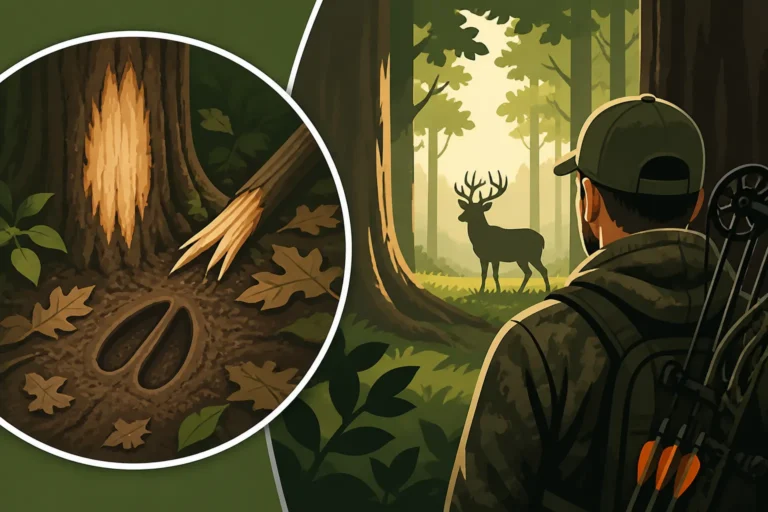
- Sparse, Stringy, or No Blood: This is the most challenging scenario. It could indicate a muscle hit, a high back hit, or a superficial wound. In these cases, you'll need to rely heavily on other signs: tracks, scuff marks on the ground, broken twigs, dislodged rocks, or tufts of hair. If you find white hair, it's often from the belly or legs; brown or reddish hair from the body; short, dark hair from the brisket.
Remember, the amount of blood on the ground doesn't always reflect the severity of the wound. A deer can be fatally hit and bleed internally, leaving a surprisingly sparse trail. Conversely, a superficial muscle wound can sometimes bleed profusely for a short distance before clotting. You must consider all the evidence.
| Blood Type | Common Characteristics | Implied Hit Location | Recommended Waiting Time |
|---|---|---|---|
| Bright Red & Frothy | Bubbles, bright red, often copious | Lungs, Heart | 30 minutes – 2 hours (proceed cautiously) |
| Dark Red & Thick | Deep red, less vibrant, sometimes gelatinous | Liver, Major Veins | 4-6 hours (best to wait longer, or until morning) |
| Watery & Green/Brown | Sparse, mixed with stomach contents, foul odor | Gut, Paunch | 8-12+ hours (leave overnight, return at first light) |
| Pinkish & Frothy | Light red, bubbly, similar to lung but lighter | High Lung, possibly arterial | 1-2 hours |
| Sparse & Stringy | Minimal drops, often mixed with hair | Muscle, Leg, Superficial | Varies; often means extended search/return at daylight |
Common Challenges and Troubleshooting Night Trails in Illinois
Illinois presents its own unique set of challenges for blood trailing, from dense river bottoms to vast agricultural fields. Knowing how to adapt to these conditions is key to success.
Dealing with Minimal Blood and Tough Terrain
The most frustrating scenario is a minimal or "ghost" blood trail. When the blood signs dry up, it's easy to panic. Don't. Instead, pause, re-evaluate, and expand your search. Mark your last known blood sign, then fan out in a circular or grid pattern from that point. Deer often follow paths of least resistance, like fencerows, creek beds, or logging roads, especially if wounded. They also tend to head towards water or dense cover to bed down.
Illinois terrain can be particularly tricky. Dense creek bottoms, common throughout the state, offer thick brush and often a jumble of leaves and mud that can obscure blood. Hunting Illinois River Bottom Funnels might be productive, as deer naturally use these travel corridors, even when wounded. In areas with standing corn or bean fields, a deer might disappear into the rows, leaving no visible ground trail. Here, you'll need to look for bent stalks, disturbed soil, or subtle scuff marks. The rolling hills and dense timber of Southern Illinois, like the Shawnee National Forest, add elevation changes and thick cover to the mix, making visibility a constant battle. In these areas, learning to read a ridge for deer movement is crucial. Sometimes, a high hit might mean internal bleeding with little external sign, forcing you to rely on tracks and broken vegetation.
Calling in the Experts: Tracking Dogs and Fellow Hunters
When you've exhausted your own capabilities and the trail has gone cold, don't hesitate to call for help. In Illinois, the use of leashed tracking dogs for wounded game recovery is legal and incredibly effective. These dogs are specifically trained to follow the scent of a wounded deer, often picking up trails that human eyes would never see. Many certified tracking dog handlers operate throughout Illinois; have a few contacts saved in your phone before the season even starts. It's much easier to make that call when you're not in a panic. GoHunt has features that can help you mark your last blood and provide precise coordinates to a tracking dog handler.
Additionally, don't underestimate the power of extra eyes and fresh perspectives. Calling a trusted friend or family member to help can be invaluable. More people can cover more ground, and a fresh set of eyes might spot a sign you've overlooked in your heightened state of stress. Assign roles: one person on blood, one marking, one scanning ahead. Communication is absolutely key. In scenarios where you're Tracking a Deer in Fresh Illinois Snow, having multiple people can help ensure no subtle sign is missed against the white backdrop.
Knowing When to Call it Quits (and Revisit)
It's a difficult decision, but sometimes, despite your best efforts, a blood trail genuinely goes cold. When you've grid-searched, called for help, and still come up empty, you have to know when to call it quits for the night. Mark your last known sign meticulously with multiple bright markers, take a detailed photo, and drop a pin on your GoHunt app. This ensures you have a precise starting point when you return.
The most important troubleshooting tip for a cold trail is to return at first light. Often, morning dew or a different angle of natural light will make blood visible that was impossible to see under artificial illumination. A deer that died overnight might also be easier to spot from a distance in the daylight. Give the area one more thorough sweep, focusing on bedding areas, dense cover, and water sources. Remember your ethical obligation to recover the animal, and sometimes, that means admitting defeat for the night and returning renewed in the morning. When you do recover your deer, make sure you understand the Illinois Deer Reporting Requirements and report it promptly through the Reporting a Deer Through Illinois's App.
Ethical Considerations and Preparation
As hunters, we hold a deep responsibility to the animals we pursue. The effort we put into recovery is a testament to our respect for wildlife.
The Hunter's Responsibility
Taking a shot at a deer is a privilege that comes with a profound ethical obligation: to do everything in your power to recover that animal. A clean kill is always the goal, but sometimes, things don't go according to plan. In those moments, your diligence in blood trailing reflects your respect for the animal's life. The pride of a successful hunt is tempered by the sadness of a lost animal, making the recovery effort an integral part of the hunting experience. This dedication ensures that no animal is wasted, and our reputation as conservationists remains strong. Once you've recovered your deer, you'll move on to the next steps like Field Dressing a Deer in Cold Weather or Butchering a Deer at Camp, completing the cycle of respect.
Proactive Steps for Better Recovery
The best way to ensure a successful recovery, even when blood trailing after dark, is to minimize the chances of a poor hit in the first place and to be prepared for the worst.
- Pre-season Scouting: Thoroughly scout your hunting area before the season opens. Understand the terrain, identify natural funnels, bedding areas, and water sources. Knowing where deer are likely to travel when spooked will give you a massive advantage during a recovery effort. Use apps like GoHunt or the Illinois DNR Map Tool to study aerial photos and topo maps. For example, knowing the likely escape routes when Hunting the Rut in Early November can save you hours of tracking.
- Practice Shooting: Regular practice with your chosen weapon is paramount. Familiarize yourself with shot placement from various angles and distances you might encounter in the field. Practice shooting in low light conditions to simulate legal hunting hours. The more confident and accurate you are, the less likely you are to have to rely on a blood trail.
- Gear Preparation: Always have your blood trailing kit ready. This includes multiple powerful flashlights, fresh batteries, flagging tape, a sharp knife, and your fully charged phone with a mapping app. Even when you're simply out Hunting the Late-Season December Lull, a good light is a crucial piece of gear for any unexpected situation.
- Communicate Your Plans: Let someone know where you are hunting and when you expect to return. This is not only for safety but also provides an emergency contact if you need assistance with a difficult recovery. Especially if you're venturing into vast areas like Shawnee National Forest, a check-in system with a non-hunting contact is a smart move.
By being prepared, patient, and persistent, you can face the challenge of blood trailing after dark in Illinois with confidence, ensuring an ethical recovery every time.
Disclaimer
The information provided in this guide is for informational purposes only and is not intended as legal advice. Hunters are responsible for knowing and abiding by all current Illinois hunting regulations, including those pertaining to wounded game recovery, tracking dogs, and reporting requirements. Always consult the official Illinois Department of Natural Resources (IDNR) regulations handbook for the most up-to-date and accurate information.