Cold-Weather Sitting Strategy in Illinois
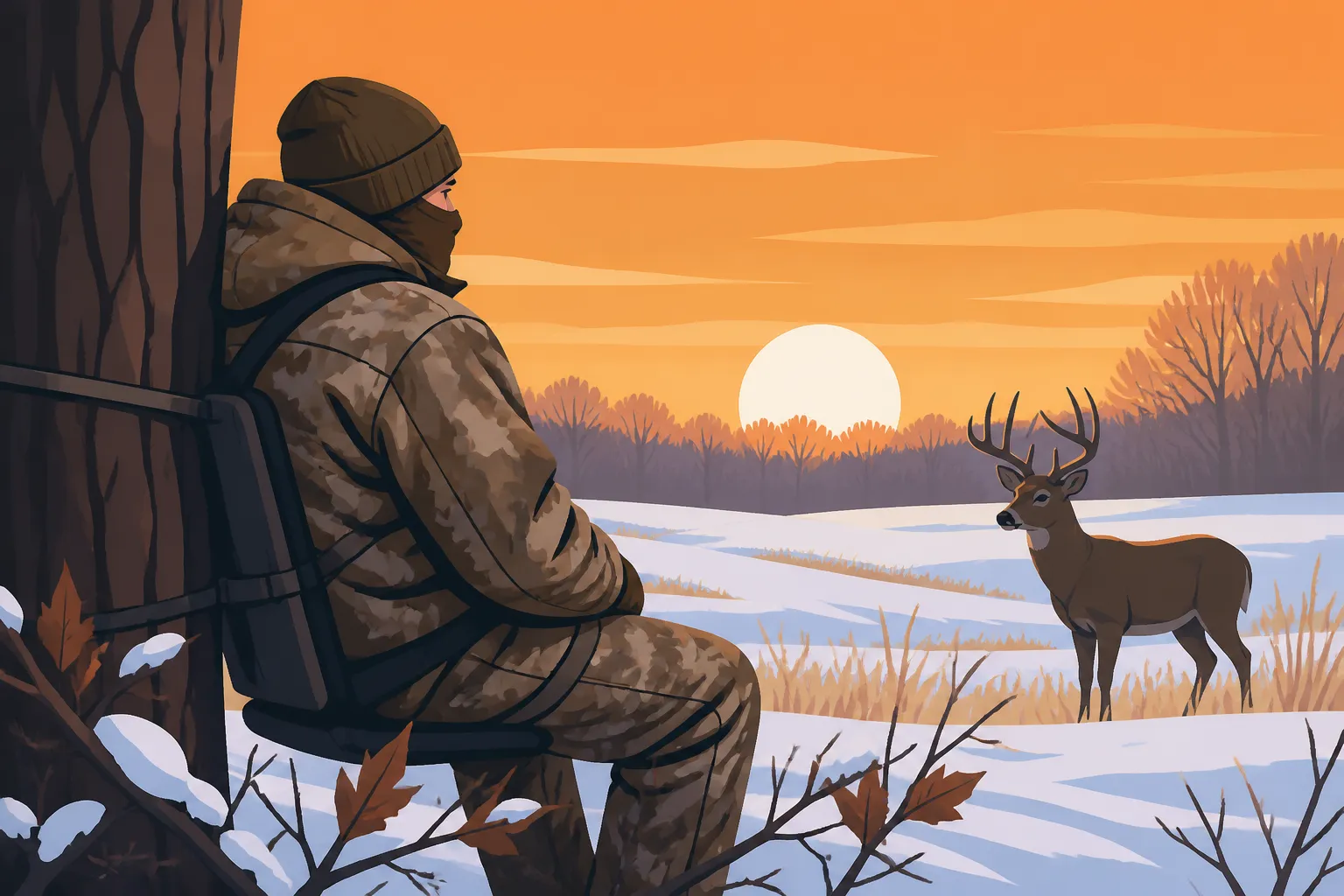
There's nothing quite like the bitter bite of an Illinois winter when you're perched in a treestand, miles from the truck, waiting for that buck to step out. The truth is, many of us give up on late-season hunts not because the deer aren't moving, but because we can't stand the cold anymore. This guide is all about giving you the tools, strategies, and mental fortitude to beat the chill and stay on stand longer, making those frigid Illinois hunts not just tolerable, but successful.
The Brutal Reality of Illinois Winter Hunting
When the mercury plummets in Illinois, especially after the firearm seasons, the landscape changes, and so does the challenge of hunting. It's easy to just stay home, but those who brave the cold often find less pressure and different, sometimes more predictable, deer movement patterns. The key is being prepared for what Illinois winter throws at you.
Understanding Illinois's Late-Season Weather Patterns
Illinois weather is notoriously fickle. You might start your hunt with a crisp, clear morning, only for a cold front to blow in by midday, bringing wind, snow, and plummeting temperatures. Especially in December and January, after the main rush of firearm hunting has passed, we're often dealing with single-digit temperatures, significant wind chill, and frozen ground. This period often coincides with the late archery season and Illinois Muzzleloader-Only Season Tactics, presenting prime opportunities if you can just stay warm.
The persistent cold also means deer are laser-focused on food sources and thermal cover. When the wind howls and the snow flies, those open field edges that were productive in October might be barren. Instead, deer will hunker down in thickets, river bottoms, or south-facing slopes, seeking shelter from the elements. Understanding these shifts, often visible on mapping apps like GoHunt that show terrain and cover, is crucial for planning where to even set up your cold-weather stand. Don't underestimate the impact of wind; even a moderate breeze in sub-freezing temperatures can cut right through inadequate layers, turning a promising hunt into a shiver-fest in an hour.
Why Cold Kills Your Hunt (and How to Fight Back)
Let's be honest: when you're shivering uncontrollably, your focus shifts from scanning the woods for deer to just surviving. Your movements become jerky, your senses dull, and your patience evaporates. You can't draw your bow smoothly, hold a rifle steady, or even hear faint crunching leaves when your teeth are chattering. This isn't just discomfort; it's a direct inhibitor to success.
The human body's priority in extreme cold is to protect its core temperature. When you start getting cold, your body redirects blood flow from your extremities (fingers, toes, nose, ears) to your vital organs. This is why these parts are usually the first to go numb and suffer from frostbite. This reduced blood flow in your fingers means you lose dexterity, making simple tasks like unzipping a pocket or handling your release aid feel monumental. The goal isn't just to feel warm; it's to maintain full function of your body so you can perform when the moment comes. Fighting back means proactive preparation, not reactive shivering. It means investing in the right gear and adopting a mindset that acknowledges and plans for the cold, rather than just enduring it.
Fortifying Your Core: Base Layers and Beyond
Staying warm starts from the inside out. It's not about one big, bulky coat; it's about a system of layers that work together to trap heat, wick moisture, and block the elements. Think of it like building a house: you need a solid foundation, good insulation, and a strong roof.
The Art of Layering: Managing Moisture and Insulation
The cardinal rule of cold-weather hunting is layering. But it's not just about piling on clothes; it's about choosing the right clothes for each layer. The base layer is perhaps the most critical. It sits directly against your skin and its primary job is to wick moisture (sweat) away from your body. Sweat is your enemy in the cold because as it evaporates, it cools you down rapidly.
For base layers, look for merino wool or high-quality synthetics. Merino wool is fantastic because it's soft, warm, wicks moisture effectively, and is naturally odor-resistant. Synthetics like polyester blends are also great for wicking and drying quickly. Avoid cotton at all costs; once it gets wet, it loses all insulating properties and just makes you colder. For Illinois hunting, especially when you're walking in, you might even consider a lighter base layer for the walk to avoid overheating, then swapping to a heavier one or adding another mid-layer once you're settled.
Next come your mid-layers. These are your insulation powerhouses. Fleece jackets, down vests, or puffy synthetic jackets work wonders here. You want layers that trap air efficiently, as trapped air is what provides warmth. Again, avoid anything that will soak up moisture. A good strategy is to have a mid-weight fleece over your base, and then a heavier, packable insulated jacket (down or synthetic) that you can put on after you get to your stand. This prevents you from sweating out your insulation during the walk. A system like this, combined with careful scouting on GoHunt to minimize your walking distance, helps you arrive at your stand dry and ready to layer up.
Essential Outerwear for Stationary Hunters
Your outer layer, often called your shell, has two main jobs: block wind and repel moisture (rain or snow). This layer needs to be durable, quiet, and fit over all your inner layers without compressing them, which would reduce their insulating properties. Many hunters opt for insulated outer layers that combine warmth and weather protection.
Look for materials that are windproof and waterproof or highly water-resistant. Fabrics like Gore-Tex or similar proprietary membranes are excellent. For Illinois's varying conditions, having an outer layer that can shed freezing rain or wet snow is a game-changer. The quieter the fabric, the better, especially for archery hunting or close-range firearm shots. Often, this means sacrificing some extreme durability for stealth. Don't forget that your pants are just as important as your jacket. Insulated, windproof hunting bibs are highly recommended. They eliminate the gap between your jacket and pants, keeping your core warmer and preventing drafts from creeping in. Look for bibs with full-length zippers to make them easier to get on and off over boots.
Here's a quick comparison of common layering materials:
| Layer Type | Material | Pros | Cons | Best Use in Cold Illinois |
|---|---|---|---|---|
| Base Layer | Merino Wool | Excellent wicking, warm even when damp, odor-resistant, quiet | More expensive, can be slower to dry | All-around best |
| Synthetic (Poly) | Excellent wicking, fast-drying, durable, affordable | Can retain odor, less warm when damp | Active hunts, budget-friendly | |
| Cotton | Cheap, comfortable (when dry) | Absorbs moisture, no insulation when wet | Avoid entirely for hunting | |
| Mid Layer | Fleece | Lightweight, breathable, good insulation, quick-drying | Not windproof, can be bulky | Versatile, good over base |
| Down | Superb warmth-to-weight ratio, compressible | Loses insulation when wet, expensive | Dry, extreme cold, minimal activity | |
| Synthetic Puff | Good warmth, performs better than down when wet | Less compressible than down, can be bulky | Wet cold, active hunts, mid-tier warmth | |
| Outer Layer | Hardshell (Gore-Tex) | Waterproof, windproof, breathable | Can be noisy, stiff, expensive | Rainy/snowy, windy days |
| Softshell | Flexible, quiet, wind-resistant, water-resistant | Not fully waterproof, less insulation | Drier cold, quieter movement |
Protecting Extremities: Head, Hands, and Feet
Your head, hands, and feet are often the first to get cold, and they can make or break a long sit. Your head is a major source of heat loss, so a good insulated hat or balaclava is non-negotiable. Look for fleece-lined options or a merino wool beanie that can fit comfortably under your hood. A facemask is also crucial for preventing windburn and frostbite on your face, especially when Hunting the Late-Season December Lull.
For hands, the challenge is balancing warmth with dexterity. Many hunters use a layering system here too: thin, wicking liner gloves for feel, paired with a larger, insulated mitten or a "shoot-thru" mitten design that allows you to pull your fingers out for the shot. Chemical hand warmers are a hunter's best friend; slip them into your mittens or a muff. Brands like HotHands are readily available and make a huge difference.
Feet require serious attention. Start with good quality, wicking socks – again, merino wool is king. Avoid cotton. Then, choose insulated, waterproof hunting boots specifically designed for extreme cold. Look for boots with at least 800-1200 grams of Thinsulate or equivalent insulation. Make sure your boots are slightly oversized to allow for thick socks and to prevent circulation restriction. Too tight, and your feet will get cold no matter how much insulation you have. Just like hand warmers, foot warmers tucked into your boots can extend your sit significantly. Consider dedicated "boot blankets" for those truly bone-chilling sits in January.
Smart Tactics for Cold-Weather Stand Hunting
Beyond gear, your approach to the hunt itself needs to adapt when the temperatures drop. Deer movement changes, and so should your strategy.
Choosing the Right Stand for Bitter Temps
In cold weather, deer behavior shifts towards energy conservation and seeking thermal cover. This means your stand placement should reflect these needs. Forget about open ridge tops unless they are directly overlooking a prime food source. Instead, focus on areas that offer protection from the wind and access to late-season food sources.
Consider south-facing slopes, as they receive more direct sunlight and can be a few degrees warmer. Thick conifer stands, dense brush, or river bottom thickets offer excellent thermal cover where deer will bed down during the day. Access points between these bedding areas and known food plots or Late-Season Food Sources for Illinois Whitetails will be prime ambush spots. A good mapping app like GoHunt can help you identify these features from afar, allowing you to scout effectively without disturbing the area. When scouting, pay close attention to areas Where Shawnee National Forest Bucks Bed might occur in cold weather – often the densest, most protected areas.
Furthermore, consider using a ground blind. While treestands offer a height advantage, a well-brushed-in ground blind provides significant protection from the wind and can hold a portable heater, making it a much warmer option for extended sits. This is a tactic often employed for Using a Ground Blind on Illinois Public Land. Just make sure you get it set up and brushed in well in advance to let deer get accustomed to it.
Optimizing Your Hunting Hours in the Cold
The myth that deer only move at first light and last light holds less true in bitter cold. While dawn and dusk still offer good opportunities, midday movement can be surprisingly strong. When temperatures are extremely low, deer may bed down during the coldest parts of the morning and evening, only to move during the warmer (or less cold) hours of midday to feed and seek sun.
This means extended sits are often necessary for success. Instead of hunting just for two hours in the morning, plan to stay on stand for four, five, or even six hours. Pack a hearty, high-calorie lunch and snacks that won't freeze. Thermoses filled with hot coffee, tea, or soup are invaluable for warming your core throughout the day. If you're physically and mentally prepared for a long sit, you'll be there when that mature buck finally decides to get up and stretch his legs or make his way to a secluded food plot, especially if it's a Hunting a Green Field Planted for Deer.
Incorporating Movement and Nutrition on Stand
While the goal is to sit still, complete immobility for hours in freezing temperatures is a recipe for hypothermia. You need to subtly incorporate movement and fuel your body. Every 30-45 minutes, perform small, controlled movements: wiggle your toes, flex your fingers, gently stretch your neck and shoulders. Stand up slowly in your treestand (if safe and quiet) and gently shift your weight. These small actions promote blood flow without creating excessive noise or movement that might spook deer.
Nutrition is also key. Your body burns more calories just to stay warm in the cold. Pack high-energy, easy-to-eat snacks like trail mix, energy bars, or jerky. As mentioned, a thermos of hot liquid provides both hydration and internal warmth. Avoid sugary drinks that can lead to a quick crash. Stay hydrated, but understand that frequent bathroom breaks in heavy layers can be a challenge. Plan for it by using a relief bottle or finding a discreet method. Being well-fed and hydrated will significantly improve your ability to endure the cold and maintain mental alertness.
Mental Game and Emergency Preparedness
Hunting in extreme cold isn't just a physical challenge; it's a mental one. You need to be prepared for the discomfort, and always have a plan for unexpected situations.
Building Mental Toughness for Long Sits
The cold is a mental game, pure and simple. It whispers doubts, tells you you're too cold, and urges you back to the warmth of your truck. Overcoming this requires mental fortitude. Before you even head out, accept that you will be cold at some point. It’s unavoidable. The goal isn't to never feel cold, but to manage it and push through it. Remind yourself why you're out there: the challenge, the beauty of the winter woods, the potential reward of a late-season buck.
Break your sit into smaller increments. Tell yourself you'll stay for another hour, then another. Focus on the sounds of the woods, scan every shadow, every cluster of brush. Use your GoHunt app to study the terrain around you, looking for potential travel corridors or bedding areas you might have missed during initial scouting or when Reading Aerial Photos for Southern Illinois Deer. Engaging your mind keeps you from dwelling on the cold. Remember, deer are often less pressured and more predictable in these conditions, and you have a unique opportunity that many fair-weather hunters miss.
What to Carry for Cold-Weather Emergencies
Preparedness isn't just about comfort; it's about safety. Cold weather introduces serious risks, and a minor issue can quickly escalate into an emergency. Always carry a small "cold-weather emergency kit." This should include:
- Fire Starter: Waterproof matches, a lighter, and some tinder (cotton balls soaked in petroleum jelly work great).
- Emergency Blanket: A Mylar emergency blanket is compact and can be life-saving if you get stuck or injured.
- Extra Layers: Even a lightweight puffy jacket or extra wool socks can make a huge difference if your primary layers get wet or you need to hunker down longer than planned.
- High-Calorie Snacks: More than just your regular hunting snacks. Think things like candy bars, hard candy, or concentrated energy bars that provide quick energy.
- Fully Charged Phone & Power Bank: Crucial for communication, GPS, and using your GoHunt app for navigation. Cold drains phone batteries fast.
- Headlamp with Fresh Batteries: It gets dark early in the winter, and you might be Tracking a Deer in Fresh Illinois Snow after dark.
- First-Aid Kit: Tailored for cold-weather issues, including bandages, antiseptic wipes, and pain relievers.
Familiarize yourself with symptoms of hypothermia and frostbite. Know when to call it a day, even if you haven't seen a deer. No deer is worth your safety or health. When planning your hunt, consider the walk back to your vehicle. If you're going deep into public land during the Illinois Deer Season Structure Explained late-season, a long, cold walk back in the dark with numb extremities can be dangerous. Knowing your limits is part of being a responsible cold-weather hunter. Sometimes, deciding to end the sit and come back stronger tomorrow is the wisest strategy.
Disclaimer
Hunting is an inherently dangerous activity. Always prioritize safety, follow all local and state regulations, and be aware of your surroundings. The advice provided here is for informational purposes only and should not replace professional training or personal judgment. Ensure you have the necessary licenses, permits, and landowner permissions before heading afield.