Hunting Small Private Tracts in Illinois
For many Illinois hunters, finding good deer ground feels like an endless struggle. Public land can be crowded, and leasing large tracts of private property often comes with a hefty price tag that most folks just can't afford. But what if I told you that some of the best-kept secrets are hiding in plain sight, in those small, unassuming patches of private land often overlooked? This guide is all about equipping you with the know-how to identify, gain access to, and successfully hunt these smaller, private tracts in Illinois, transforming what might seem like a disadvantage into a significant hunting edge.
The Unique Challenges and Hidden Opportunities of Small Tracts
When we think of prime deer hunting, our minds often jump to sprawling farms or vast timber blocks. It's easy to dismiss smaller parcels, perhaps just a few acres, as not worth the effort. But that would be a mistake. These overlooked gems can offer incredible hunting experiences if you approach them with the right mindset and strategy.
Why Small Acreage Can Be Overlooked
Let's be honest, many hunters automatically filter out anything under 40 or even 80 acres when they're looking for ground. The prevailing thought is that deer need vast expanses to feel secure, and anything less just won't hold mature animals. This misconception stems from the idea that bigger is always better, leading many to chase large leases or brave the crowds on extensive public lands. Suburban sprawl, agricultural fragmentation, and simply forgotten woodlots often create these smaller parcels, sandwiched between developed areas or larger farms. These spots might look insignificant on a map, perhaps just a sliver of timber, a brushy fencerow, or a narrow creek bottom, but for a savvy hunter, they represent untapped potential.
The Hidden Potential of Smaller Properties
Here's the secret: deer don't always need hundreds of acres to feel safe, especially if those few acres provide excellent cover or act as a crucial travel corridor. In fact, small tracts often serve as sanctuaries from hunting pressure on larger, more frequently hunted properties. Imagine a small, thick woodlot nestled between two large crop fields, or a brushy creek winding through an otherwise open landscape. These aren't just random spots; they're often natural pinch points where deer funnel through, bedding areas offering dense security cover, or secluded food sources. Deer use these smaller, less-pressured areas as vital components of their daily and seasonal movements. You might be surprised at the quality of deer that call these places home, moving through them regularly or even living on them, especially if they’re adjacent to larger properties that experience heavy hunting pressure.
Gaining Access: The Art of Asking for Permission
Hunting small private tracts hinges entirely on one critical factor: getting permission from the landowner. This isn't just about knocking on a door; it's about building trust, demonstrating respect, and fostering a relationship that can last for years. Forget cold-calling or generic letters; a personal, thoughtful approach is key.
Approaching Landowners with Respect
When you decide to ask for hunting permission, first impressions are everything. Don't show up in your muddy hunting clothes, smelling of deer lure. Instead, present yourself cleanly and professionally. Dress neatly, perhaps in casual everyday clothes, and approach during reasonable hours. Sundays, early mornings, or late evenings are often not the best times. A mid-morning or mid-afternoon visit on a weekday or Saturday might be more appropriate. Start the conversation by introducing yourself, stating why you're there, and being direct but polite.
Offer to help with chores around the property, such as mending a fence, clearing brush, or helping with general labor. This isn't just a tactic; it's a genuine offer to show your appreciation and build rapport. Many landowners, especially those who don't hunt themselves, appreciate an extra hand. Bring a simple, professional card with your name, phone number, and a brief note about your interest in hunting. This shows you're serious and provides them with your contact information without putting them on the spot. Remember that in Illinois, as outlined in the Illinois Trespass and Permission Law, hunters are legally required to have landowner permission to be on private property. Being upfront and respectful from the start can make all the difference.
Building Trust and Long-Term Relationships
Gaining permission is just the first step; maintaining it is where the real work begins. Once you've secured access, consistently demonstrate that you are a responsible and trustworthy individual. Always respect the landowner's property boundaries and their wishes, no matter how small or seemingly insignificant. Communicate often, especially about your hunting plans. Let them know when you plan to be on their land and where. If you harvest a deer, offer to share some venison. This act of gratitude can go a long way in solidifying your relationship.
Beyond hunting, consider offering help throughout the year. Maybe they need assistance with general maintenance or during planting or harvest season. Remember, you're not just a hunter; you're a guest on their land. Treat it with the utmost care, leave no trace, and always close gates. These small gestures build an invaluable foundation of trust. Understanding specific requirements, such as whether Do You Need Written Permission in Illinois?, and adhering to them shows your commitment to being a responsible hunter and a good neighbor.
Strategic Scouting and Setup for Limited Space
Hunting small tracts isn't about covering a lot of ground; it's about intimately understanding a small piece of ground. Every tree, every creek bend, every fencerow takes on magnified importance. Your scouting and setup need to be meticulous and precise.
Identifying Key Deer Movement Patterns
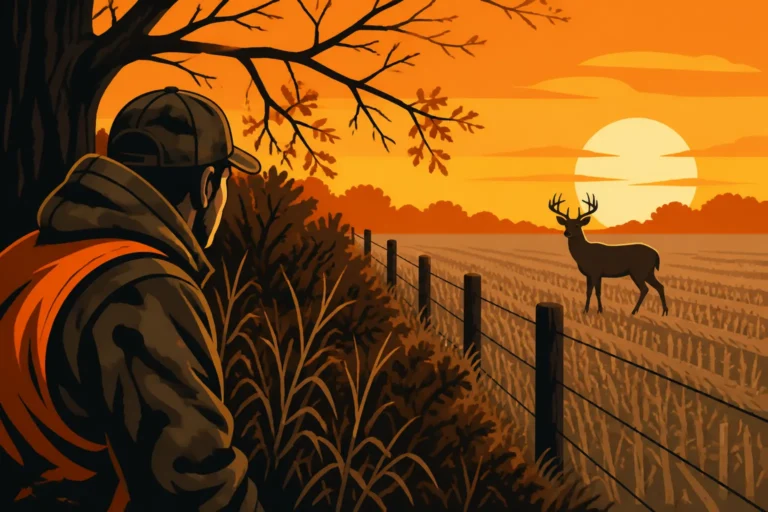
Deer movement on small properties is often highly concentrated. They're not just wandering aimlessly; they're moving with purpose between bedding, feeding, and security cover. Your job is to identify these high-traffic arteries. Look for natural funnels – places where the landscape naturally constricts deer movement. This could be a narrow strip of timber connecting two larger woodlots, a thick fencerow that deer use to avoid open fields, or a small creek bottom offering concealed travel.
Tools like GoHunt are invaluable for this. Before you even set foot on the property, use the app's aerial and topographic maps to analyze the landscape. Look for subtle elevation changes, drainage ditches, and any areas of dense cover that might serve as bedding. Pay close attention to how these features connect to adjacent properties. Is there a corn field next door? A sprawling timber stand? Deer on small tracts often move in response to activity or pressure on larger neighboring parcels.
Once you have permission, boots on the ground scouting is critical. Look for fresh tracks, rub lines, and scrape activity, especially along edges and in thick cover. These signs will confirm your aerial map analysis. Remember, deer might only use these small tracts during specific times of the day, perhaps as an evening feeding spot or a quick midday travel route. Understanding these patterns is key to success. You can gain further insights by learning Scouting Illinois Public Land Before Season and applying those principles to private ground.
Optimizing Stand Placement for Small Acreage
With limited space, your stand placement becomes incredibly strategic. You typically only have one or two good ambush points, and you cannot afford to blow them out with poor entry and exit. The absolute priority is to have an undetected entry and exit. This means walking in and out in a way that you are completely out of sight and downwind of where you expect deer to be.
Consider the prevailing wind direction for the time of year you plan to hunt. A stand positioned perfectly for a northwest wind will be useless, or even detrimental, with a south wind. Also, don't forget thermals, especially in hilly or river bottom terrain. Early mornings, thermals tend to drop, carrying your scent downhill. Evenings, they rise, carrying your scent upwards. Align your setup with these natural air currents.
Table: Common Small Tract Stand Placement Strategies
| Strategy | Description | Ideal Conditions |
|---|---|---|
| Edge Intercept | Placing a stand along the edge of a small woodlot or thicket, overlooking a field or transition area. Focus on where deer enter/exit cover. | Deer moving from bedding cover to feeding areas (morning/evening) or vice versa. Good for field-edge stands like Setting Up on a Central Illinois Field Edge. |
| Pinch Point Ambush | Positioning a stand at a narrow section of cover, a fence gap, or a creek crossing where deer are forced to bottleneck. | High traffic areas, especially if cover is limited elsewhere. Excellent for Hunting a Funnel Between Two Woodlots. |
| Thicket Overlook | Setting up on the downwind side of a dense bedding thicket, allowing you to catch deer as they stage before moving to feeding areas or as they return after feeding. | Areas with dense, low-growing cover. Needs careful entry/exit to avoid disturbing the bedding area. |
| Concealed Creek Crossing | Finding a natural crossing point over a small creek or ditch that deer frequently use, and setting up to cover it from a concealed position. | Water features that create natural travel corridors. Deer often follow creek beds for security. |
| Ground Blind in Heavy Cover | Utilizing a pop-up ground blind tucked deep into the densest cover available, or along a fencerow that offers natural concealment. | When suitable trees for treestands are scarce, or for increased concealment and scent control. Consider Using a Ground Blind on Illinois Public Land. |
Identifying these micro-funnels or natural chokepoints is easier with mapping tools like GoHunt, which can show you timber breaks, creek beds, and subtle elevation changes. For example, a stand perfectly placed to cover a small ridge saddle can be incredibly effective, much like Hanging a Stand on a Southern Illinois Ridge. Remember, minimizing your footprint and disturbance is paramount on these smaller parcels.
Tactics for Success on Small Private Land
Hunting small private tracts demands a nuanced approach, prioritizing stealth, minimal impact, and precise timing over aggressive tactics. These properties are often highly sensitive to pressure, so every move you make must be carefully considered.
Minimizing Pressure and Scent
On a small tract, every time you step foot on the property, you're leaving a significant amount of human scent and disturbance. Therefore, minimizing pressure is absolutely critical. This isn't the place for daily hunts or extended all-day sits unless you have truly unique conditions. Instead, think "surgical strikes." Hunt short, high-odds windows, typically mornings or evenings when deer are most likely to be moving through your specific ambush point.
Meticulous scent control is non-negotiable. Shower before you go, use scent-eliminating sprays, and store your hunting clothes in airtight containers. Always play the wind perfectly, even if it means sacrificing a hunt. A single encounter with a deer catching your scent can educate every deer on that small property for weeks, or even for the rest of the season. You can use GoHunt to visualize wind direction overlays and plan your entry and exit routes to ensure you stay downwind of key areas. Avoid walking through bedding areas or feeding zones unless absolutely necessary for blood trailing a downed animal. The less impact you have, the more consistently deer will use that small, secure space.
Making the Most of Brief Hunting Windows
Since you'll be minimizing your time on the property, every moment you spend in the stand needs to be optimized. This means having a deep understanding of when deer are most likely to be using that specific tract. Is it a staging area for deer moving from a large bedding block to an alfalfa field? Is it a quick travel corridor from one woodlot to another? Or is it a security cover thicket that deer duck into when pressured from adjacent properties?
Your scouting will give you clues, but also pay attention to external factors. Heavy pressure on a neighboring public land parcel, for instance, might push deer onto your small, secluded piece of private ground. Conversely, quiet days on surrounding properties might mean deer are more spread out.
Focus on ambush hunting from a well-placed stand. This is not the place for still-hunting or stalking, as you'll likely bump deer and contaminate the area. Instead, commit to a strategic location and be patient. Early mornings and late evenings during the rut can be particularly productive as bucks search for does. Hunting the Rut in Early November often means deer are on the move more consistently, making even small funnels incredibly active. Understanding how deer might utilize features like a Working a Fencerow for Late-Season Deer can lead to unexpected success when other areas go quiet. Be ready when that brief window opens, because on small private tracts, it might be your only shot.
Disclaimer
The information provided in this guide is for informational purposes only and is not intended as legal advice. Hunting regulations and laws are subject to change, and it is the hunter's responsibility to review and comply with all current Illinois Department of Natural Resources (IDNR) regulations and local ordinances. Always obtain proper licenses and permits and ensure you have explicit landowner permission before hunting on private property.