Hunting a Clover Plot at First Light
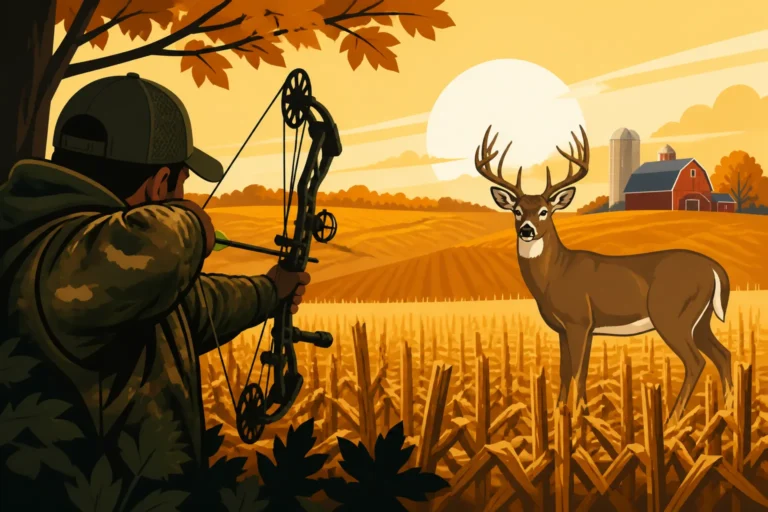
Ever felt the crushing disappointment of spooking deer on your way to a perfect clover plot setup before the sun even thinks about rising? It's a common frustration, especially when you know that first light over a lush food plot is often your absolute best chance at an Illinois whitetail. That early morning light, combined with deer moving from bedding to feeding, presents a fleeting opportunity that every hunter dreams of. This guide is all about mastering those critical pre-dawn hours and making the most of hunting a clover plot at first light, ensuring your efforts don't go to waste.
Why Clover Plots are Prime for First Light Encounters
Clover plots are absolute magnets for deer, and for good reason. They provide high-protein, palatable forage for a significant portion of the year, making them a consistent draw, especially when other natural food sources are scarce or less appealing. Understanding why deer favor these plots at dawn is key to successful hunting.
Understanding Deer Feeding Patterns at Dawn
Deer, by nature, are crepuscular, meaning they are most active during dawn and dusk. This makes first light a prime hunting window. As the sky lightens, deer are often transitioning from their nocturnal feeding patterns to their daytime bedding areas. A clover plot often serves as a convenient "last stop" for a quick graze before they settle in for the day, or sometimes, a "first stop" if they've had a restless night or moved through cover during the darkest hours.
Think about it from a deer's perspective. They've been moving, perhaps feeding lightly throughout the night, and as the sun is about to peek, they're looking for one last, easy meal to top off before heading to bed. A lush, easily digestible clover plot fits this bill perfectly. It's not just about calories; it's about efficiency and comfort. They don't have to work hard to find tasty forage here. The dew on the clover can also make it particularly attractive, adding moisture and freshness. This transition period, from the black of night to the first golden rays, is when their guard might be slightly lower as they focus on feeding and moving towards safety. You're trying to intercept them during this brief, vulnerable window.
Clover's Year-Round Appeal and Nutritional Value
Unlike annuals or mast crops that come and go, clover offers consistent attraction. While acorns drop in the fall and corn fields are harvested, clover remains a reliable food source throughout much of the hunting season in Illinois, even through some milder winters. This consistency makes it a crucial component of deer management and hunting strategy.
Clover is rich in protein, which is vital for antler growth in bucks and overall health for does and fawns. This nutritional punch keeps deer coming back. Different varieties, like Ladino, White Dutch, or Alsike clover, have varying growth habits and palatability, but all offer significant benefits. For example, some clover varieties are more cold-tolerant and can stay green longer into the late season, providing a valuable food source when other options are limited. This sustained attraction means that even if you're hunting in the Late-Season Food Sources for Illinois Whitetails window, a healthy clover plot can still be a hotspot. This reliable appeal means deer inherently factor clover plots into their daily routines, making them predictable spots to target at dawn. Knowing your specific plot's clover variety and its peak attractiveness can further refine your morning ambush plans.
Here's a quick comparison of popular clover types for food plots:
| Clover Variety | Pros | Cons | Durability | Attractiveness to Deer |
|---|---|---|---|---|
| Ladino Clover | High protein, drought tolerant, quick growth | Can be sensitive to heavy grazing, sometimes struggles with extreme cold | Moderate | Very High |
| White Dutch Clover | Tolerant of heavy grazing, spreads well, persistent | Lower yield than Ladino, can be slow to establish | High | High |
| Alsike Clover | Tolerant of wet soils, good for acidic soils | Not as palatable as Ladino, shorter lifespan than other perennials | Moderate | Moderate to High |
| Medium Red Clover | Deep root system, handles drought, adds nitrogen | Shorter lived (biennial), can become stemmy | Moderate to High | High |
Pre-Dawn Setup and Entry Strategies for Clover Plots
The success of a first-light hunt over a clover plot hinges almost entirely on your pre-dawn strategy. Spooking deer on your way in is the quickest way to ruin the morning before it even begins. Meticulous planning of your approach and stand setup is paramount.
Mastering Your Approach Path and Scent Control
Your entry into the stand or blind needs to be as silent and scent-free as humanly possible. This means meticulously planning your approach path long before opening day. Ideally, your path should avoid any known bedding areas, natural funnels where deer might be moving, or other active feeding areas. Using a mapping application like GoHunt can be incredibly helpful here. You can identify potential access routes, mark obstacles, and pinpoint exactly where you need to go in the dark.
Consider using natural cover to conceal your movement. Creek beds, ditches, fence lines, or dense timber can offer excellent routes that keep you out of sight and potentially mask your sound. Always walk with the wind in your favor, blowing your scent away from where you expect deer to be approaching the plot. Even if the wind is perfect, implementing a strict scent control regimen is non-negotiable. This means showering with scent-free soap, wearing clean hunting clothes stored in airtight bags, and using scent-eliminating sprays on your boots and outer layers. The goal is to leave absolutely no trace of your presence. A deer's nose is its primary defense, and a single whiff of human odor will send them packing, often without you ever knowing they were there. For broader tactical planning, understanding Scouting Illinois Public Land Before Season will significantly improve your overall strategy for identifying these crucial routes and preventing early-morning busts.
Optimal Stand and Blind Placement for First Light
Where you place your stand or Using a Ground Blind on Illinois Public Land around a clover plot is critical for maximizing your first-light opportunities. The key is to position yourself to intercept deer as they approach or leave the plot, rather than directly over where they will be feeding. Deer often stage up in the cover around a food plot, observing it for danger before stepping out into the open.
Consider the prevailing wind direction for your chosen plot and establish your stand location on the downwind side. This might mean having multiple stand locations for different wind directions, which is a smart long-term strategy. Additionally, think about the sun's position at first light. You want the sun at your back, if possible, to illuminate the deer in the plot while keeping you in shadow. Position yourself for optimal shooting lanes towards common entry and exit points. Deer will typically enter a plot from the thickest cover available, using Hunting a Funnel Between Two Woodlots or following natural terrain features. Placing your stand approximately 15-25 yards into the timber surrounding the plot, rather than right on the edge, provides several advantages: it offers better concealment, allows for quieter movement, and gives you a chance to intercept deer before they commit fully to the open plot. This staging behavior is particularly common with mature bucks.
Optimizing Your Hunt: Stand Placement and Shot Opportunities
Even with perfect entry, your stand placement and readiness for the shot are what turn observation into success. The early morning light adds challenges, but also distinct advantages.
Utilizing Wind, Thermals, and Light Conditions
At first light, especially in Illinois's varied topography, wind and thermals play a critical role. Thermals are air currents that rise as the ground warms and fall as it cools. In the morning, as the sun begins to warm the earth, thermals will typically start to rise. This means that if you're hunting in a valley or hollow, your scent might initially drop into the low spots before rising with the warming air. If you're on a ridge, your scent might be carried down before reversing. Understanding Wind and Thermals on a Southern Illinois Ridge is directly applicable, even if your clover plot is in flatter farmland.
Always set up so your scent is carried away from known bedding areas and approach routes. Ideally, you want a wind that crosses the plot, taking your scent into open fields or areas you don't expect deer to be. As the sun rises, pay close attention to the light. The first few minutes of shooting light can be dim and challenging for shot placement. Ensure your optics are clean, and you're comfortable with your aiming point in low light. Position yourself so the rising sun is behind you, making it easier for you to see deer as they approach the plot, while also putting them in silhouette, and keeping you concealed in shadow. This often means facing west or northwest if hunting at first light.
Mastering Shot Angles and Patience
When deer appear, especially mature bucks, they rarely present the perfect broadside shot immediately. Be prepared to wait, observe their movement, and anticipate their next step. Deer feeding in a clover plot might quarter away, quarter towards you, or be fully frontal. You need to identify the best ethical shot opportunity and be patient enough to wait for it.
If a deer is grazing directly towards you, it might pause and raise its head, giving you a chance to make a quick calculation before it turns. If it's quartering away, aim for the opposite shoulder to ensure your arrow or bullet travels through the vitals. Avoid frontal shots or extreme quartering shots unless you are absolutely confident in your ability to make a clean kill, as these angles significantly increase the risk of wounding. Always visualize the arrow or bullet's path through the animal. Don't rush. The moment a deer steps into the clover plot at first light, your heart might race, but taking a deep breath and controlling your adrenaline is paramount. Many hunters miss or wound deer by rushing the shot. It's far better to let a deer walk than to take a questionable shot. Remember, patience is a virtue, and it's what often separates a successful hunt from a missed opportunity. This is true whether you are Setting Up on a Central Illinois Field Edge or deep in timber.
Adapting to Conditions: Wind Shifts, Pressure, and Post-First Light Tactics
Hunting is rarely predictable, and even the most meticulously planned first-light hunt can throw you a curveball. Being able to adapt to changing conditions and knowing what to do if the initial morning rush doesn't materialize is crucial for consistent success.
Handling Unfavorable Wind Shifts
One of the most frustrating things that can happen during a first-light hunt is a sudden, unexpected wind shift. Even with the best weather apps like GoHunt for forecasting, localized thermals or subtle changes in atmospheric pressure can alter the wind's direction. If the wind shifts and begins carrying your scent into the plot or towards a known deer travel corridor, you have a critical decision to make.
Continuing to hunt with a bad wind is almost guaranteed to spook deer and educate them to your presence, potentially ruining that spot for future hunts. In such a scenario, it's often best to make a silent, discreet exit. If possible, have a secondary exit route planned for unfavorable winds that allows you to sneak out without alerting any animals. Alternatively, if you have a backup stand or ground blind set up for a different wind direction nearby, you might attempt a move, but only if you can do so completely undetected. This usually means waiting until deer have cleared the area or making a very slow, deliberate move under the cover of thick timber. Sometimes, the best move is no move at all, just a quiet retreat to preserve the spot for a better day.
What to Do When Nothing Shows at Dawn
Not every first-light sit over a clover plot will result in a deer sighting. There are countless reasons why deer might not show: increased hunting pressure, a change in their preferred food source, or simply a deviation in their routine. Don't get discouraged. Instead, use this time to learn and adapt.
If the first hour of daylight passes without activity, consider these tactics:
- Wait Longer: Deer might be latecomers, especially if pressured or if the weather is changing. Sometimes, a buck might cruise the edge of the plot a bit later, checking for does.
- Change Tactics: If you're in a stand, you might try a little Grunt Calls in Mature Illinois Timber or light rattling, especially if it's during the rut. These calls can sometimes pull a curious deer out of nearby cover.
- Still-Hunting the Edges: If you have access to enough contiguous timber around the plot, slowly and quietly still-hunt the edges of the plot or nearby travel corridors. Deer often bed surprisingly close to food sources, and you might catch one slipping into cover or already bedded.
- Move to a Bedding Area: If you know where deer are bedding nearby, and the wind is favorable, you could carefully transition to a stand overlooking a bedding area or a travel route between the plot and bedding. This is a higher-risk, higher-reward move.
- Evaluate and Adapt for Future Hunts: Use the quiet time to observe. Did you see any fresh tracks on your way in? Are there other signs of recent activity around the plot? If a specific clover plot consistently underperforms at first light, consider Hunting Deer After a Cold Front or Where Shawnee National Forest Bucks Bed to understand where they are finding security, then adjust your next approach. Perhaps the deer are hitting it later in the morning, or prefer a different plot. Every hunt, successful or not, offers valuable lessons if you're willing to pay attention.
Disclaimer
Hunting is an inherently dangerous activity. Always prioritize safety, follow all local and state regulations, and obtain proper licenses and permits. This guide provides general information and recommendations; individual results may vary. It is your responsibility to understand and adhere to all Illinois hunting laws.